TIME EXPOSED: HIROSHI SUGIMOTO’S
Hiroshi Sugimoto
19 September - 18 October 2026
Curated by
19 September - 18 October 2026
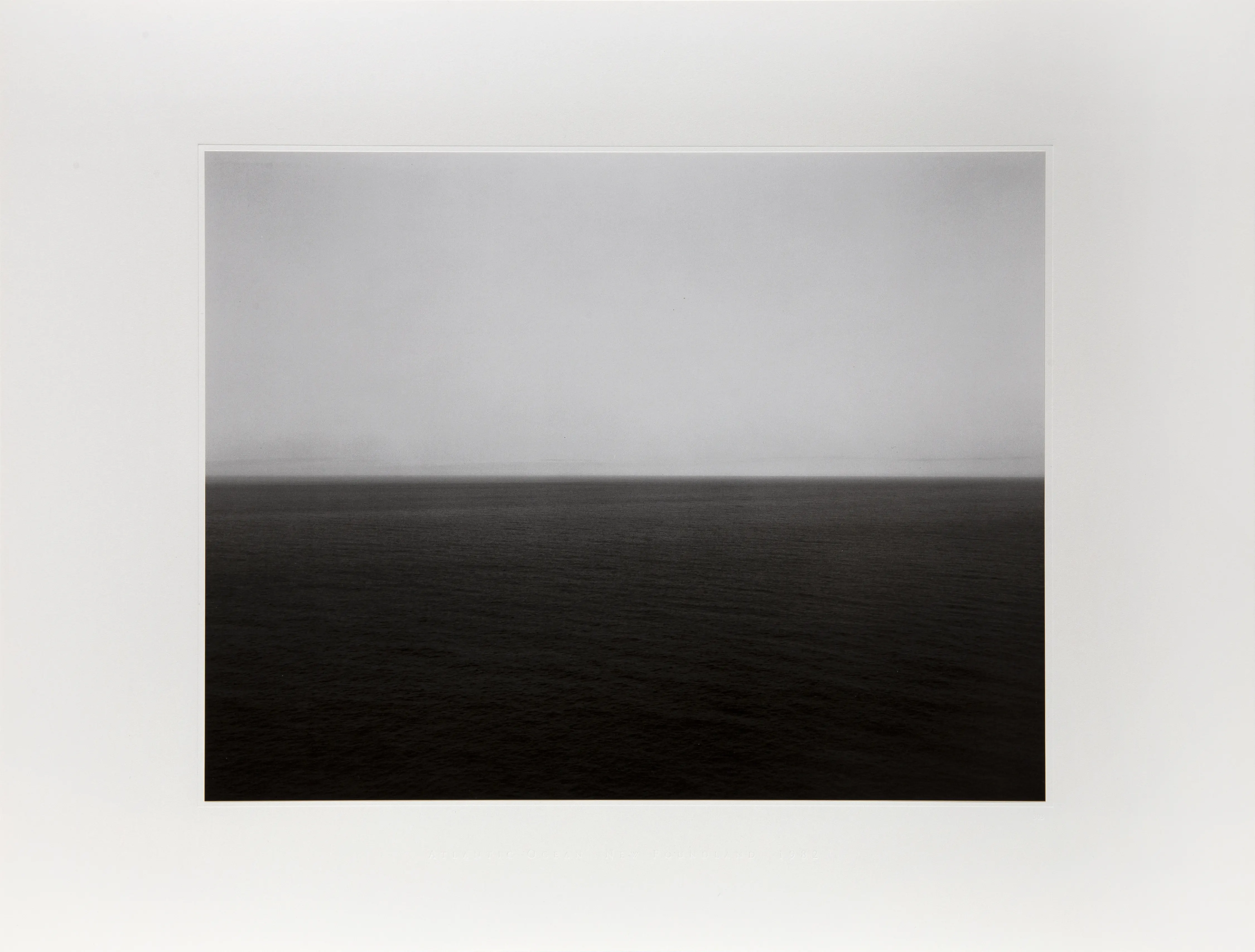
Can someone today view a scene just as primitive man might have?
Although the land is forever changing its form, the sea, I thought, is immutable.
Thus began my travels back through time to the ancient seas of the world.
–Hiroshi Sugimoto
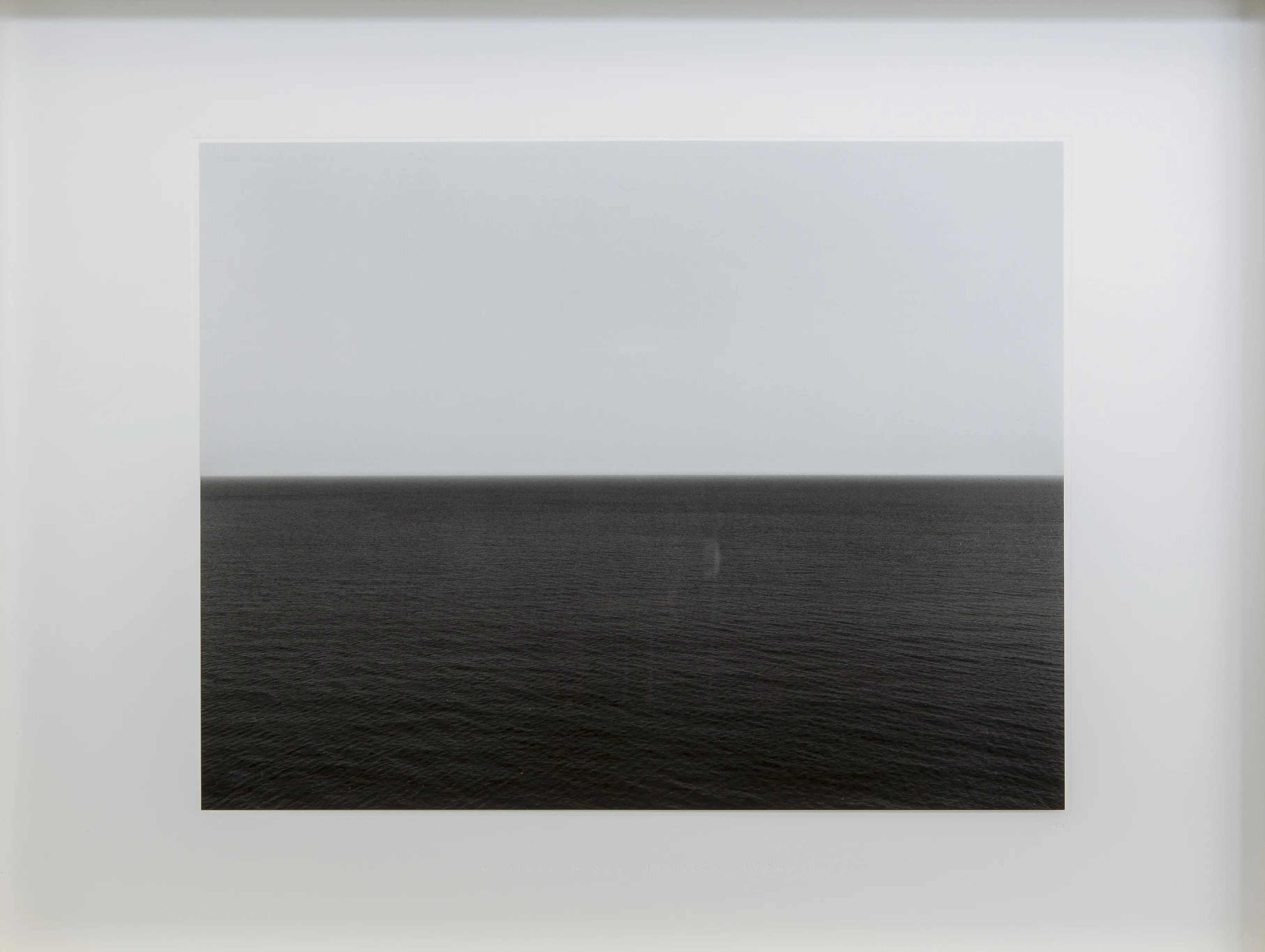
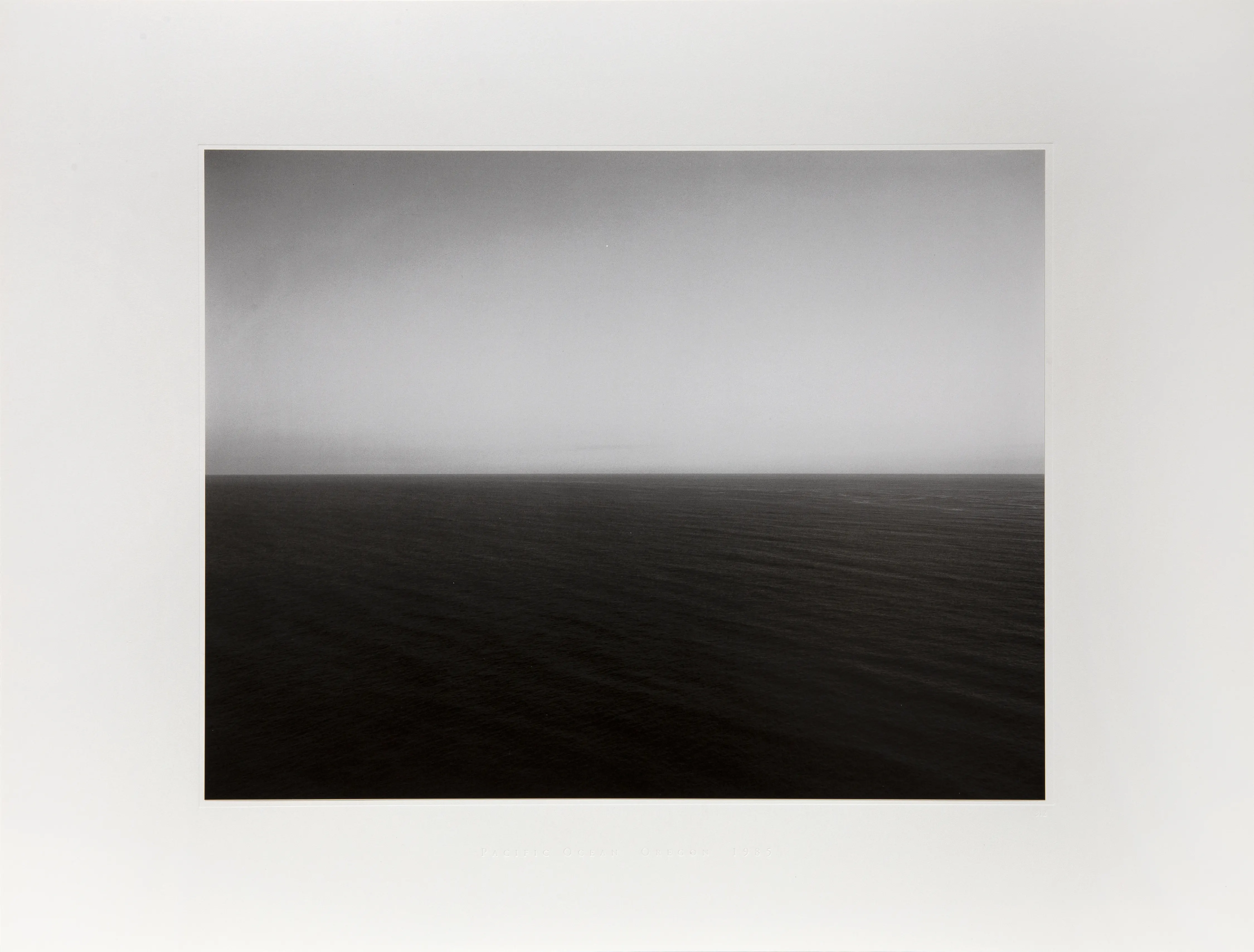
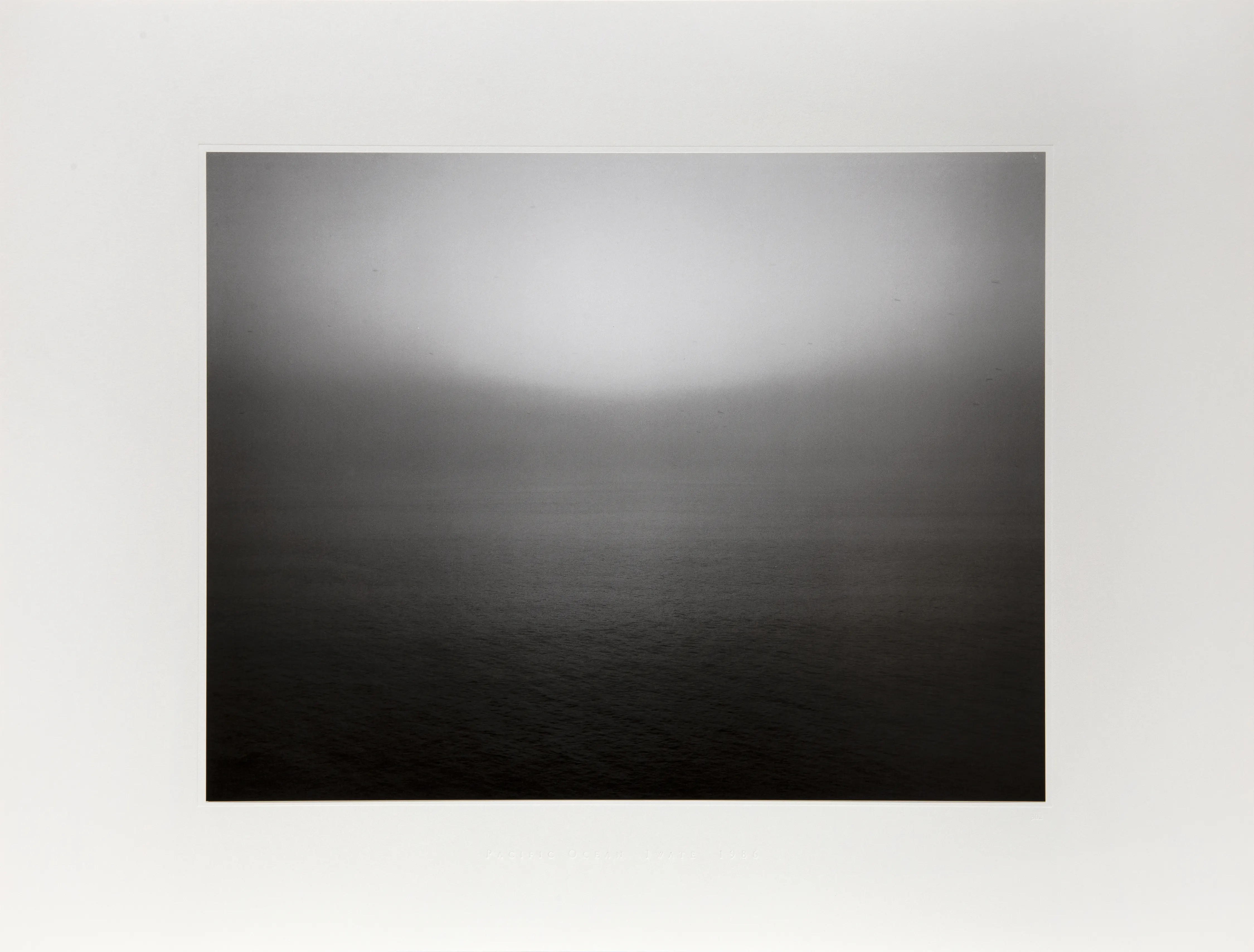
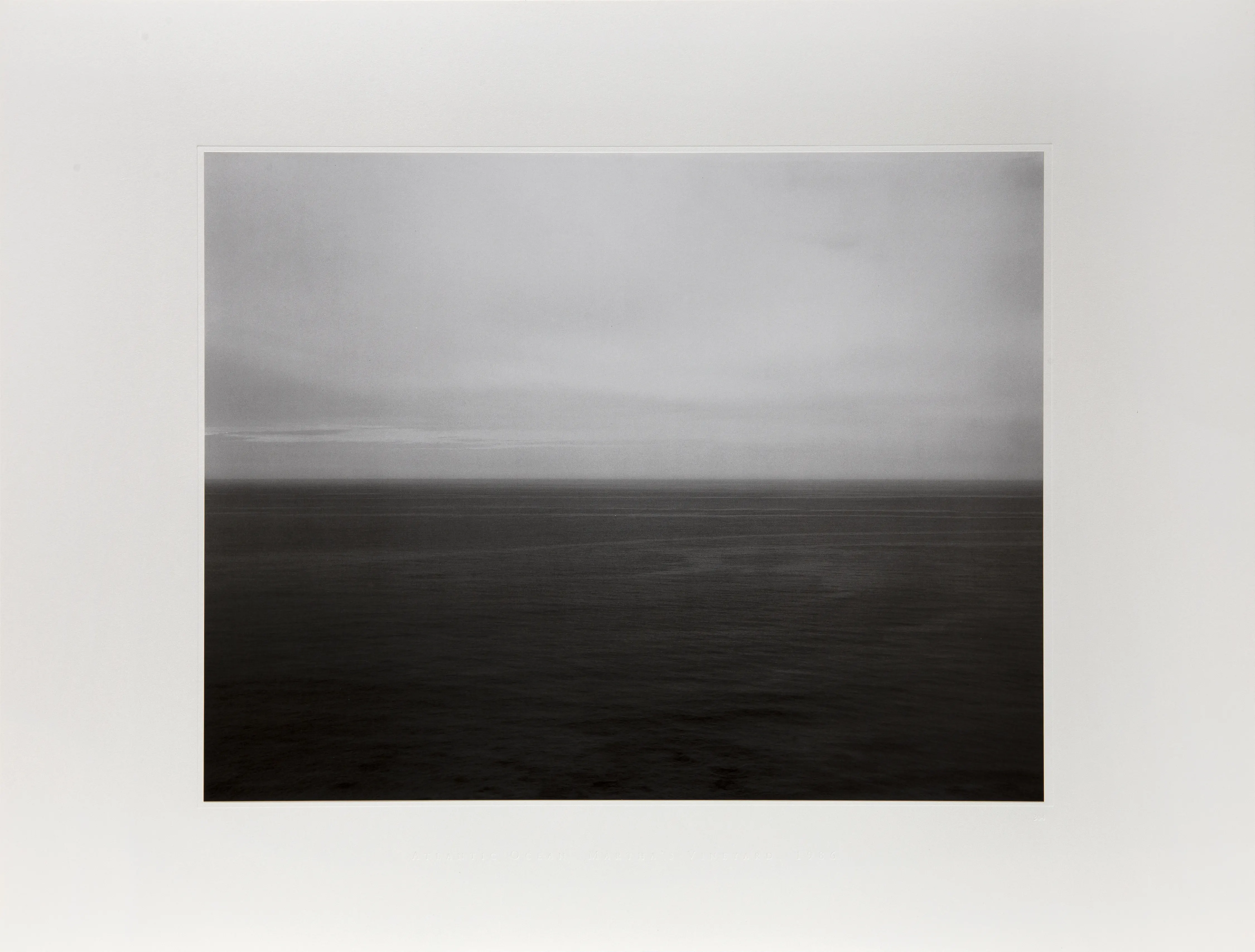
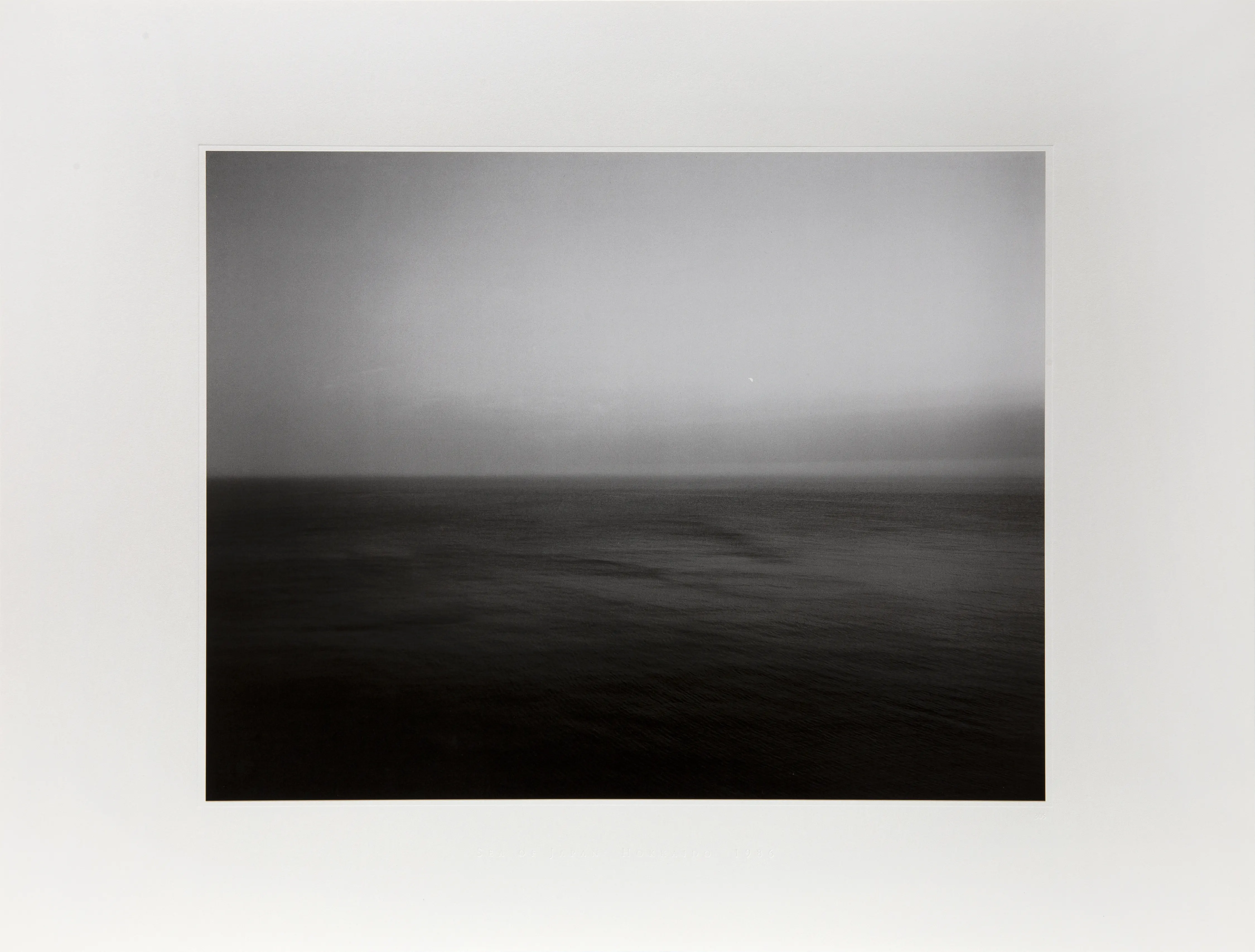
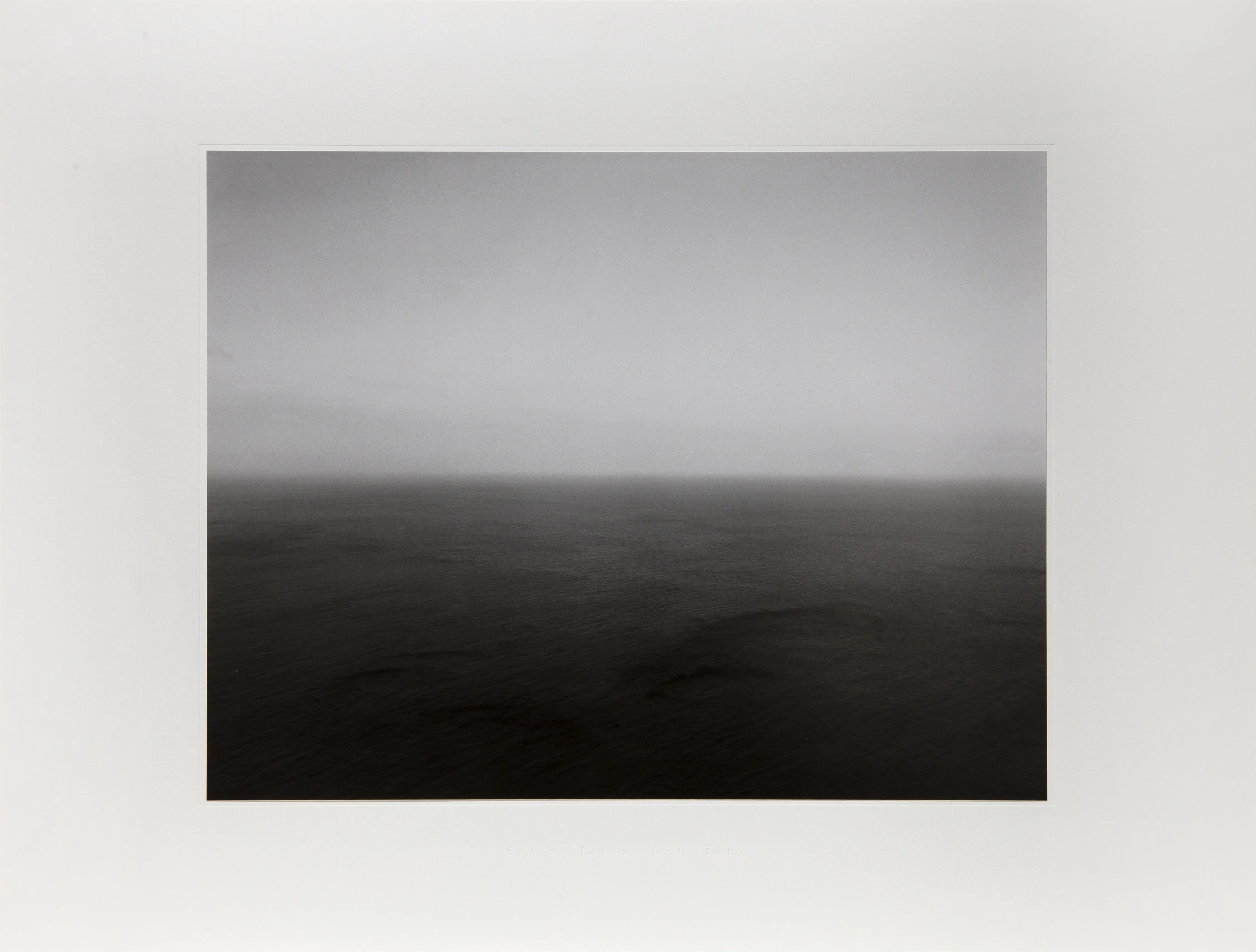
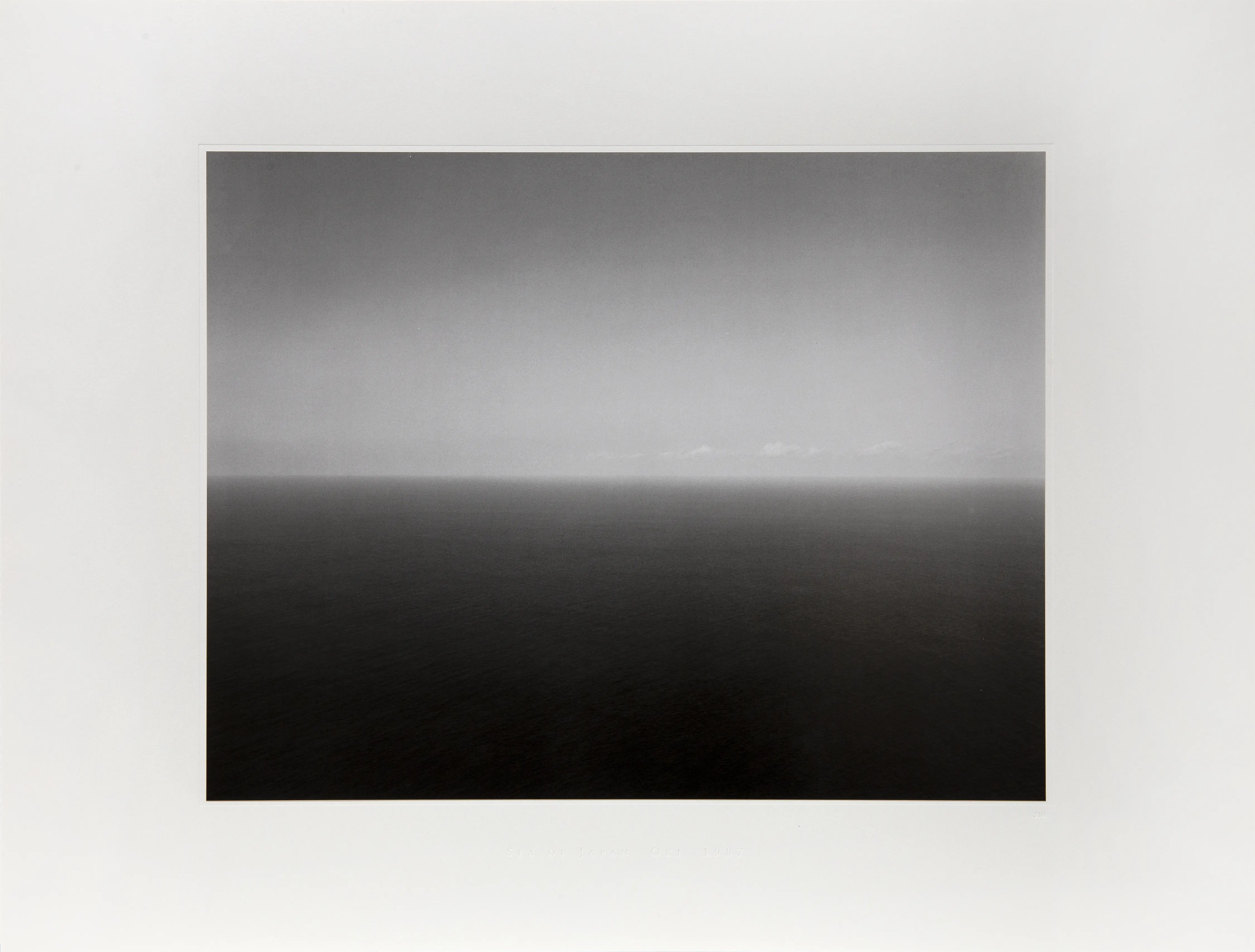
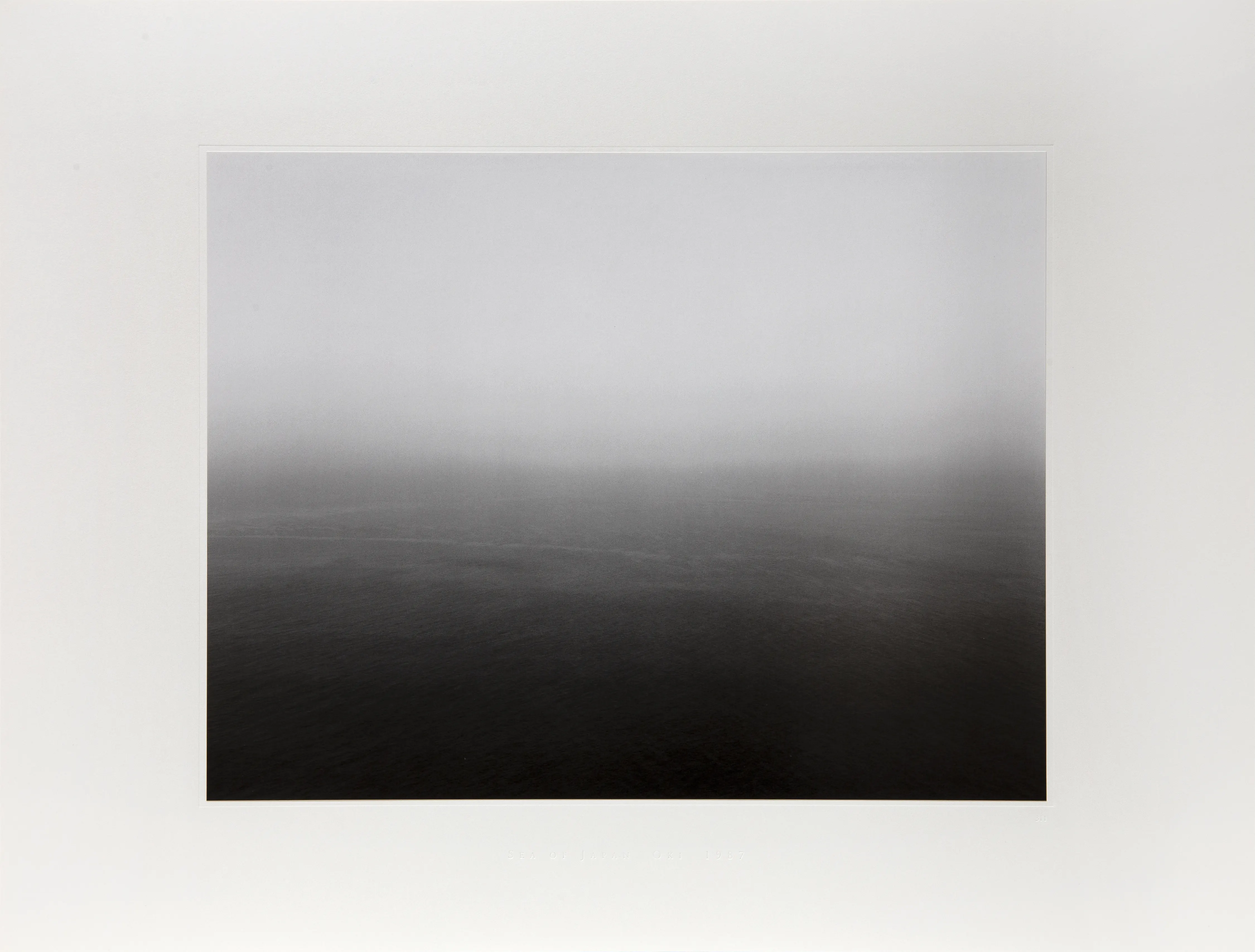
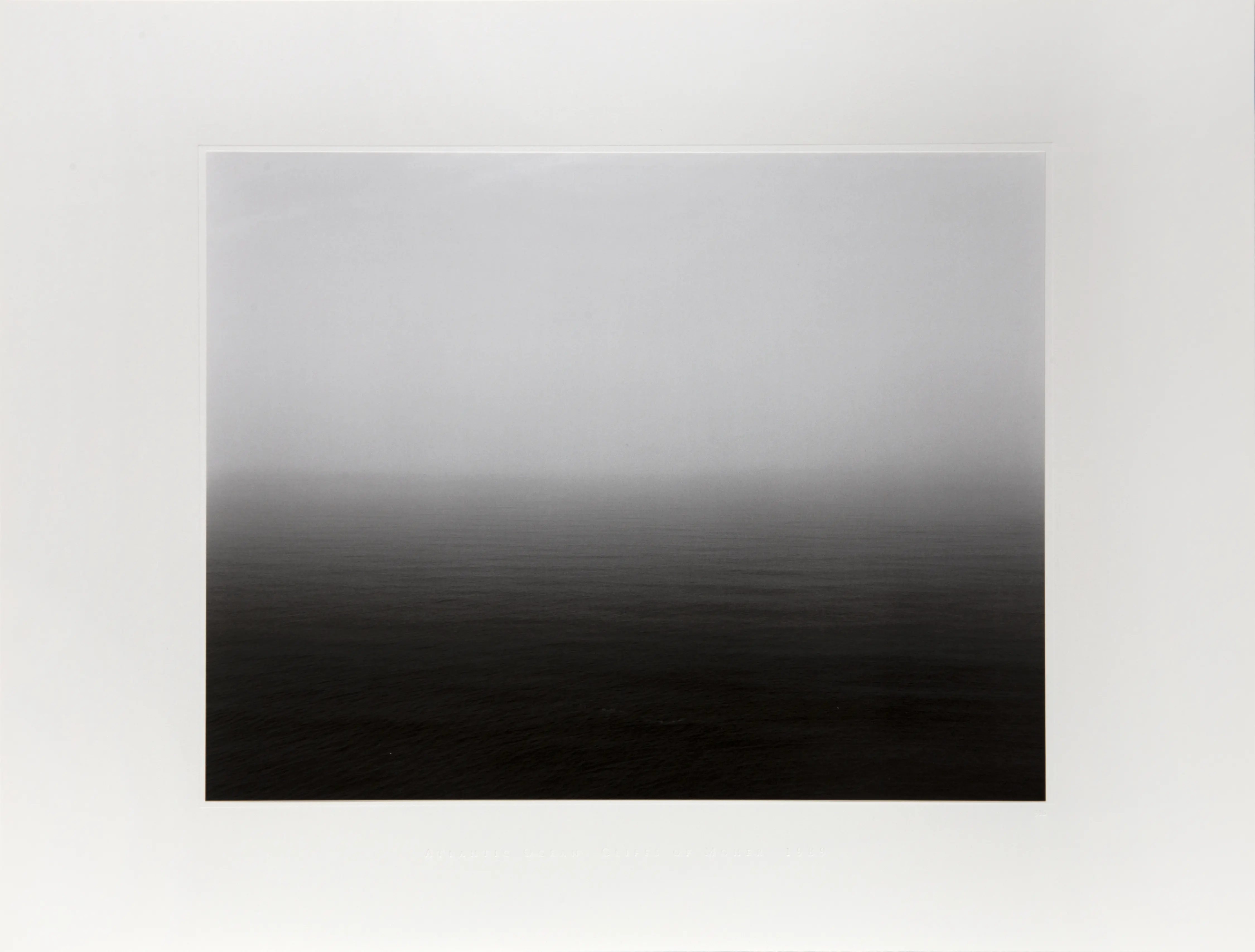
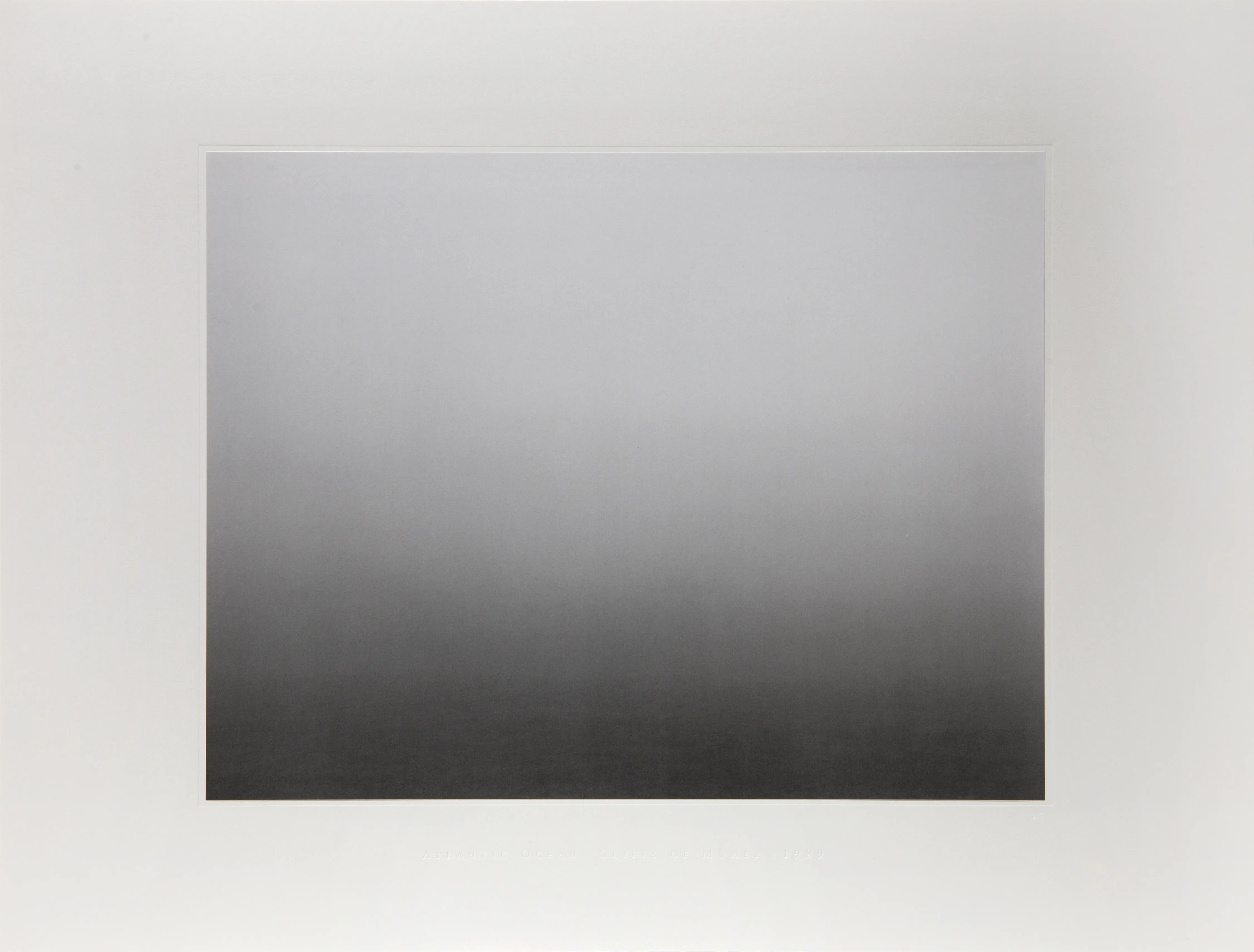
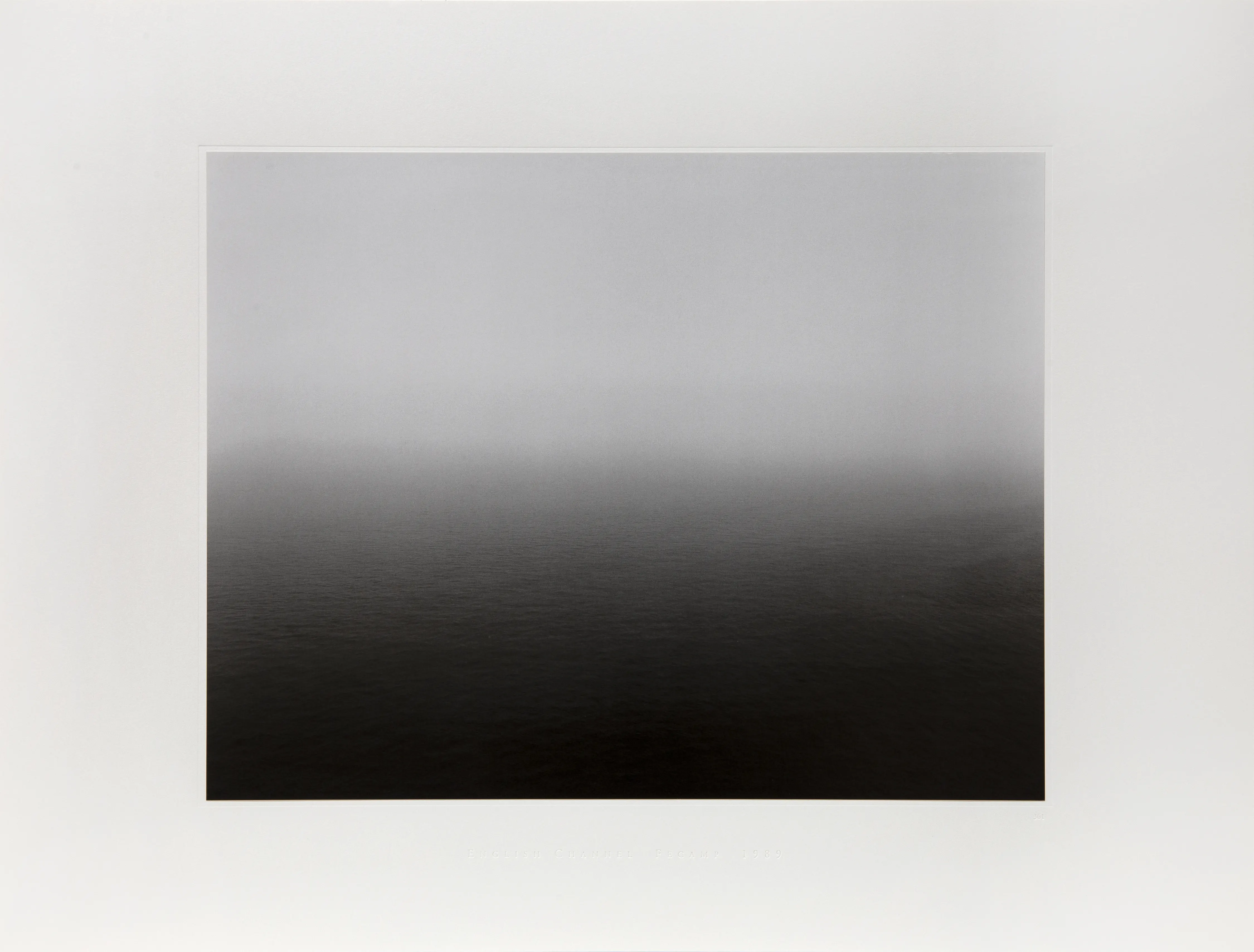
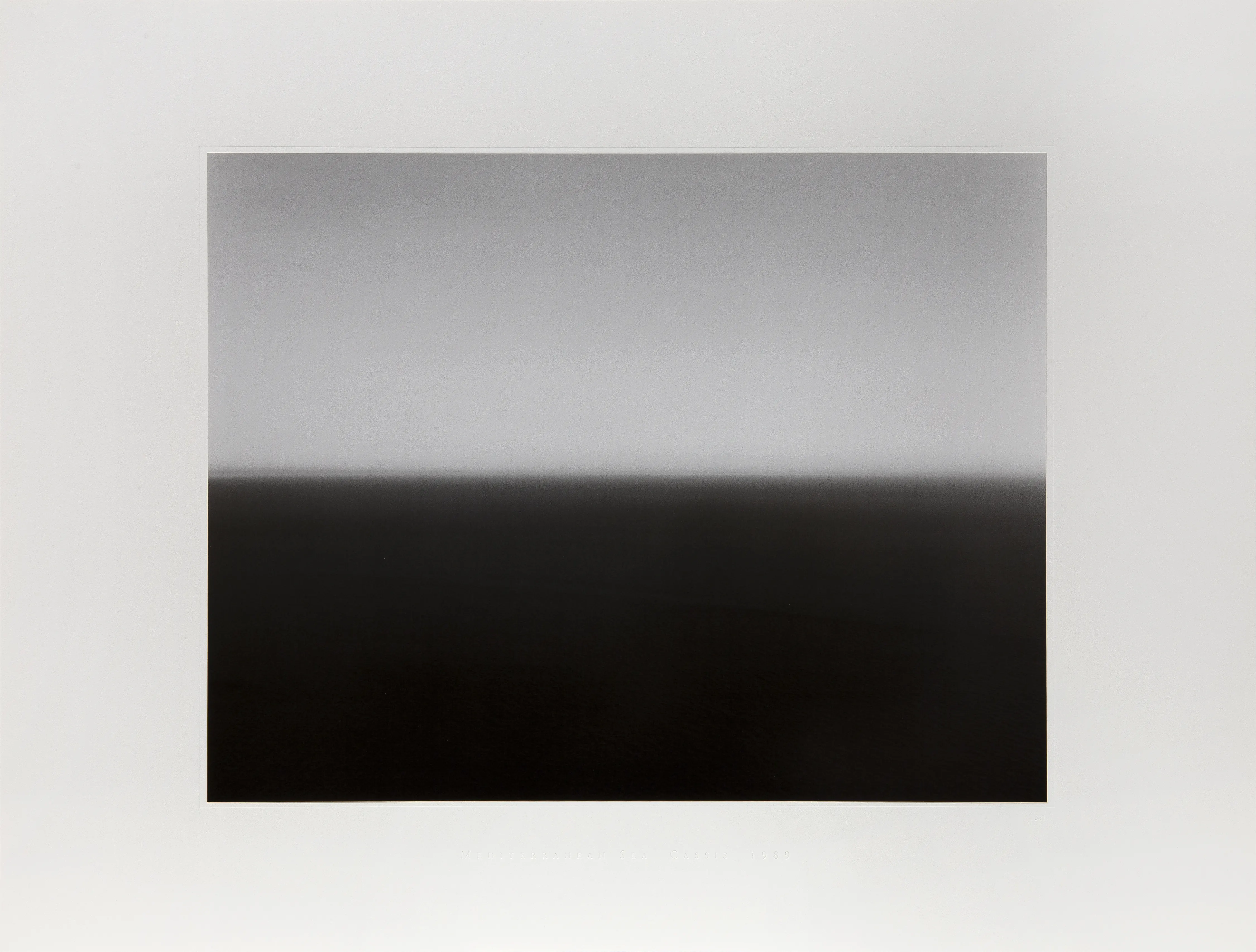
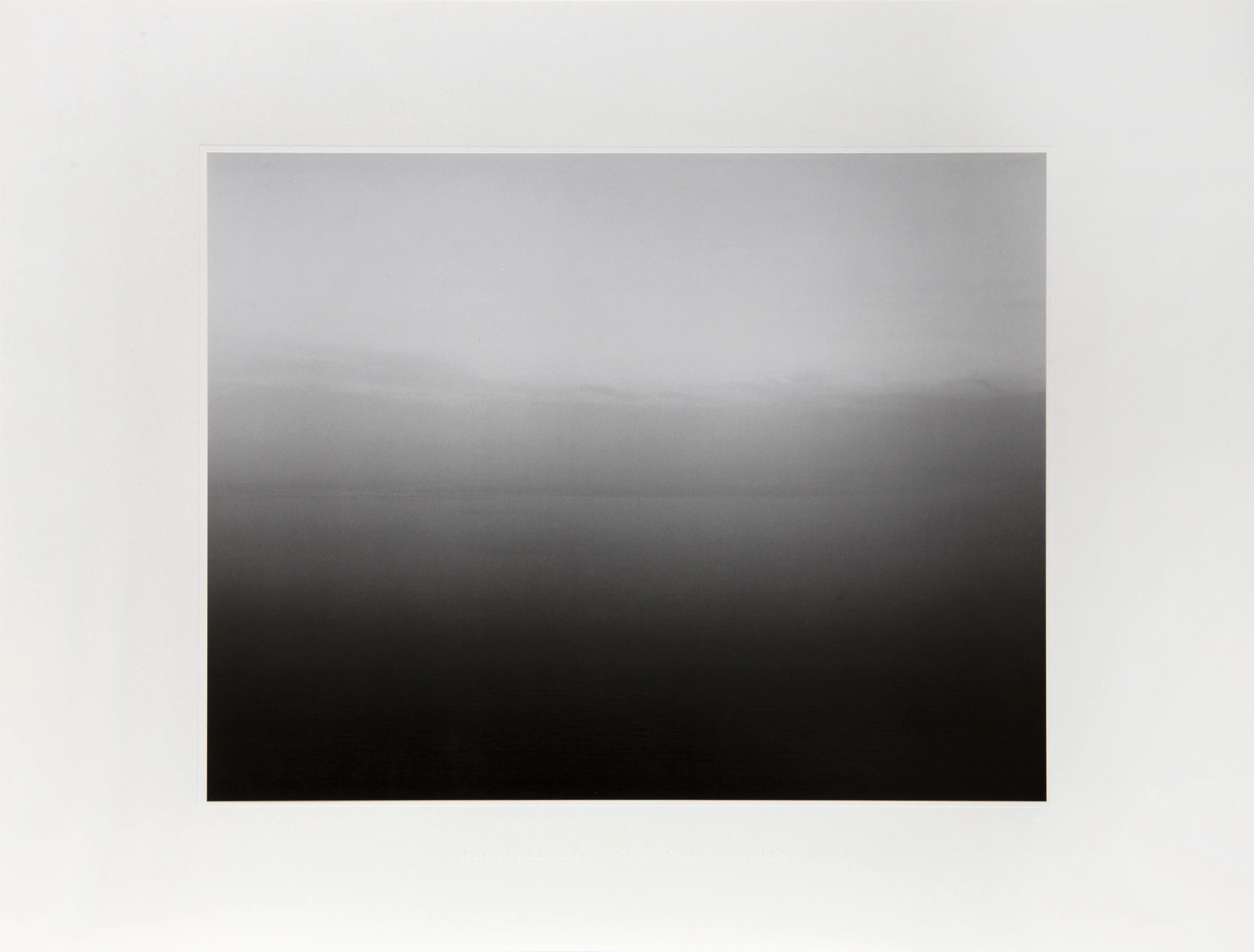
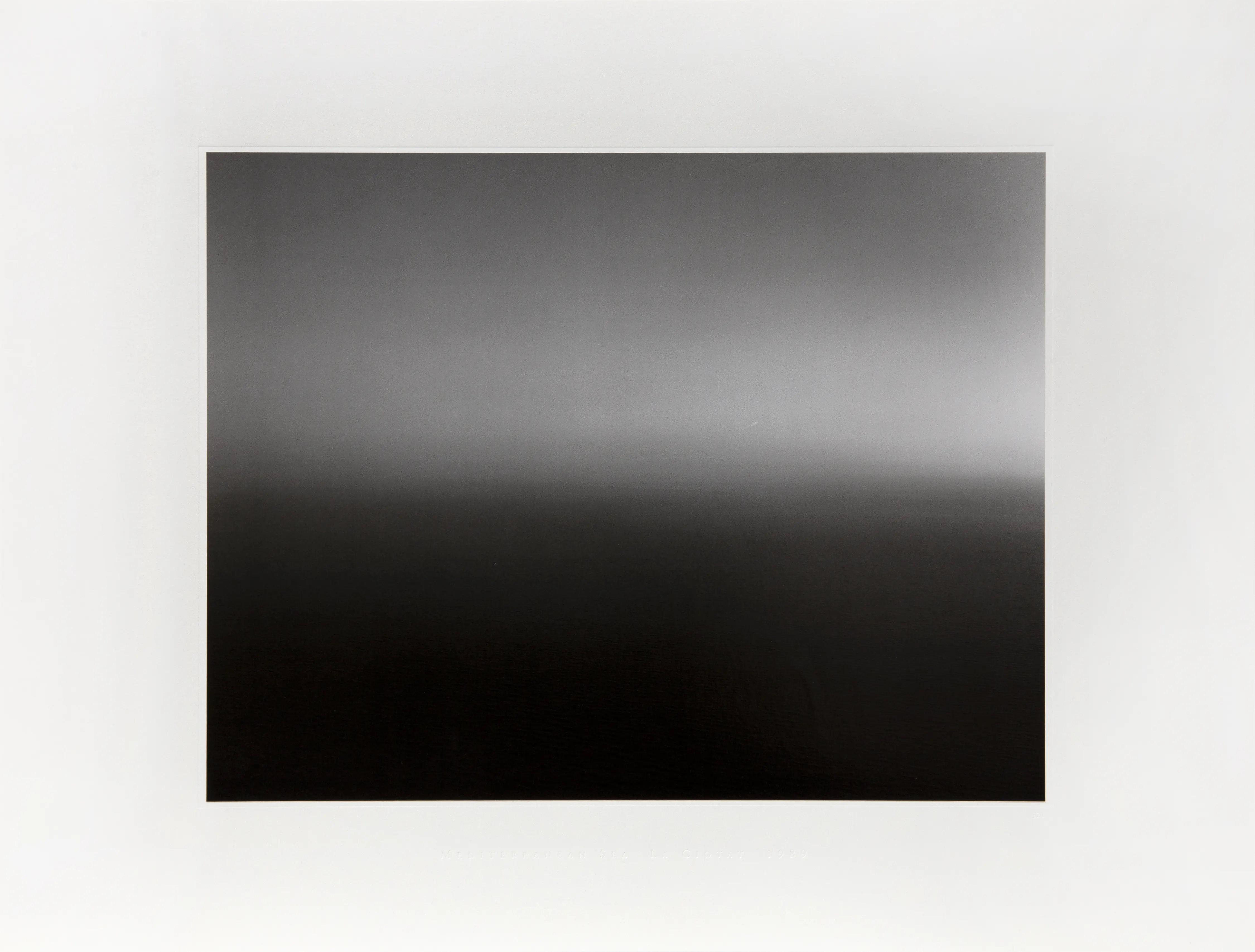
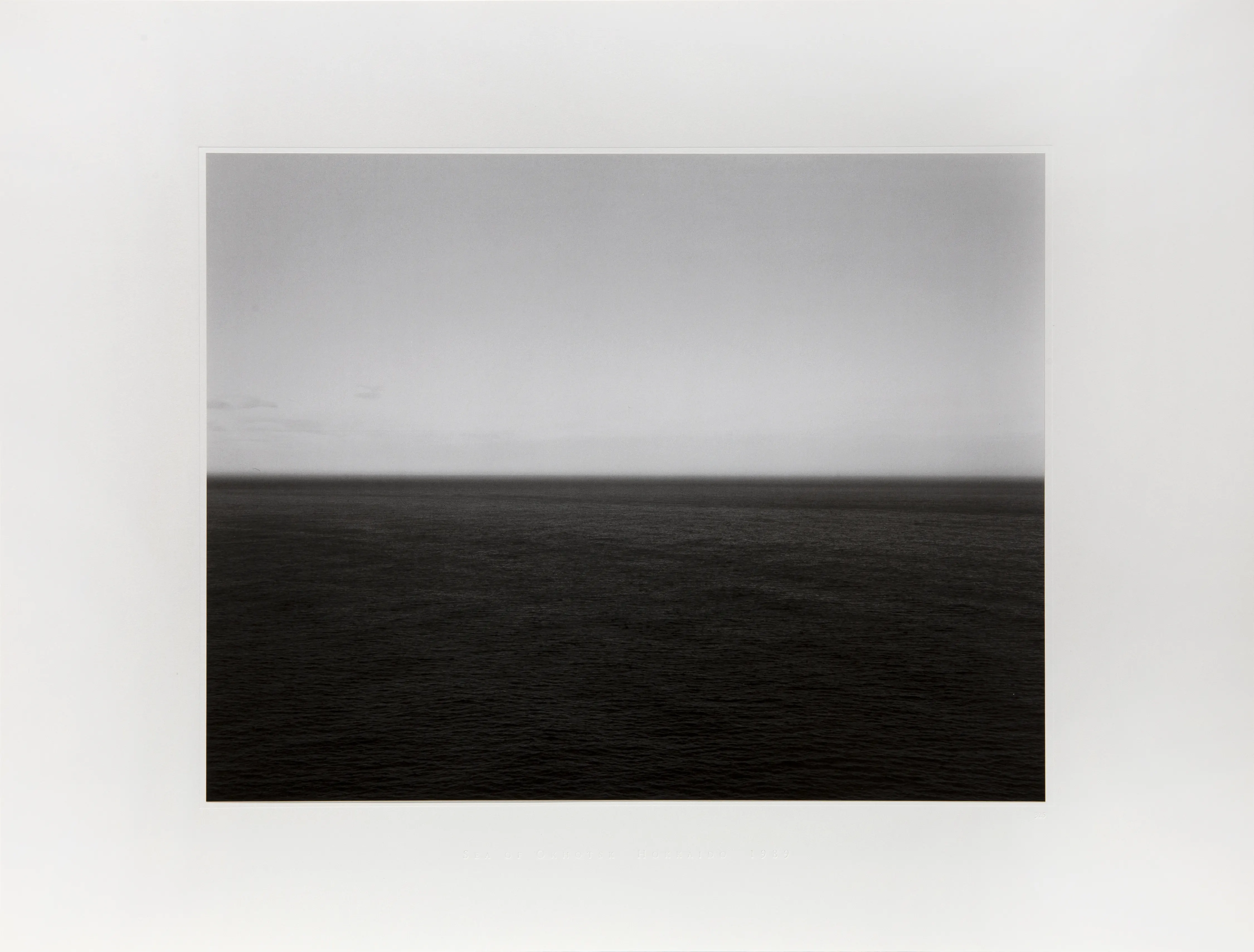
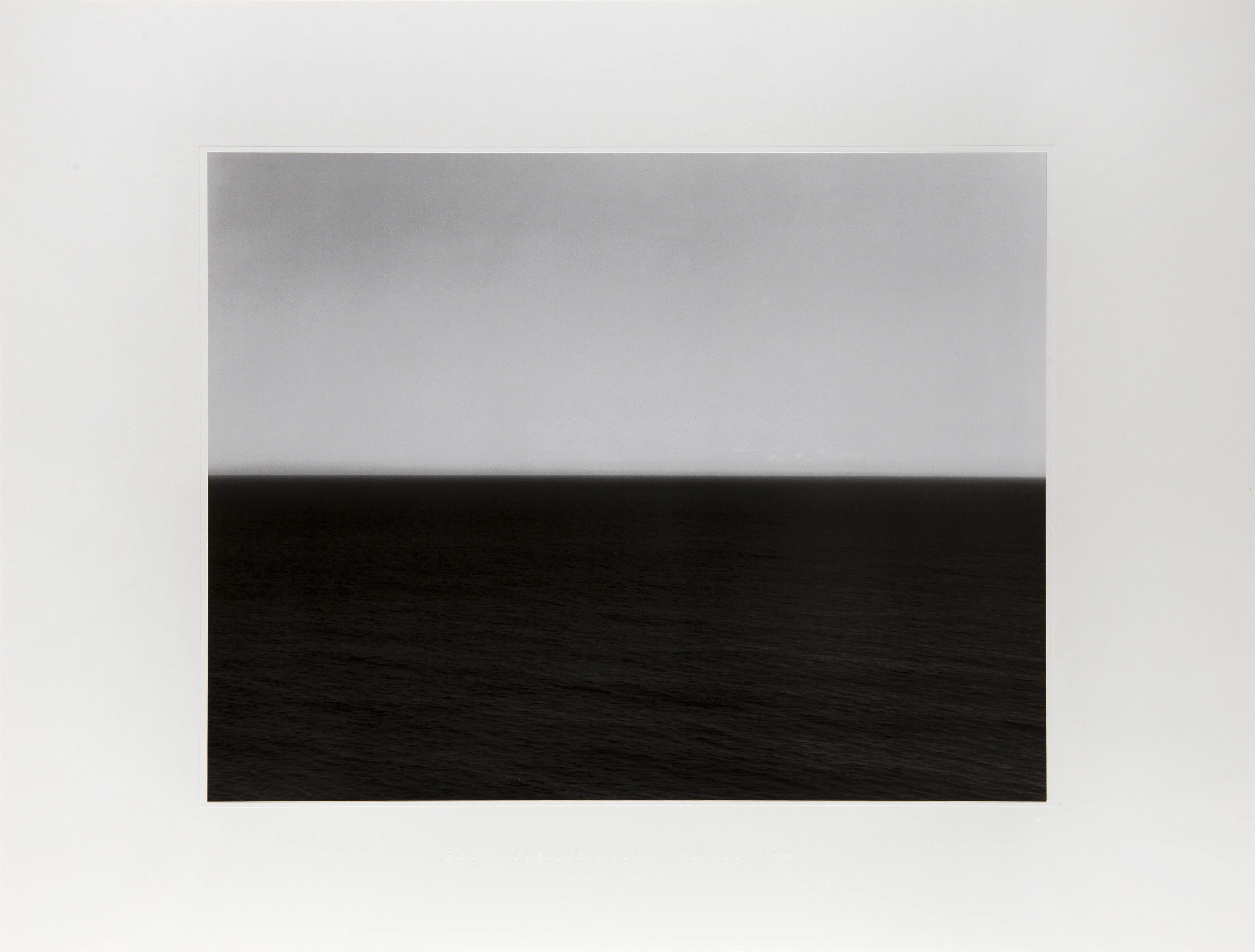
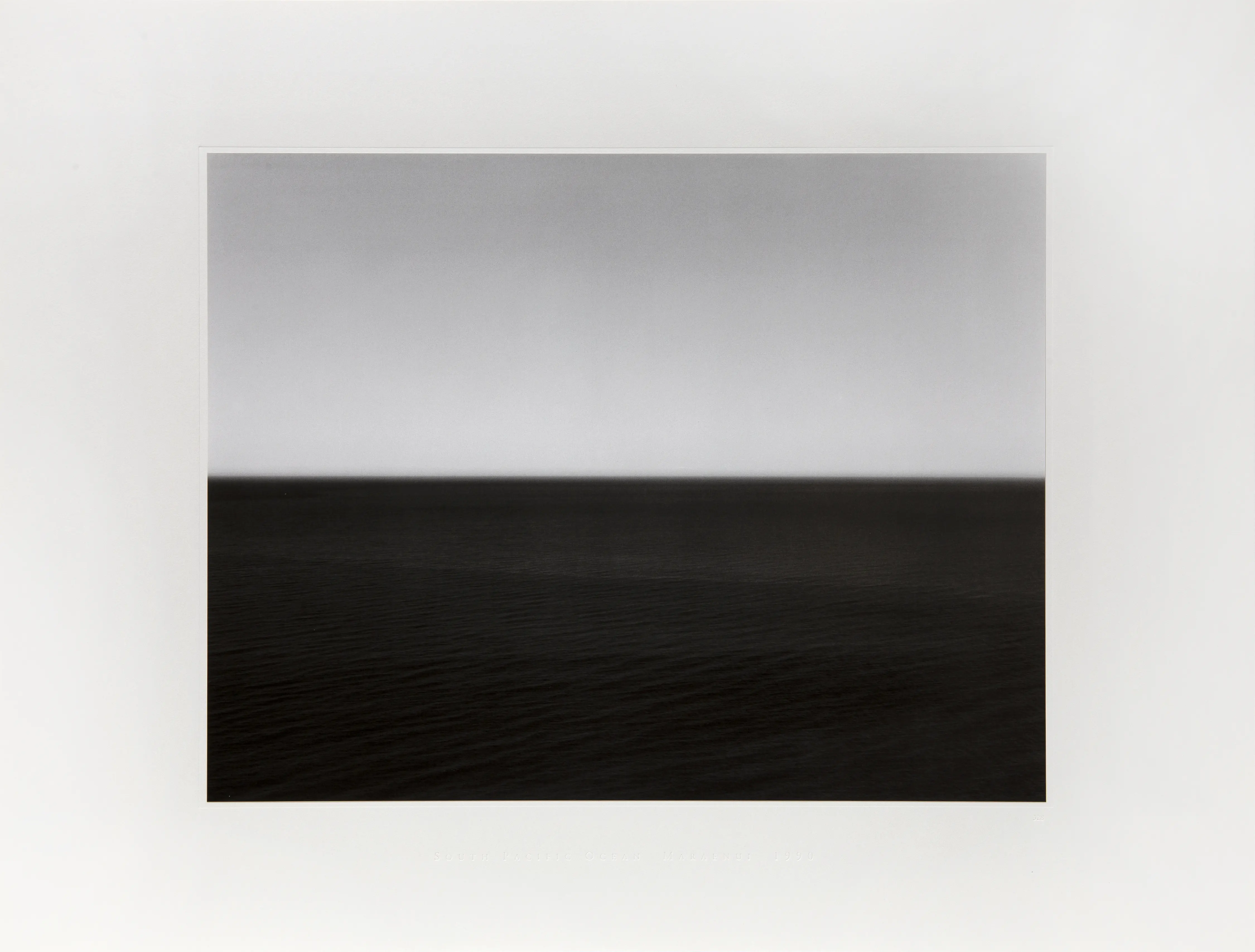
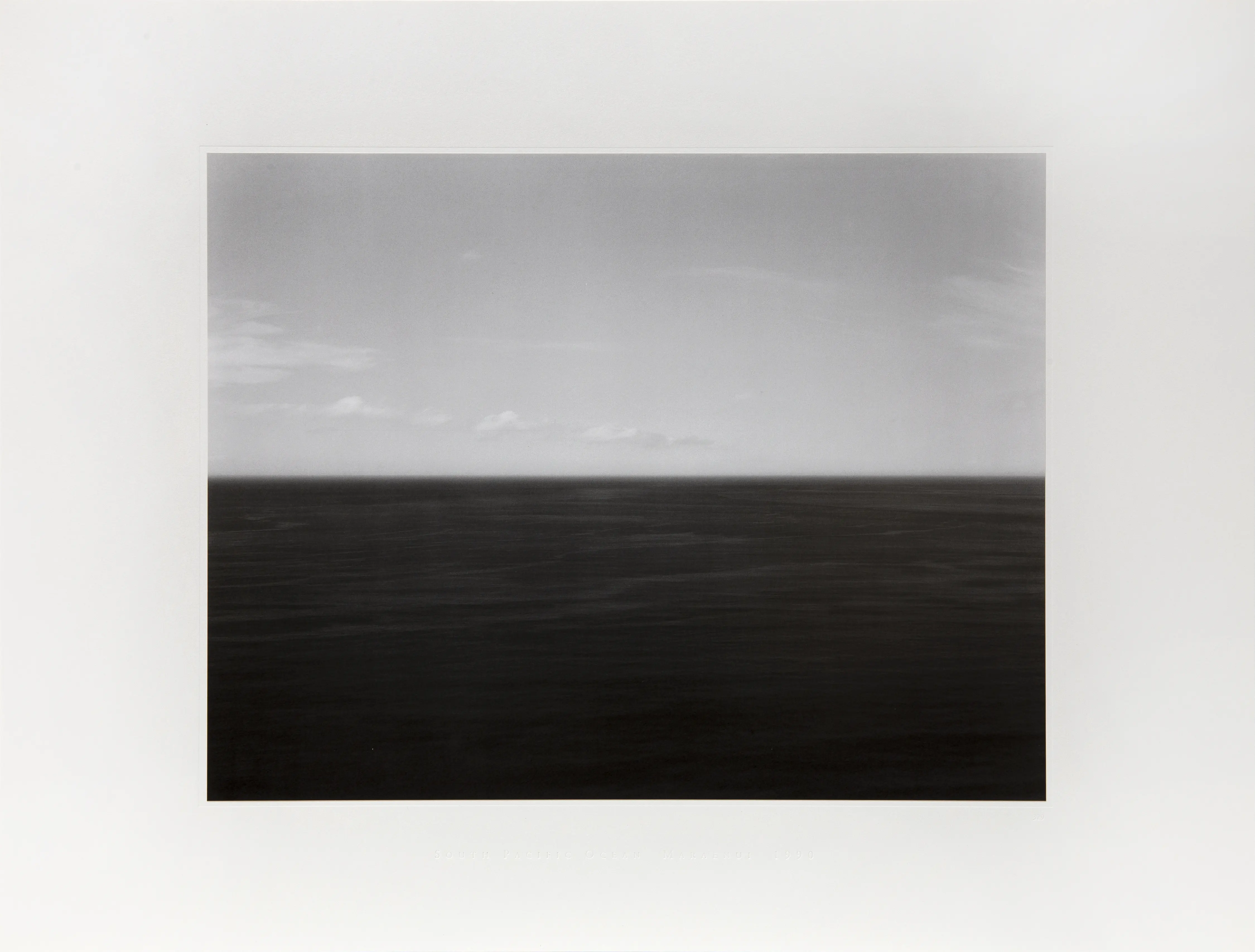
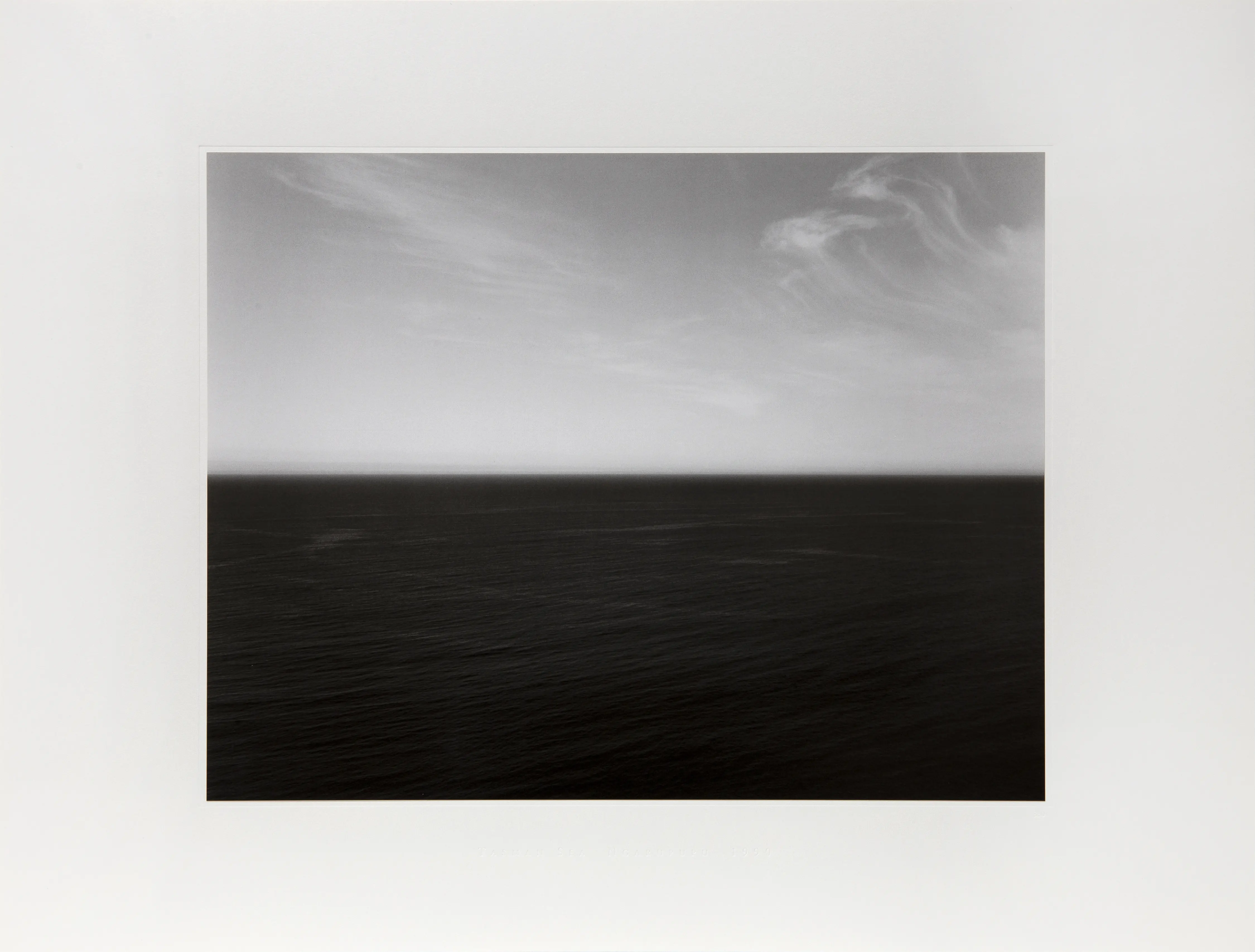
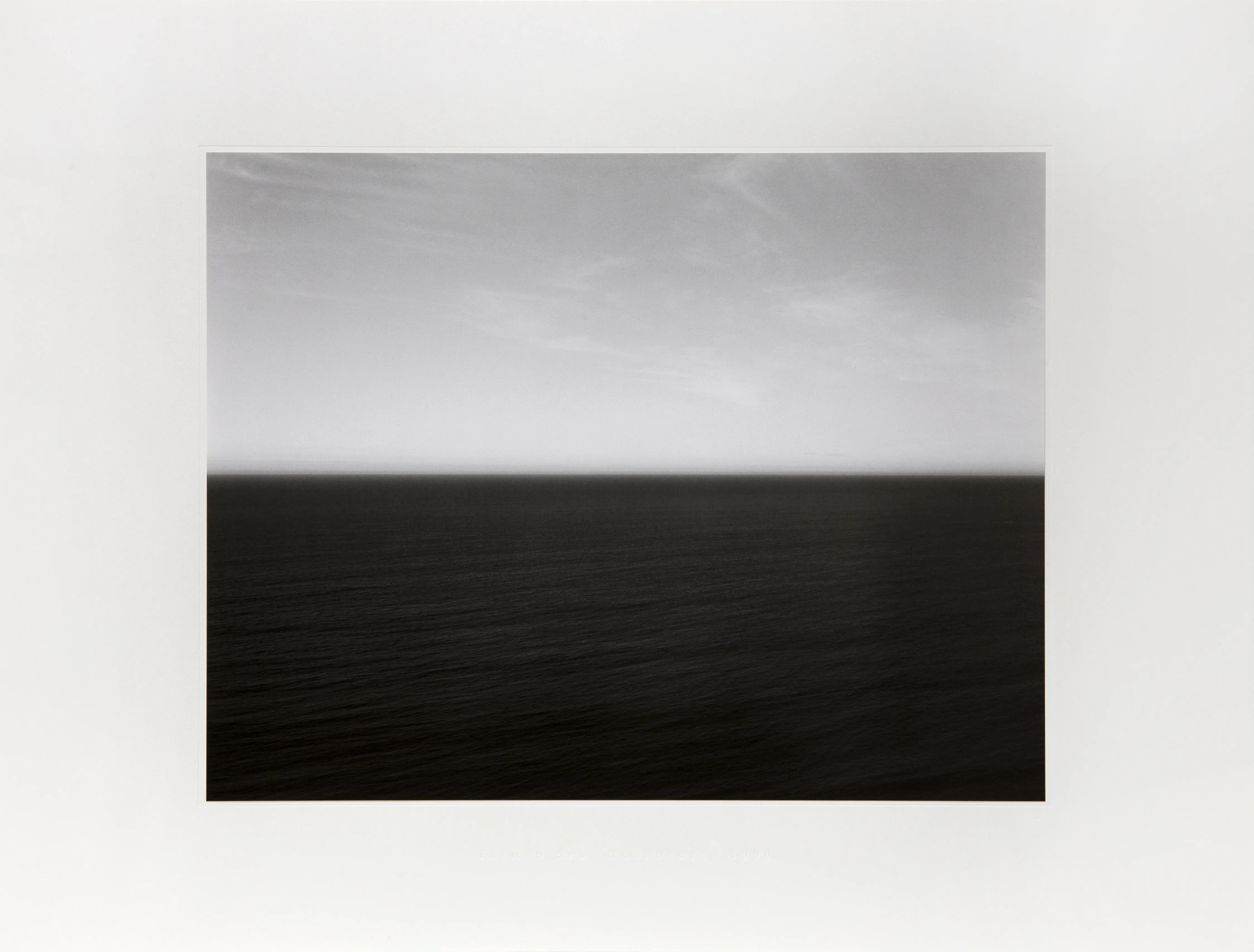
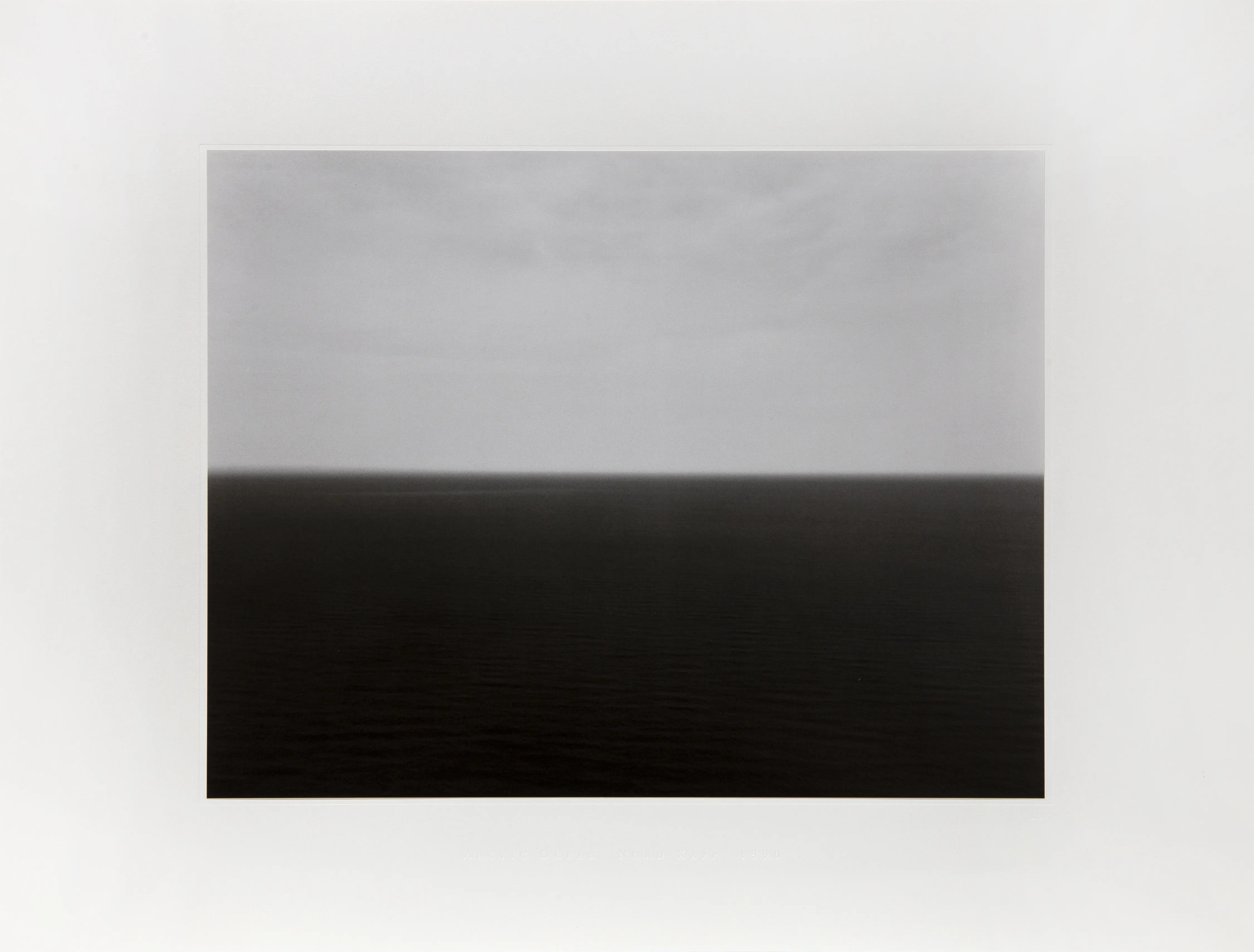
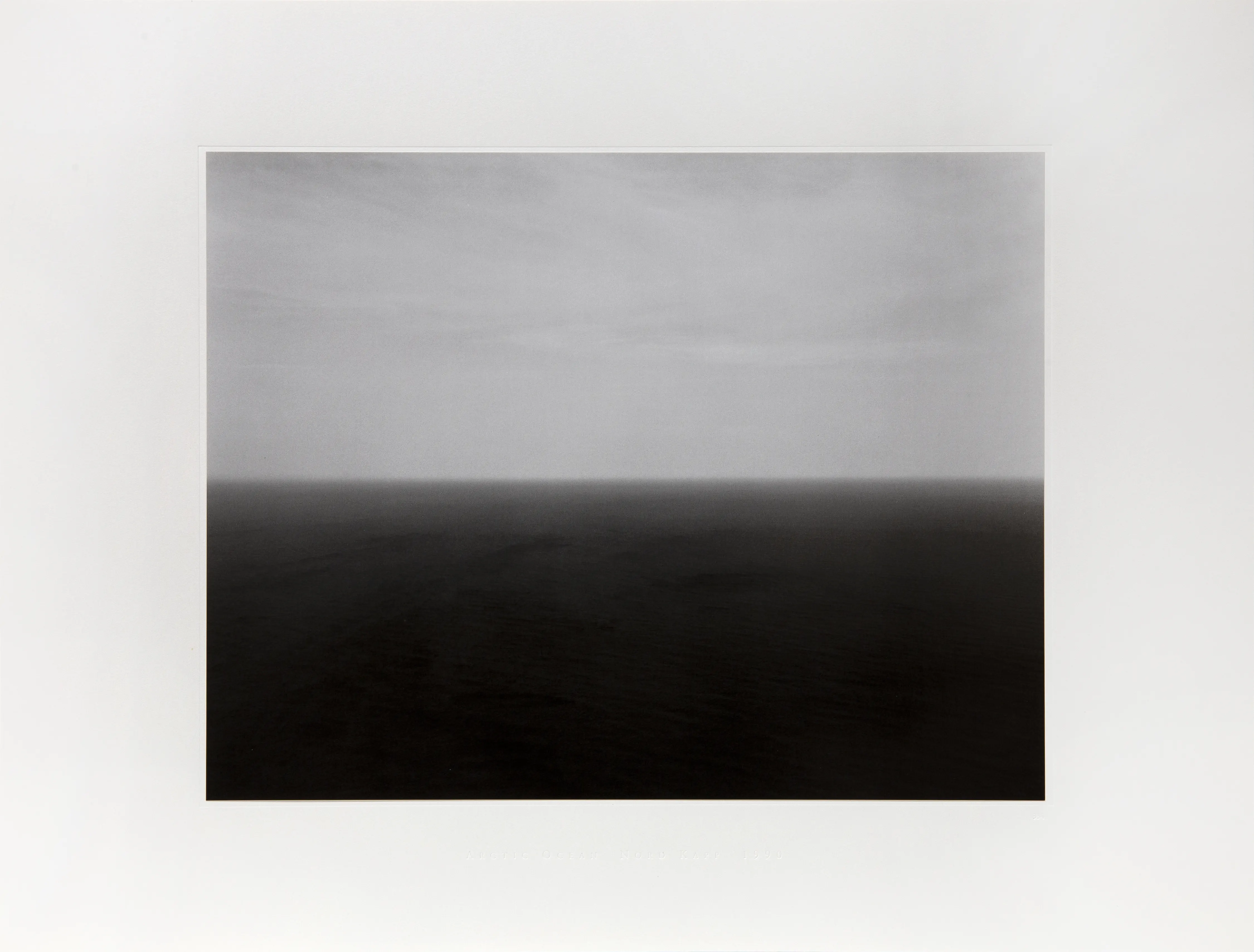
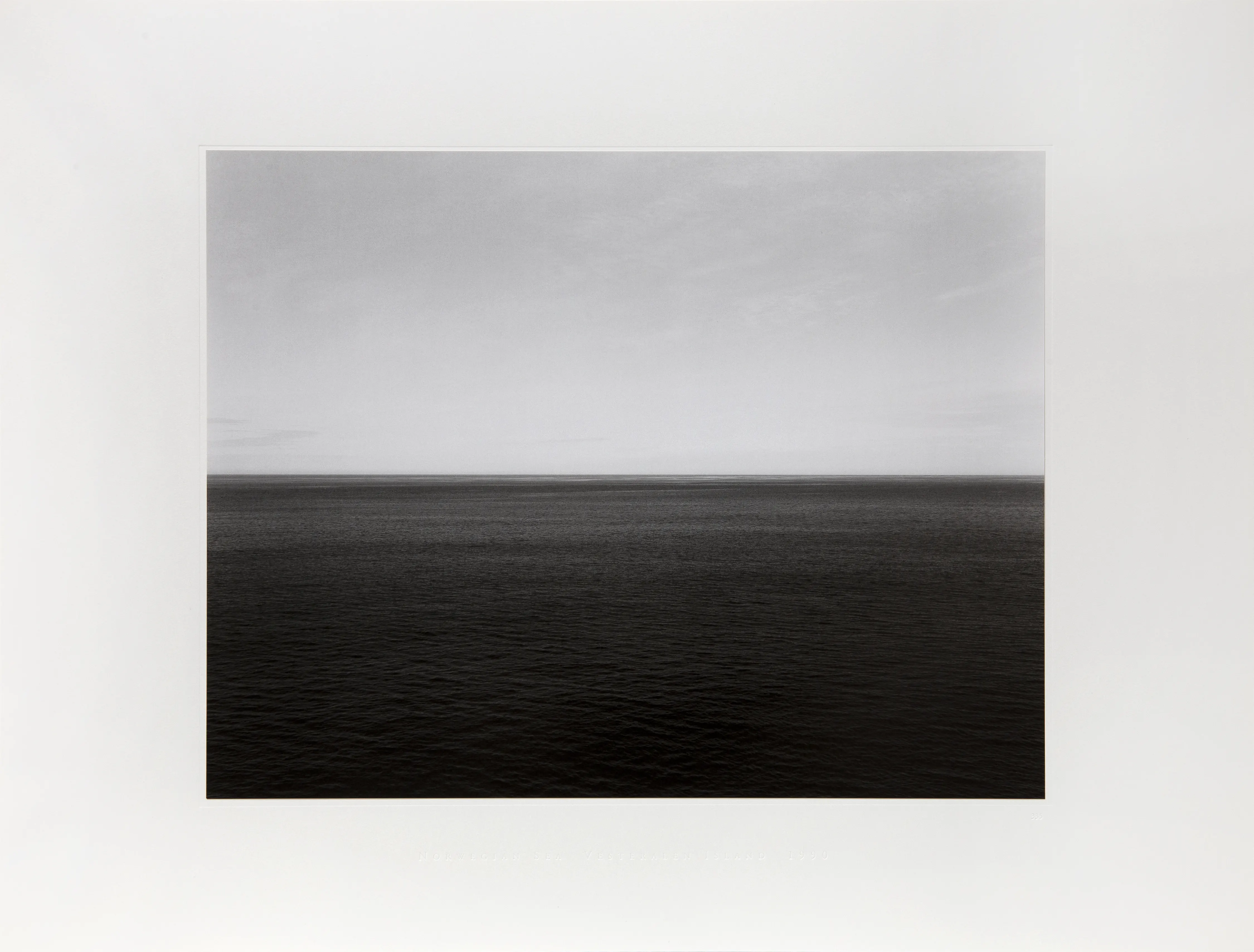
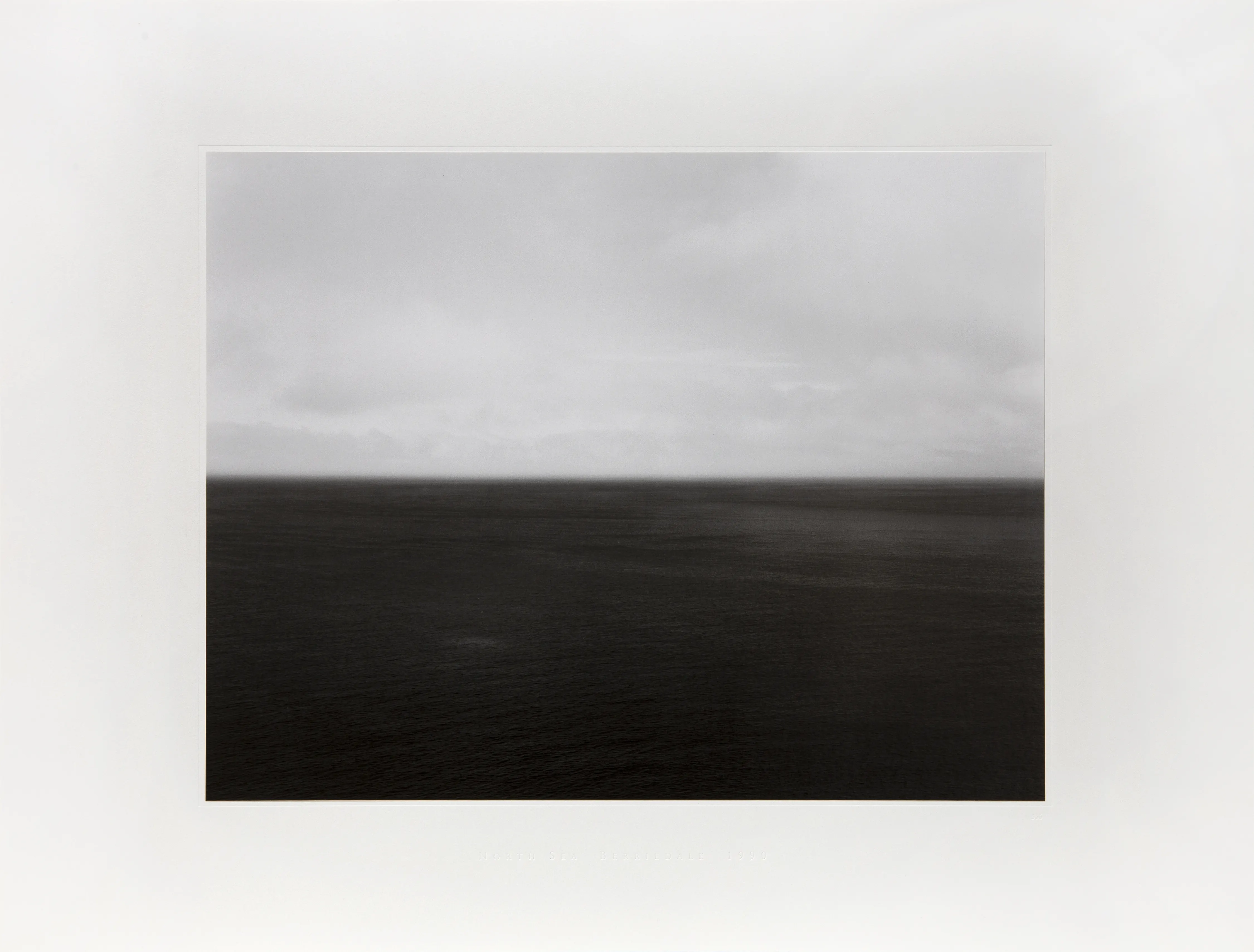
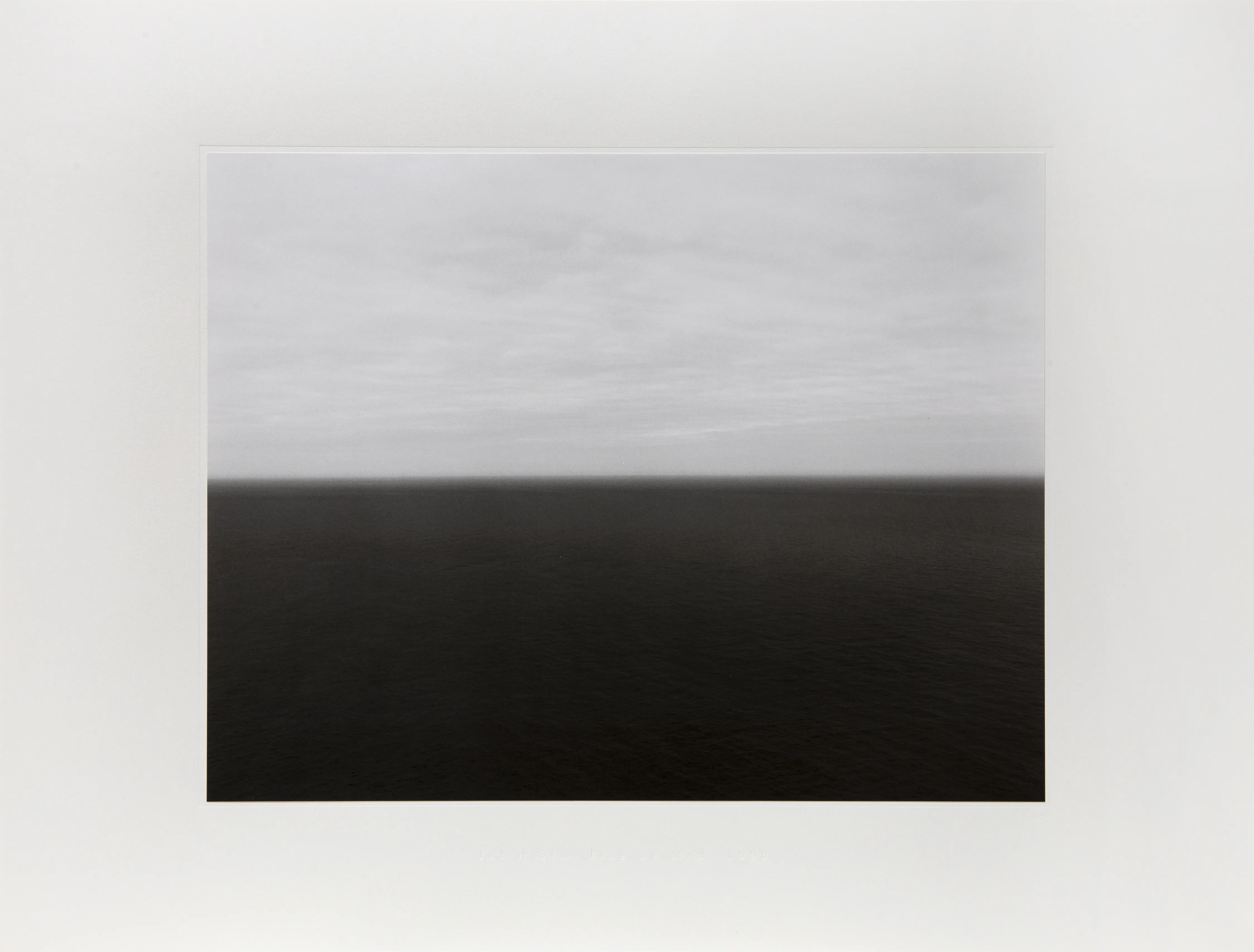
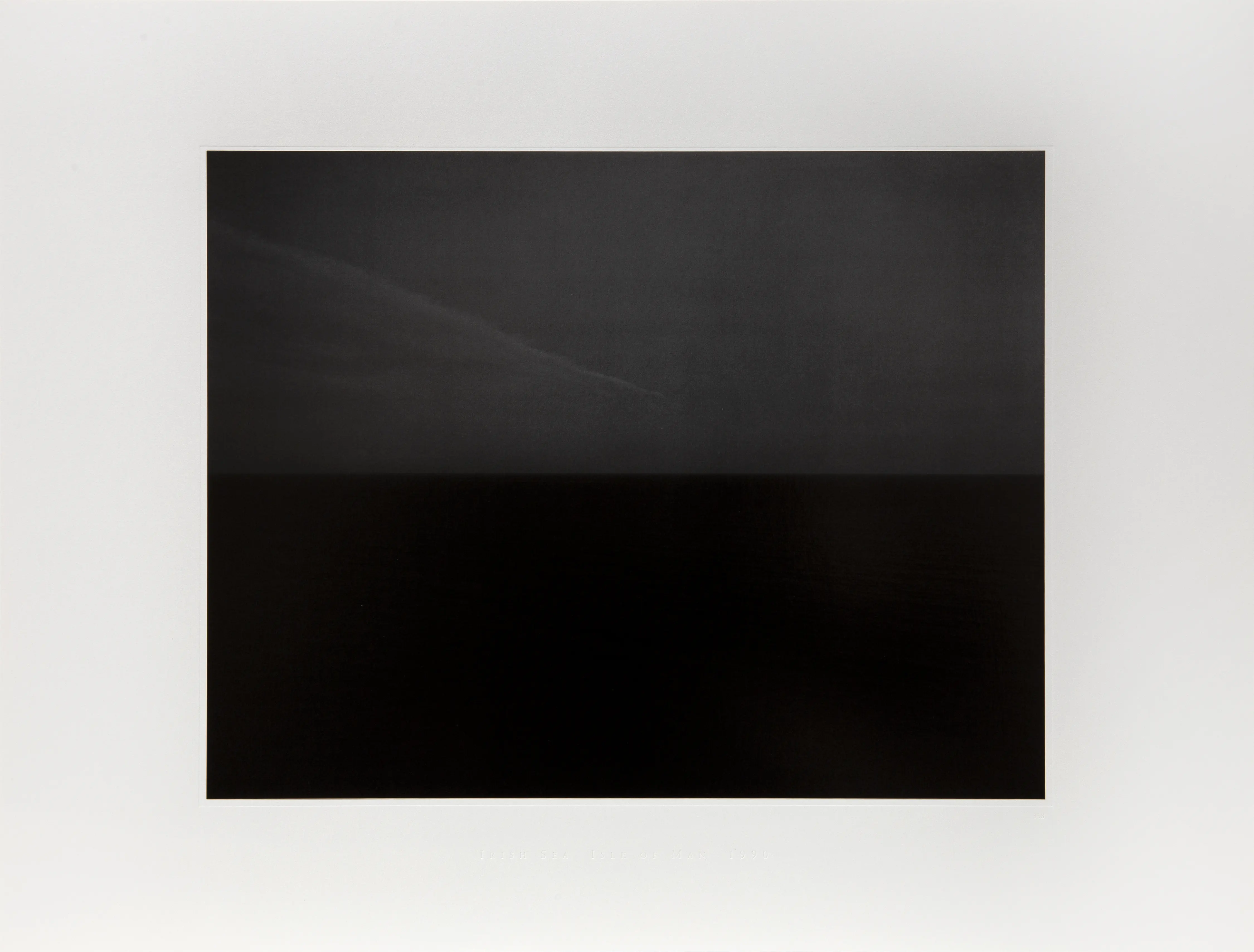
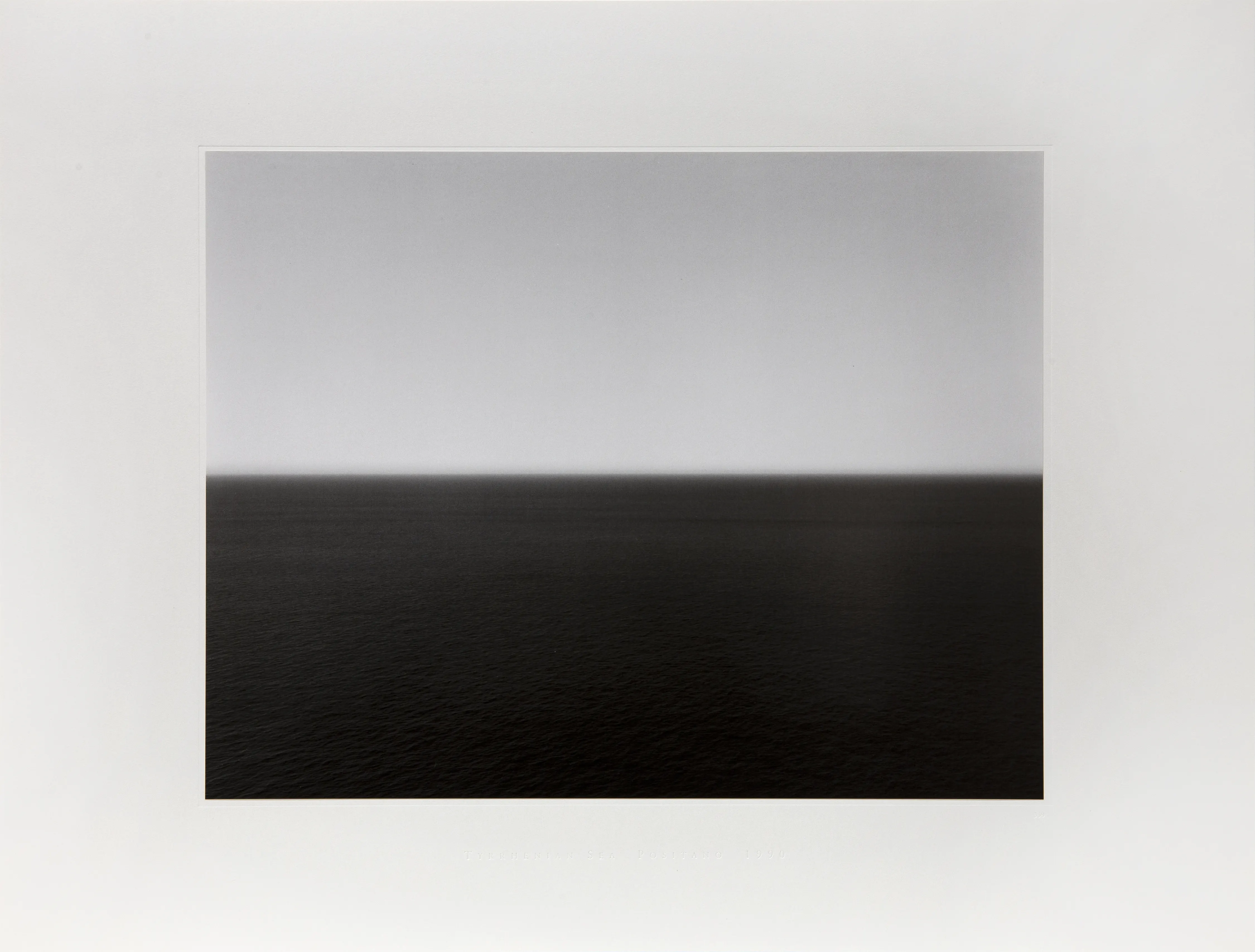
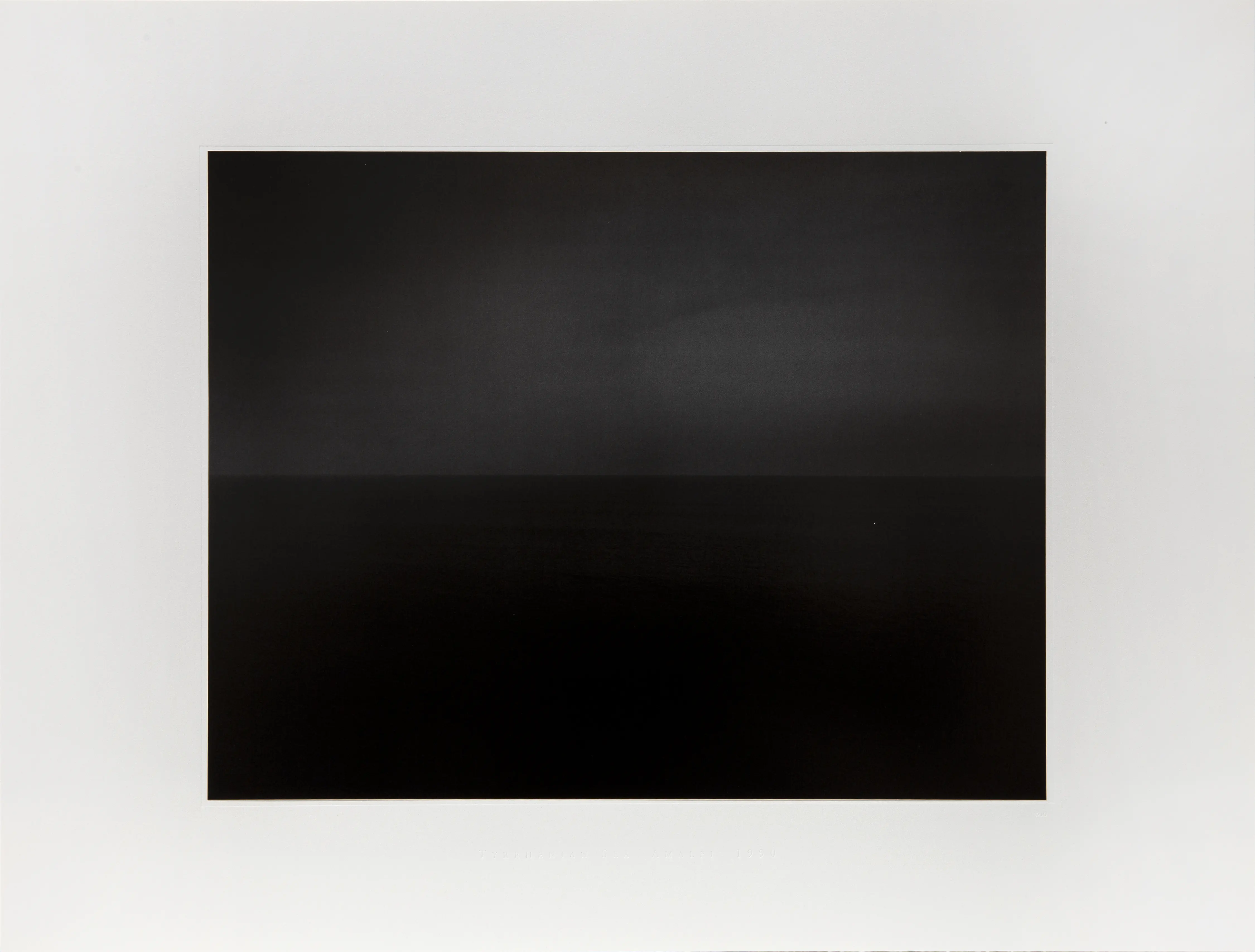
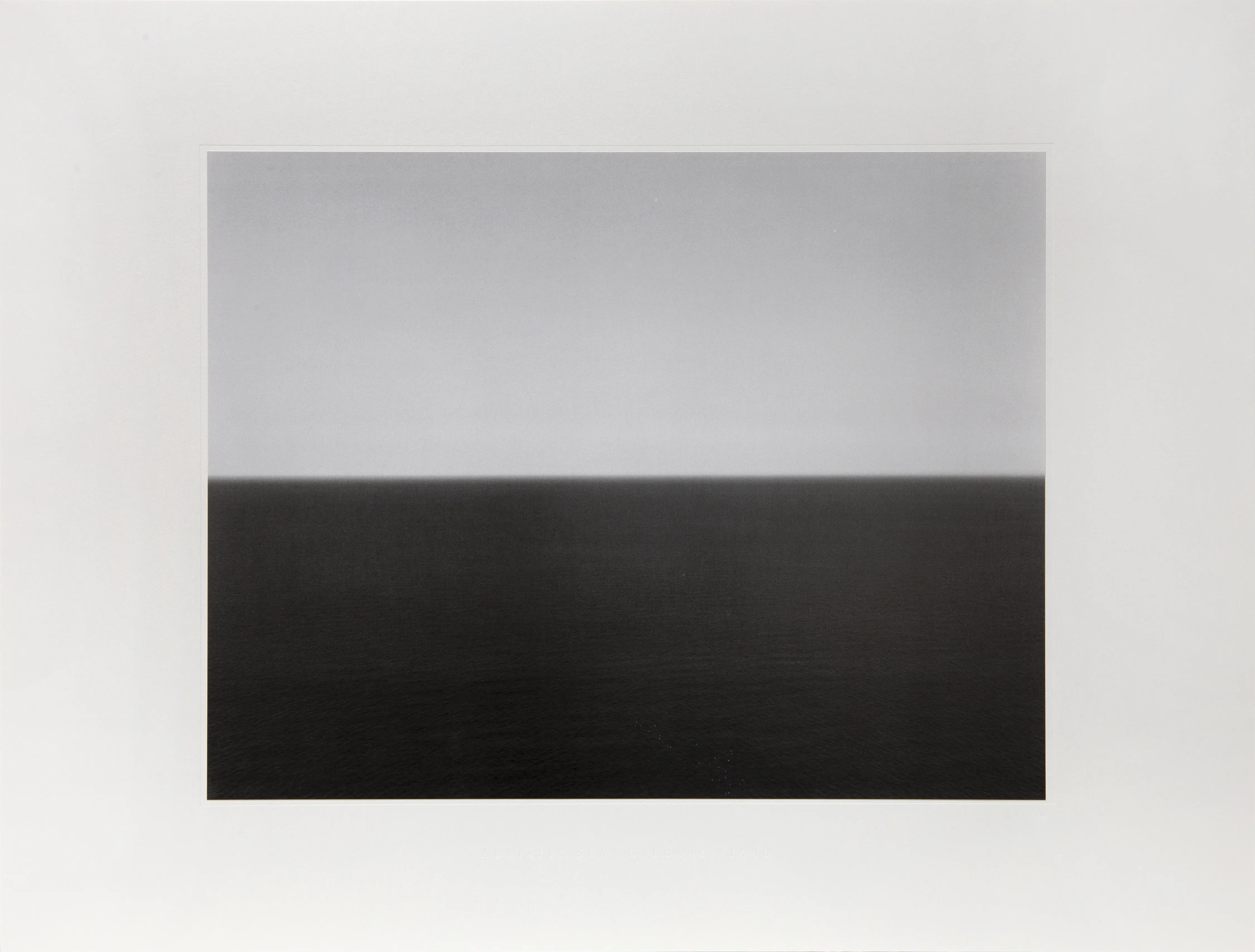
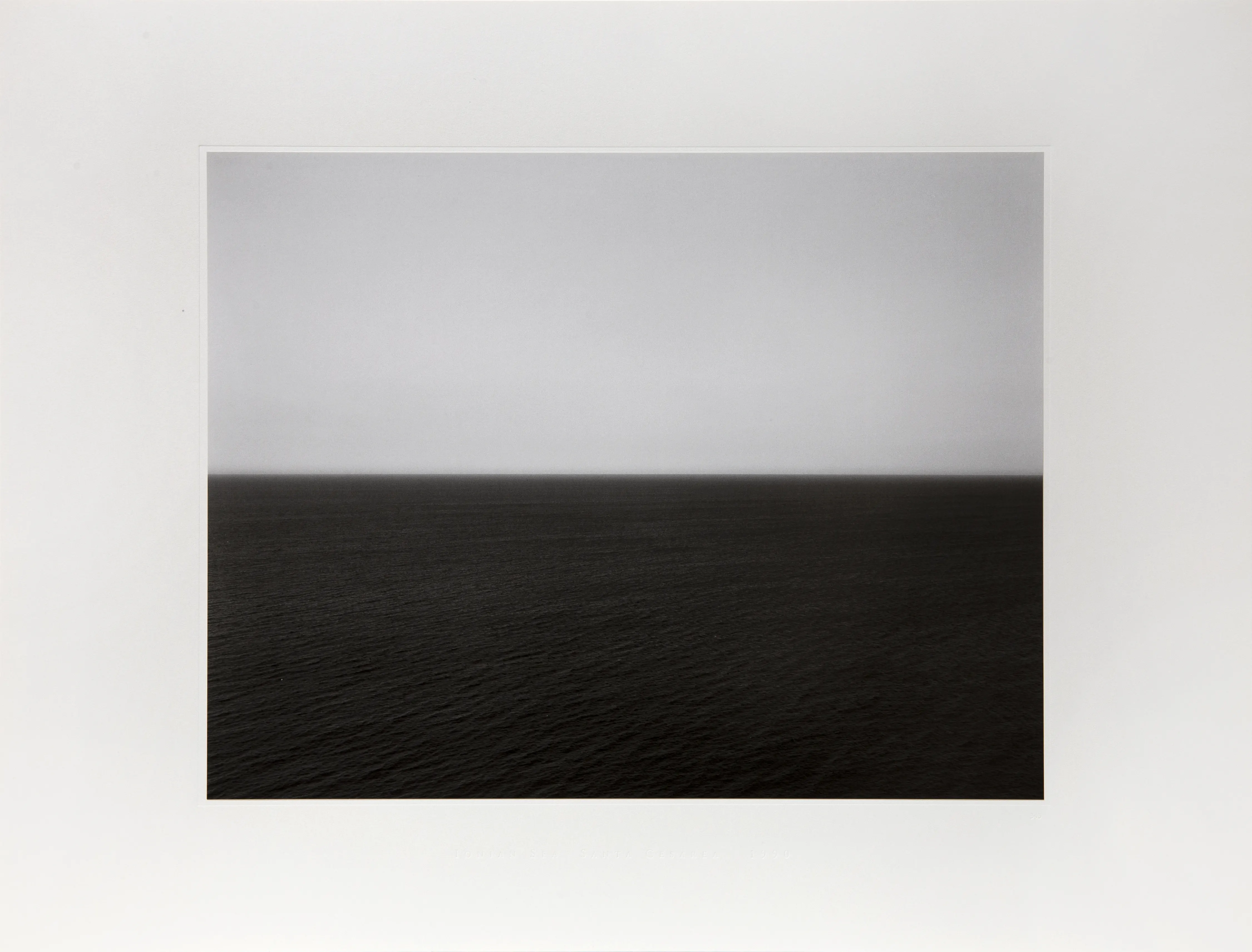
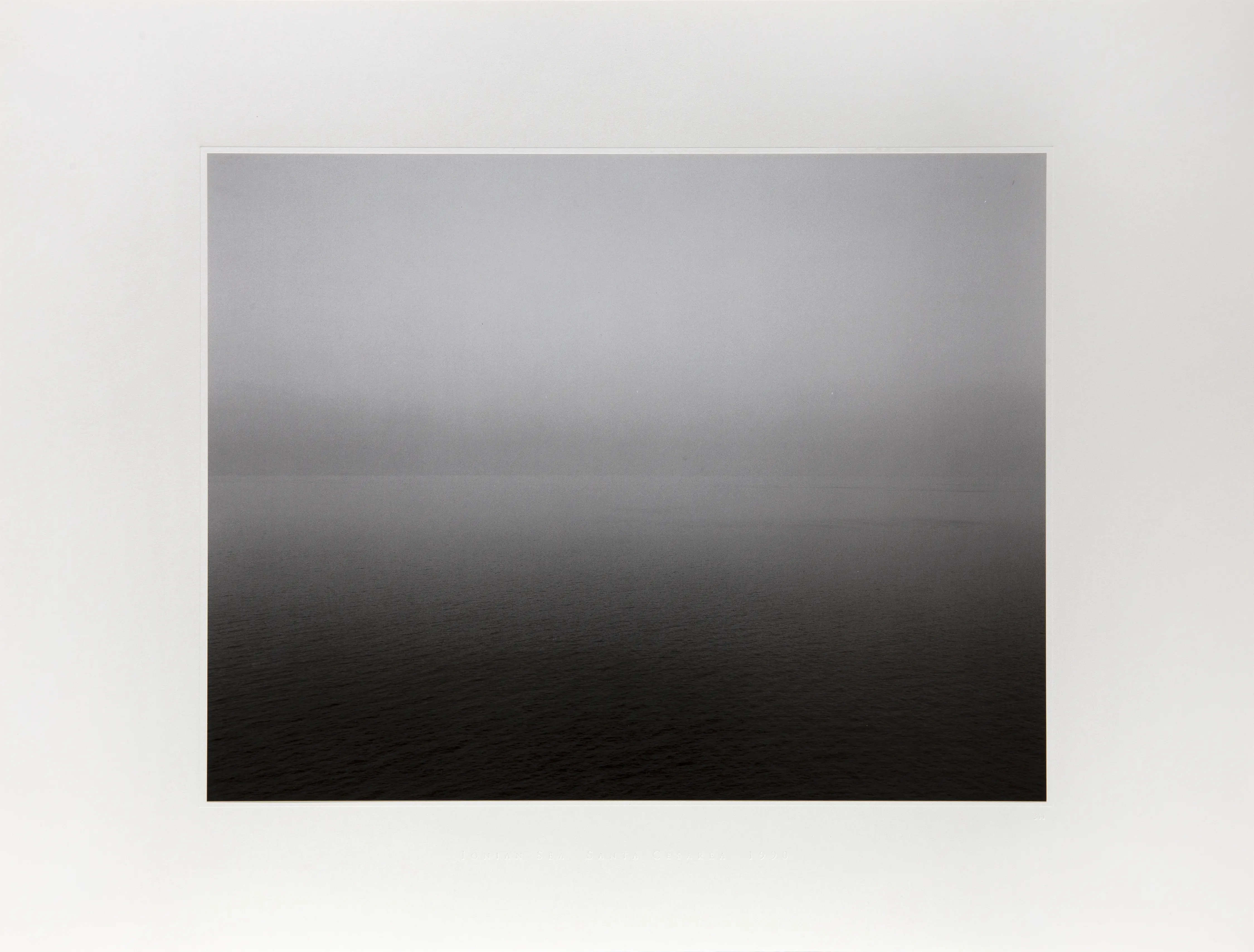
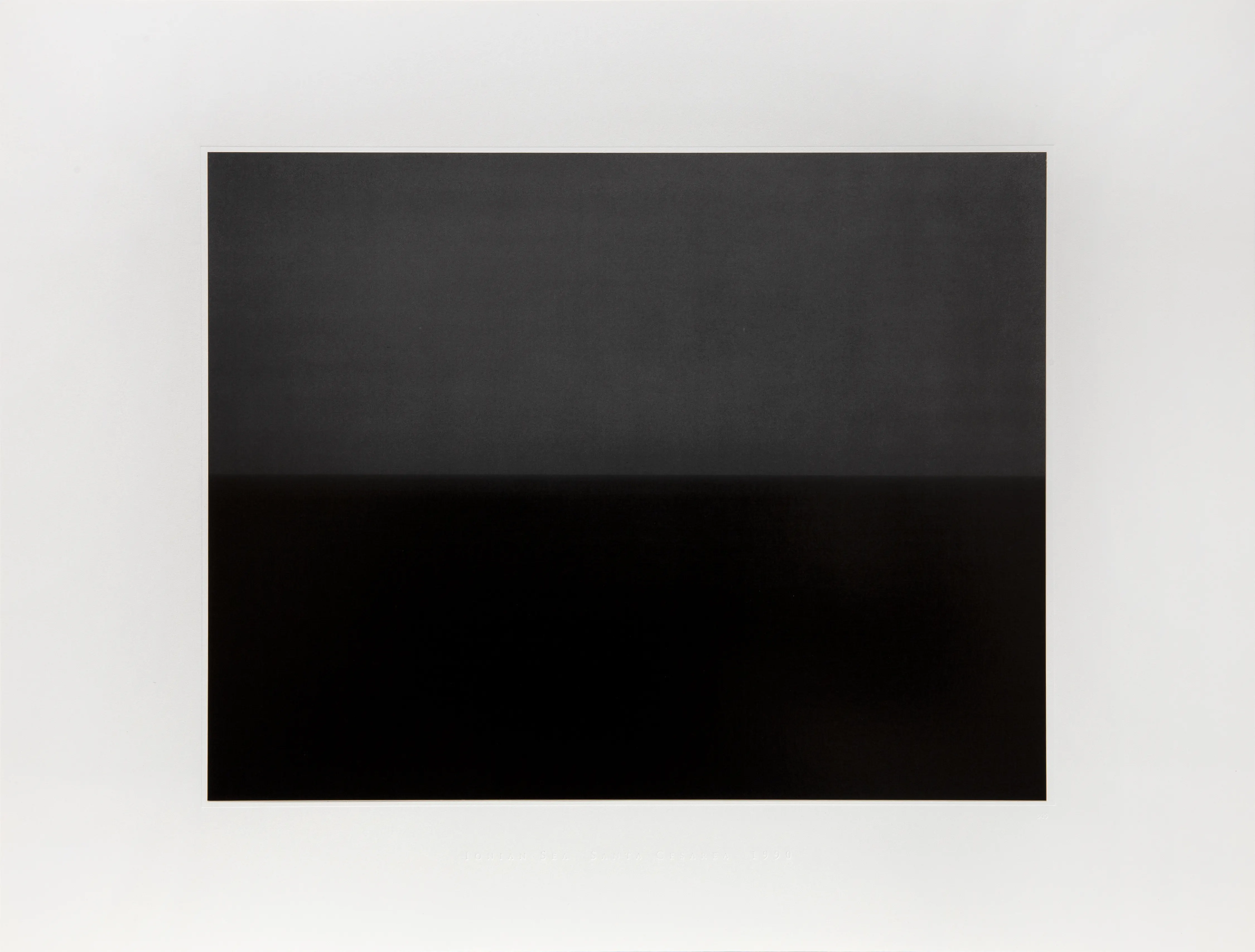
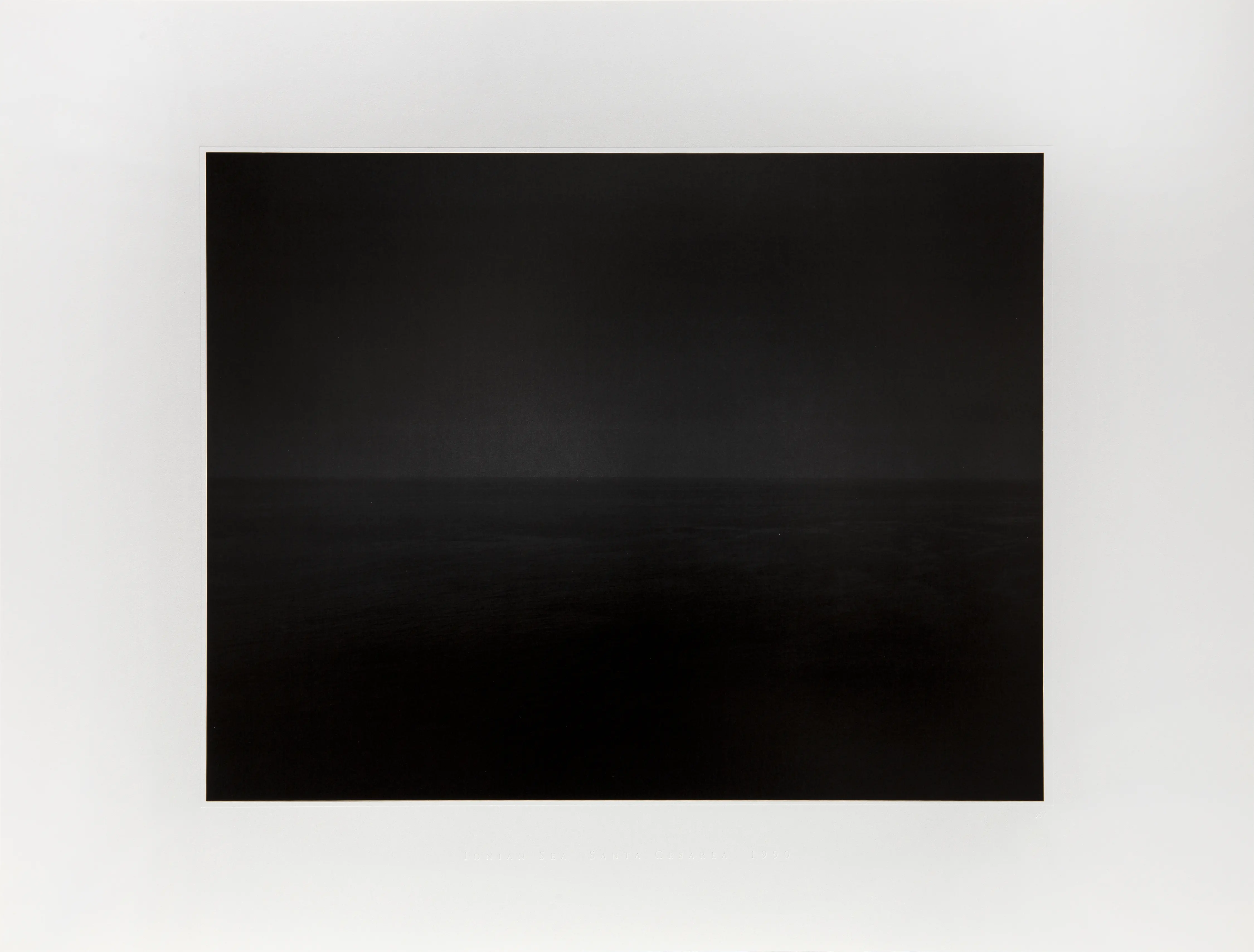
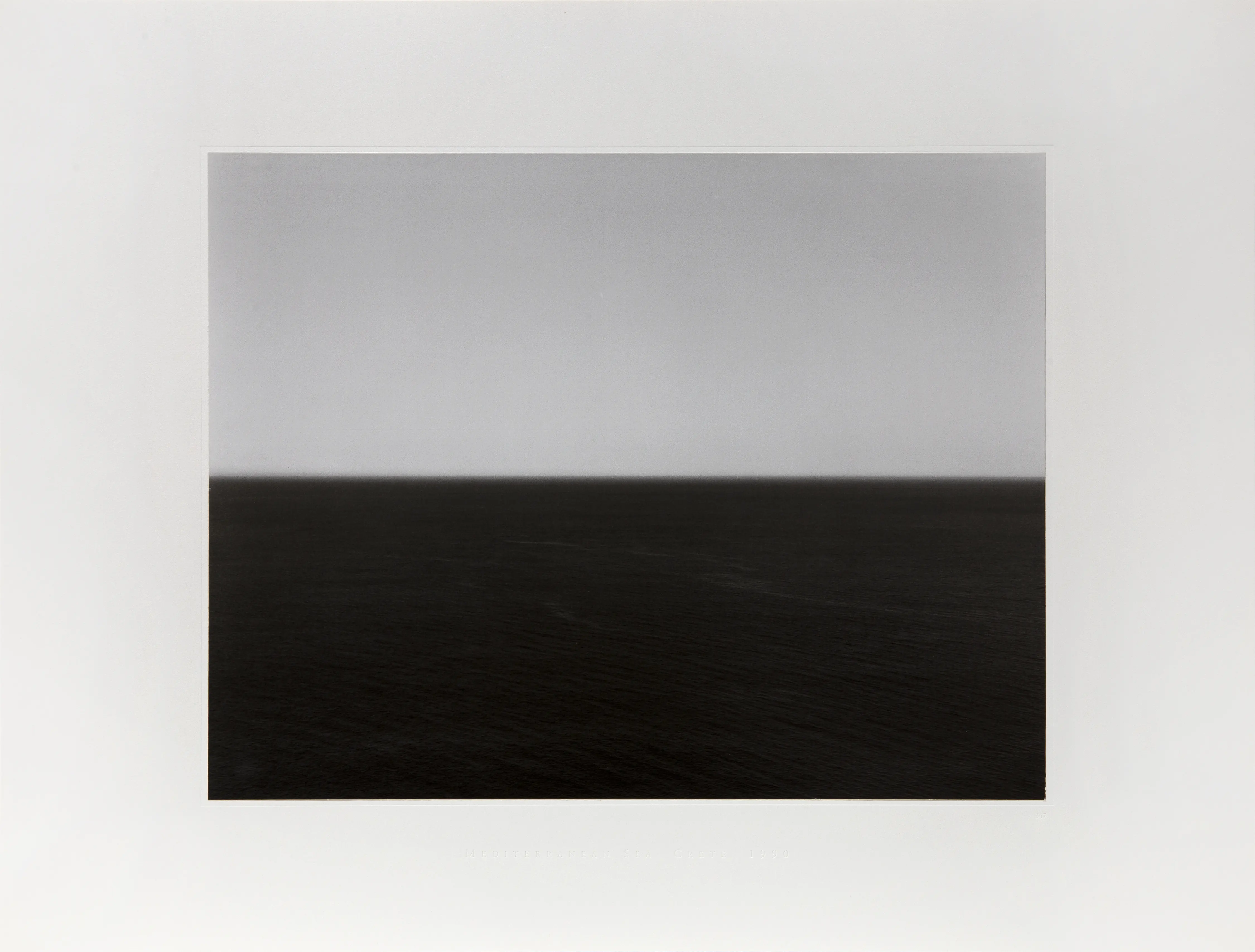
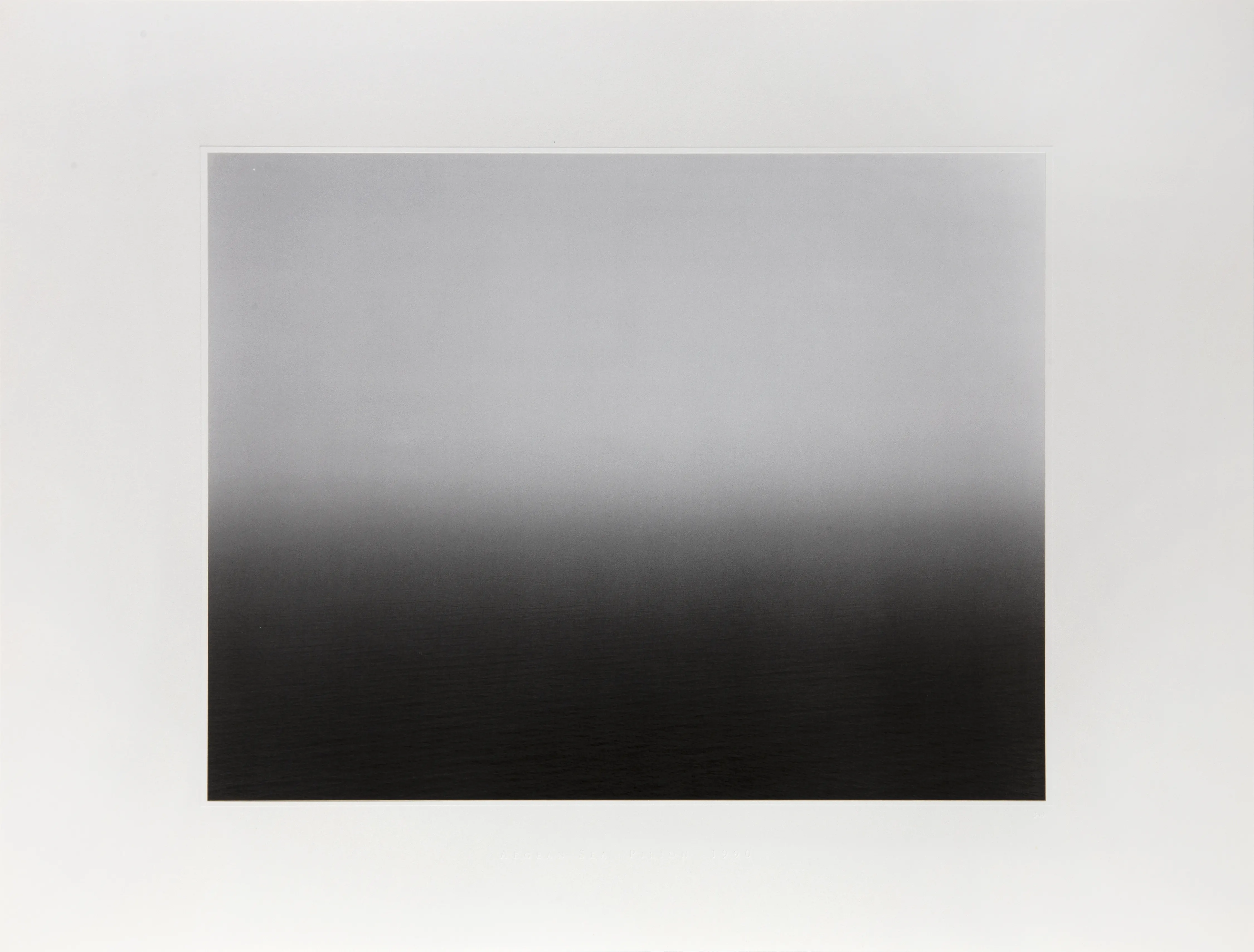
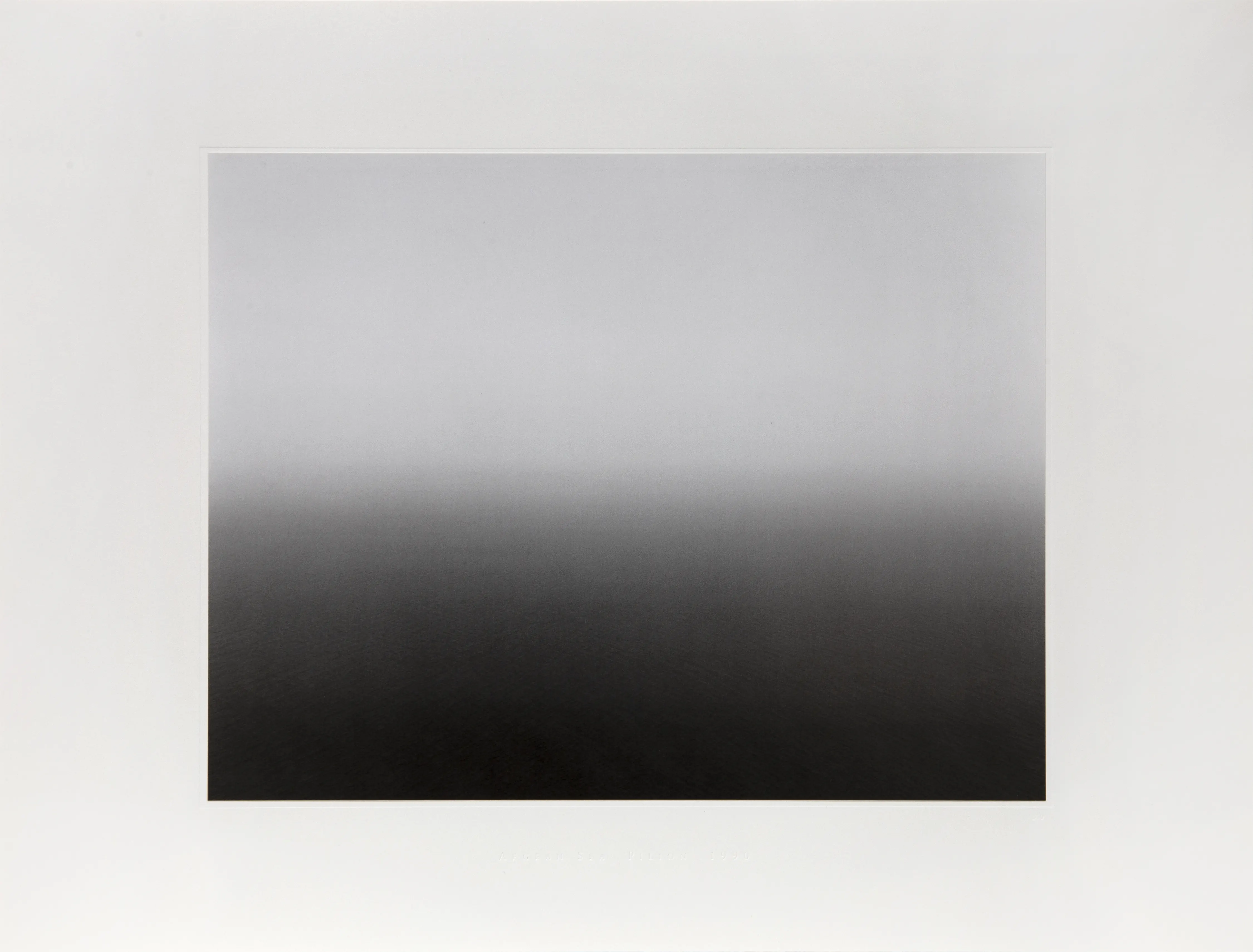
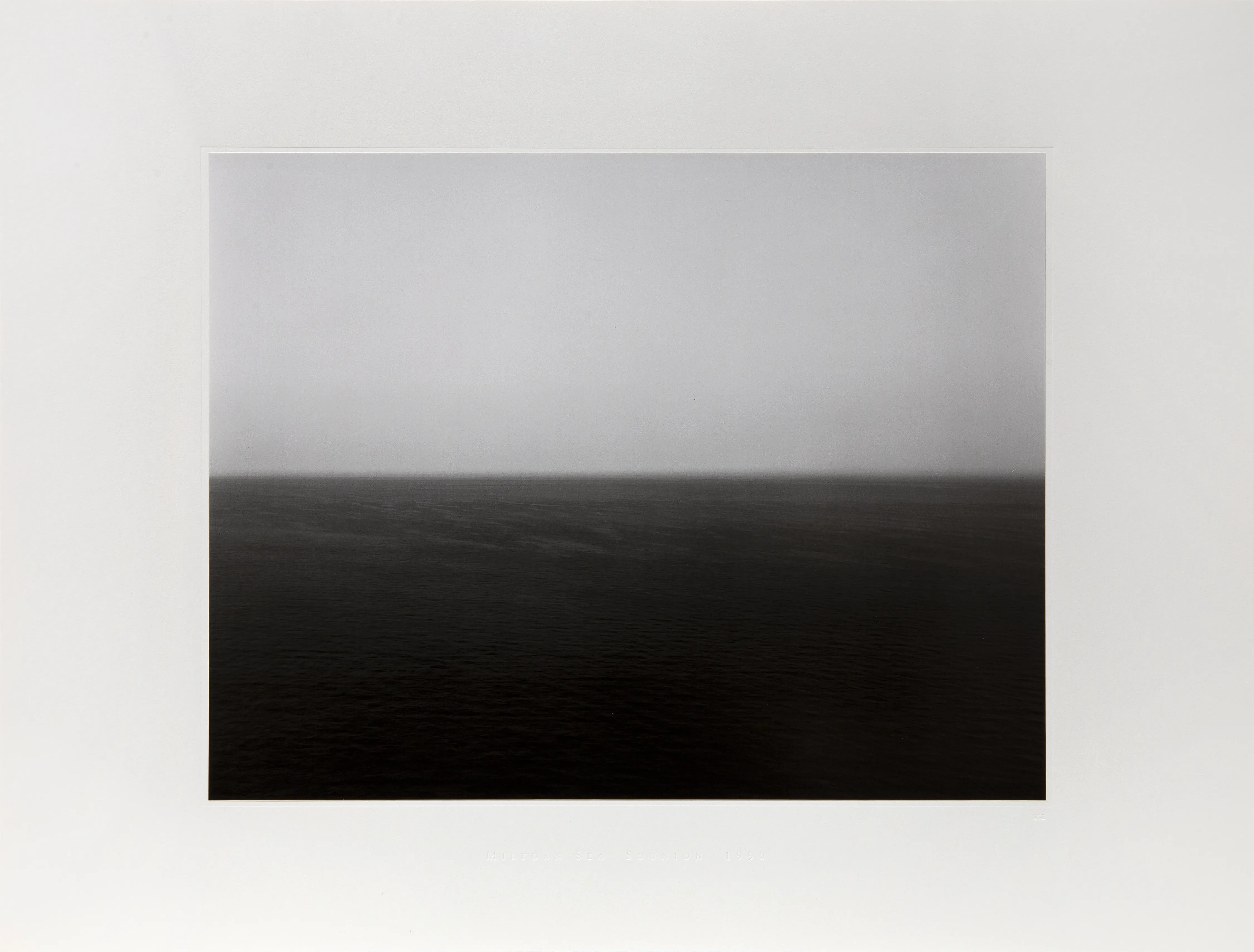
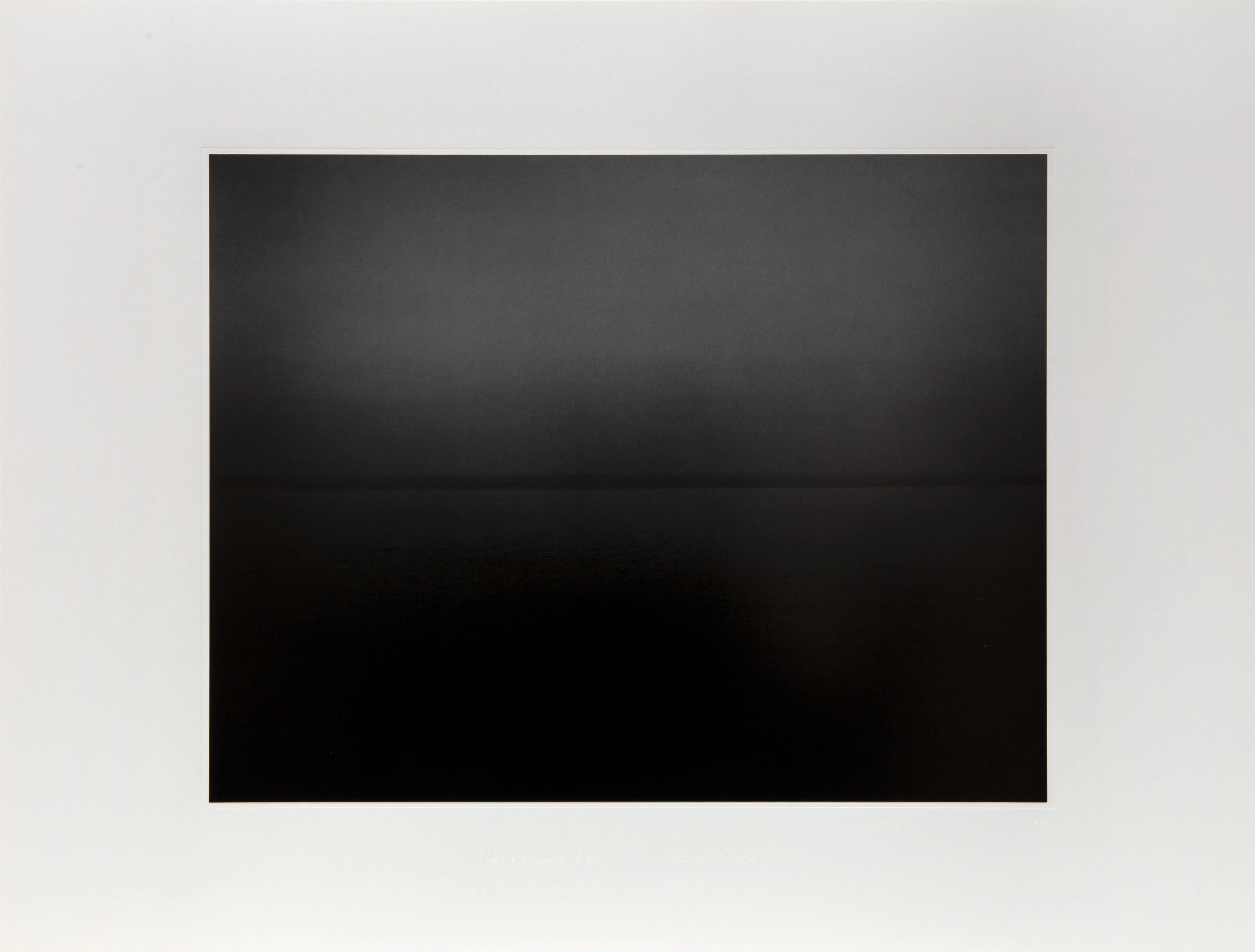
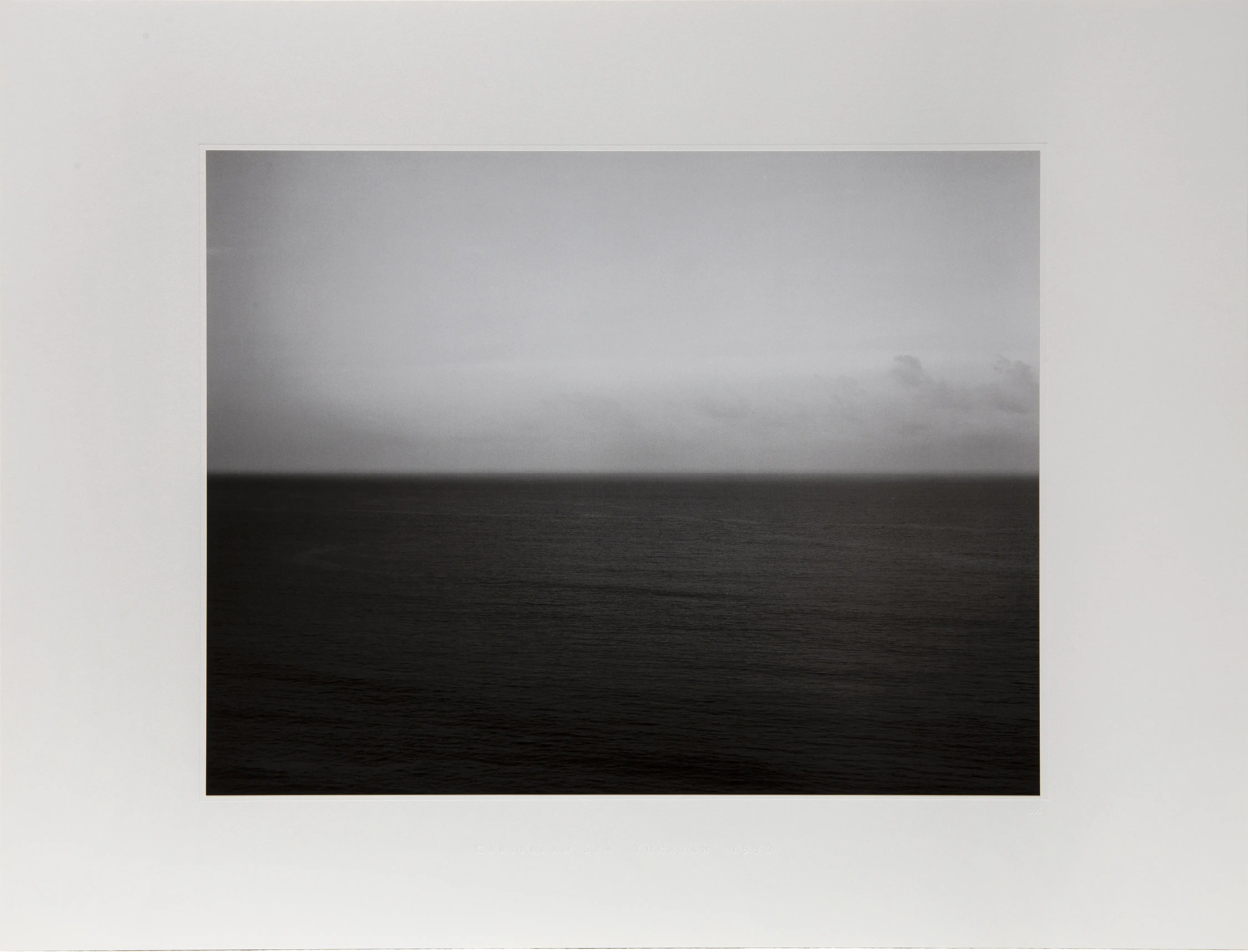
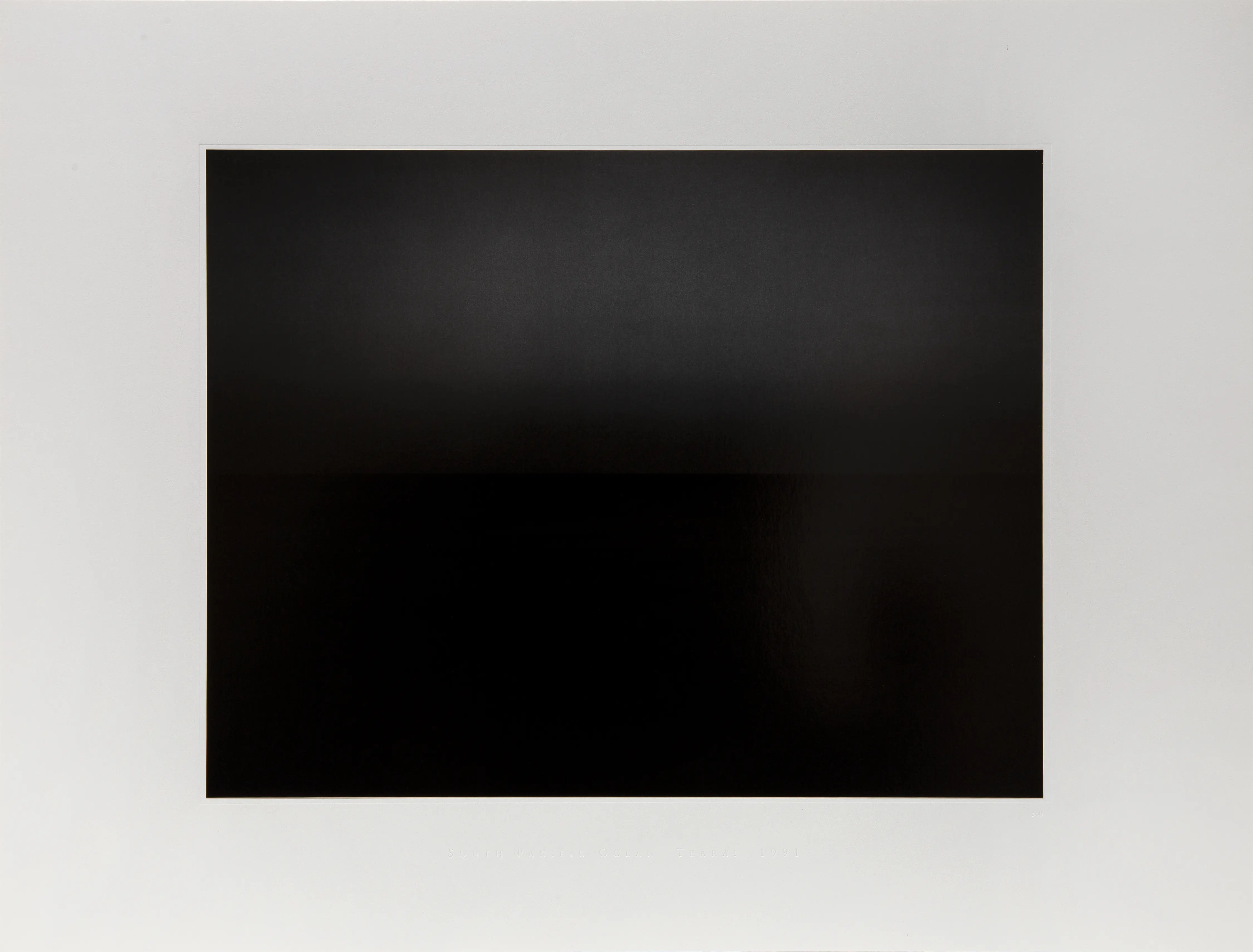
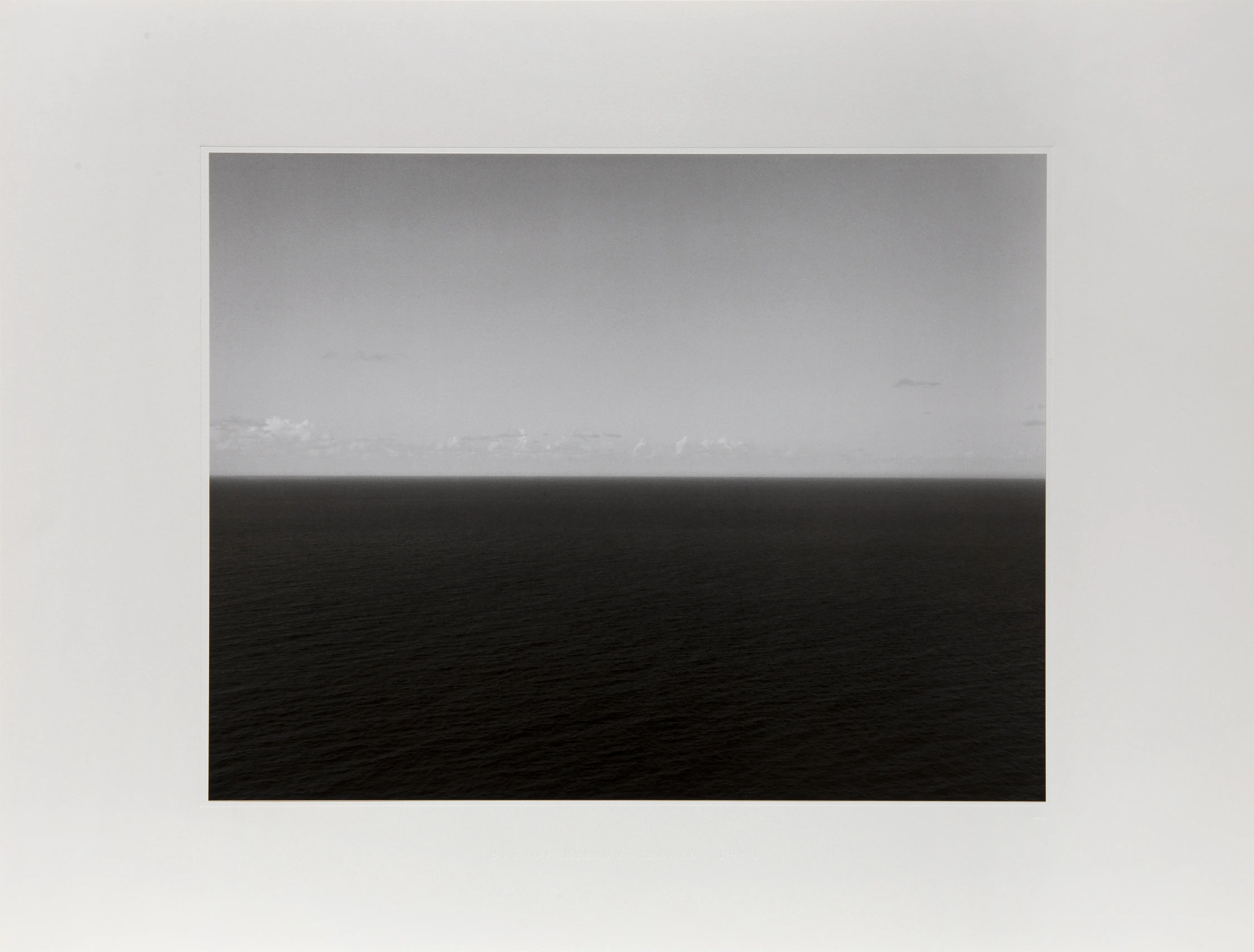
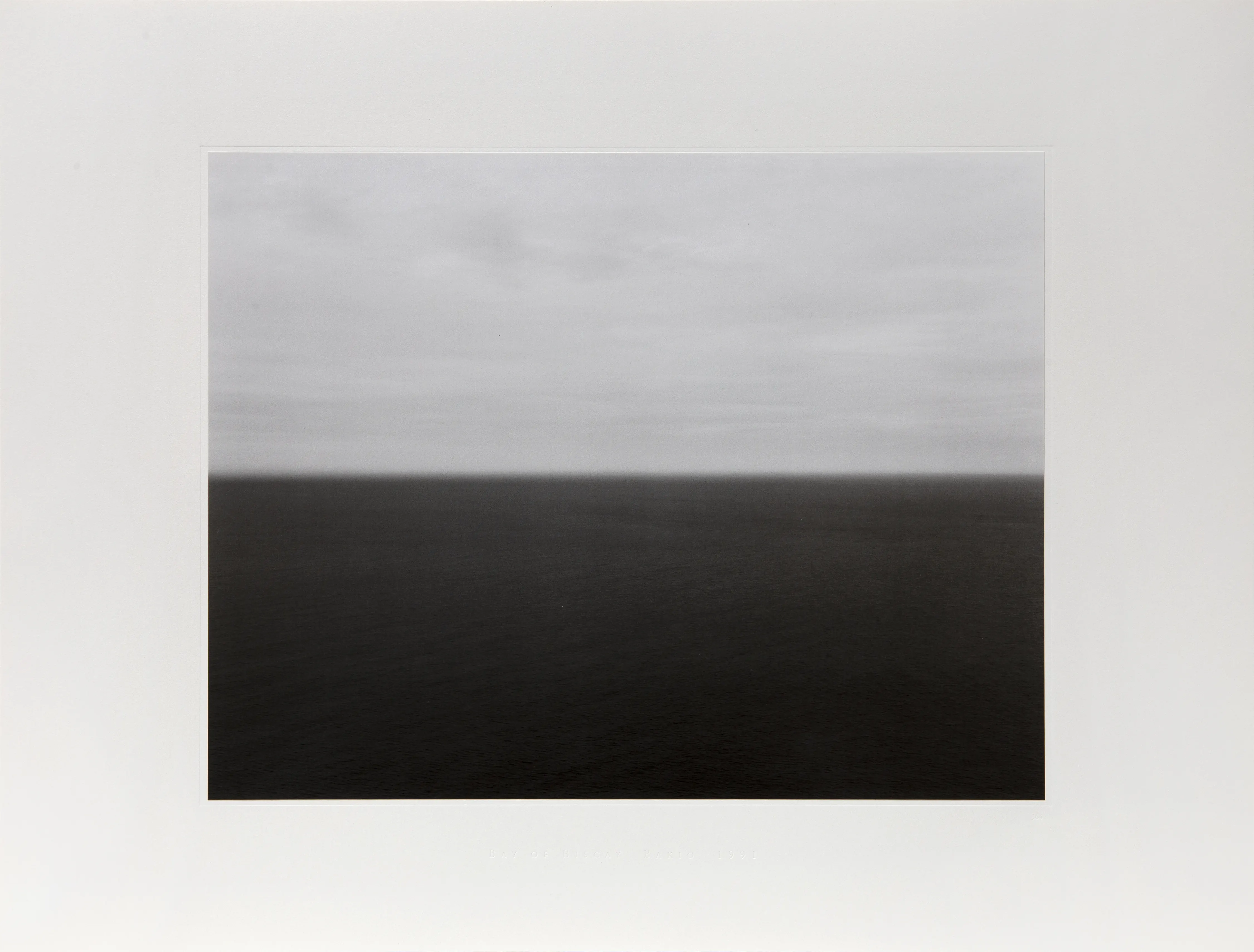
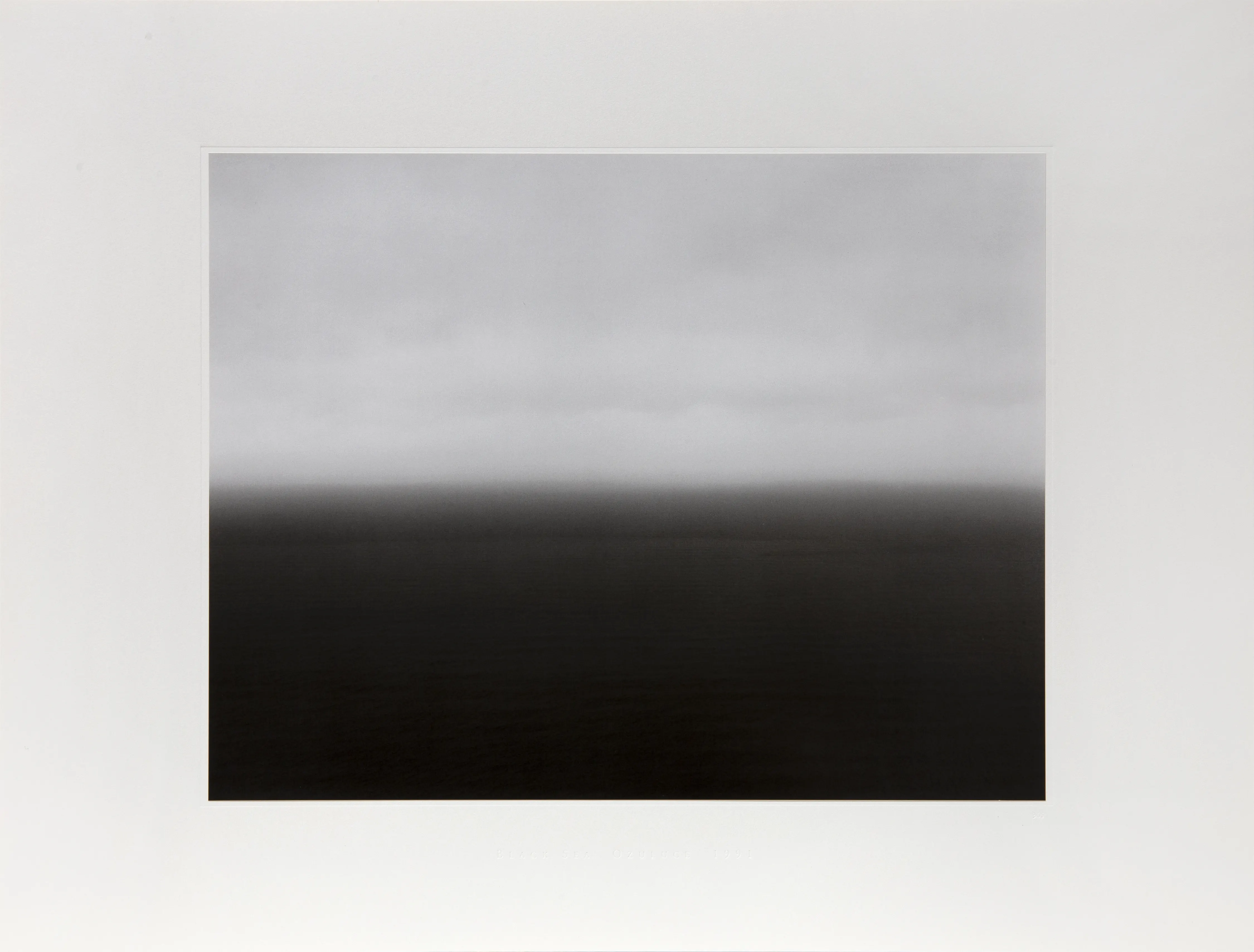
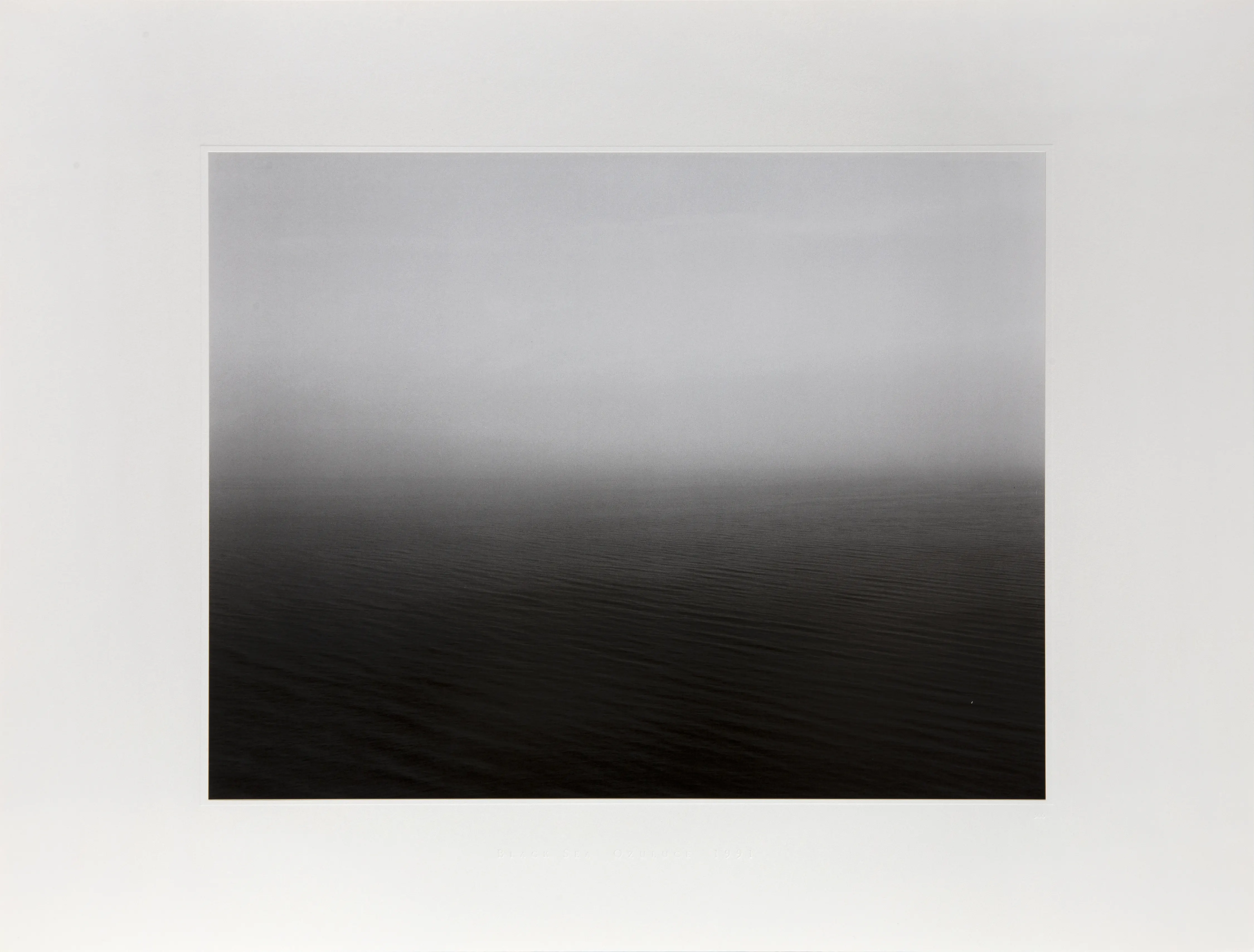
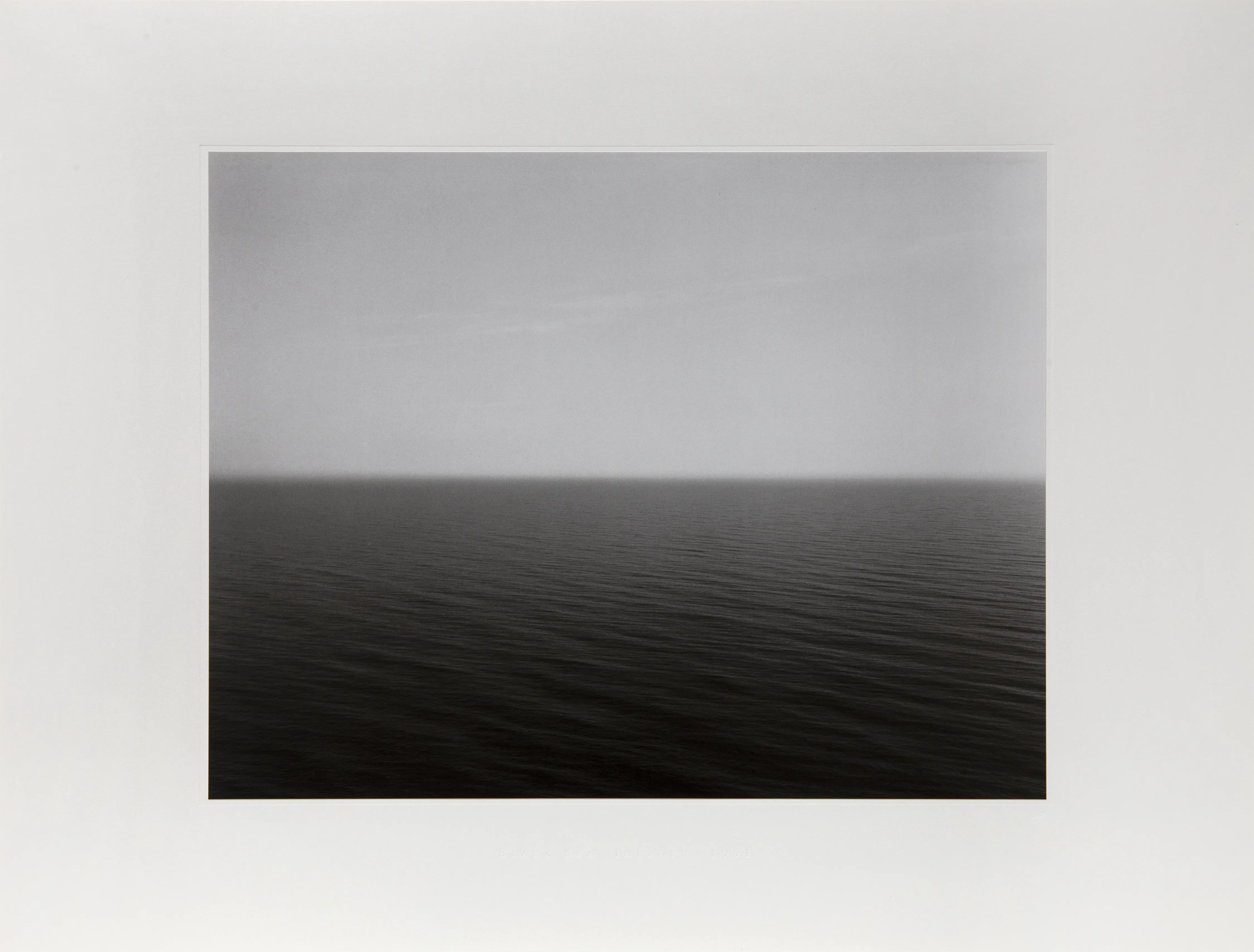
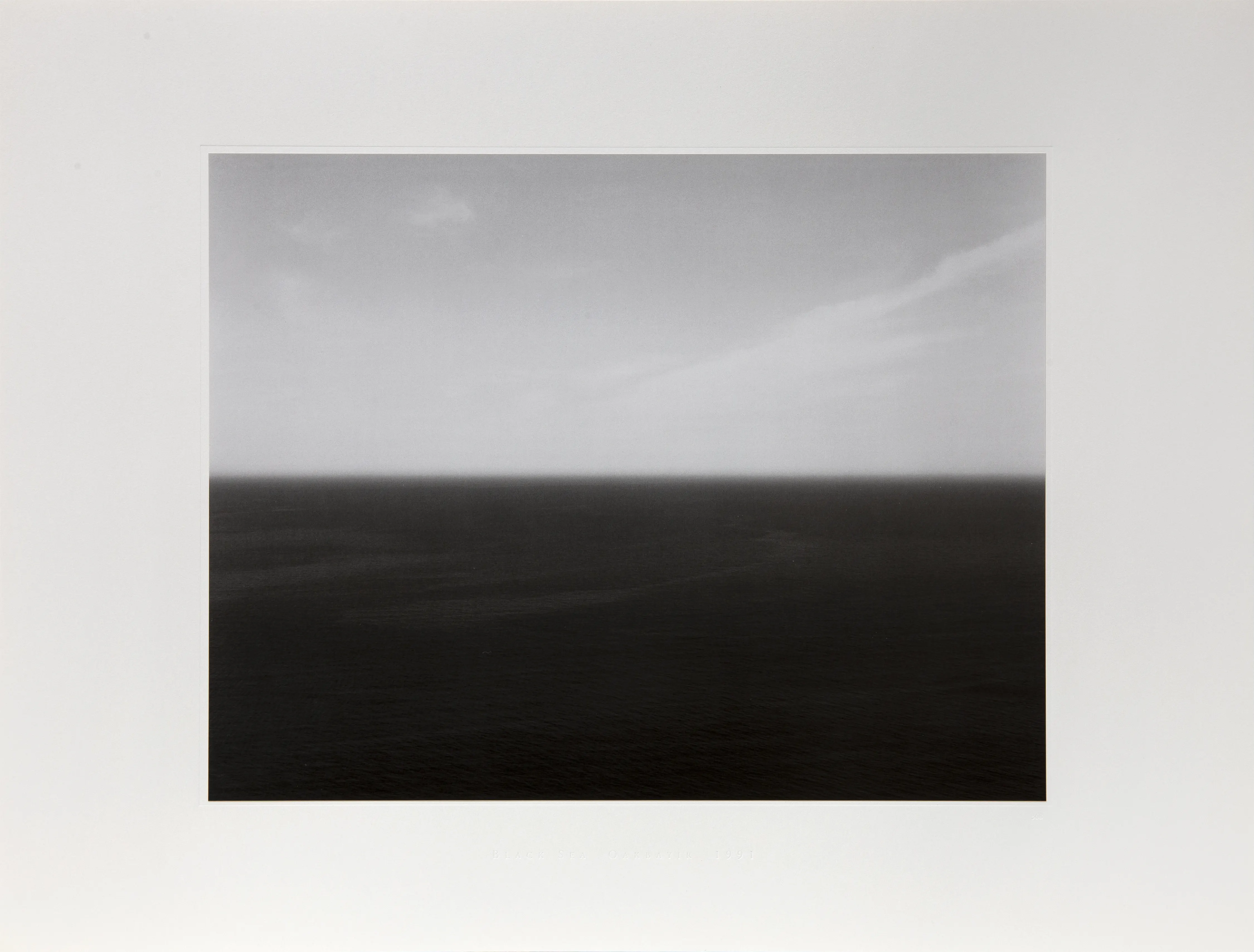
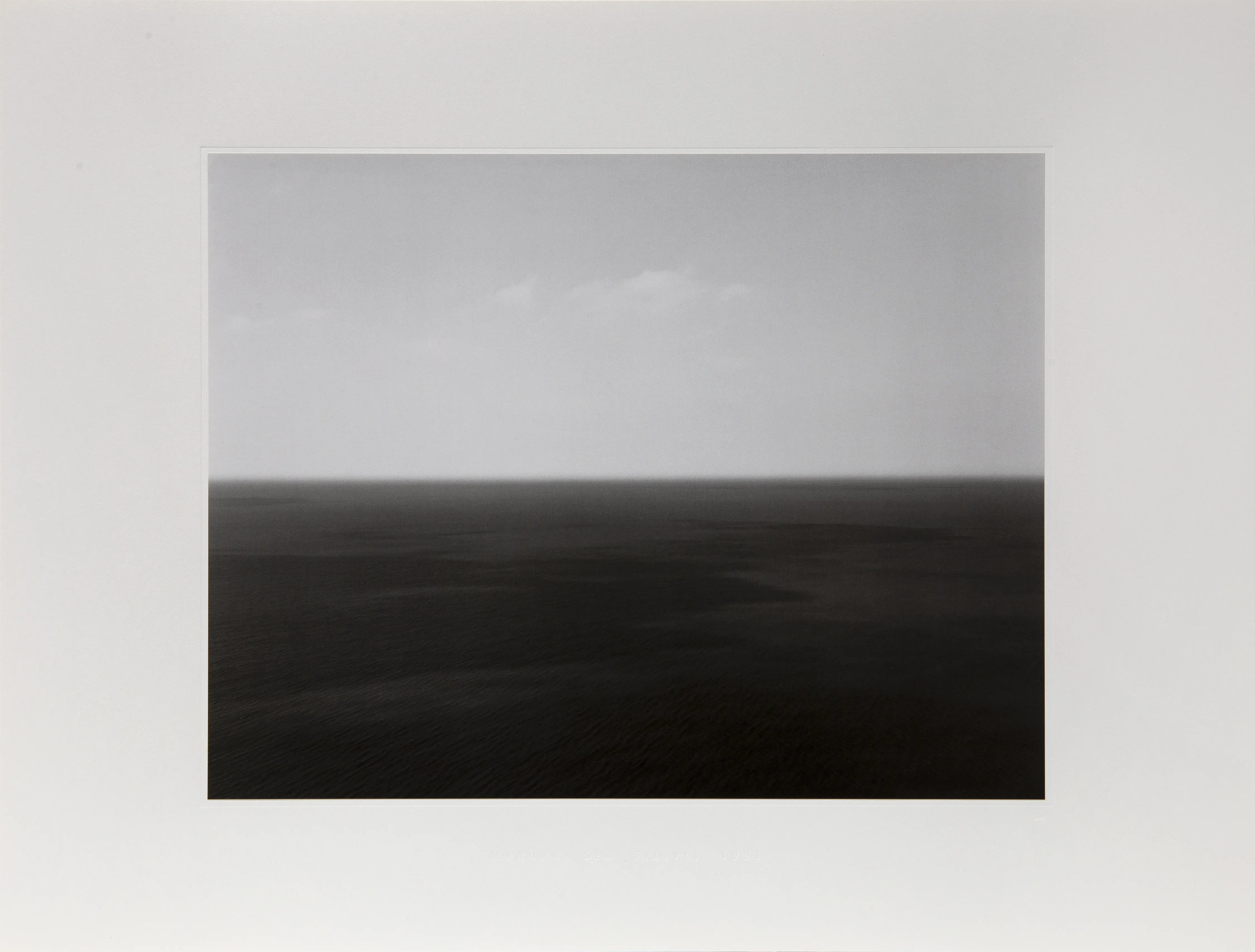
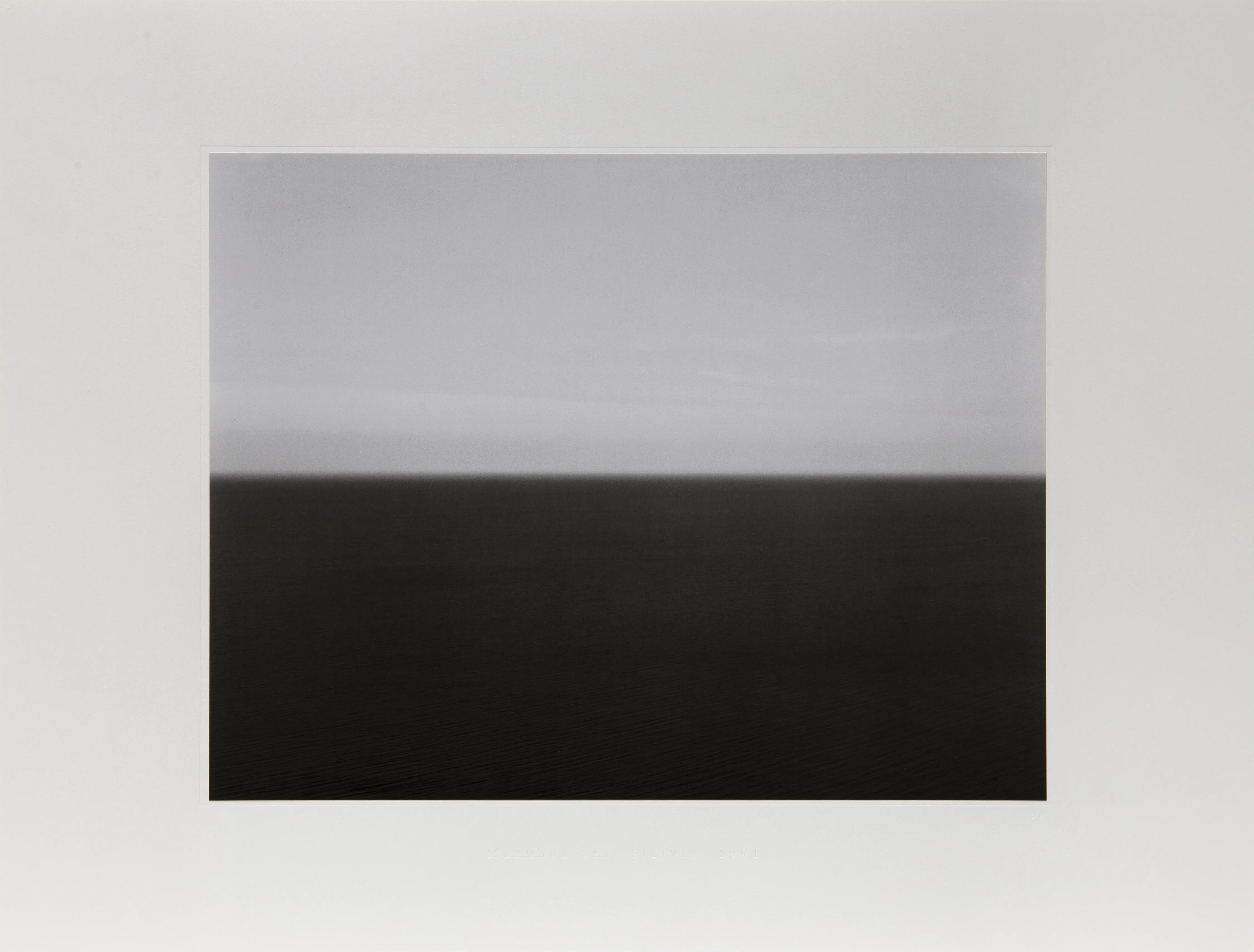
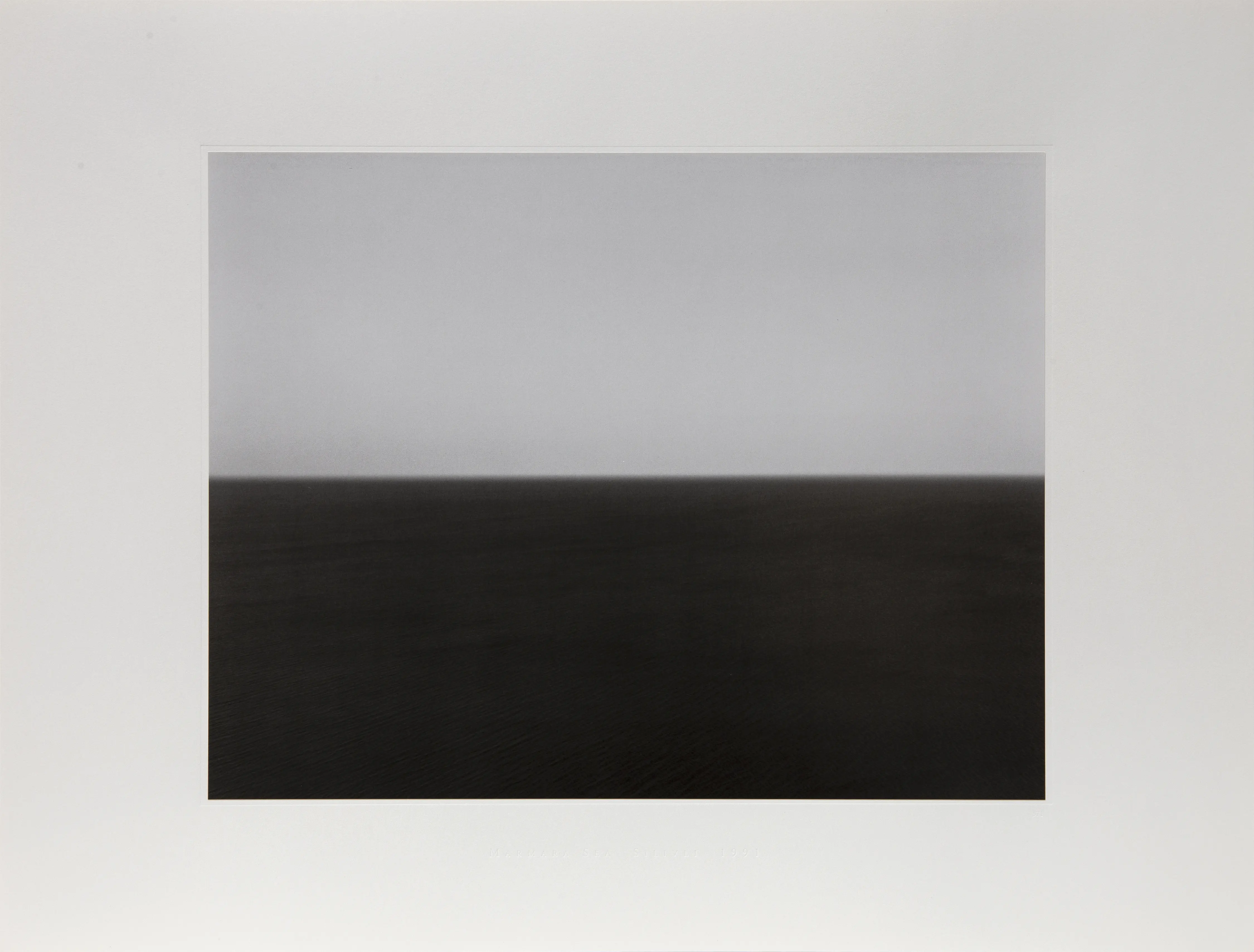
MO_Space is pleased to present Time Exposed: Hiroshi Sugimoto’s Seascapes, featuring 50 prints in mint condition from the limited-edition portfolio of photolithographs published by Kyoto Shoin in 1991. Each photolithograph is based on a black-and-white photograph taken by Sugimoto with a tripod-mounted 19th-century style box camera and developed from an eight-by-ten inch negative. Photographed from 1980 to 1991, these seascapes are recorded just “before complete darkness arrives.”
Sugimoto would sometimes wait for weeks to photograph a sea on “a clear calm day.” With the horizon line bisecting the frame that’s nearly square, the images look nearly abstract–capturing a stillness, an onyx opacity, or a mist that shrouds in mystery any sense of geolocation to portray the sea in the willful opposition of quietude to the visual roar of Hokusai’s giant wave.
Devoid of color, the bottom band being water and the top band being sky are visually exquisite in their grayscale range that seems infinite in depth, intensity, or subtlety. Each print is an ode to the horizon–crisp and distinct or barely visible, nearly lost in inky waters and inky moonless night or completely blurred in atmospheric haze. Every now and then, one spies the texture of a wave pattern on the surface of the water that can only be captured if the exposure is no longer than 1/15 of a second but even this is but an optical susurration as if the artist were resolute to eschew the romantic cliché or the panoramic sweep of the roiling waters of a seascape.
It is interesting that the impetus for the series was a curiosity about a view that continues to exist for us as it might have to a primitive man–before a word was formed to name the immutable sea. And yet the series of blocks of bands of black and gray and white have more kinship with the Minimalist canvases of Ad Reinhardt and Mark Rothko or the neutral boxes and wall relief objects of Donald Judd. The sublime in Sugimoto’s serial prints of the sea is in the infinite variety of aching stillness. Within frames that are nearly square. Taken by a box camera–a device that may be more than a century old but nonetheless decidedly of the industrial age. Is it the view from ancient times or the view that is decidedly his? He who stated, “I feel like I become a camera. My mind is a black box.”
The secrets of the immutable sea seem obdurately mute in these monochromes–as if in hauling his box camera to remote places across the globe, finding the perfect perch from which to frame the horizon line dead center, waiting for astronomical twilight when the sun has dipped 18 degrees below the horizon, and clicking the shutter just before the last faint echo of light disappears, he compresses the ferocity and the velocity of the open water to distill deep time in modernist bricks of black, ash, and bone.
________
The Time Exposed portfolio is an edition of 500. It is in collections such as the Metropolitan Museum of Art and the Museum of Modern Art in New York, Tate Modern in London, Centre Georges Pompidou in Paris, and the National Museum of Modern Art and the Museum of Contemporary Art in Tokyo.

About the Artist
About the Artists
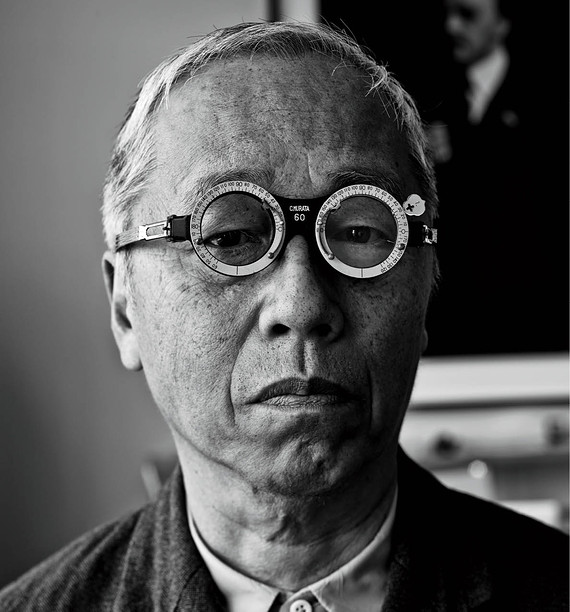
Hiroshi Sugimoto (b. 1948, Tokyo, Japan) is a Japanese photographer whose realisticimages of intangible or impossible phenomena challenged the understanding ofphotography as an “objective” art form.
Sugimoto received aB.A. in sociology and politics from St. Paul’s University in Tokyo in 1970. In1972 he obtained a B.F.A. in photography from the Art Center College of Designin Los Angeles, remaining in California after he received his degree. He movedto New York City in 1974, and in 1976 he conceived his first body of work,Dioramas. Photographing exhibits inside natural history museums, Sugimoto’simages brought to life extinct creatures and prehistoric situations. Thephotographs took on a sense of authenticity that the museum dioramas themselvesdid not possess. In his next series, Theaters, begun in 1978, he photographedmovie theatres and drive-ins with an exposure the length of the film’sduration. All that appeared visible in the photographs was the luminescentrectangular screen in the centre of the theatre and the surroundingarchitectural details.
Sugimoto receivedthe International Center of Photography’s Infinity Award in 1999 and theHasselblad Foundation International Award in Photography in 2001. The latterhonour, accompanied by a retrospective exhibition of his work at the HasselbladCenter in the Göteberg (Sweden) Museum of Art, recognized Sugimoto for hiscombination of “Eastern meditative ideas with Western cultural motifs.”
“Time exposed” wasthe phrase Sugimoto used to describe his artistic effort, referring to thelength of exposure (sometimes as long as an hour and a half or more) duringwhich each image slowly burned onto the film. Photographed with a 19th-centurylarge-format camera, long exposures, and 8 × 10-in (20 × 25-cm) negatives,Sugimoto’s work had the meditative quality of Japanese art.
In later yearsSugimoto continued to mount solo exhibitions at major art museums in NorthAmerica, Europe, and Asia, most notably at the Mori Museum in Tokyo (2005), theHirshhorn Museum and Sculpture Garden in Washington, D.C. (2006), the RoyalOntario Museum (2007), and the National Museum of Art in Ōsaka, Japan (2008).In 2009 he installed a permanent piece, Coffin of Light, in Benesse Park,Naoshima, Japan. Also that year, he received the Japan Art Association’sPraemium Imperiale prize for “painting” (broadly conceived).
Related Exhibitions
About the Artists
About the Artist
Hiroshi Sugimoto (b. 1948, Tokyo, Japan) is a Japanese photographer whose realisticimages of intangible or impossible phenomena challenged the understanding ofphotography as an “objective” art form.
Sugimoto received aB.A. in sociology and politics from St. Paul’s University in Tokyo in 1970. In1972 he obtained a B.F.A. in photography from the Art Center College of Designin Los Angeles, remaining in California after he received his degree. He movedto New York City in 1974, and in 1976 he conceived his first body of work,Dioramas. Photographing exhibits inside natural history museums, Sugimoto’simages brought to life extinct creatures and prehistoric situations. Thephotographs took on a sense of authenticity that the museum dioramas themselvesdid not possess. In his next series, Theaters, begun in 1978, he photographedmovie theatres and drive-ins with an exposure the length of the film’sduration. All that appeared visible in the photographs was the luminescentrectangular screen in the centre of the theatre and the surroundingarchitectural details.
Sugimoto receivedthe International Center of Photography’s Infinity Award in 1999 and theHasselblad Foundation International Award in Photography in 2001. The latterhonour, accompanied by a retrospective exhibition of his work at the HasselbladCenter in the Göteberg (Sweden) Museum of Art, recognized Sugimoto for hiscombination of “Eastern meditative ideas with Western cultural motifs.”
“Time exposed” wasthe phrase Sugimoto used to describe his artistic effort, referring to thelength of exposure (sometimes as long as an hour and a half or more) duringwhich each image slowly burned onto the film. Photographed with a 19th-centurylarge-format camera, long exposures, and 8 × 10-in (20 × 25-cm) negatives,Sugimoto’s work had the meditative quality of Japanese art.
In later yearsSugimoto continued to mount solo exhibitions at major art museums in NorthAmerica, Europe, and Asia, most notably at the Mori Museum in Tokyo (2005), theHirshhorn Museum and Sculpture Garden in Washington, D.C. (2006), the RoyalOntario Museum (2007), and the National Museum of Art in Ōsaka, Japan (2008).In 2009 he installed a permanent piece, Coffin of Light, in Benesse Park,Naoshima, Japan. Also that year, he received the Japan Art Association’sPraemium Imperiale prize for “painting” (broadly conceived).
Related Exhibitions

Share