Terrains of Instability
Various Artists
Freelan Gonzaga, Karina Broce-Gonzaga, Kiri Dalena, Ben Brix
Freelan Gonzaga, Karina Broce-Gonzaga, Kiri Dalena, Ben Brix
24 October - 22 November 2026
Curated by
24 October - 22 November 2026
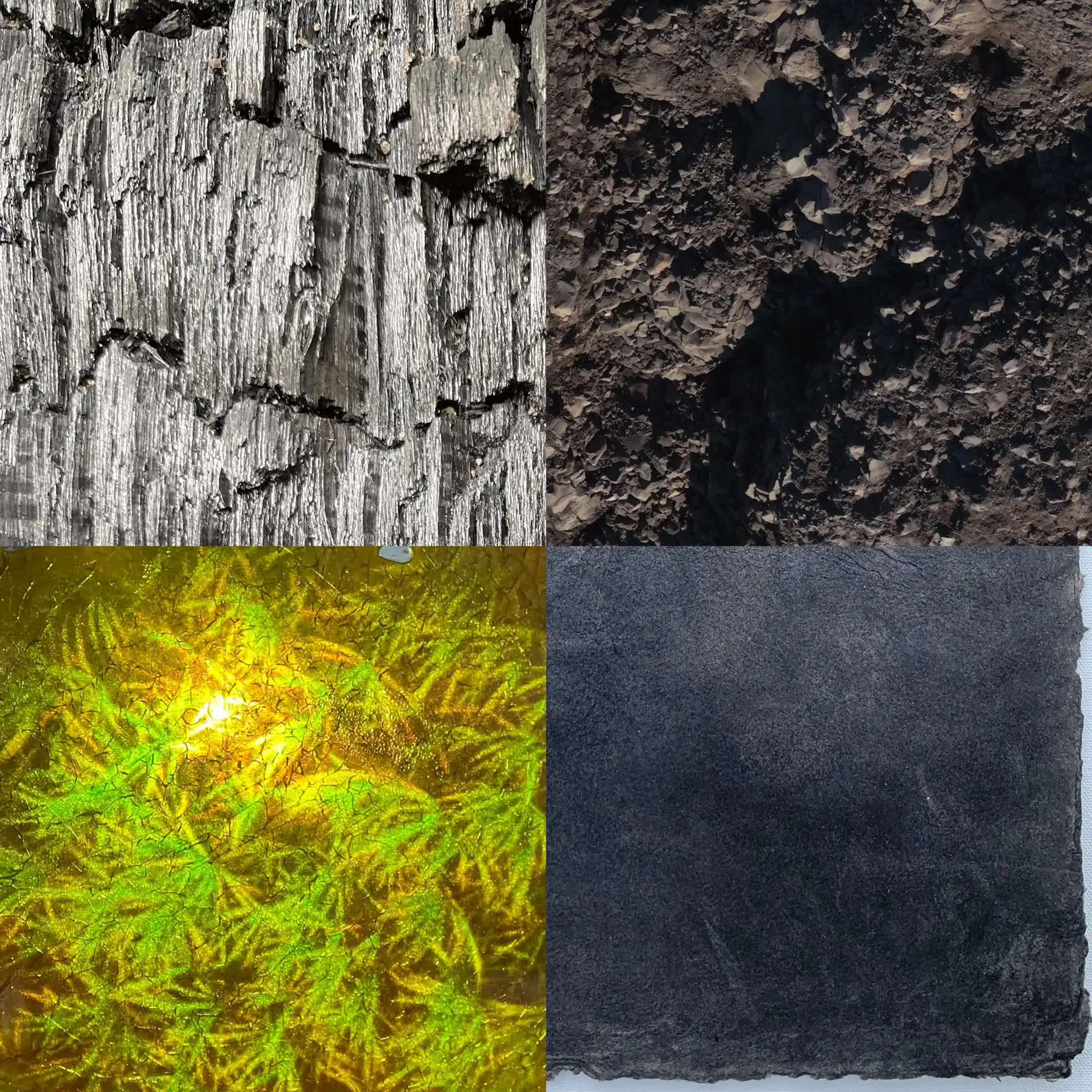
What may appear as a refusal of intimacy or melodrama in these para-archival forms is in fact a different kind of intimacy: one shaped by the weight of grief without outlet, without ceremonial release. This refusal is not detachment, but a strategy for carrying the dead without turning them into symbols. In the ruptures and silences of language, in the gaps where no narrative fits, there is a practice of mourning that tries to keep the lost near, even when their names are no longer ours to speak.
RJ Ledesma
Not Memorial, But Fugitive
Towards a poetics of the revolutionary archive
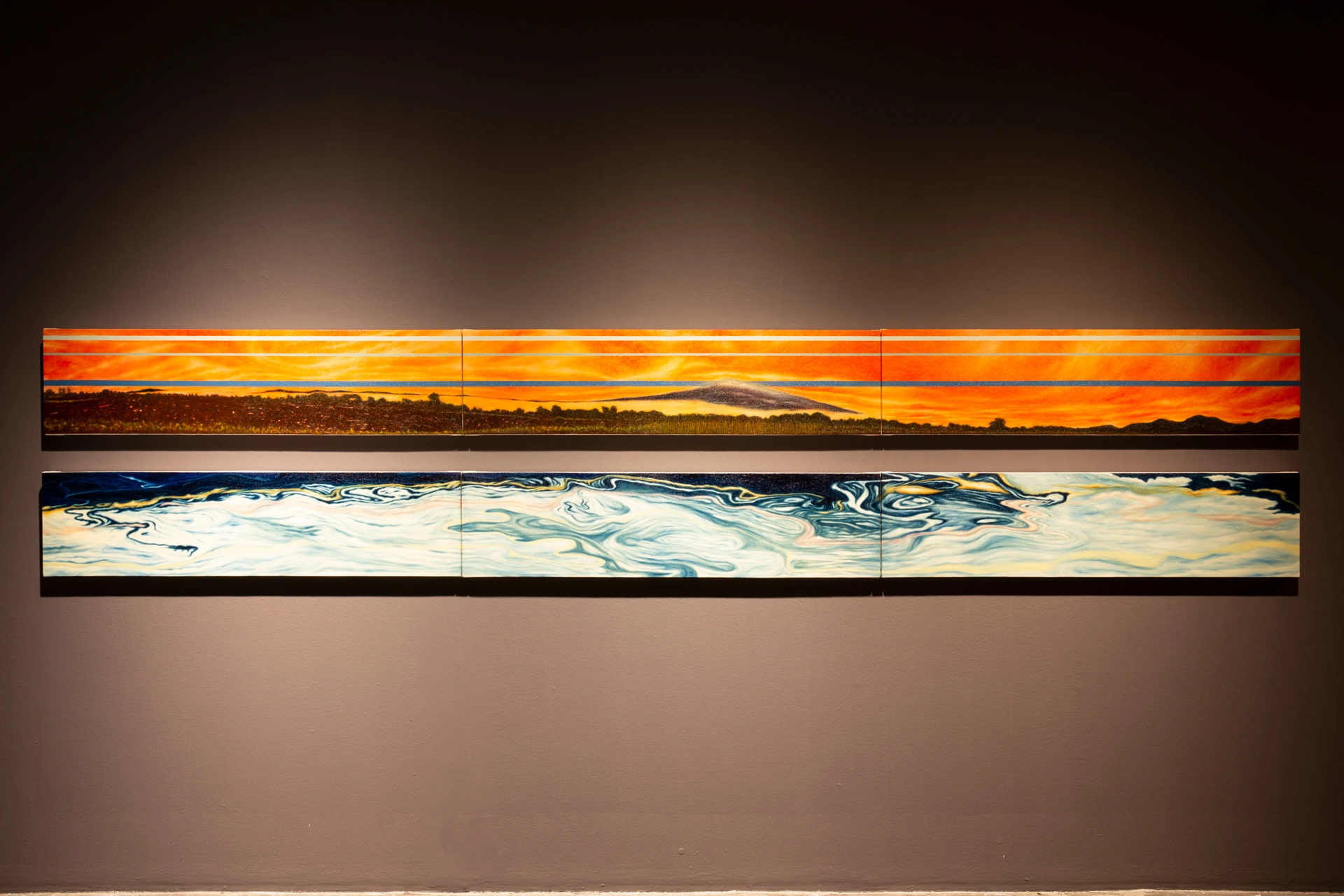
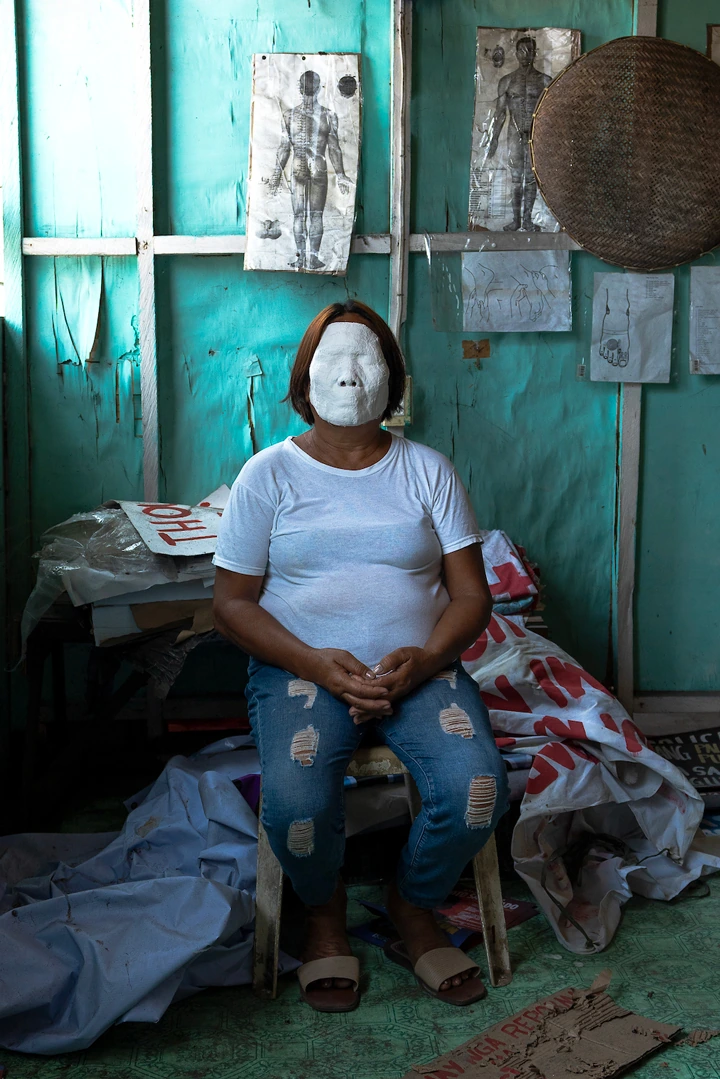
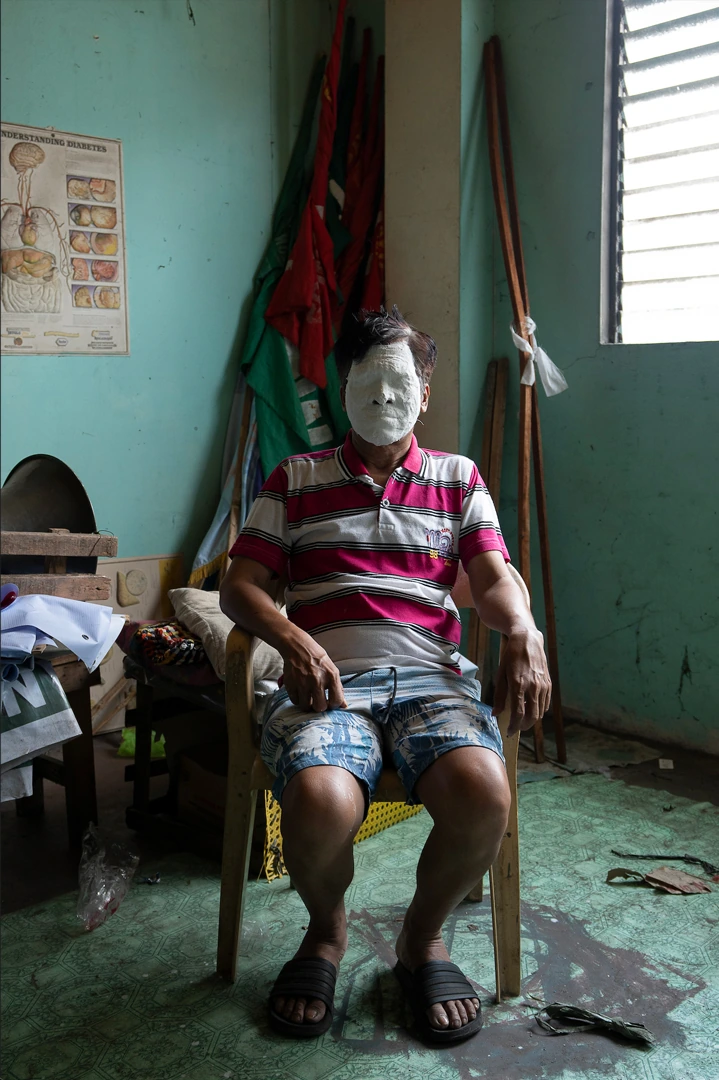
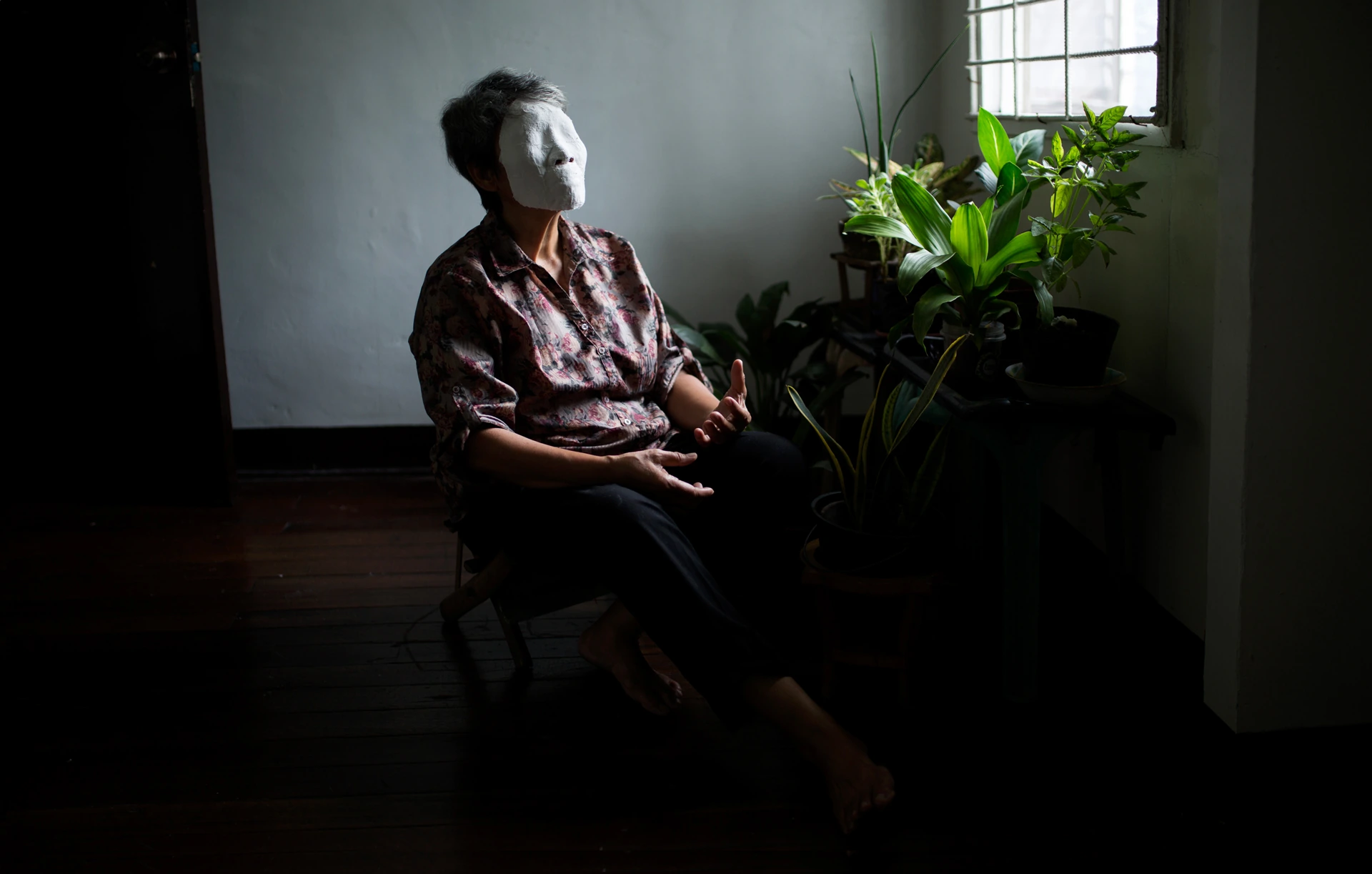
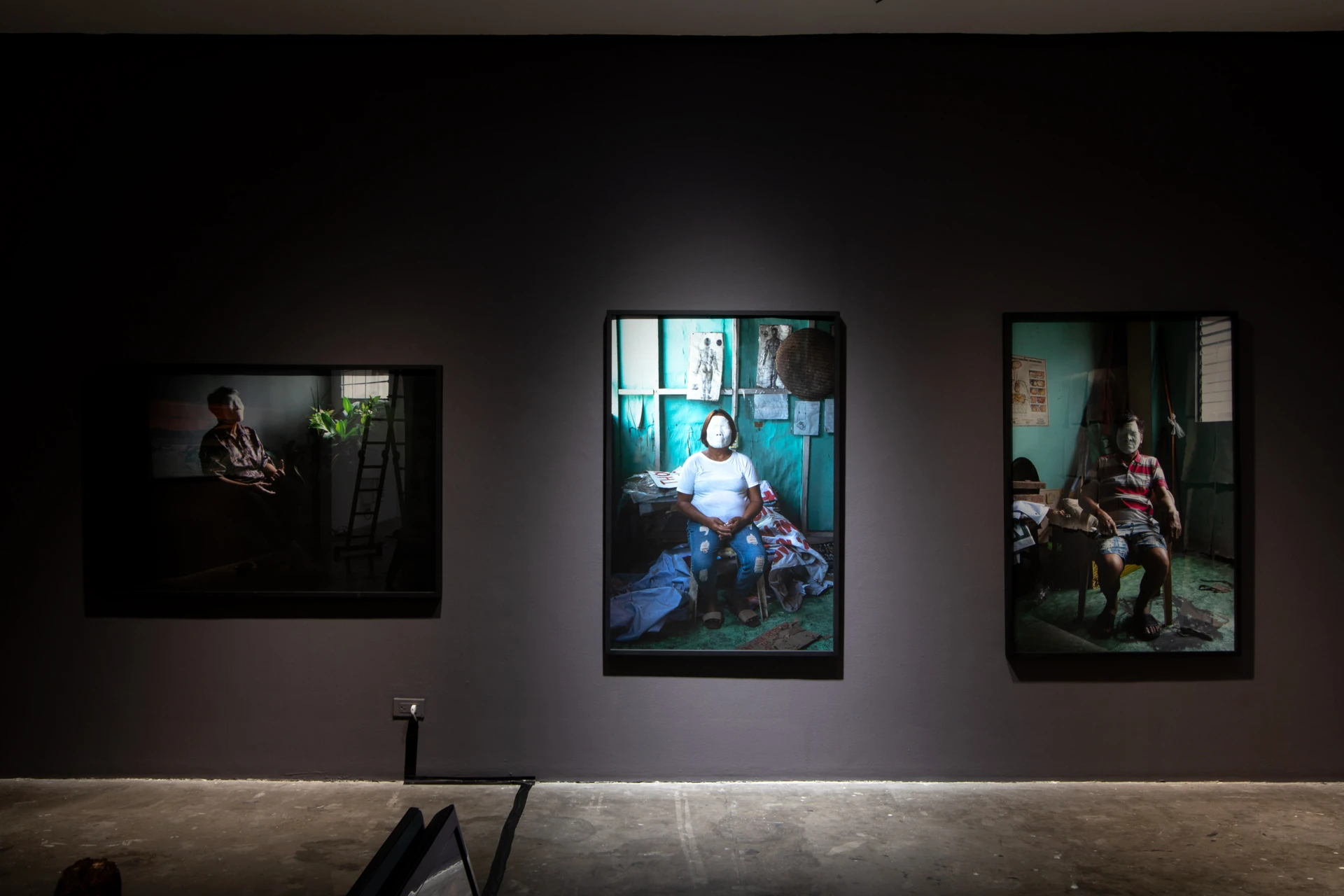
Terrains of Instability brings together Kiri Dalena, Ben Brix, Karina Broce-Gonzaga, and Frelan "Pakz" Gonzaga in a raw exploration of memory, geographic precarity, and the unyielding realities of the Philippine landscape. Spanning a twelve-year arc since Dalena’s exhibition of Life Mask photographs, at MO_Space. This exhibition builds on her ongoing video collaboration with Brix since 2023 and expands into a deeper dialogue with Negros-based artists Karina and Frelan.
The core of the exhibition looks at Negros, a region under the constant shadow of Mount Kanlaon, where the land is permanently marked by feudalism, labor exploitation, and historical unrest. Here, "sugar" isn't just a crop—it is a heavy source of uncertainty for the lives bound to it. The artists take on the challenge of distilling their experience of the place, whether as foreigners or dayo immersing for several months, or as residents who were born and raised there all their lives.
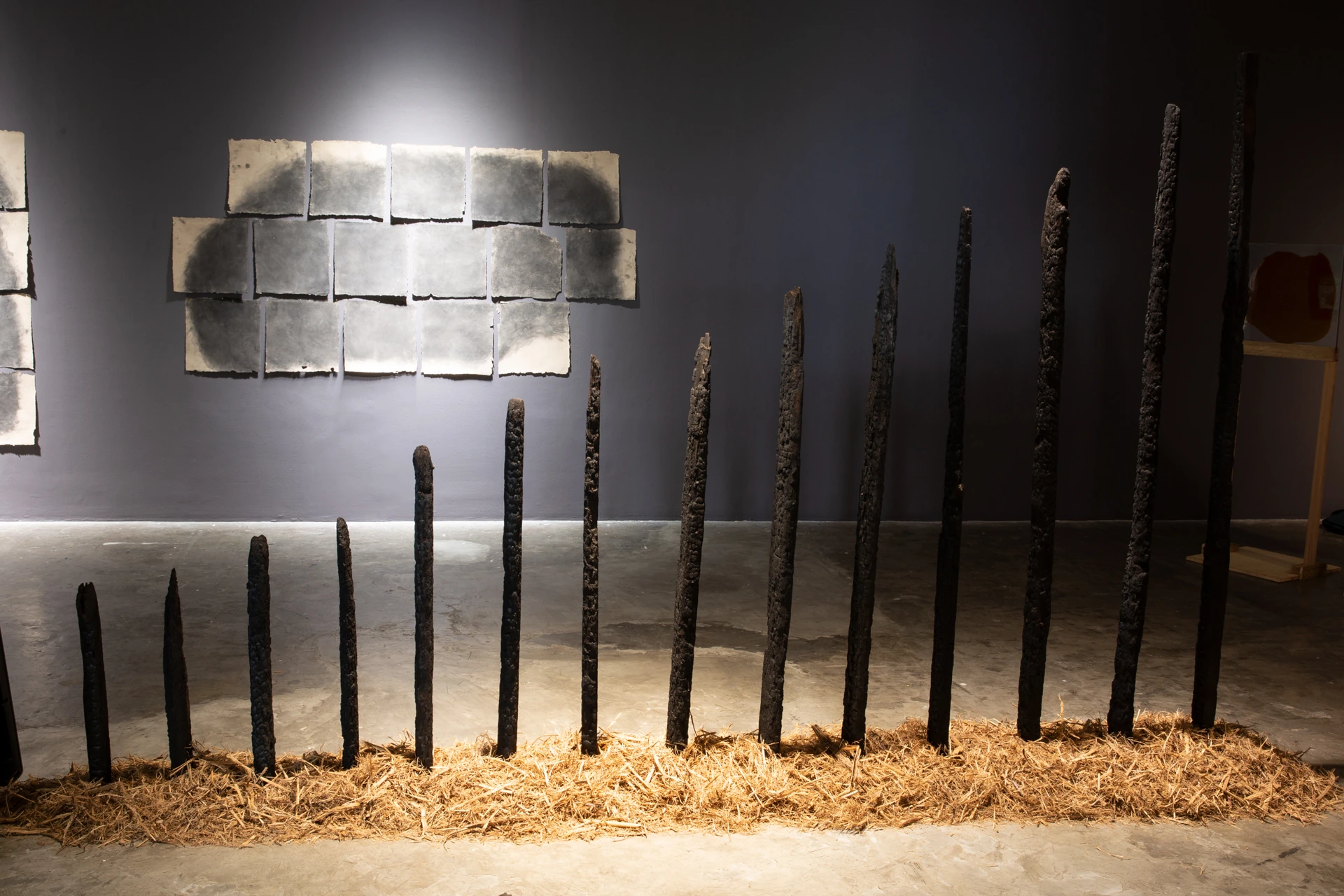
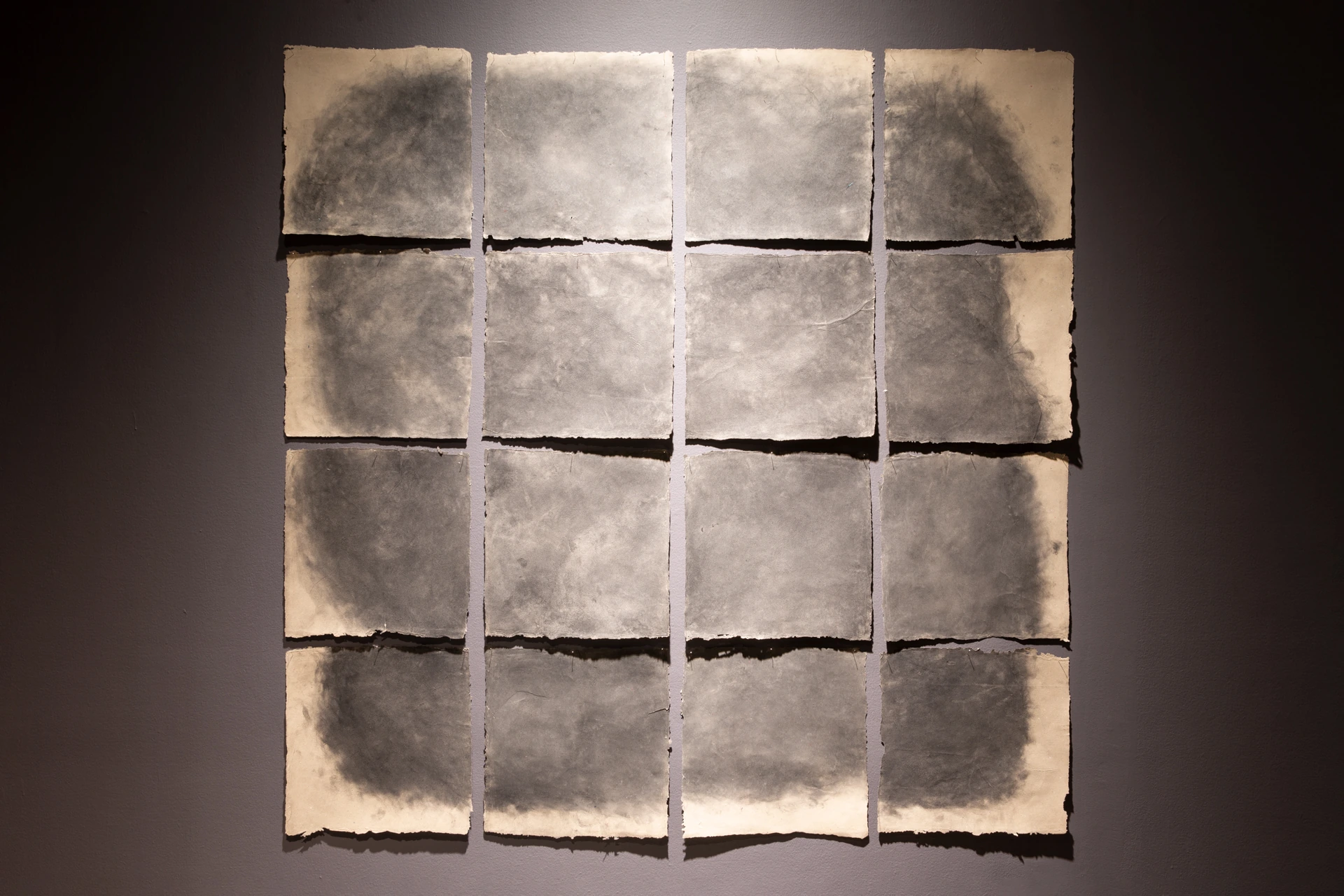
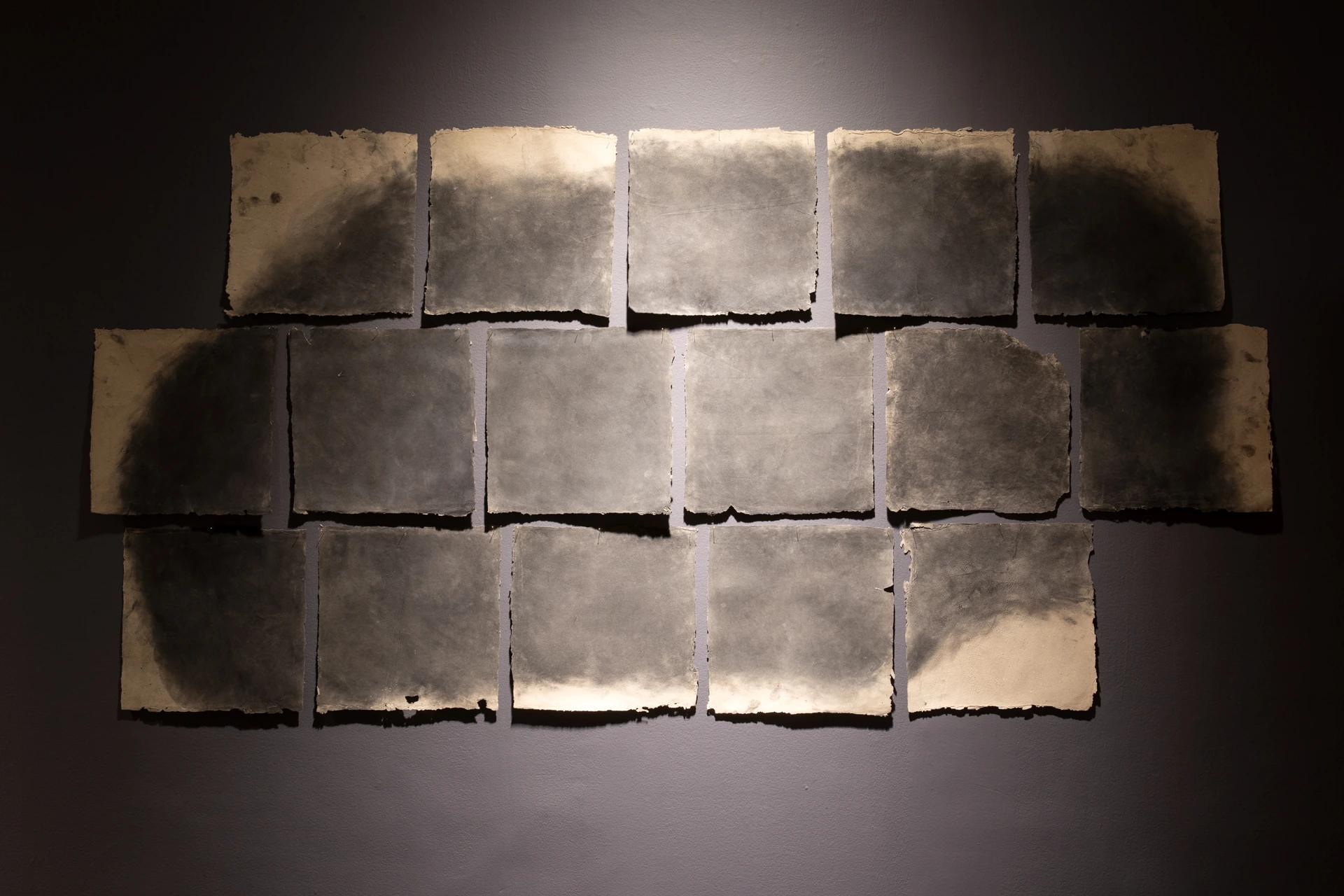
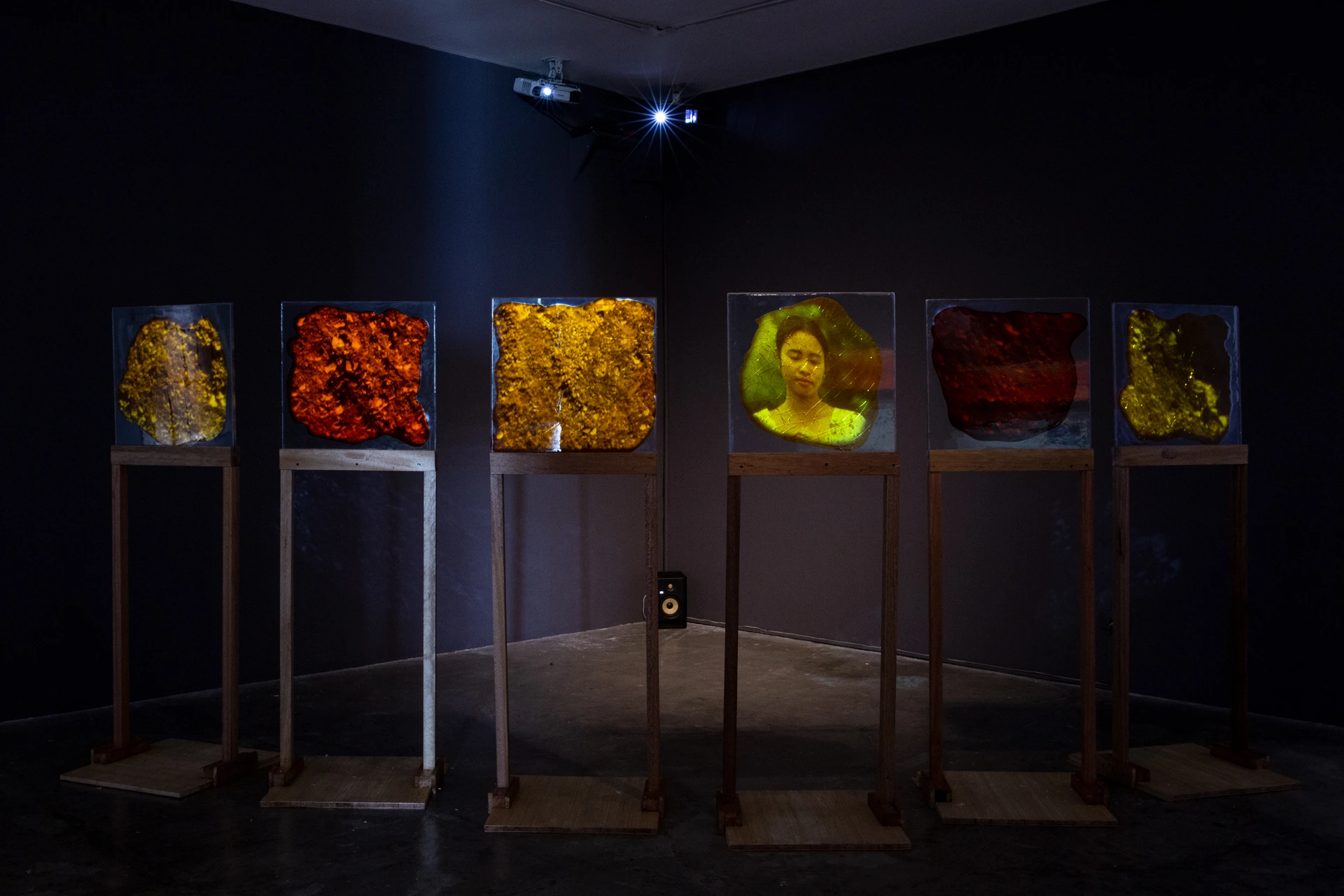
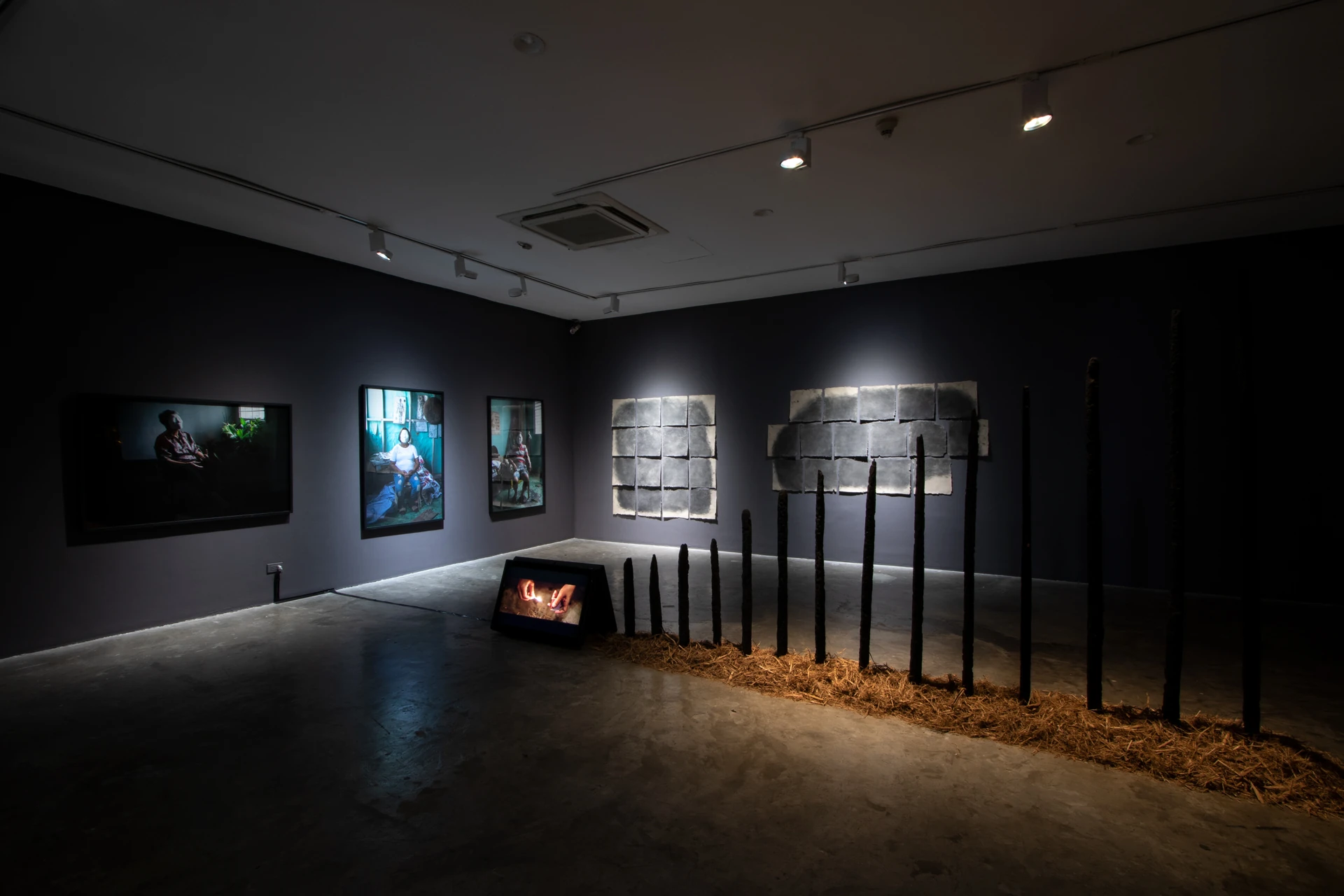
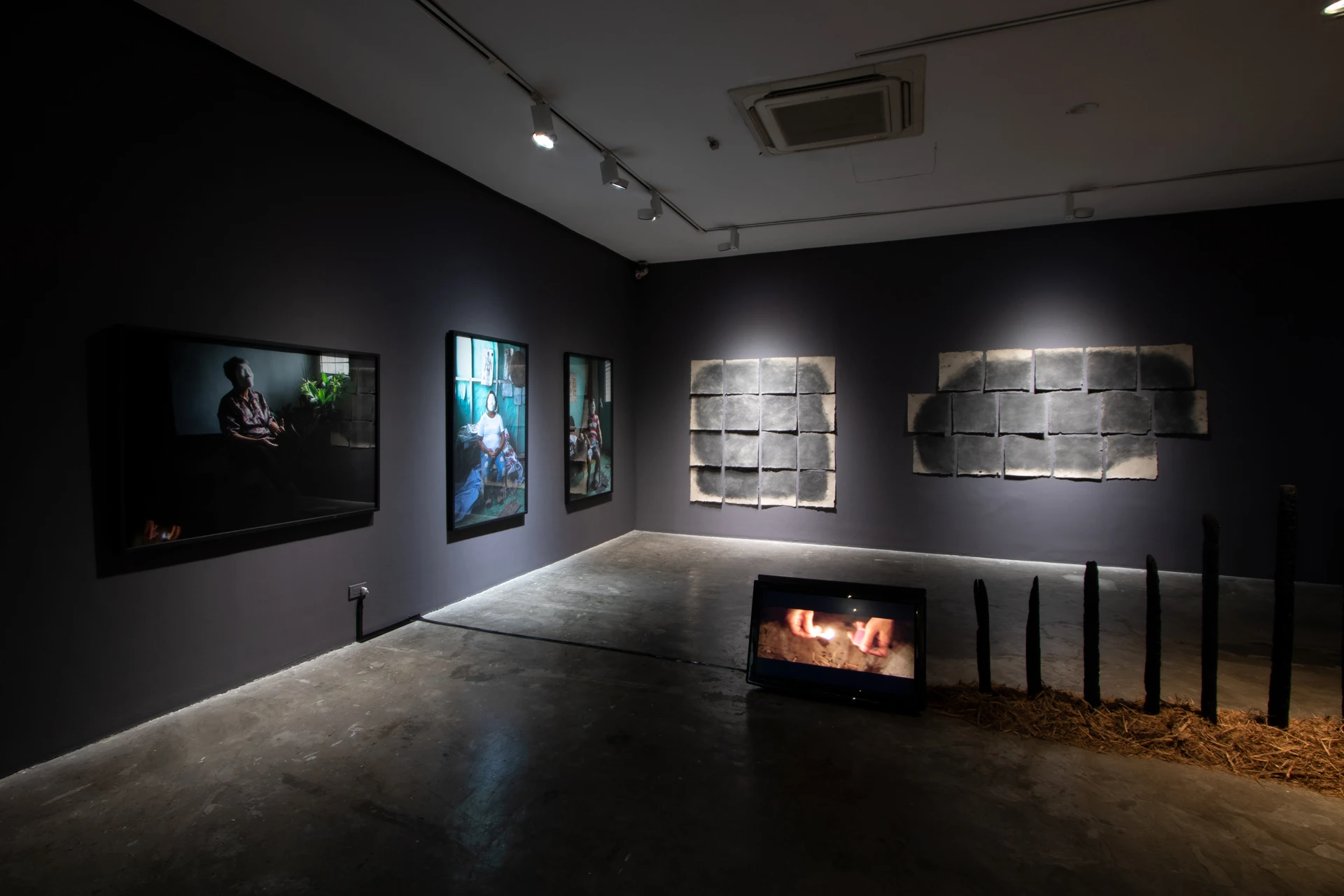
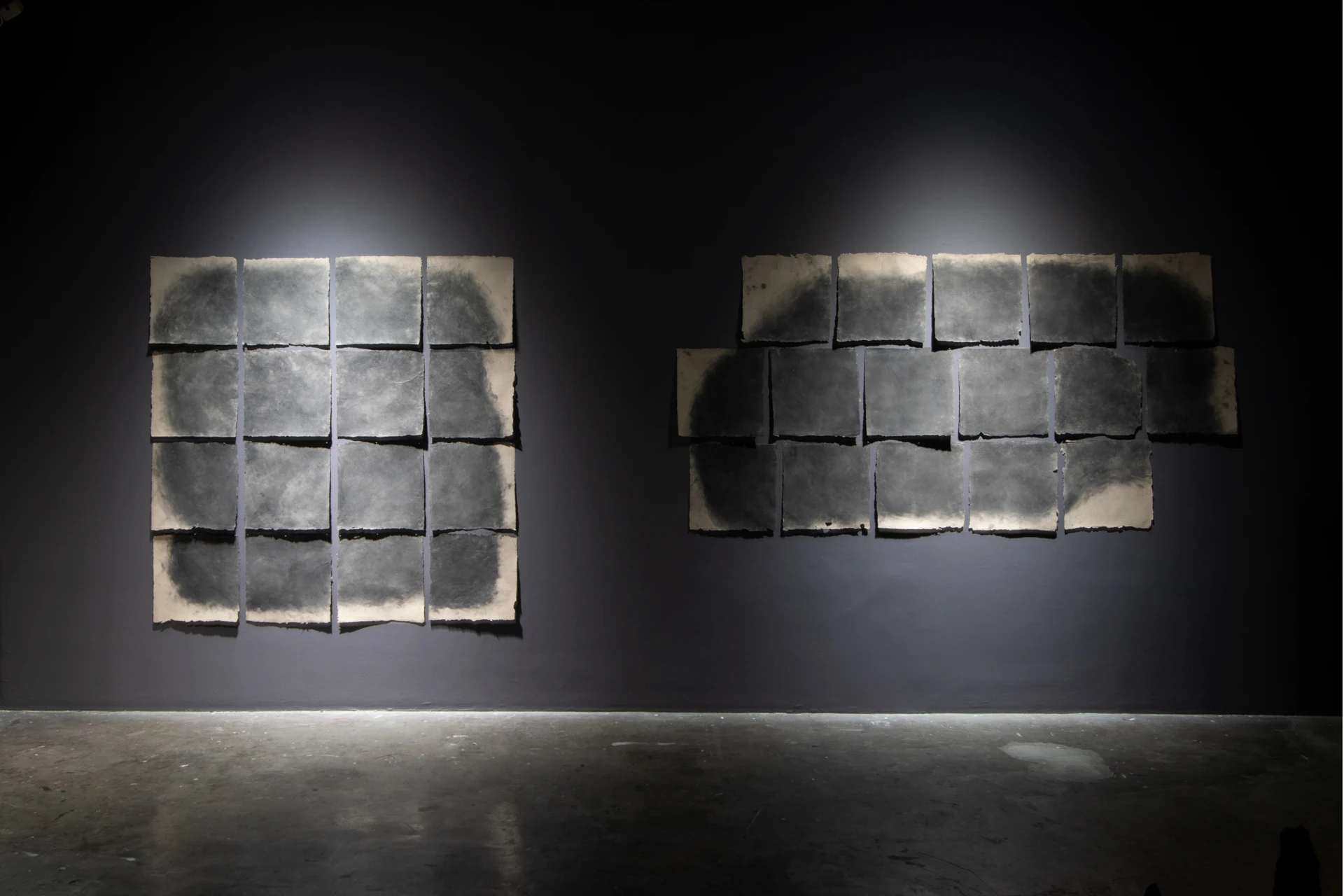
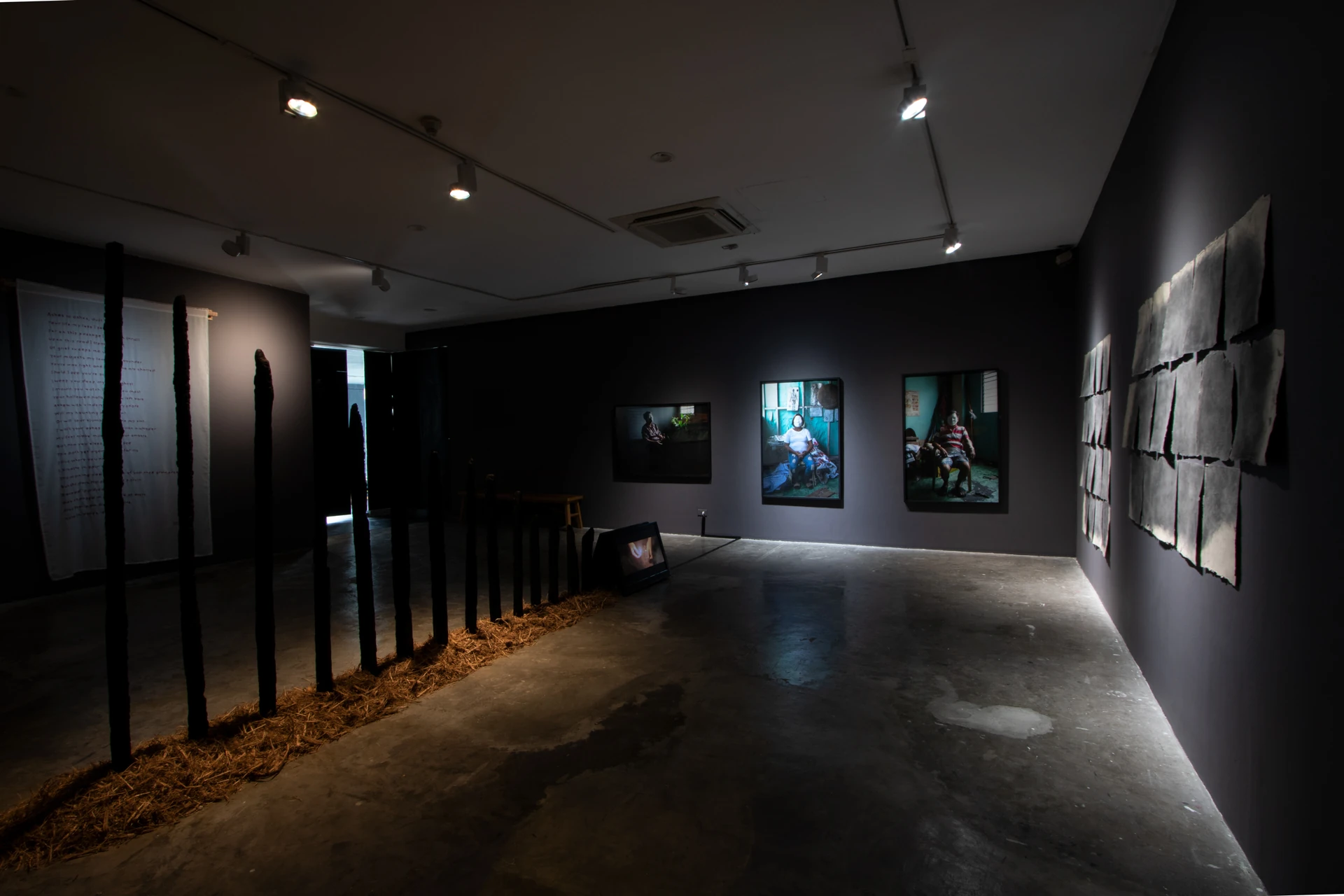
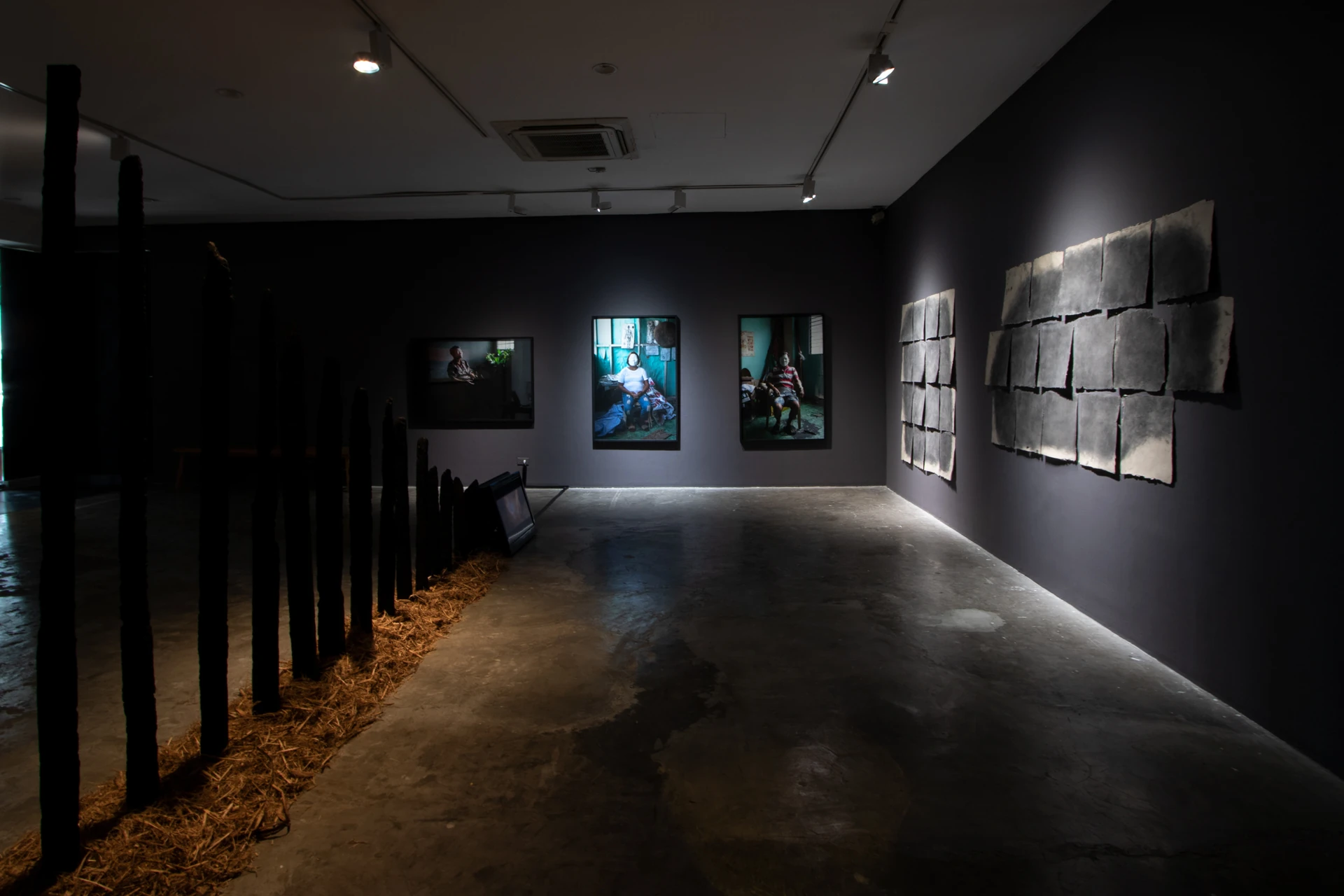
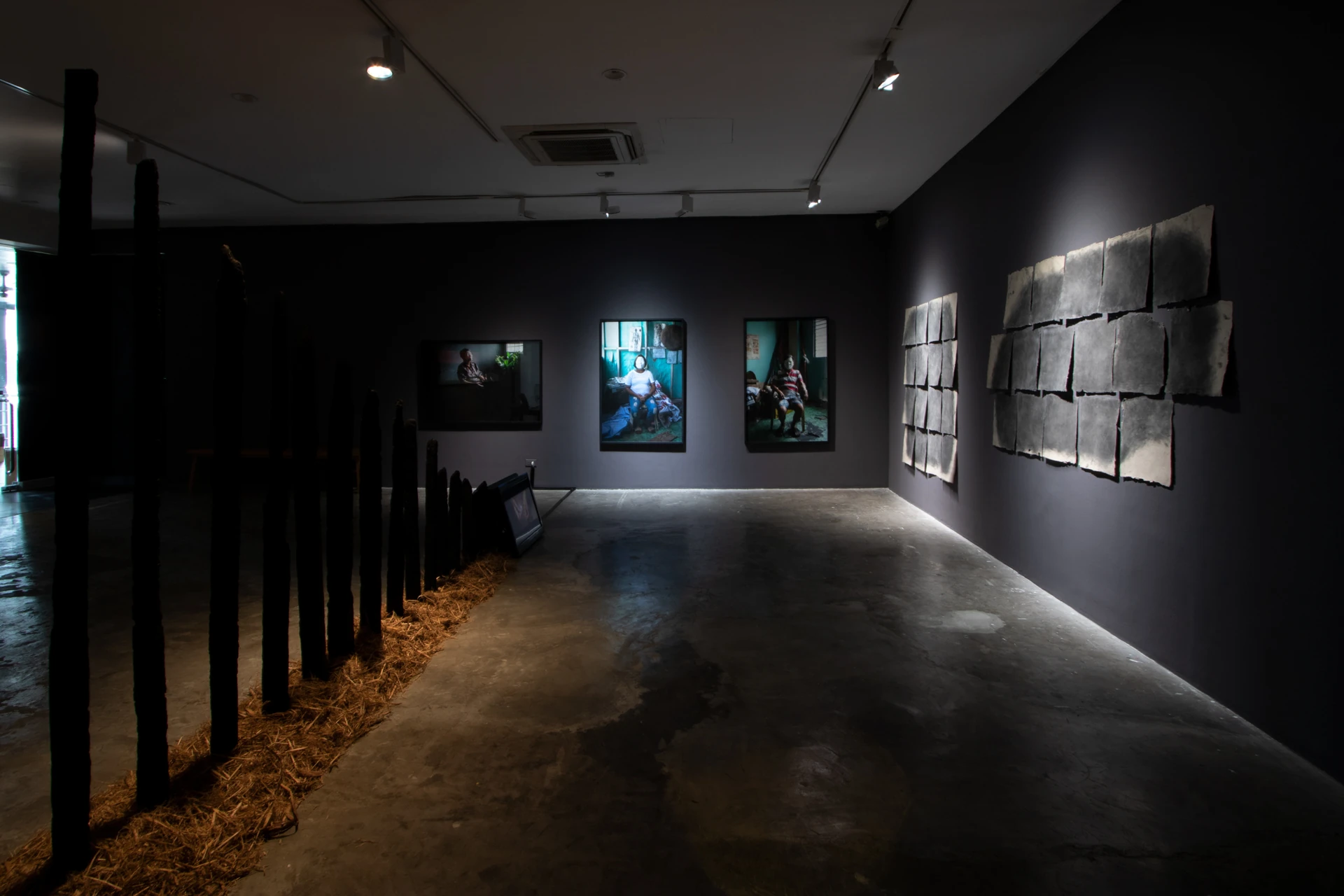
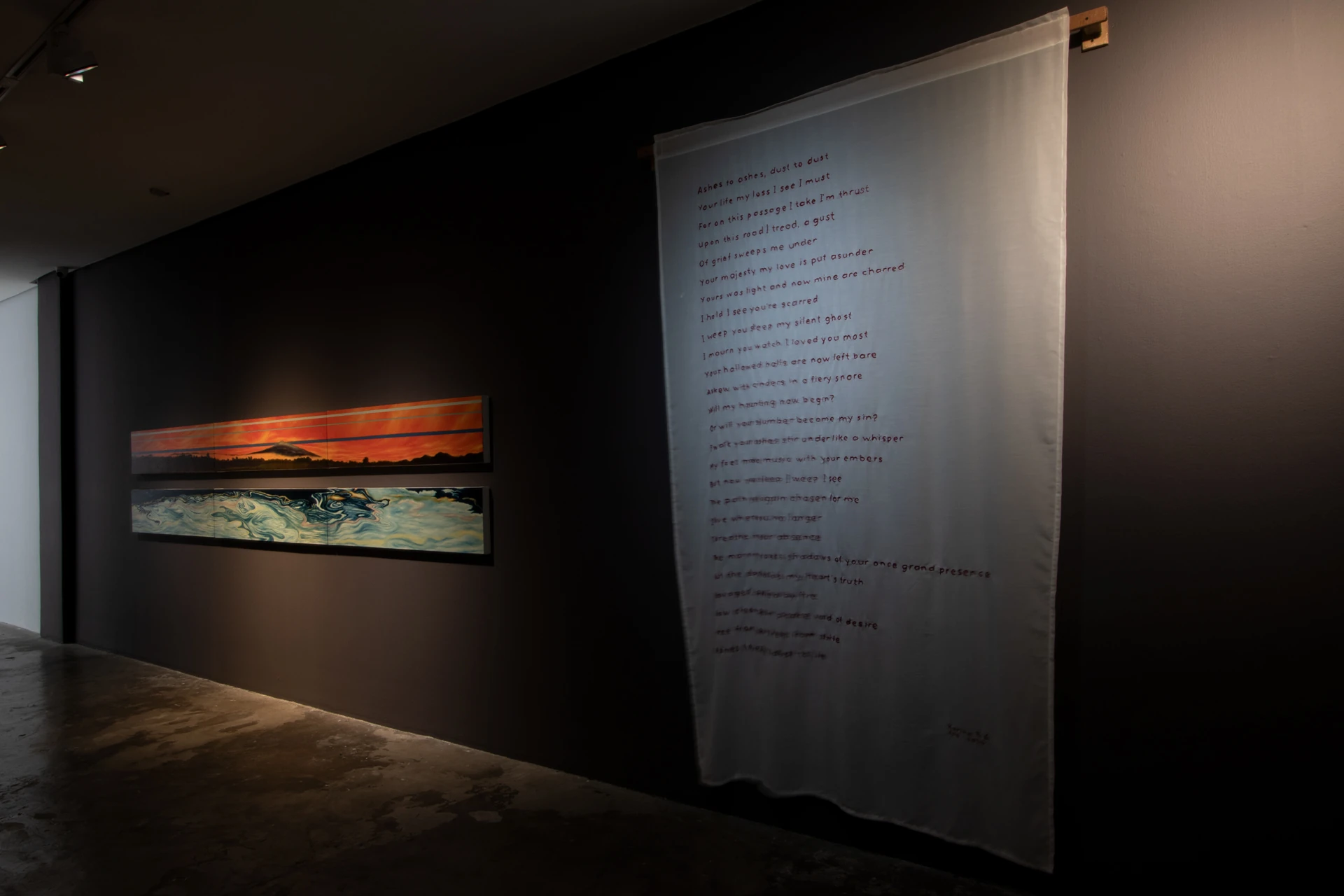
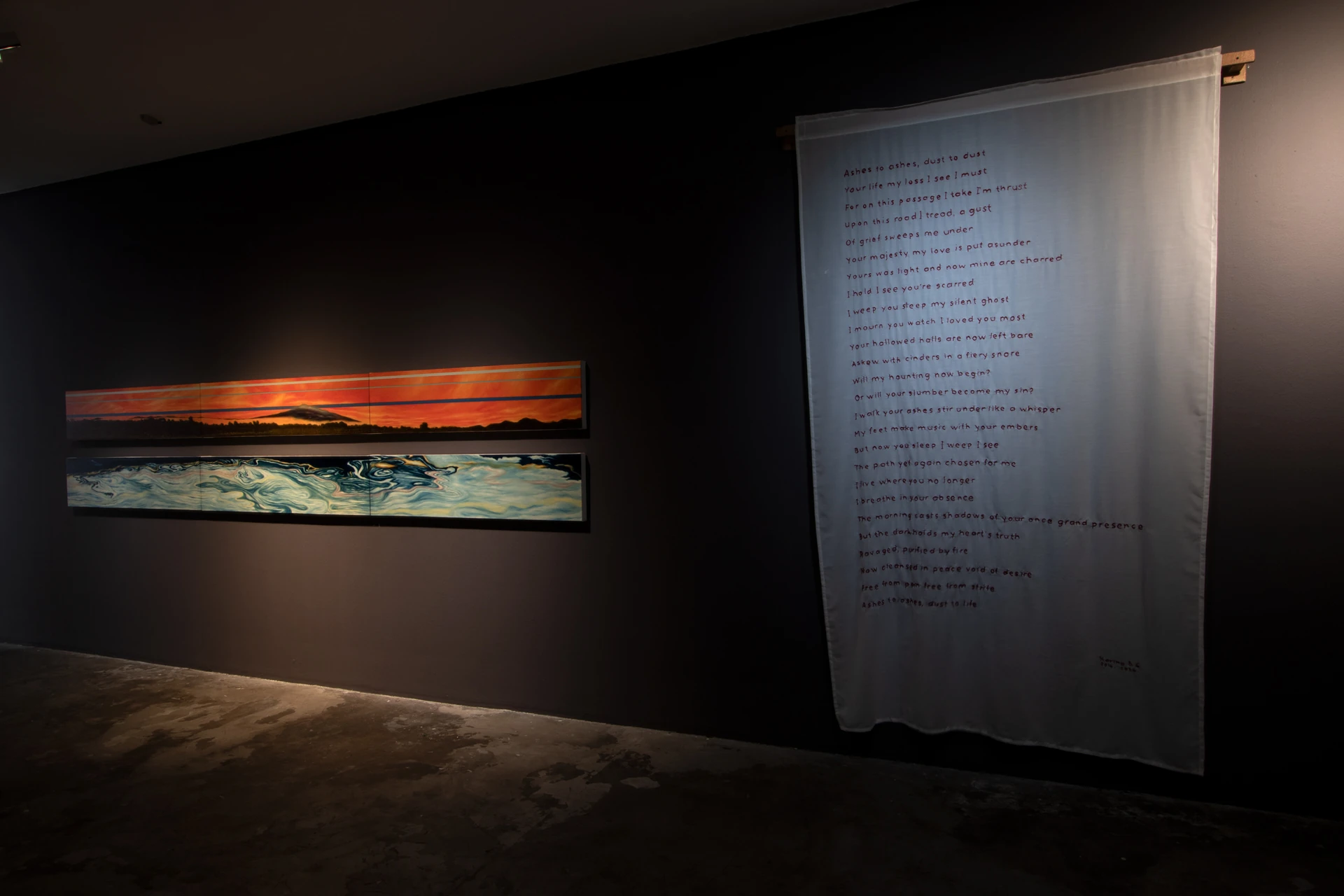
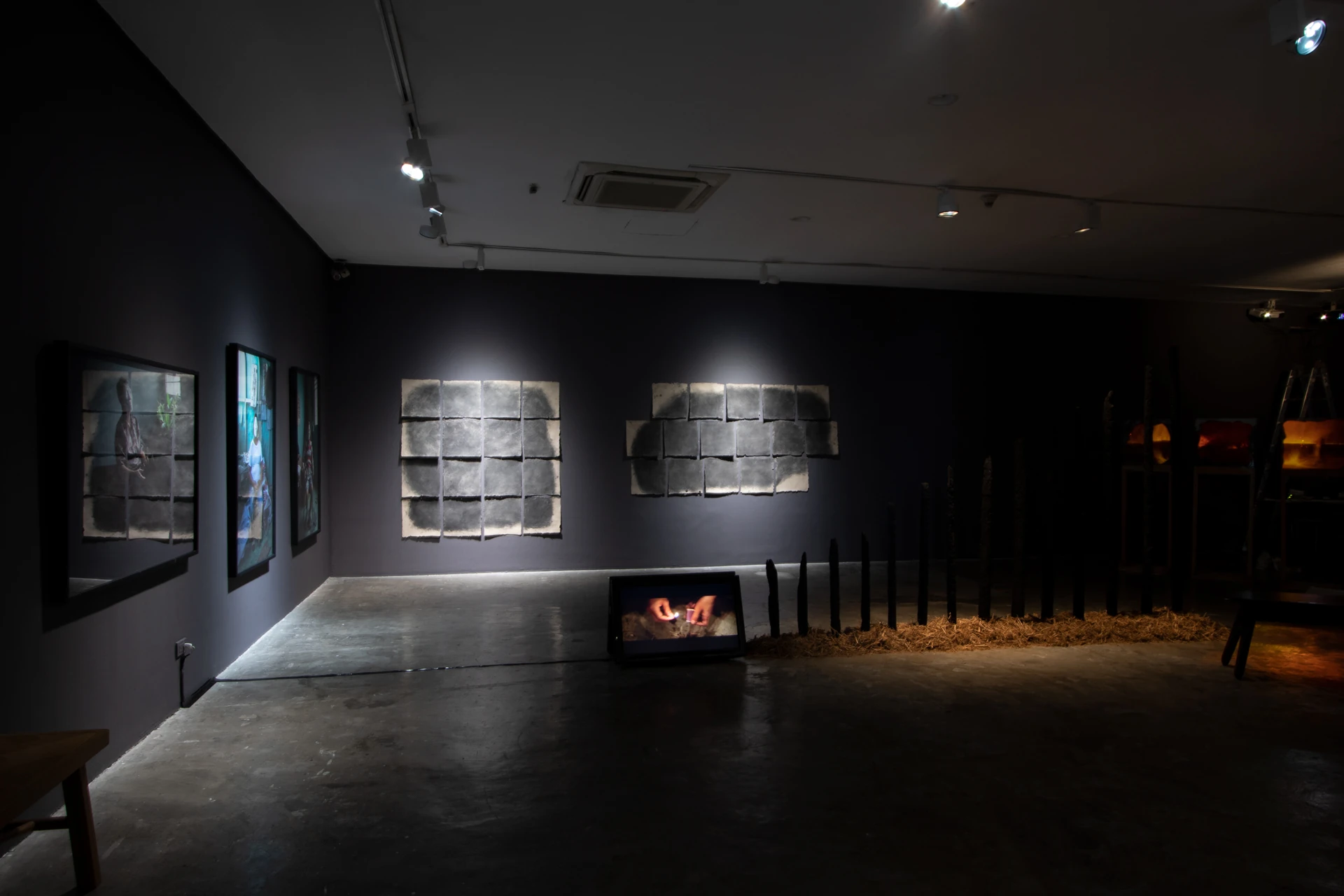
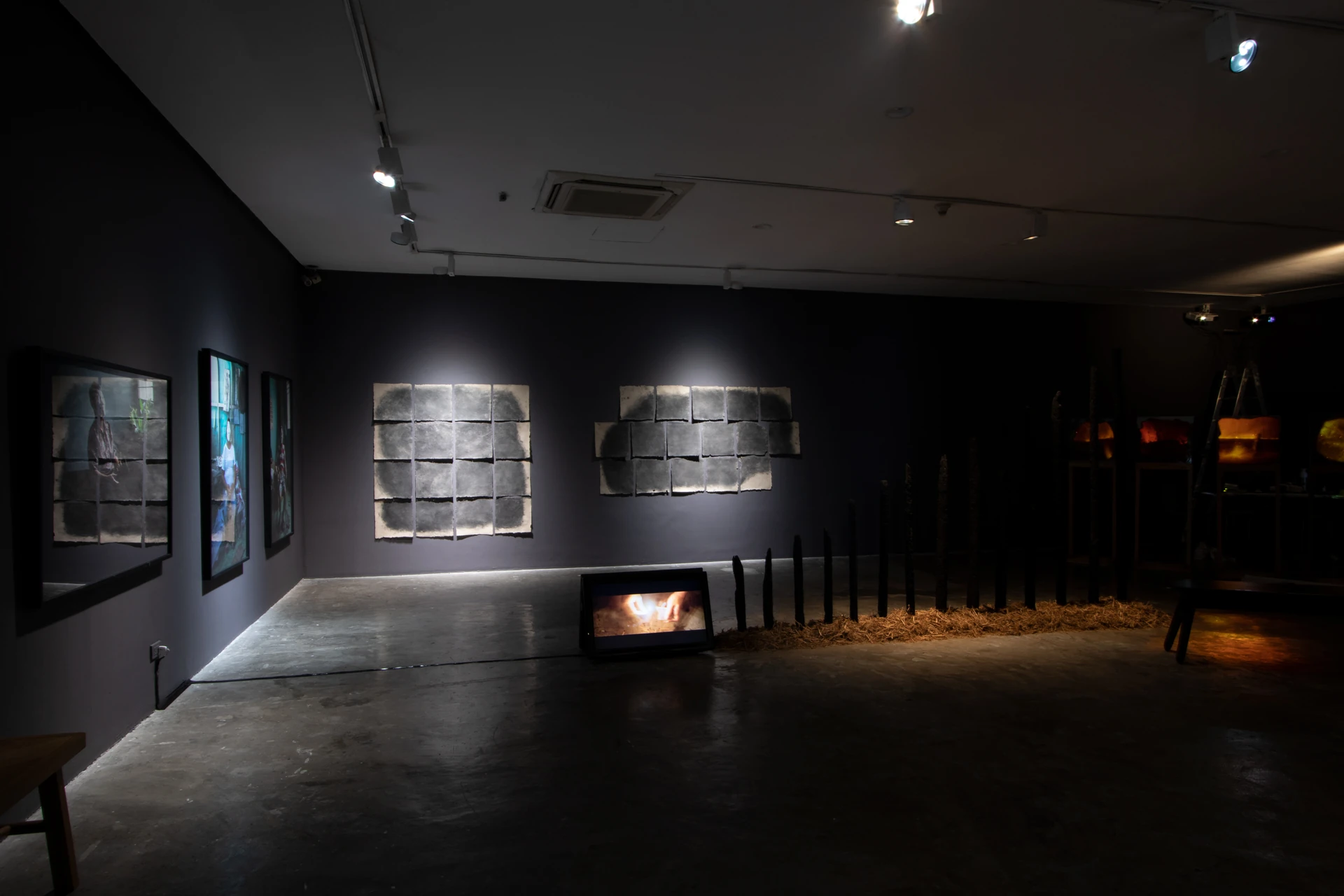
The exhibition is structured like an open, organic architecture. Rather than forcing a rigid layout, it lets the gallery space breathe and unravel; allowing the gravity of intersecting experiences to shape the room. Terrains of Instability is not trying to patch over what's missing, or rebuild the past. Instead, this exhibition sits right within those breaks and disappearances. The artists work directly with raw earth, sugar, dried bagasse, embroidery and the burned wood of an ancestral home. They mold, stitch, rub, melt, break, and reorder heavy realities of displacement, loss, and uncertainty, turning them into forms that are possible to behold and inhabit. This approach honors an honest way of wrestling with the translation of difficult histories, geographic displacement, and systemic struggles into a shared visual language.
Each piece works as a fragment of this shifting landscape. Karina Broce-Gonzaga looks at the sudden break in family heritage, rooted in the memory of her ancestral home burning down a decade ago. Using the same burned wood as her main material, her work carries the sensory weight of that fire—the smell of dried bagasse and the quiet resilience of the women processing that loss.
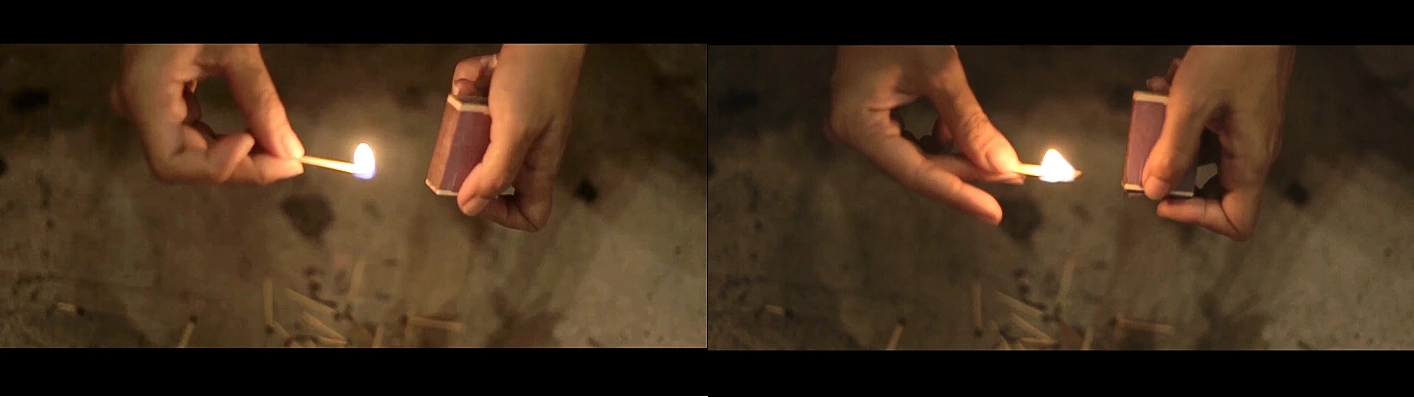
Frelan "Pakz" Gonzaga maps this instability through the lens of the earth, labor, and changing weather. He captures these fleeting moments through handmade paper, slicing together 16x16-inch sheets from discarded newspapers and brown paper bags—materials reclaimed from San Carlos City following its single-use plastic ban.
Ben Brix brings his peripheral but deeply connected gaze, interpreting these different physical and political forms. His work with Dalena bridges international solidarity with activism, focusing on local culture and its ongoing struggles.
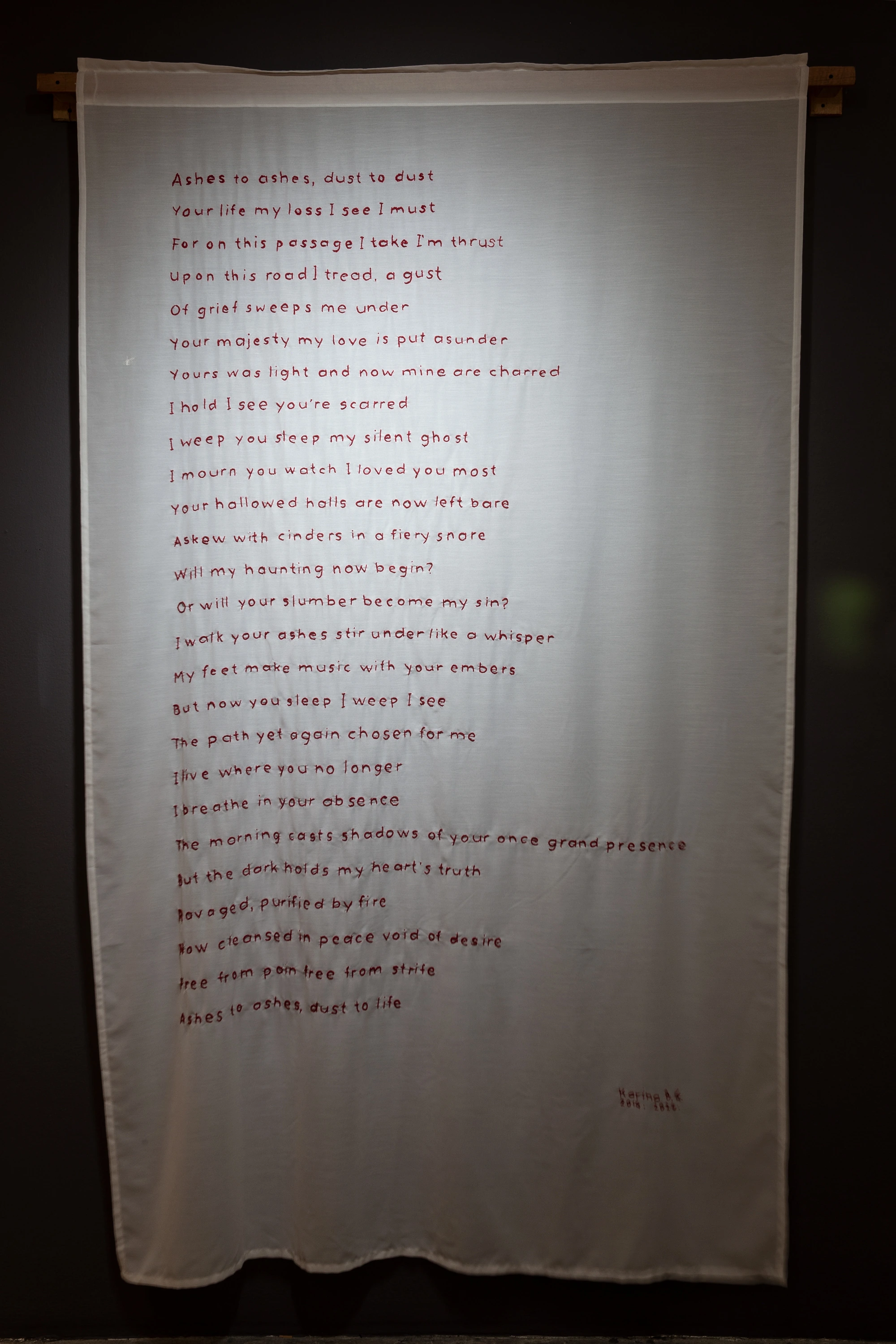
Kiri and Ben’s moving images cut through the gallery space, acting as entry points into landscapes where human hands and shifting nature collide. By making the familiar feel suddenly strange vis a vis the strange suddenly familiar, the work asks us to look past the surface. Underneath it all is the heavy weight of shared grief, recognizing the sudden absences and collective losses that leave unfinished collaborations and missing futures in their wake.
Ultimately, the show is not a passive archive of what was lost. This is an invitation into unfolding times and unfinished spaces—showing an island caught somewhere between destruction and collective reclamation. It is a living landscape of resistance, showing that even when foundations burn and fields are exploited, making art becomes an undeniable proof of survival.
-CMN

About the Artist
About the Artists
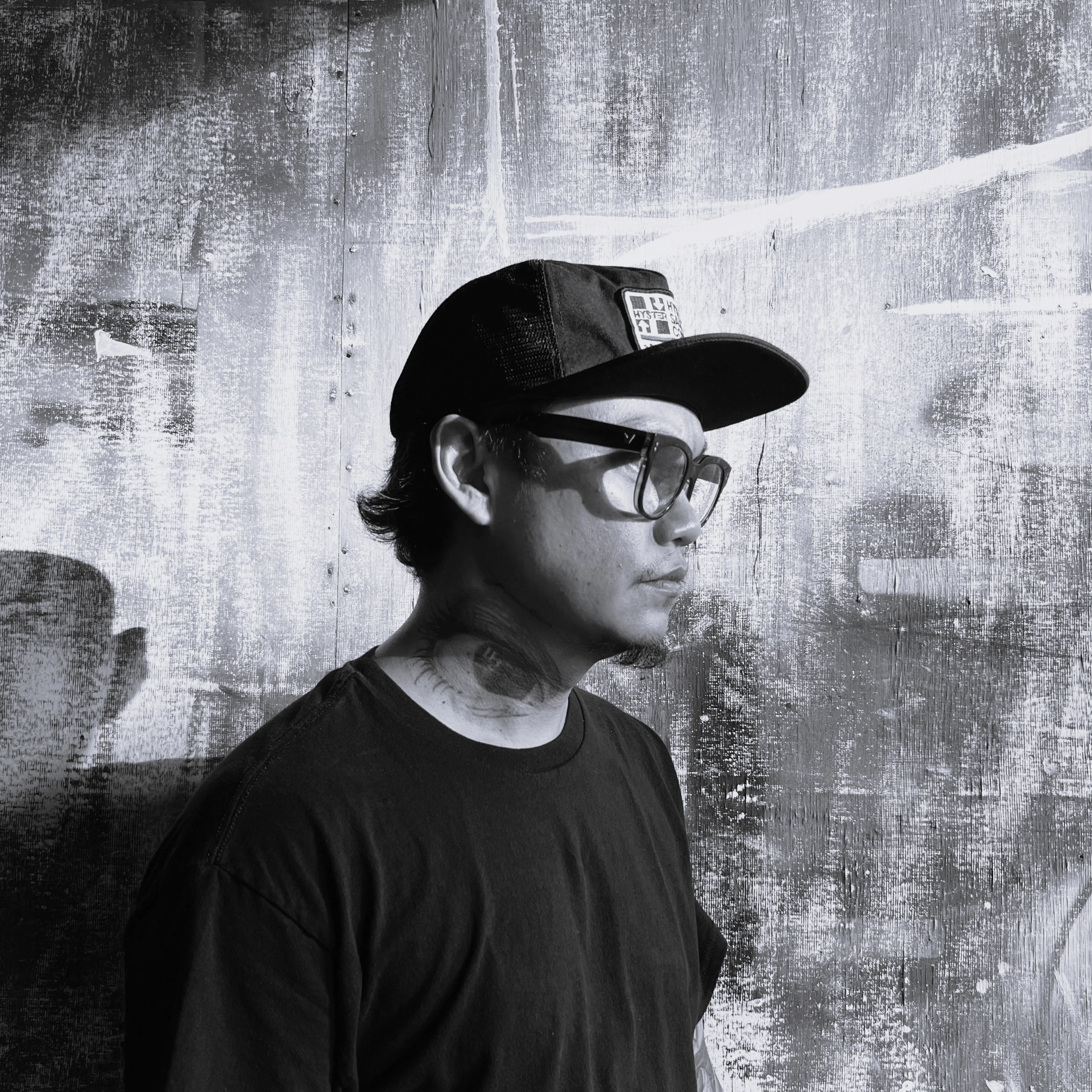
Frelan "Pakz" Gonzaga (b. 1981) draws on the street life of his childhood in Bacolod City, where the daily routines of vendors, workers, students, parents, and tricycle drivers shaped his understanding of the community. His mother ran a small food store inside a school before managing a neighborhood carinderia, bringing him into close contact with the daily work and social exchanges that sustained the area. These early encounters continue to inform his work, which focuses on the lives of ordinary Filipinos, particularly those living on the margins of society. Through scenes of everyday life, his paintings consider the persistence, faith, and resolve that sustain people through their circumstances.
Gonzaga began painting in 2003, working primarily in oil alongside photography, metal sculpture, spray paint, charcoal, acrylic, Posca markers, and pen and ink. Since pursuing art full-time in 2008, he has held nine solo exhibitions and completed a month-long residency with House of Matahati in Kuala Lumpur in 2014. He co-founded B17 Art Space in Bacolod City with his wife in 2017, where he serves as gallery co-director while maintaining his studio practice and their collaborative project, FreAK.
Karina Broce-Gonzaga (b. 1980) works across installation, painting, and textile-based practices. She uses found, reclaimed, and minimally processed materials, transforming them through cutting, stitching, weaving, and assembly. Her work considers how damage, memory, and time register in materials, allowing destruction and reconstruction to coexist. Balancing formal refinement with visible traces of alteration, she approaches materials through experimentation, attending to their inherent qualities and allowing their limitations and unexpected outcomes to inform the work. Drawing from lived experience, her practice also reflects on womanhood, memory, and personal transformation.
Broce-Gonzaga has exhibited in the Philippines, South Korea, Thailand, Malaysia, and Italy. In 2017, she participated in an artist residency in Gwangju, South Korea, with Overlab Curatorial Group in partnership with IMI. She co-manages B17 Art Space in Bacolod City with her husband, fellow artist Frelan "Pakz" Gonzaga. Together, they established FreAK in 2016, an ongoing collaboration where they explore ideas through a more playful and experimental approach.
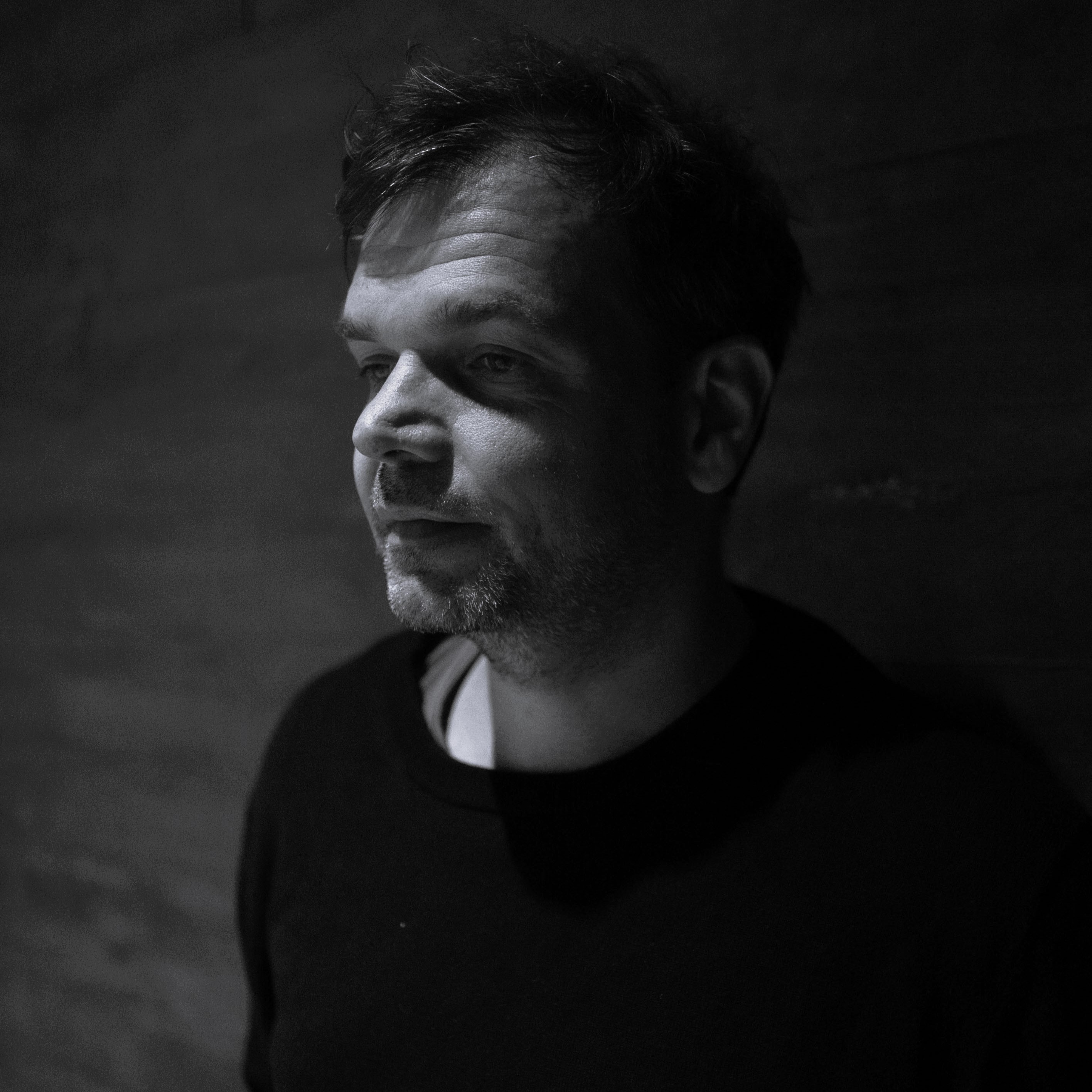
Bornin 1979 in Bayreuth, Ben Brix lives and works in Berlin as a video artist,video editor, director of photography, and media technician. His artisticjourney began with sculpture in Berlin in 2001, before he started studyingproduct design in 2005 at the Kunsthochschule Kassel. In 2008 he joined theclass for Virtual Realities led by Bjørn Melhus, focusing on video art, and in2009 he spent a year at the Academy of Fine Arts in Vienna in the class ofConstanze Ruhm. He graduated in Kassel in 2013, with his final work presentedin Prague as part of the Start Point Prize, and then returned to Berlin.
Sincethen, Brix has worked with numerous artists and filmmakers as director ofphotography, including Bjørn Melhus, Marco Brambilla, Hiwa K, Theo Eshetu, LorettaFahrenholz, Yael Bartana, Bouchra Khalili, and many others. His own artisticpractice, active since 2012, explores the intersection between puredocumentation and fiction in moving images, questioning the credibility ofimages and the ways in which they create meaning.
Brixis also the co-founder of the theater collective speech collective,where he worked as a video artist on various productions. Together with FelixMathias Ott, he developed the theater piece Odyssee Complex, which hasbeen shown internationally in Iran, Bangladesh, India, Salzburg, and France.
In2017, he began ongoing collaborations with Indian theater producer NimiRavindran and sound artist Nikhil Nagaraj in South India.
Since2023, he has collaborated with Filipino artist Kiri Dalena on multiple videoworks in the Philippines, with several more projects in development. Throughthis collaboration, he has developed a deep interest in thePhilippines—particularly in Dalena’s work as an artist and activist, as well asin Filipino culture and its ongoing struggles—an engagement that continues toshape his artistic practice.
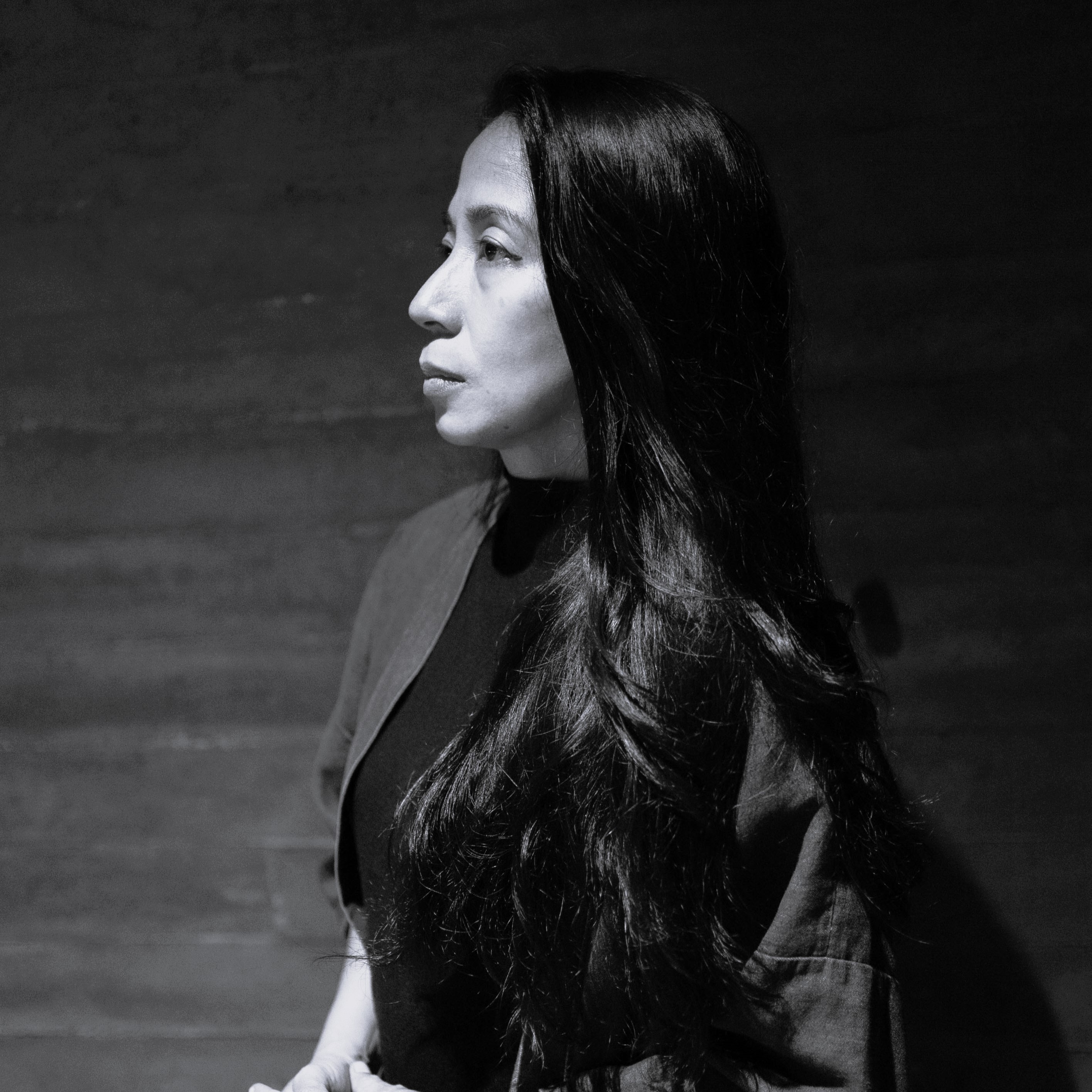
Kiri Dalena is an artist who lives and works in the Philippines. She works with various media, including sculpture, moving images, photography, and language-based artworks.
Dalena studied human ecology at the University of the Philippines Los Baños. She trained in 16mm filmmaking, focusing on documentary cinematography and poetic filmmaking at the Mowelfund Film Institute (MFI) in Quezon City.
Dalena works both as an individual artist and as part of collectives. She co-founded the Filipino film collective Southern Tagalog Exposure (2001), where she worked closely with farmers' groups, environmental activists, and organized union groups, documenting their struggle to assert basic rights amid intense militarization.
In 2016, Dalena co-founded RESBAK (Respond and Break the Silence Against the Killings; 2016–present), an international alliance of cultural producers that draws attention to the Philippine government’s “war on drugs” and its effects. To this day, the group continues to work closely with victims and survivors directly impacted by the “war on drugs.”
Dalena’s practice is grounded in the belief that art is a vocation that plays an essential role in inspiring meaningful change by fostering connections and prompting shifts in how we interpret and impact history, the environment, and society.
Related Exhibitions
About the Artists
About the Artist
Frelan "Pakz" Gonzaga (b. 1981) draws on the street life of his childhood in Bacolod City, where the daily routines of vendors, workers, students, parents, and tricycle drivers shaped his understanding of the community. His mother ran a small food store inside a school before managing a neighborhood carinderia, bringing him into close contact with the daily work and social exchanges that sustained the area. These early encounters continue to inform his work, which focuses on the lives of ordinary Filipinos, particularly those living on the margins of society. Through scenes of everyday life, his paintings consider the persistence, faith, and resolve that sustain people through their circumstances.
Gonzaga began painting in 2003, working primarily in oil alongside photography, metal sculpture, spray paint, charcoal, acrylic, Posca markers, and pen and ink. Since pursuing art full-time in 2008, he has held nine solo exhibitions and completed a month-long residency with House of Matahati in Kuala Lumpur in 2014. He co-founded B17 Art Space in Bacolod City with his wife in 2017, where he serves as gallery co-director while maintaining his studio practice and their collaborative project, FreAK.
Karina Broce-Gonzaga (b. 1980) works across installation, painting, and textile-based practices. She uses found, reclaimed, and minimally processed materials, transforming them through cutting, stitching, weaving, and assembly. Her work considers how damage, memory, and time register in materials, allowing destruction and reconstruction to coexist. Balancing formal refinement with visible traces of alteration, she approaches materials through experimentation, attending to their inherent qualities and allowing their limitations and unexpected outcomes to inform the work. Drawing from lived experience, her practice also reflects on womanhood, memory, and personal transformation.
Broce-Gonzaga has exhibited in the Philippines, South Korea, Thailand, Malaysia, and Italy. In 2017, she participated in an artist residency in Gwangju, South Korea, with Overlab Curatorial Group in partnership with IMI. She co-manages B17 Art Space in Bacolod City with her husband, fellow artist Frelan "Pakz" Gonzaga. Together, they established FreAK in 2016, an ongoing collaboration where they explore ideas through a more playful and experimental approach.
Bornin 1979 in Bayreuth, Ben Brix lives and works in Berlin as a video artist,video editor, director of photography, and media technician. His artisticjourney began with sculpture in Berlin in 2001, before he started studyingproduct design in 2005 at the Kunsthochschule Kassel. In 2008 he joined theclass for Virtual Realities led by Bjørn Melhus, focusing on video art, and in2009 he spent a year at the Academy of Fine Arts in Vienna in the class ofConstanze Ruhm. He graduated in Kassel in 2013, with his final work presentedin Prague as part of the Start Point Prize, and then returned to Berlin.
Sincethen, Brix has worked with numerous artists and filmmakers as director ofphotography, including Bjørn Melhus, Marco Brambilla, Hiwa K, Theo Eshetu, LorettaFahrenholz, Yael Bartana, Bouchra Khalili, and many others. His own artisticpractice, active since 2012, explores the intersection between puredocumentation and fiction in moving images, questioning the credibility ofimages and the ways in which they create meaning.
Brixis also the co-founder of the theater collective speech collective,where he worked as a video artist on various productions. Together with FelixMathias Ott, he developed the theater piece Odyssee Complex, which hasbeen shown internationally in Iran, Bangladesh, India, Salzburg, and France.
In2017, he began ongoing collaborations with Indian theater producer NimiRavindran and sound artist Nikhil Nagaraj in South India.
Since2023, he has collaborated with Filipino artist Kiri Dalena on multiple videoworks in the Philippines, with several more projects in development. Throughthis collaboration, he has developed a deep interest in thePhilippines—particularly in Dalena’s work as an artist and activist, as well asin Filipino culture and its ongoing struggles—an engagement that continues toshape his artistic practice.
Kiri Dalena is an artist who lives and works in the Philippines. She works with various media, including sculpture, moving images, photography, and language-based artworks.
Dalena studied human ecology at the University of the Philippines Los Baños. She trained in 16mm filmmaking, focusing on documentary cinematography and poetic filmmaking at the Mowelfund Film Institute (MFI) in Quezon City.
Dalena works both as an individual artist and as part of collectives. She co-founded the Filipino film collective Southern Tagalog Exposure (2001), where she worked closely with farmers' groups, environmental activists, and organized union groups, documenting their struggle to assert basic rights amid intense militarization.
In 2016, Dalena co-founded RESBAK (Respond and Break the Silence Against the Killings; 2016–present), an international alliance of cultural producers that draws attention to the Philippine government’s “war on drugs” and its effects. To this day, the group continues to work closely with victims and survivors directly impacted by the “war on drugs.”
Dalena’s practice is grounded in the belief that art is a vocation that plays an essential role in inspiring meaningful change by fostering connections and prompting shifts in how we interpret and impact history, the environment, and society.
Related Exhibitions

Share