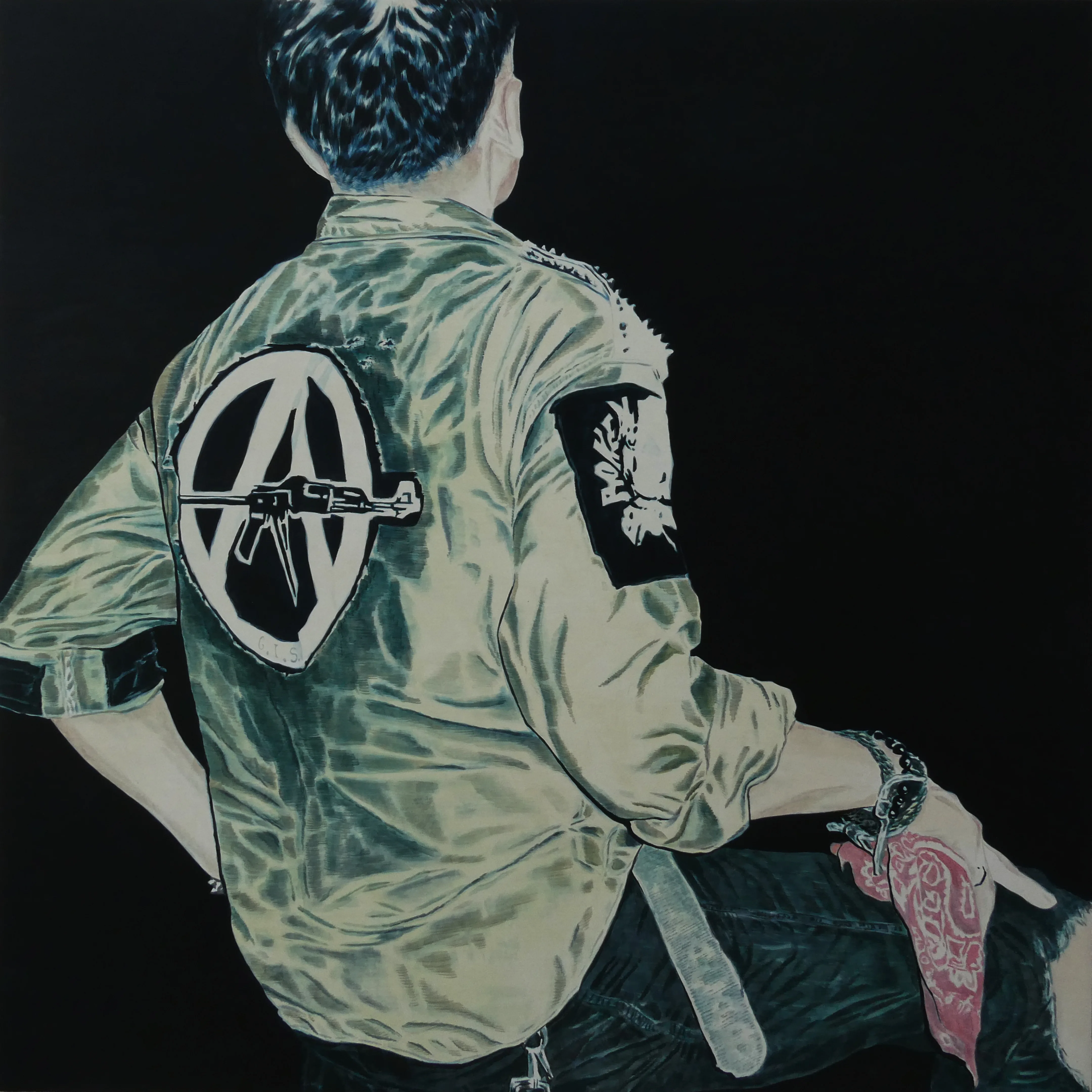
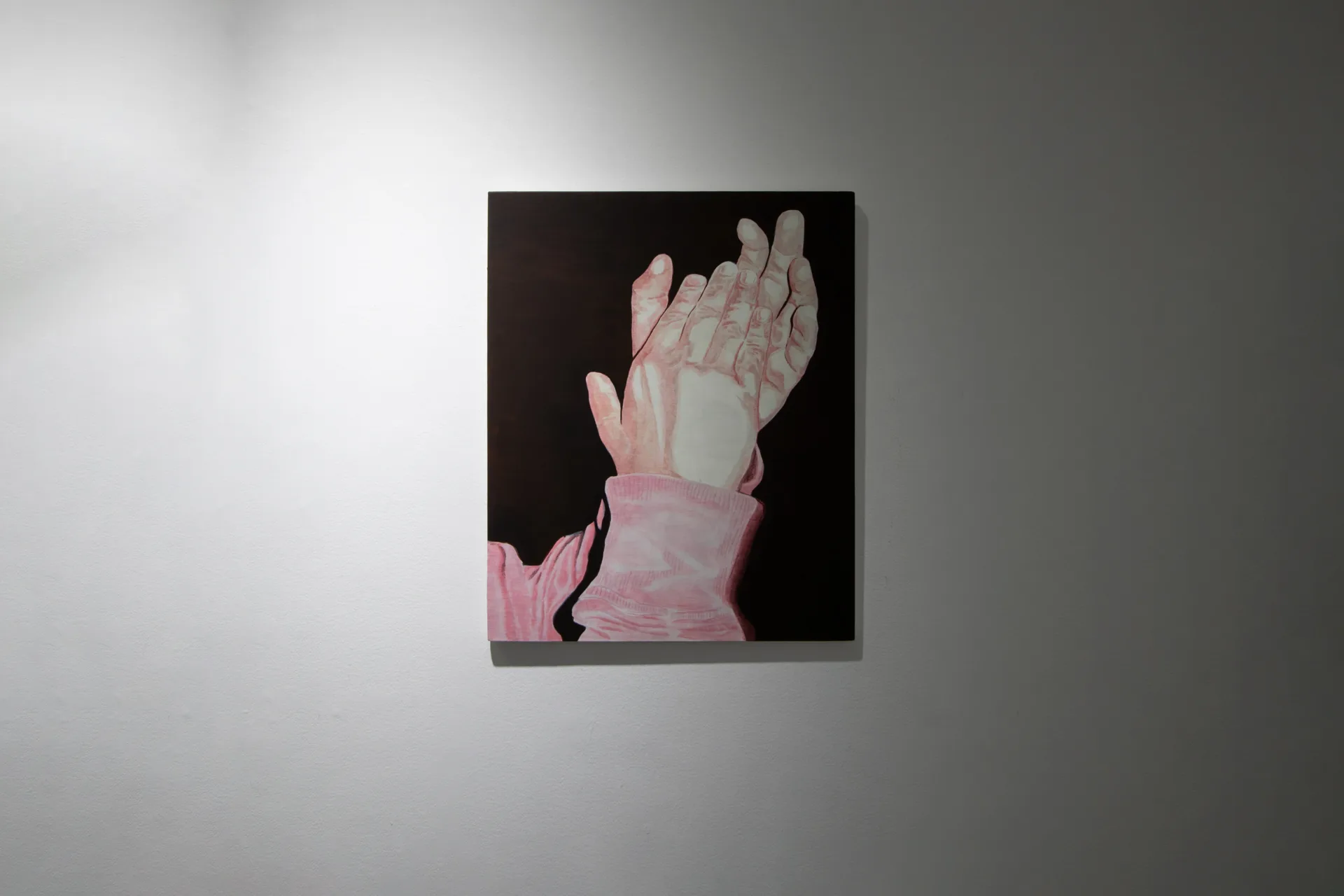
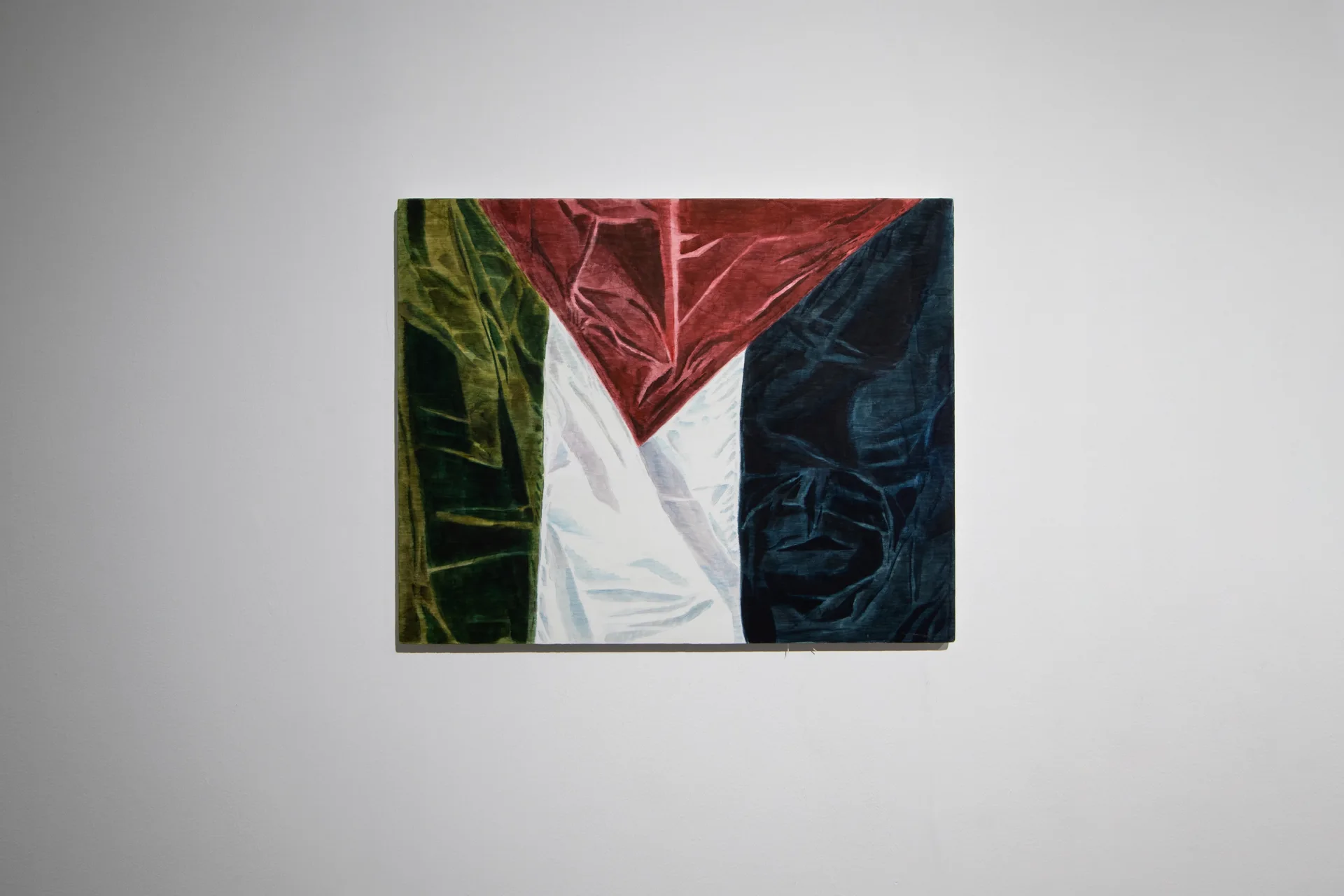
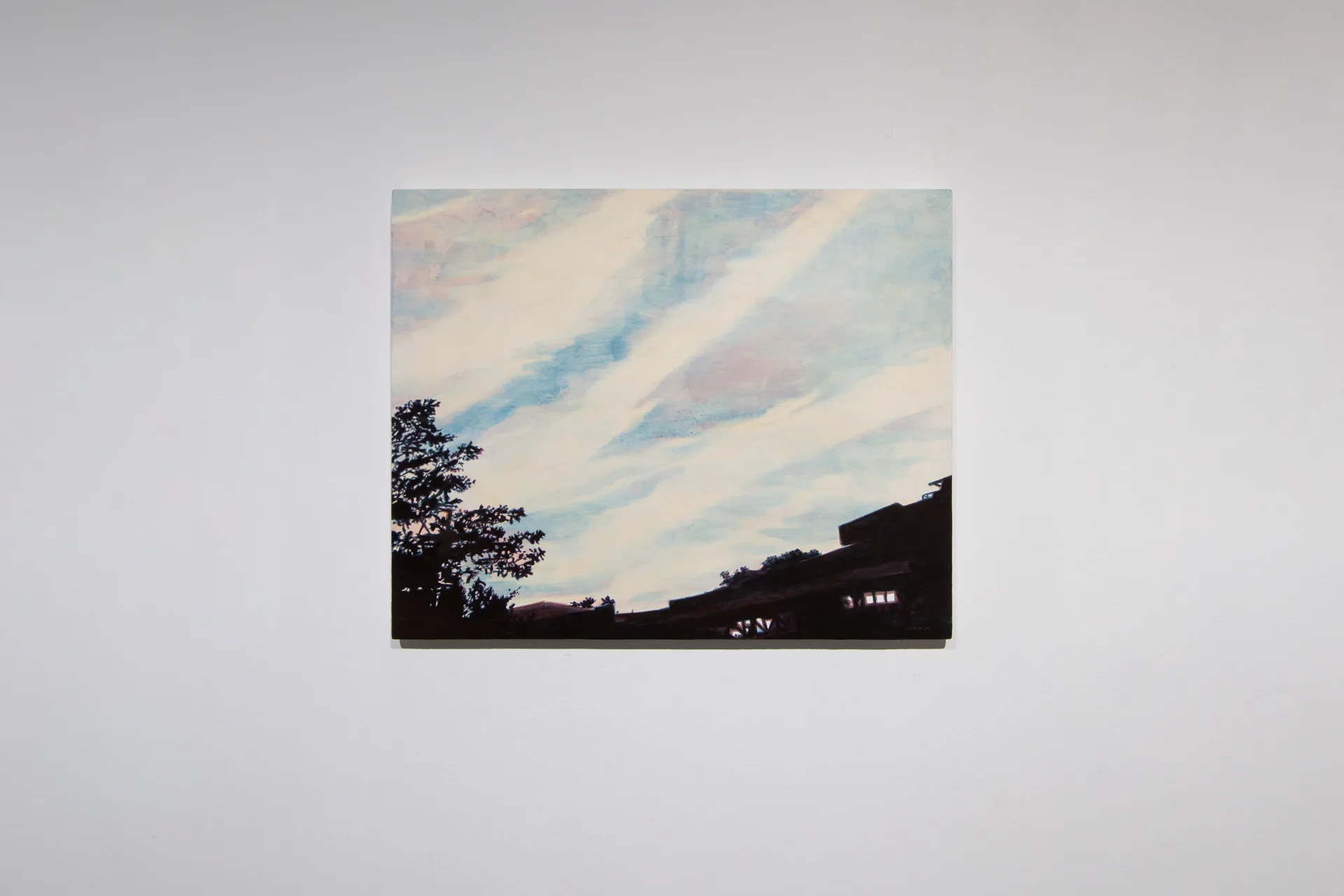
There is a newfound sense of enthusiasm in Allan Balisi’s paintings—subtle, yet imbued with an invigorating keenness toward the possibilities of the artform. For over a decade, Balisi has drawn his subjects from found photographs and filmic scenographies, evoking captured moments through a disinterested approach to painting. Each painting demonstrates an arduous process in which he distills and re-frames images into his own distinct pictorial idiom.
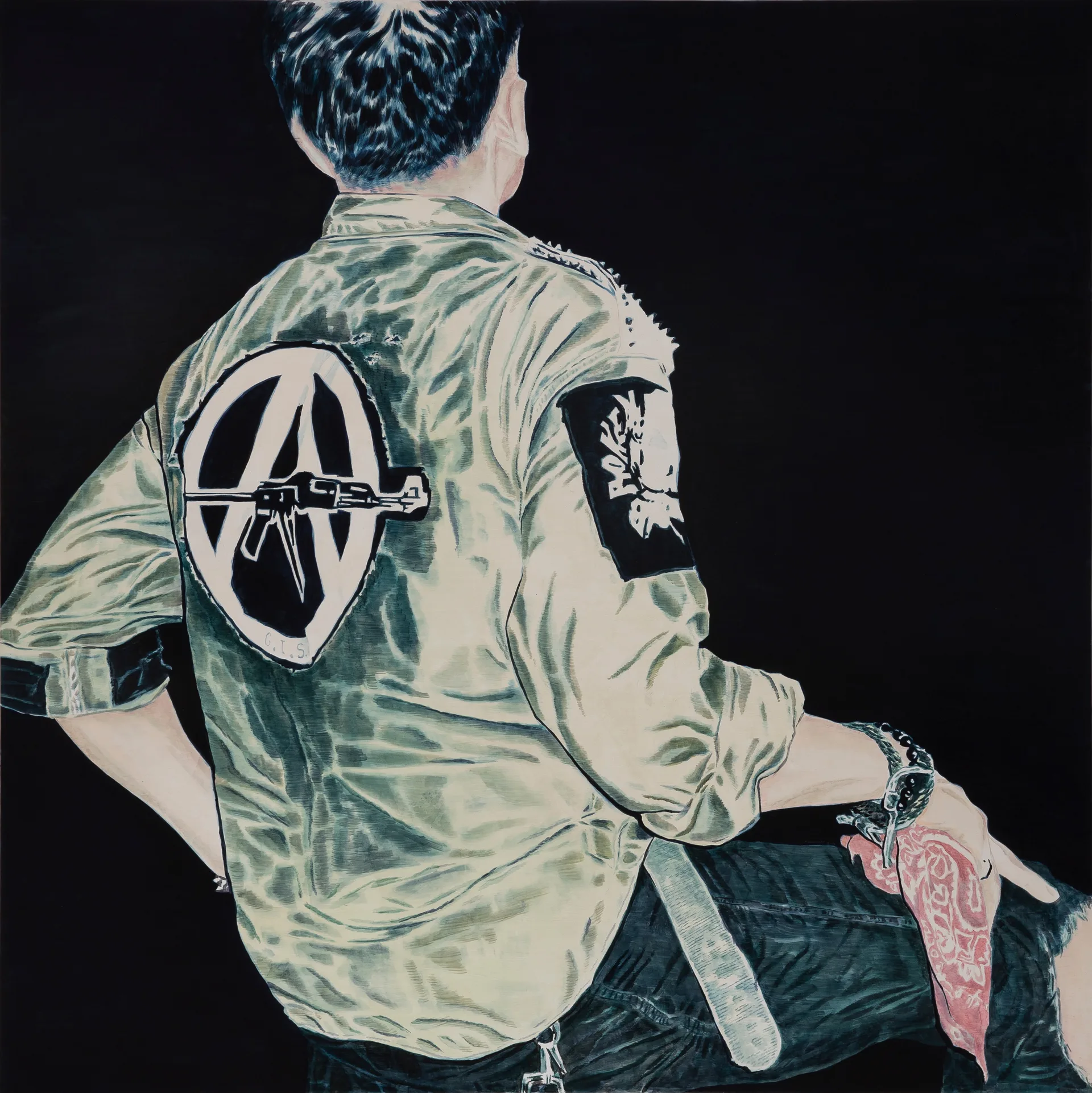
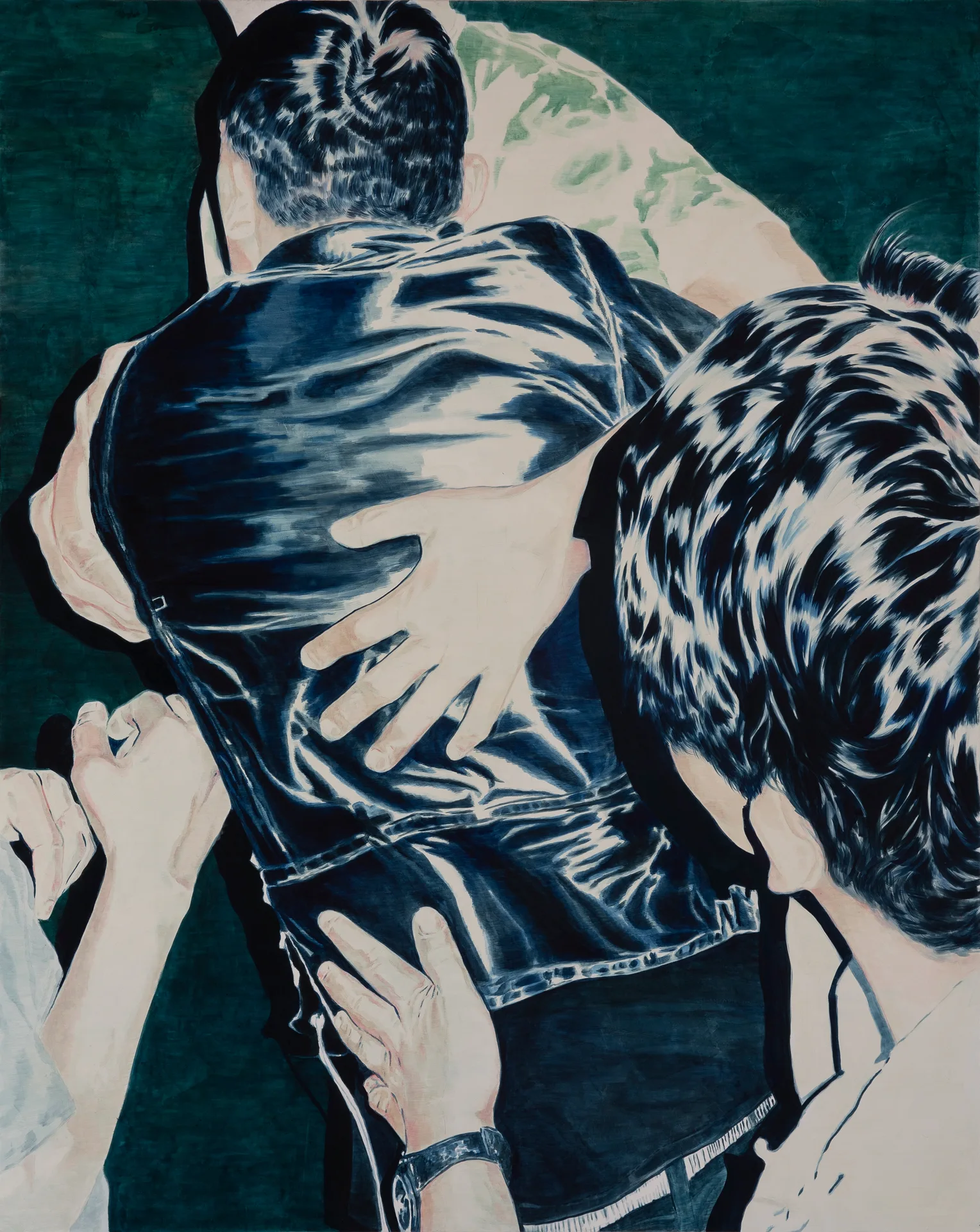
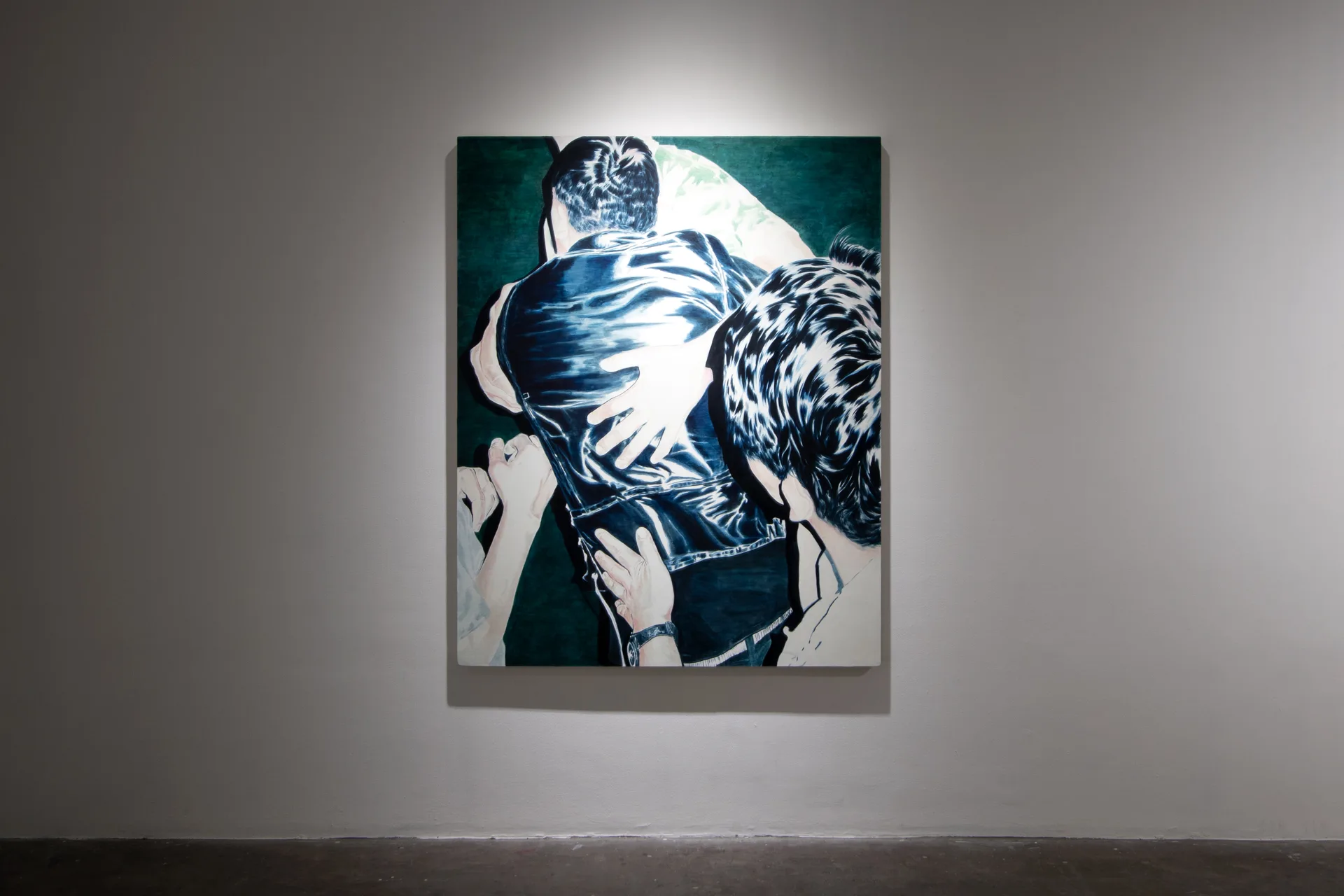
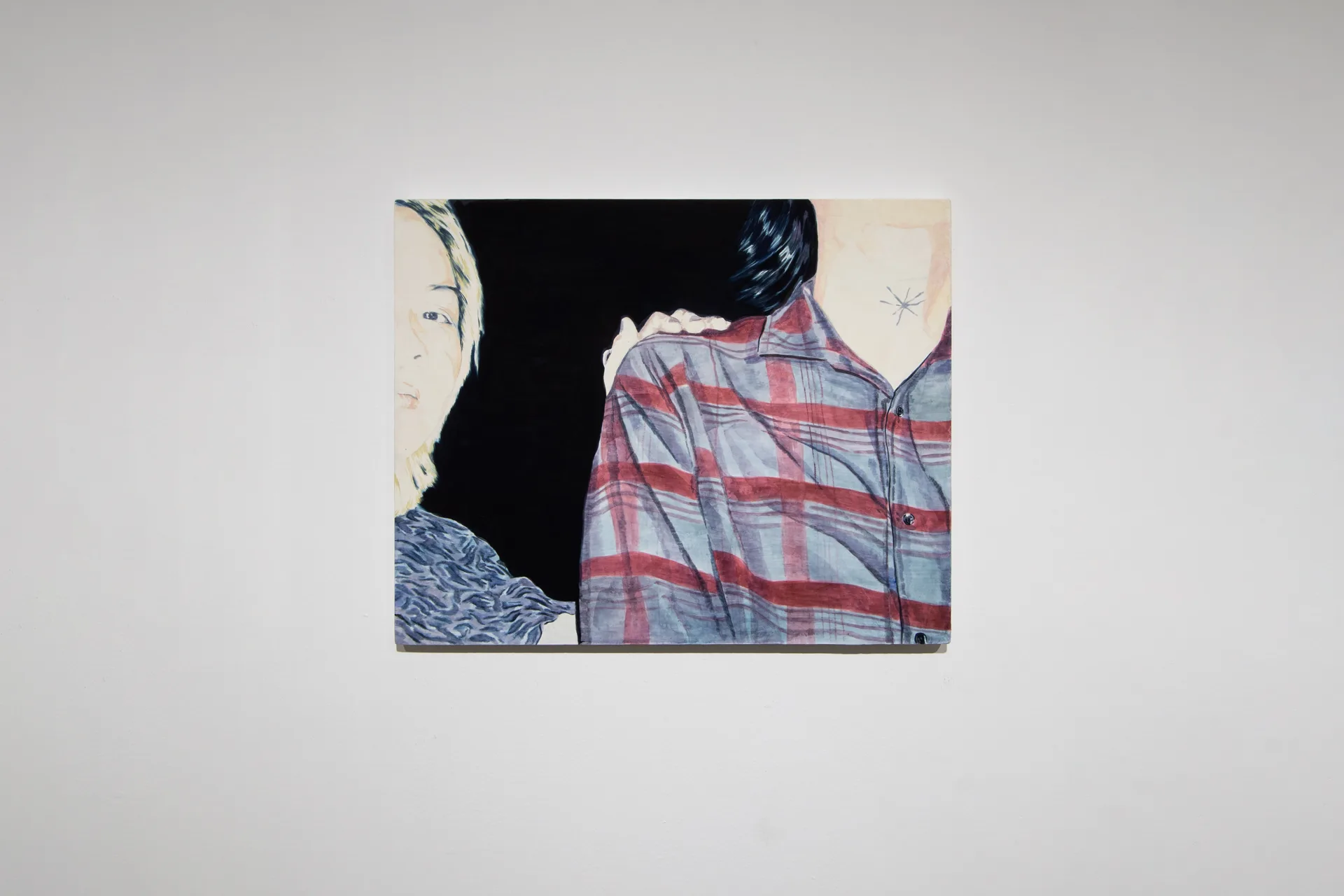
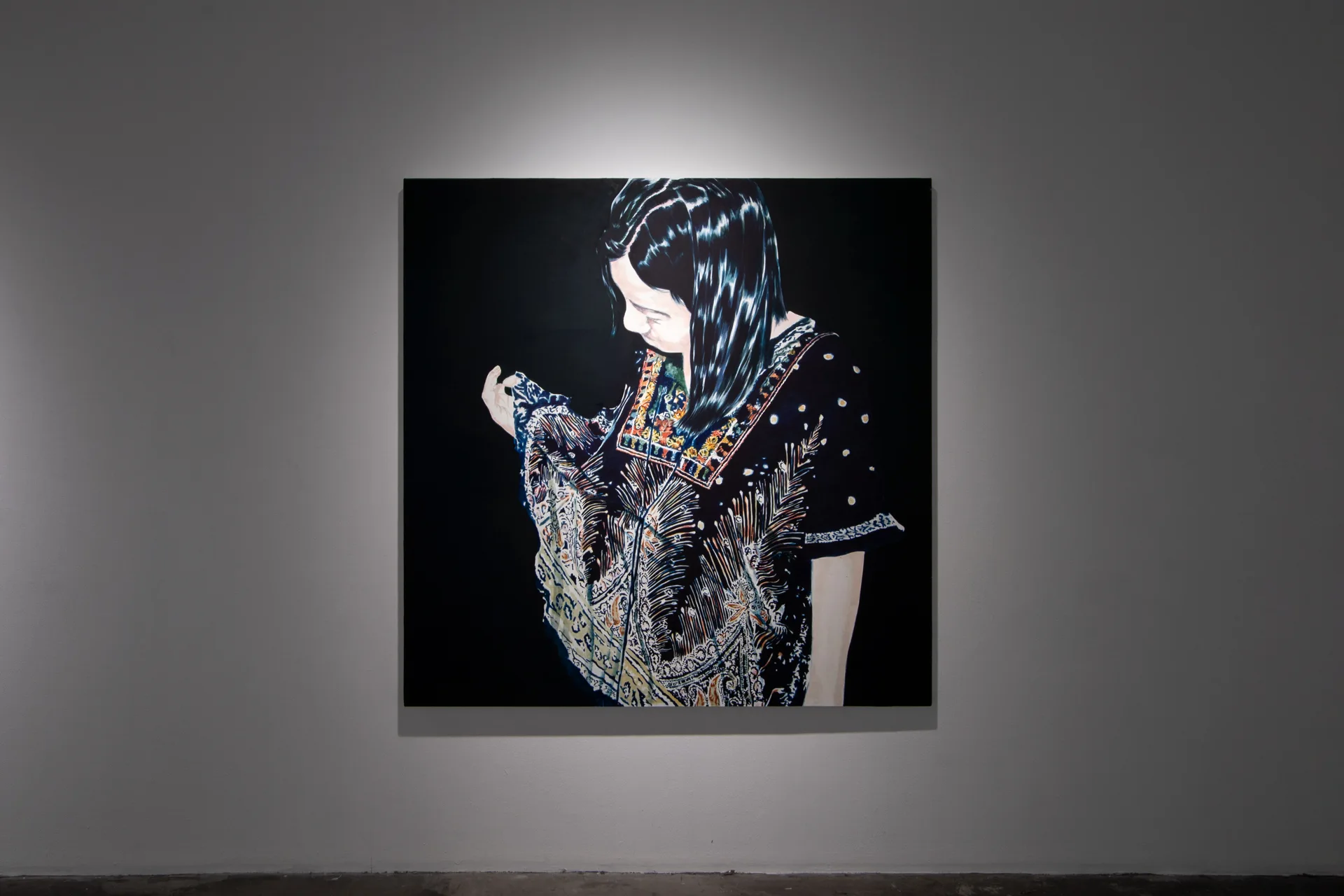
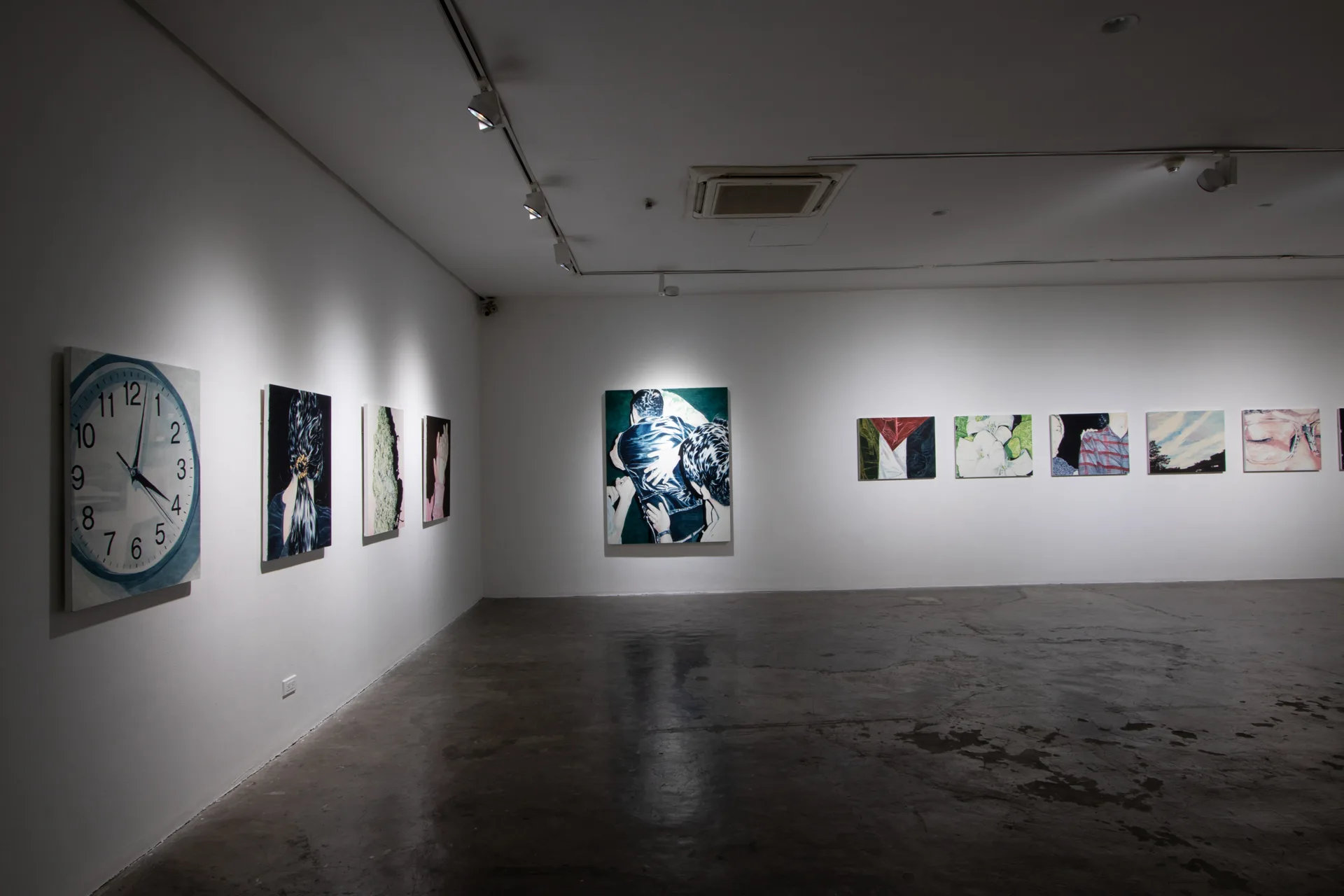
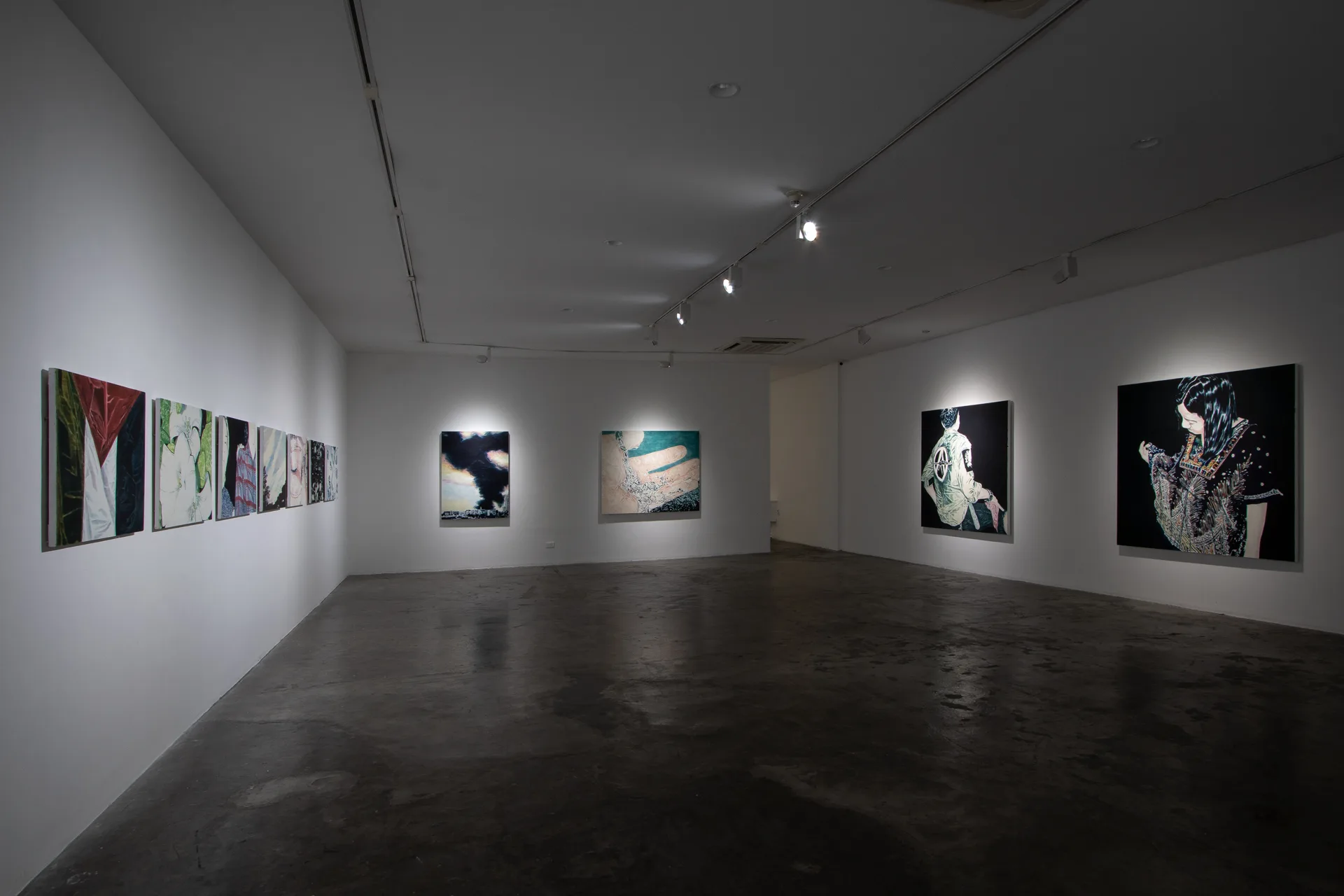
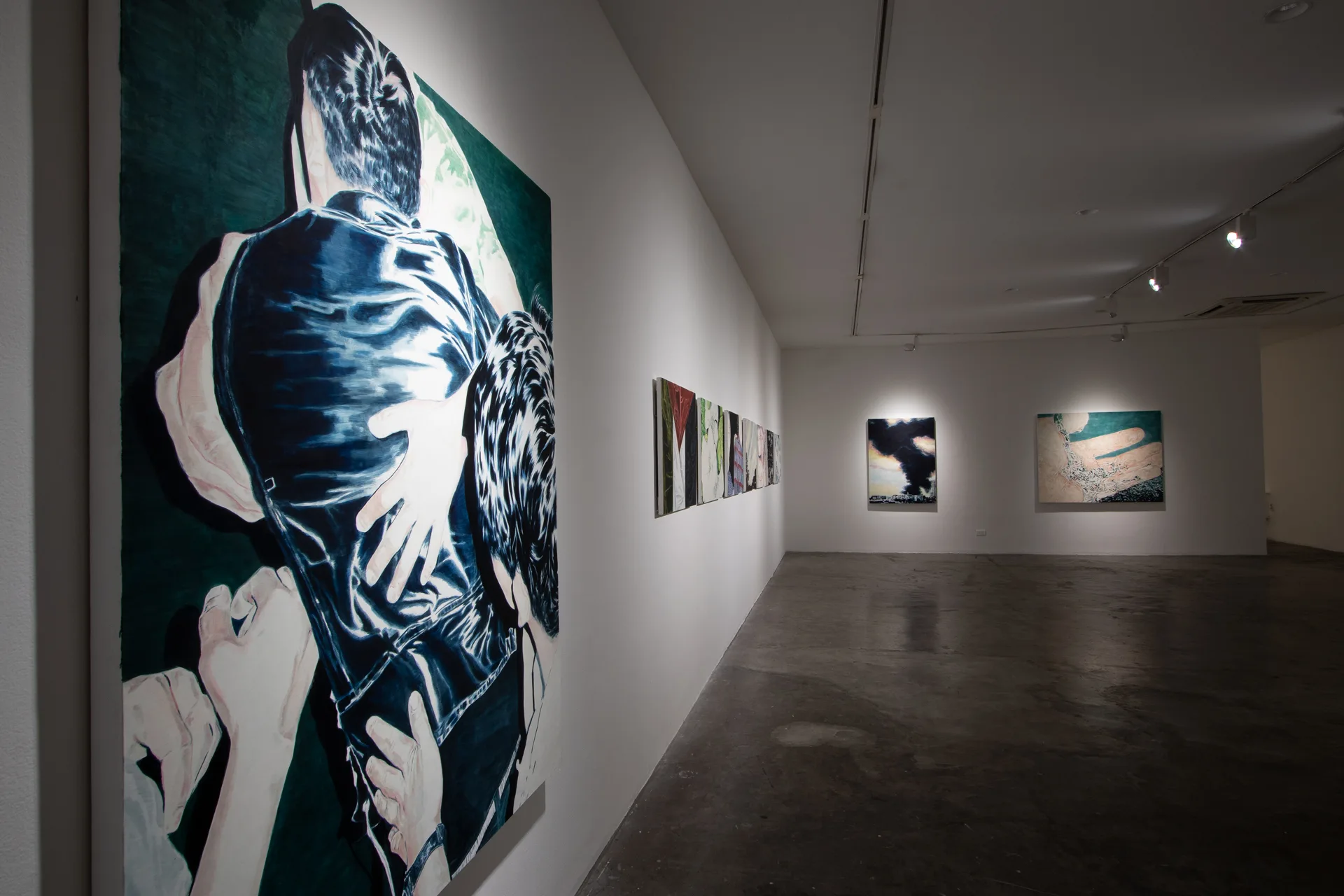
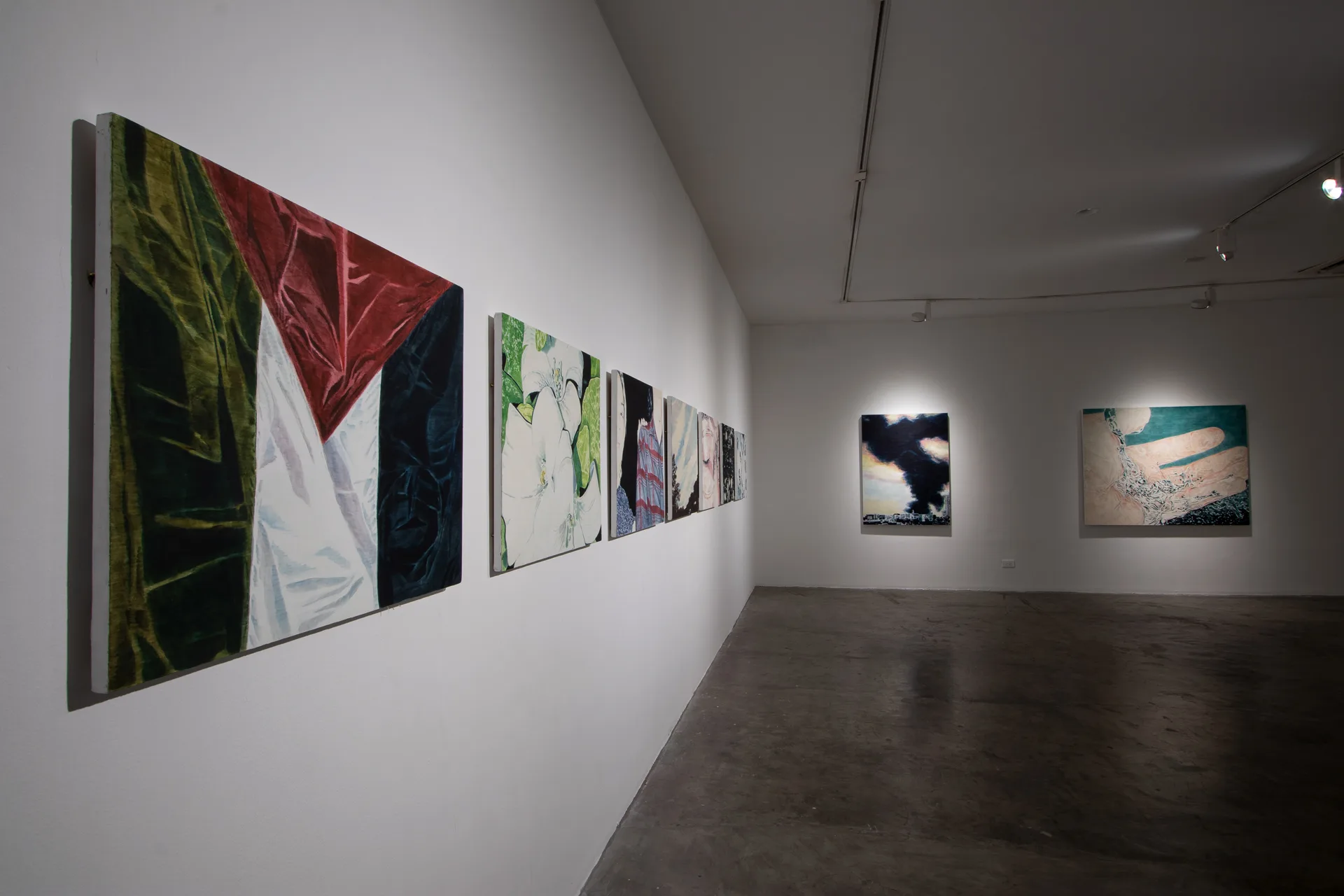
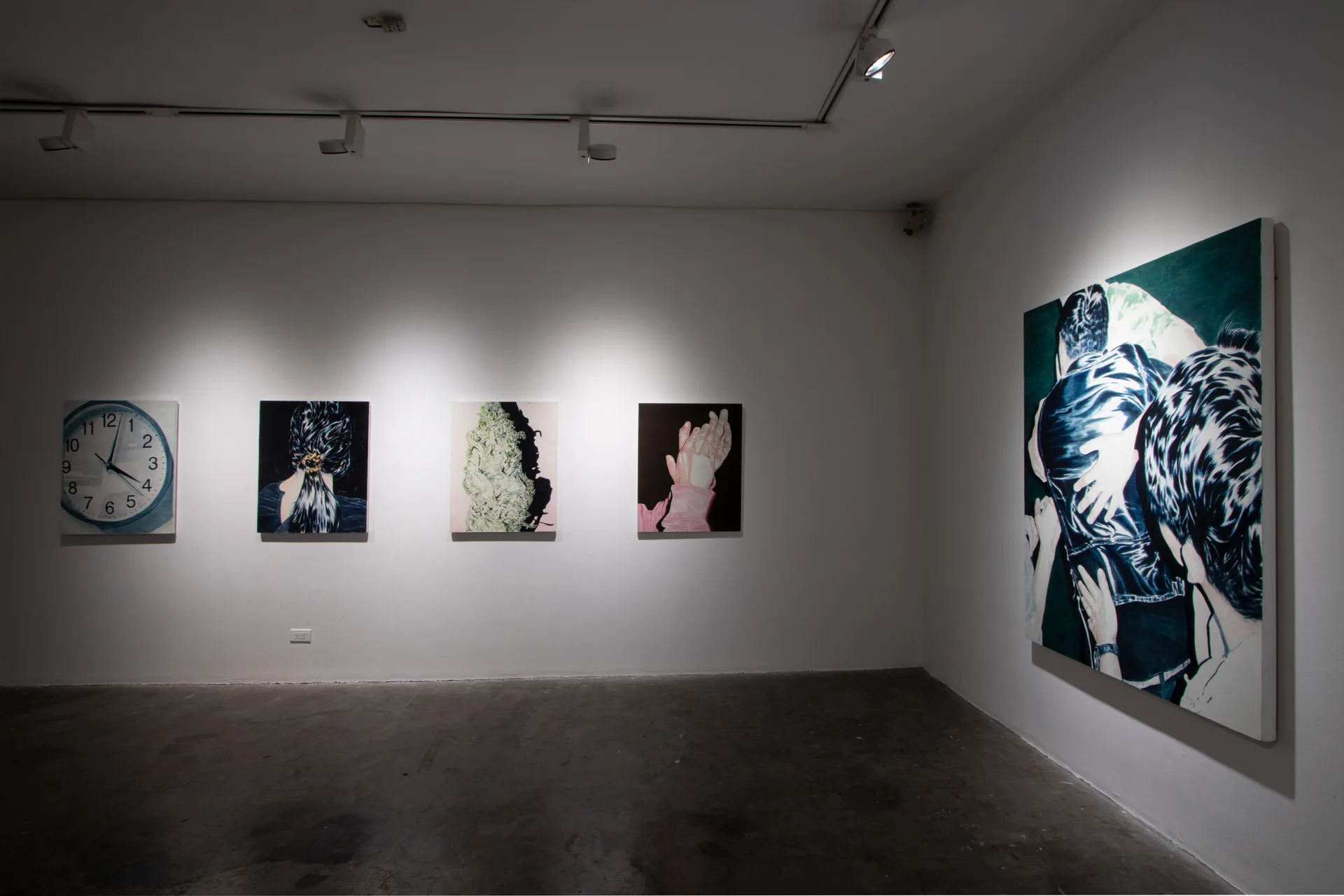
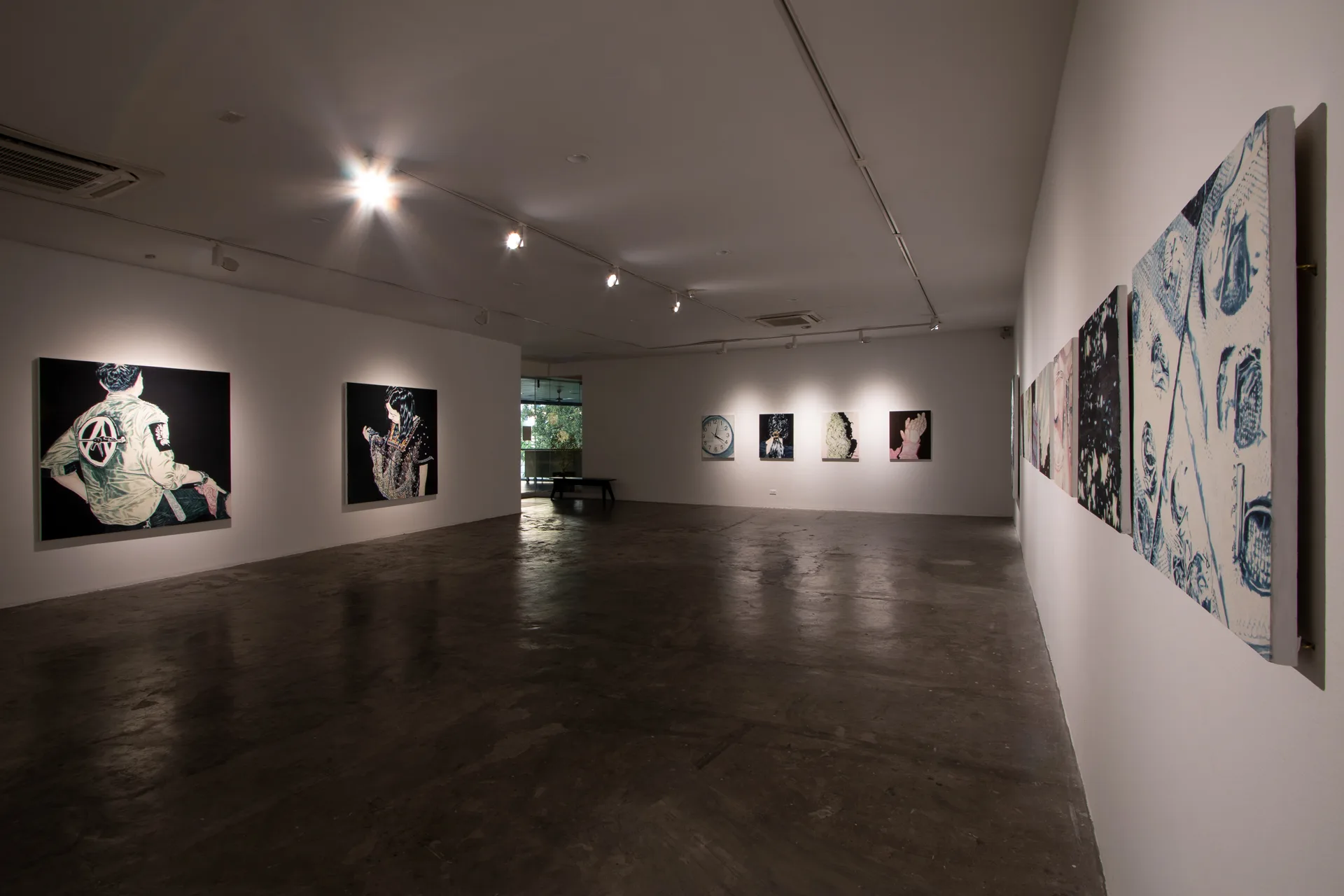
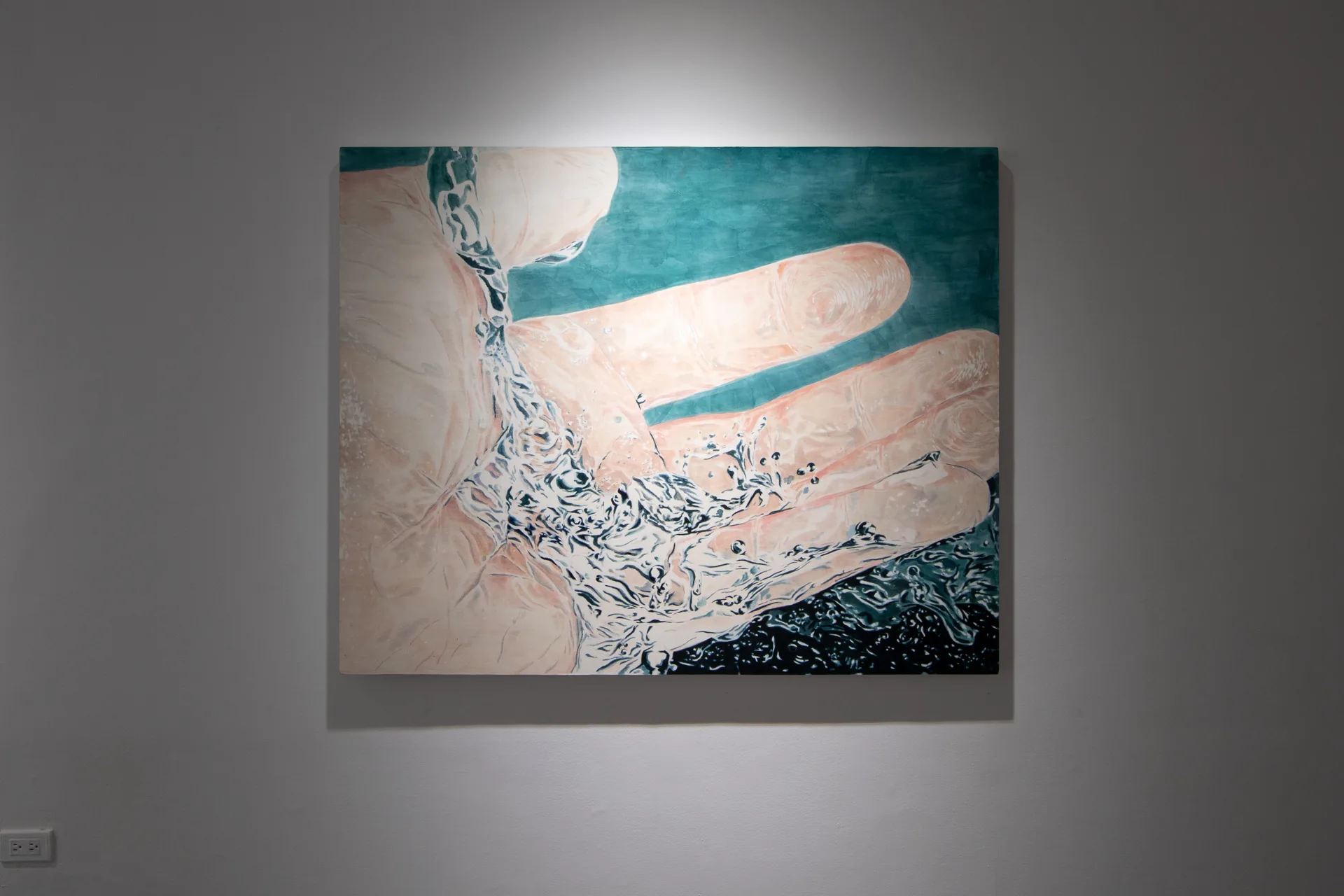
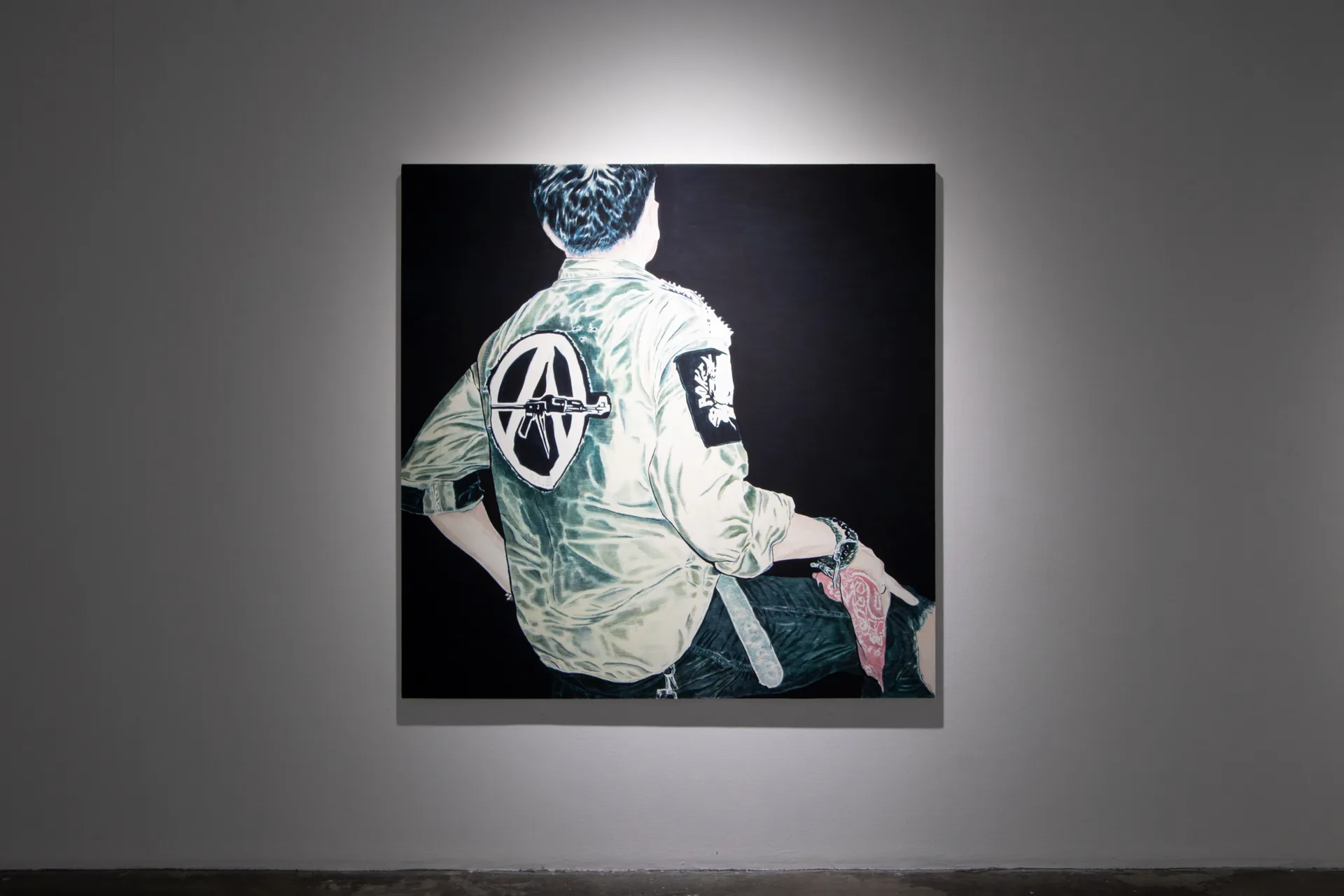
Salamander, Balisi’s first solo exhibition at MO_Space, marks a significant shift not only in the painting process of the artist, but the underlying motivations that enthuse him to create. The exhibition’s title makes direct reference to a species of amphibian capable of regenerating lost limbs and damaged body parts. This capacity for adaptation across varying environments becomes a compelling metaphor for his most recent preoccupations. As he rediscovers a mode of being attuned to the human condition—an individual that is receptive to surrounding social realities, cohabits shared spaces, and interacts with others—Balisi begins to depict everyday experiences and encounters. Some are scenes drawn from punk and underground events, subcultures by which he is strongly influenced. In one painting, he illustrates a figure seen from behind, posed in a commanding stance. The figure retains a sense of anonymity, yet the imposing print of a firearm on his jacket commands attention. This underscores Balisi’s deliberate choice in painting his subjects, intentional rather than derivative.
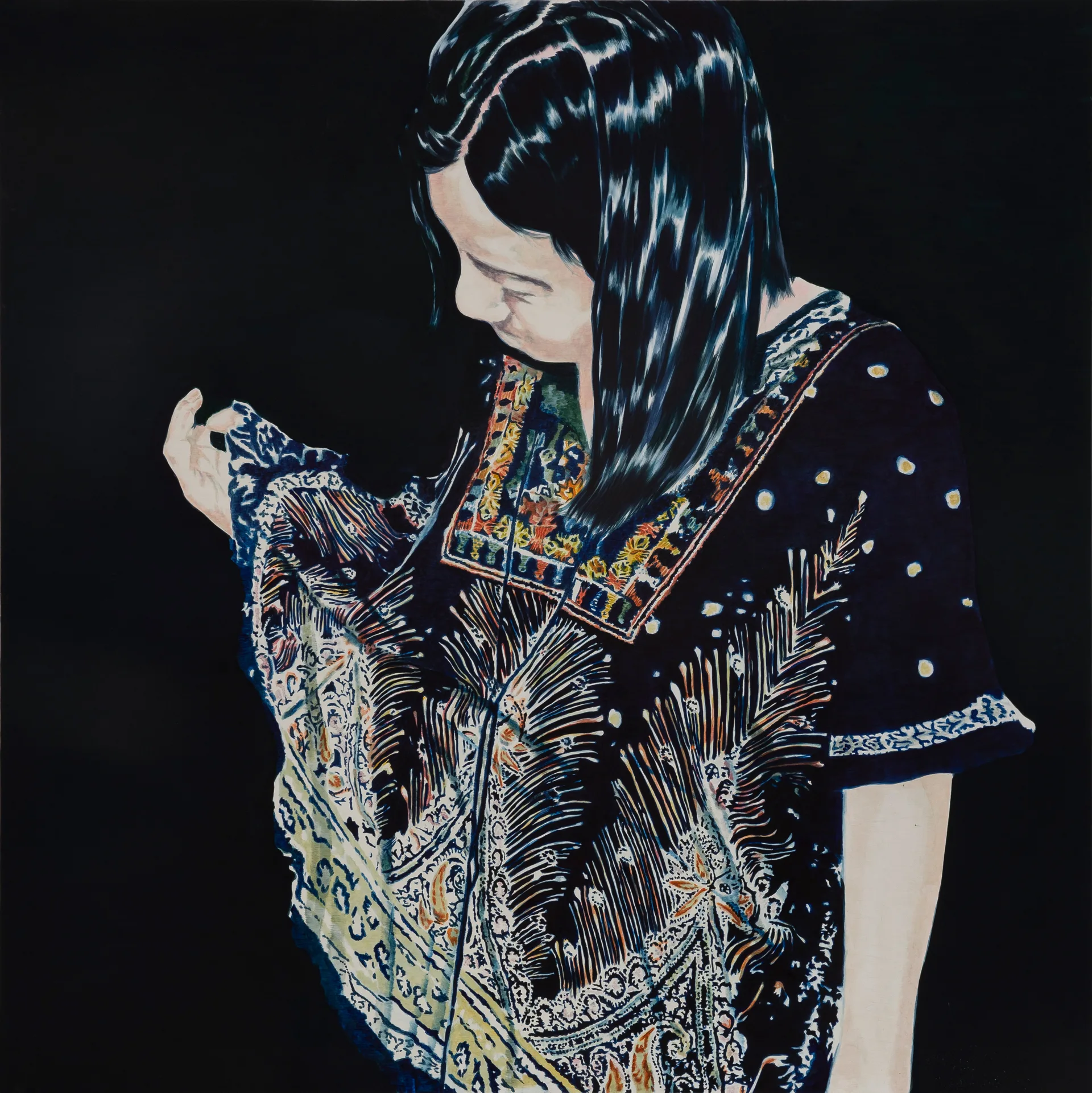
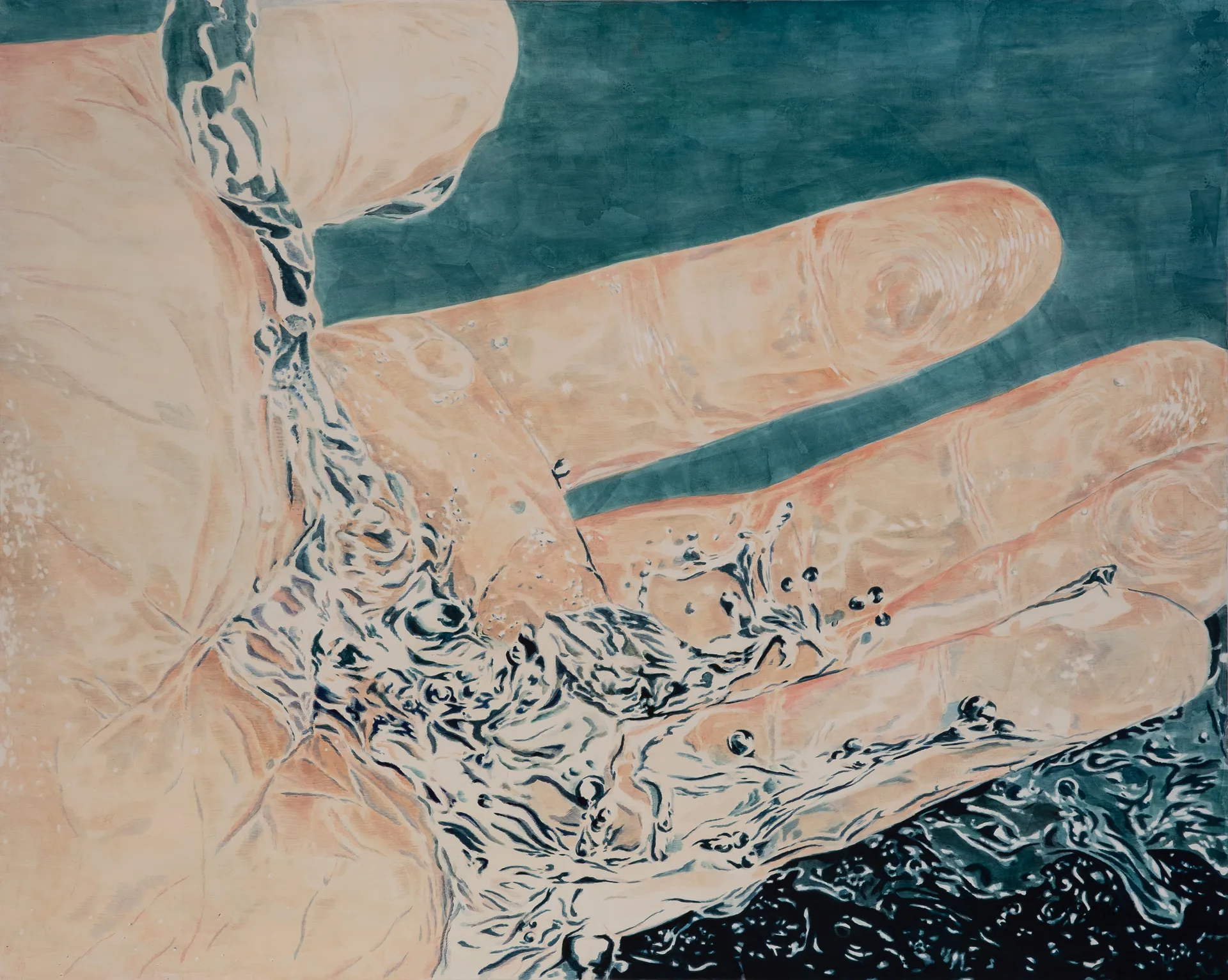
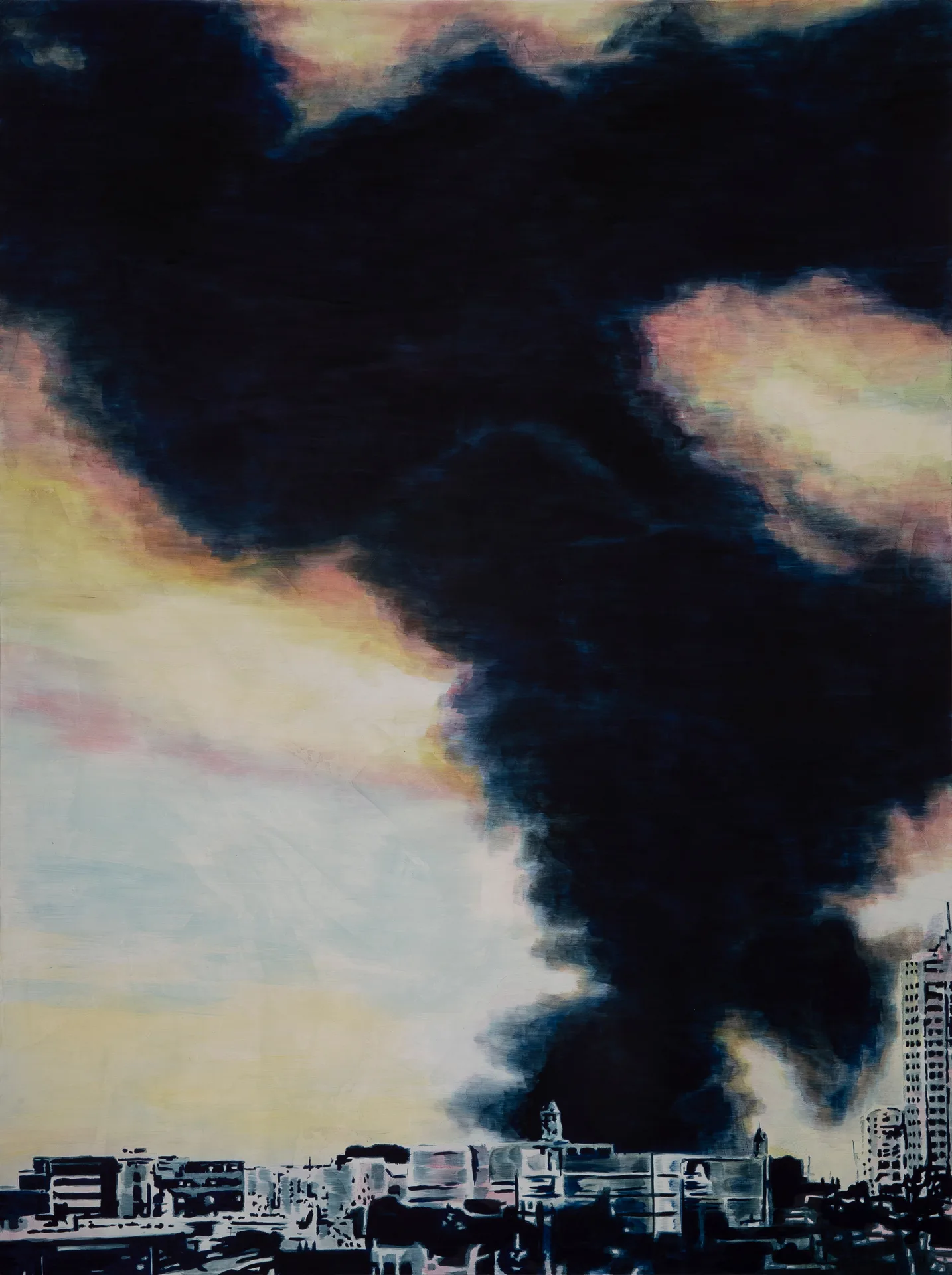
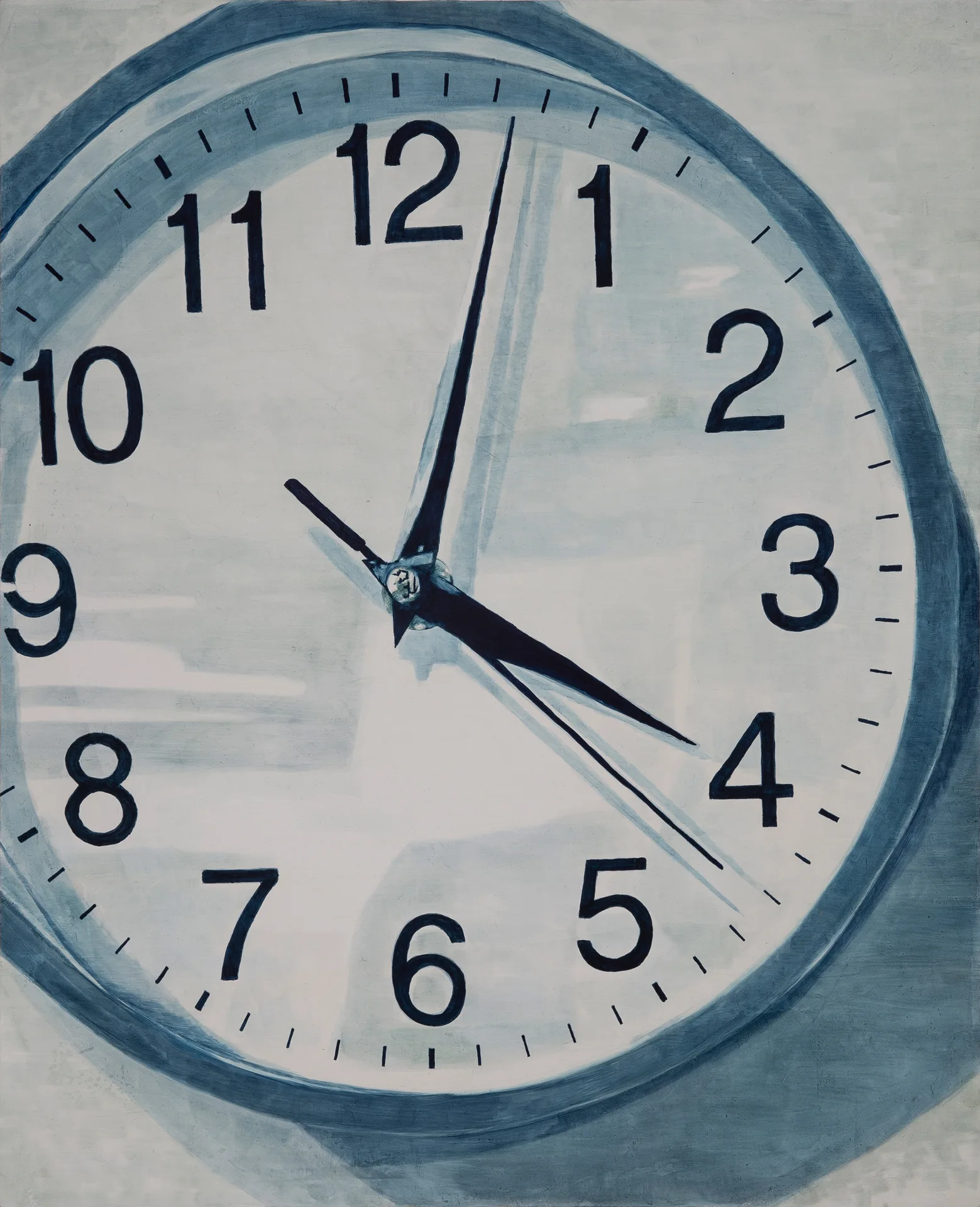
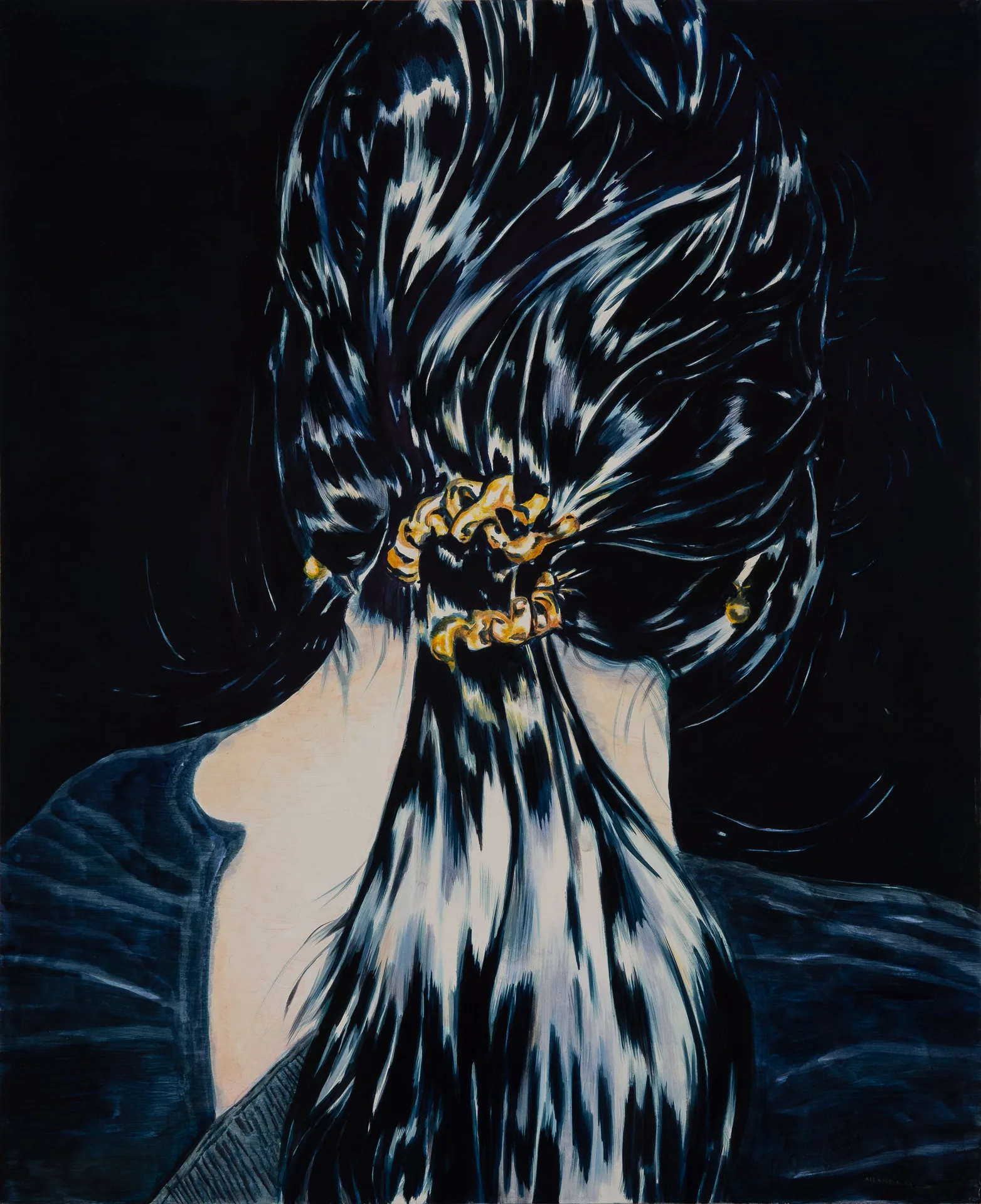
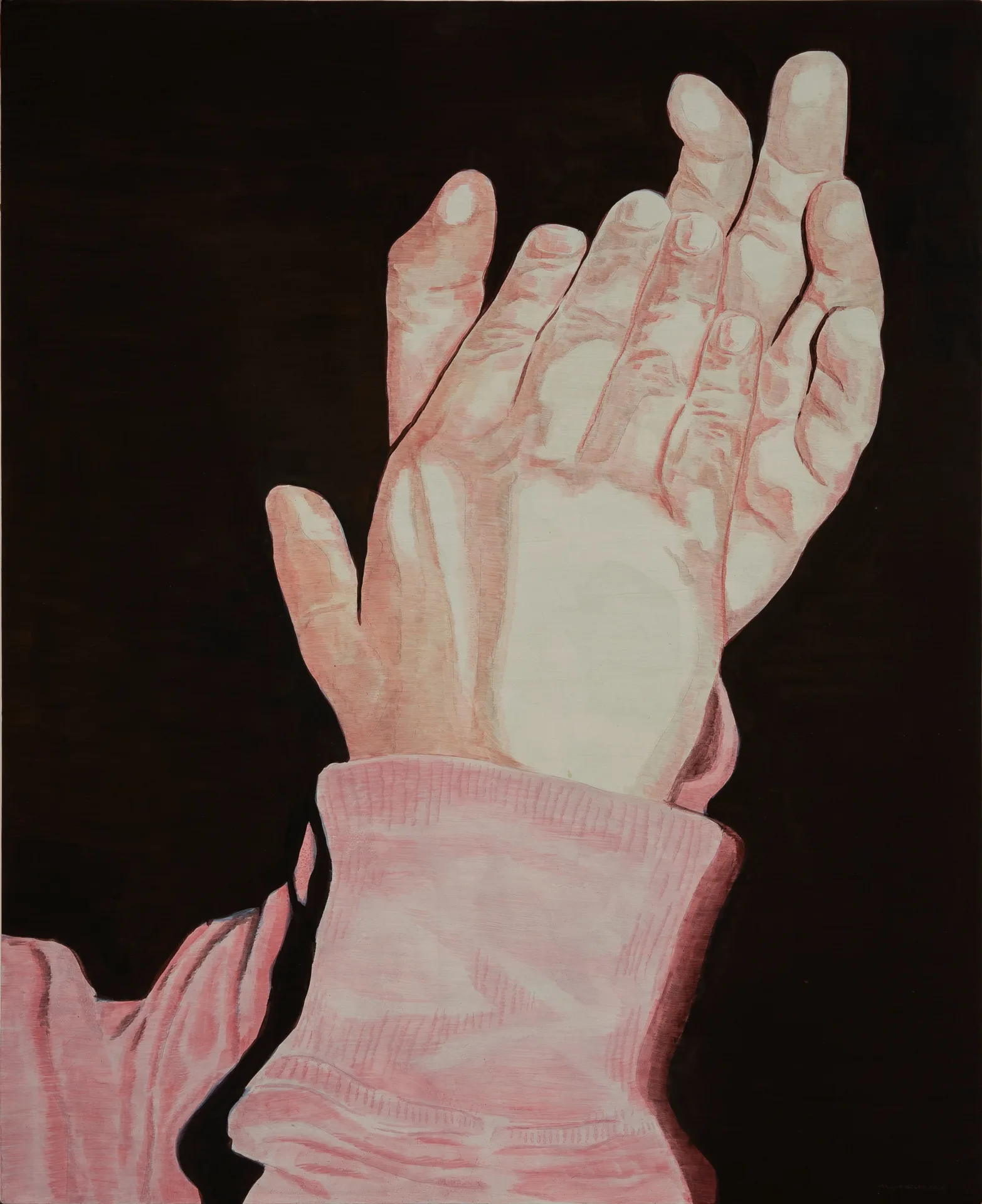
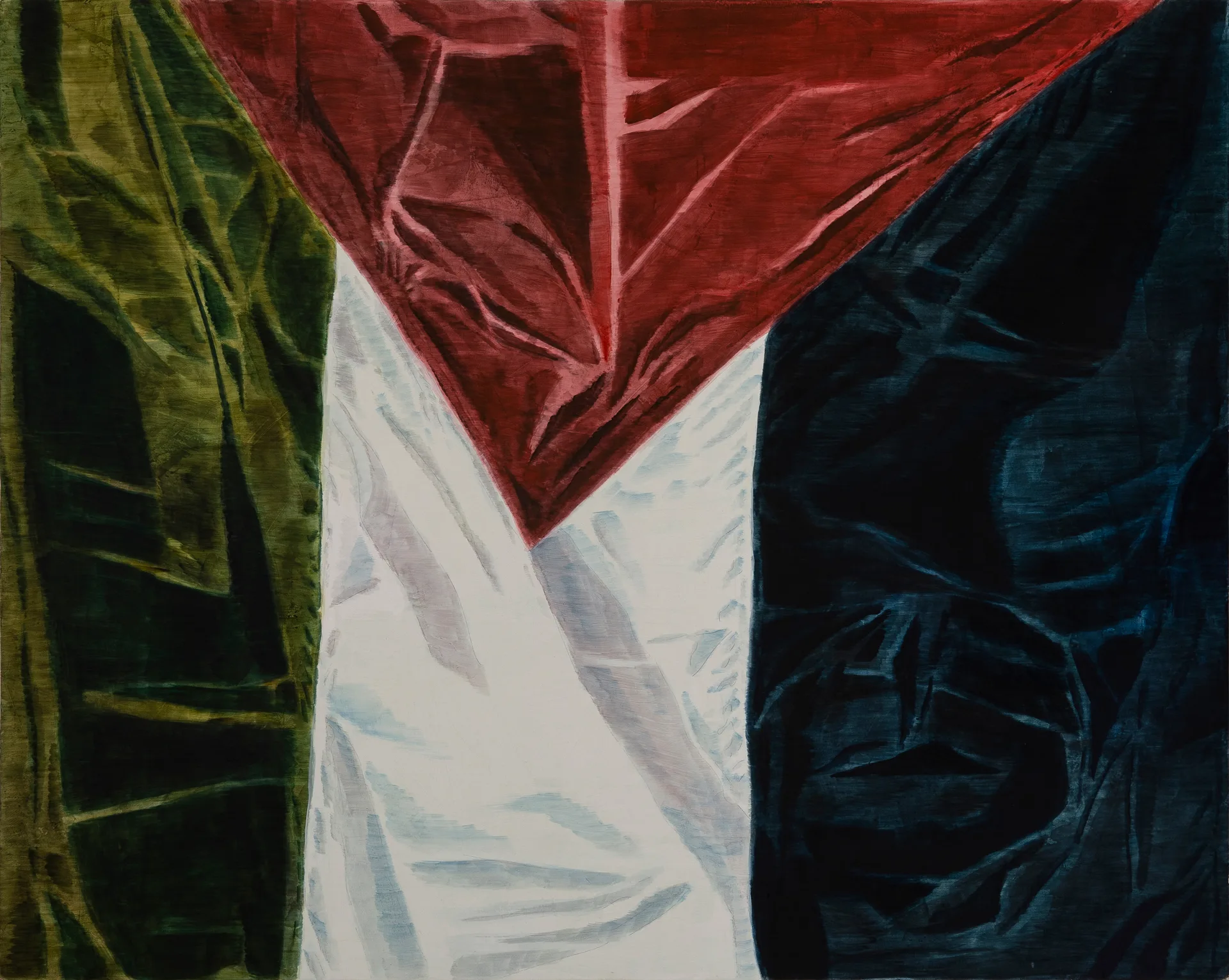
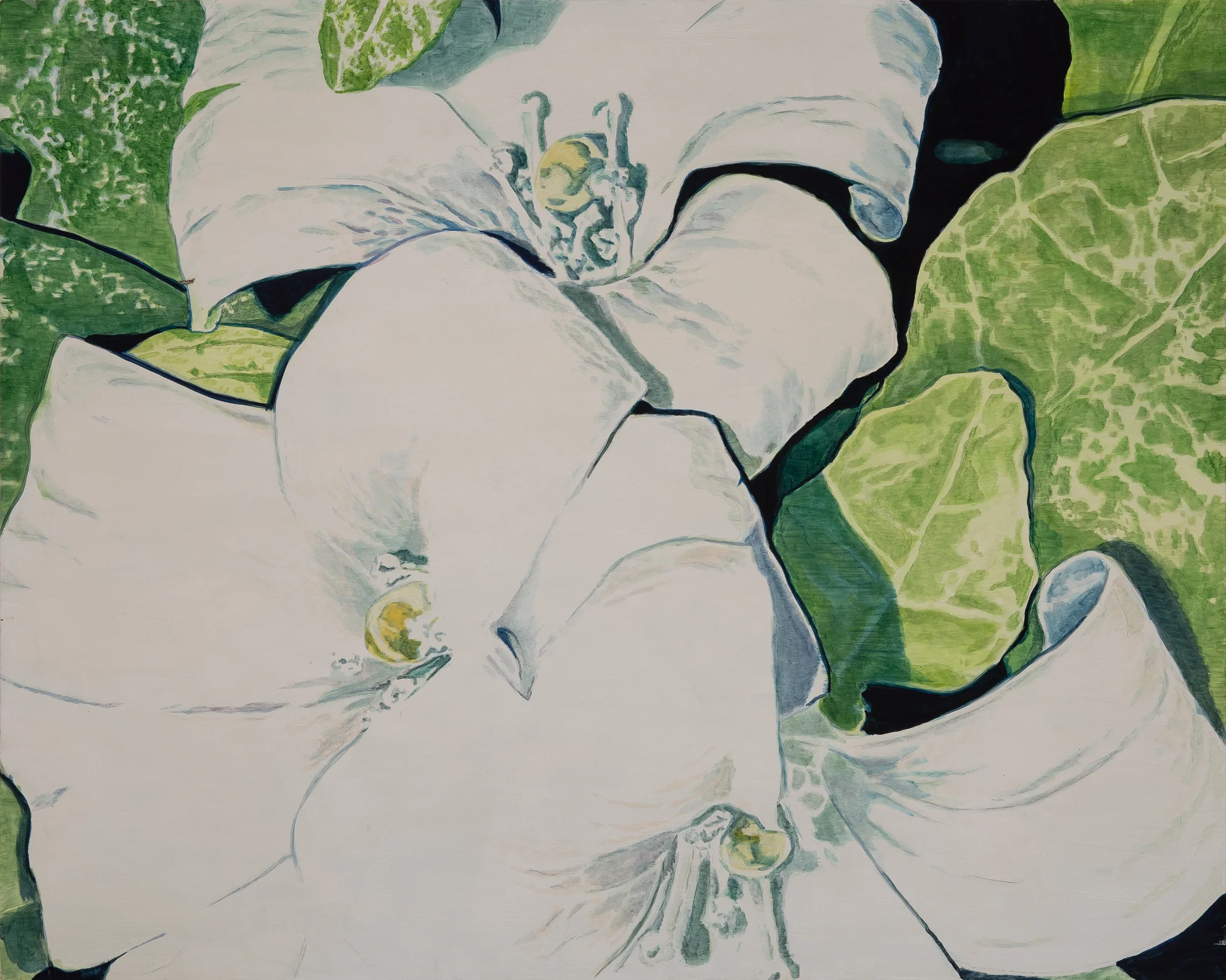
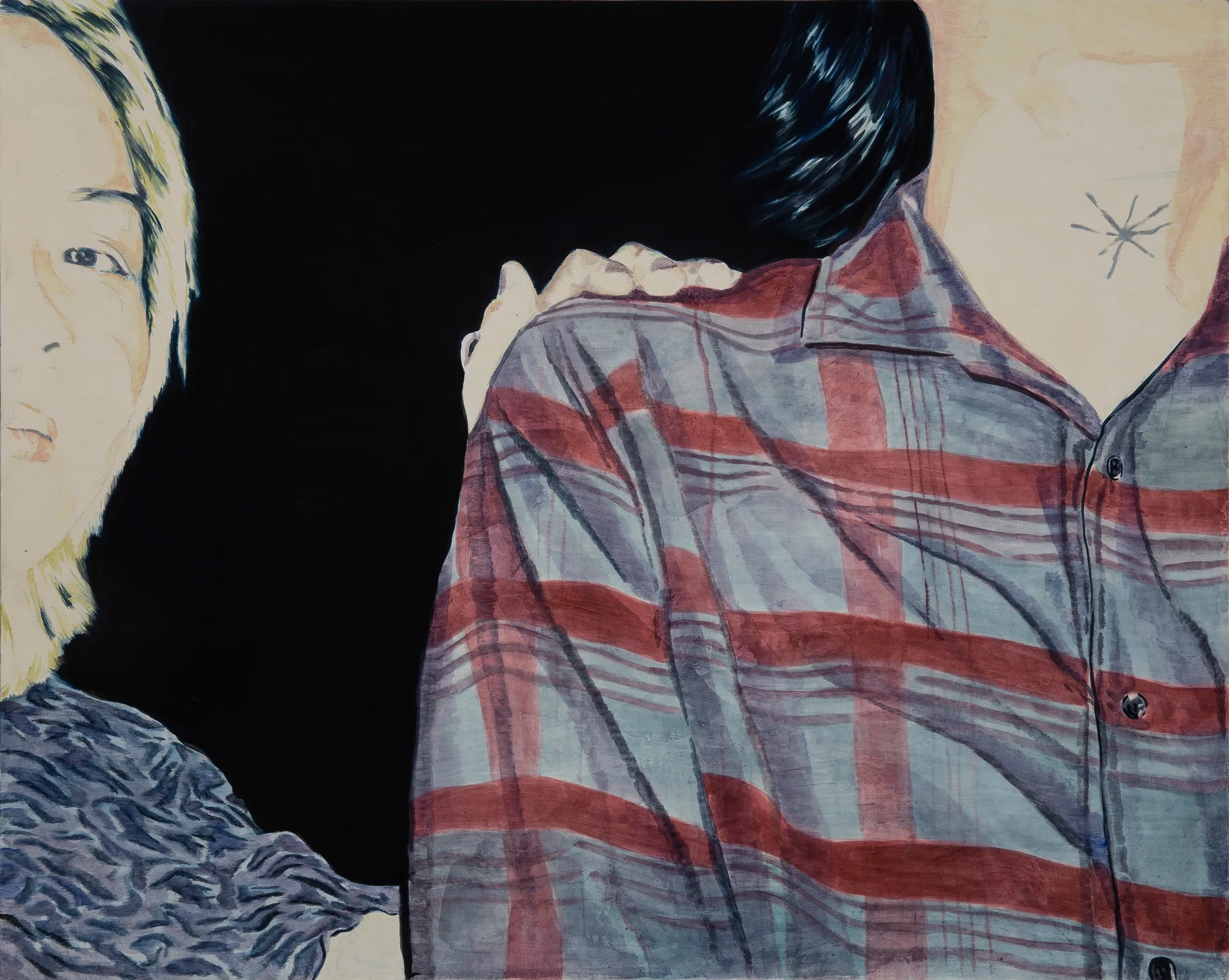
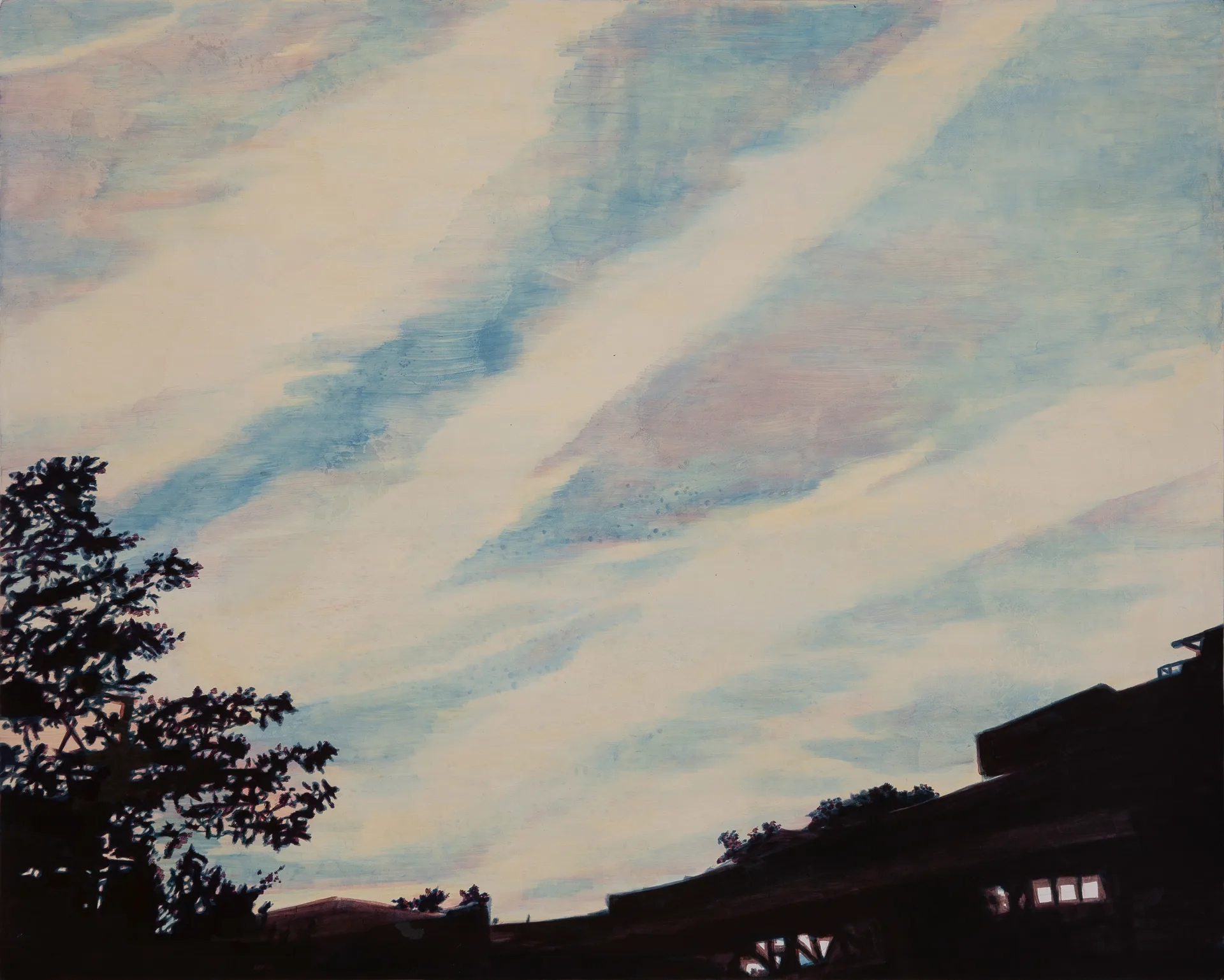
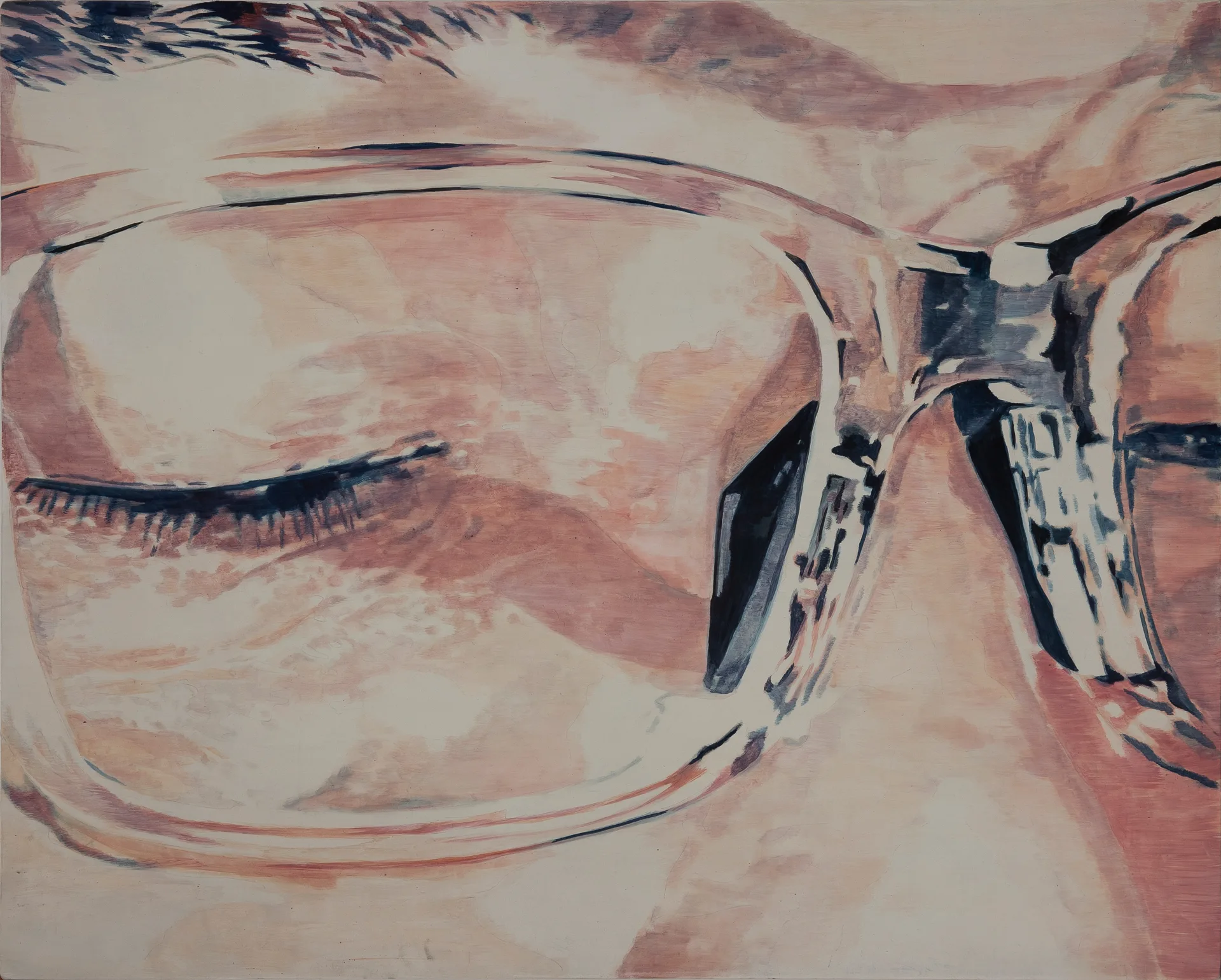
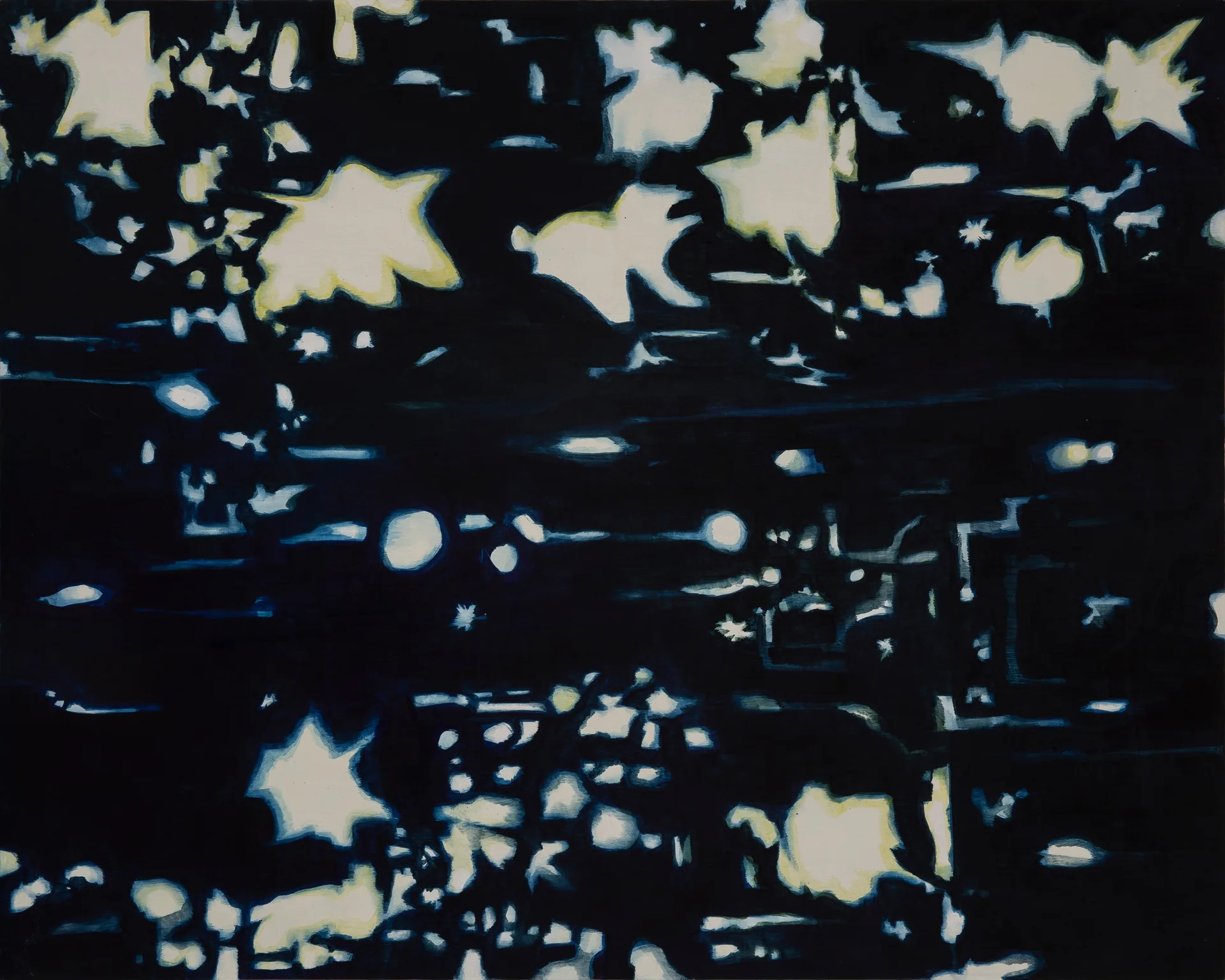
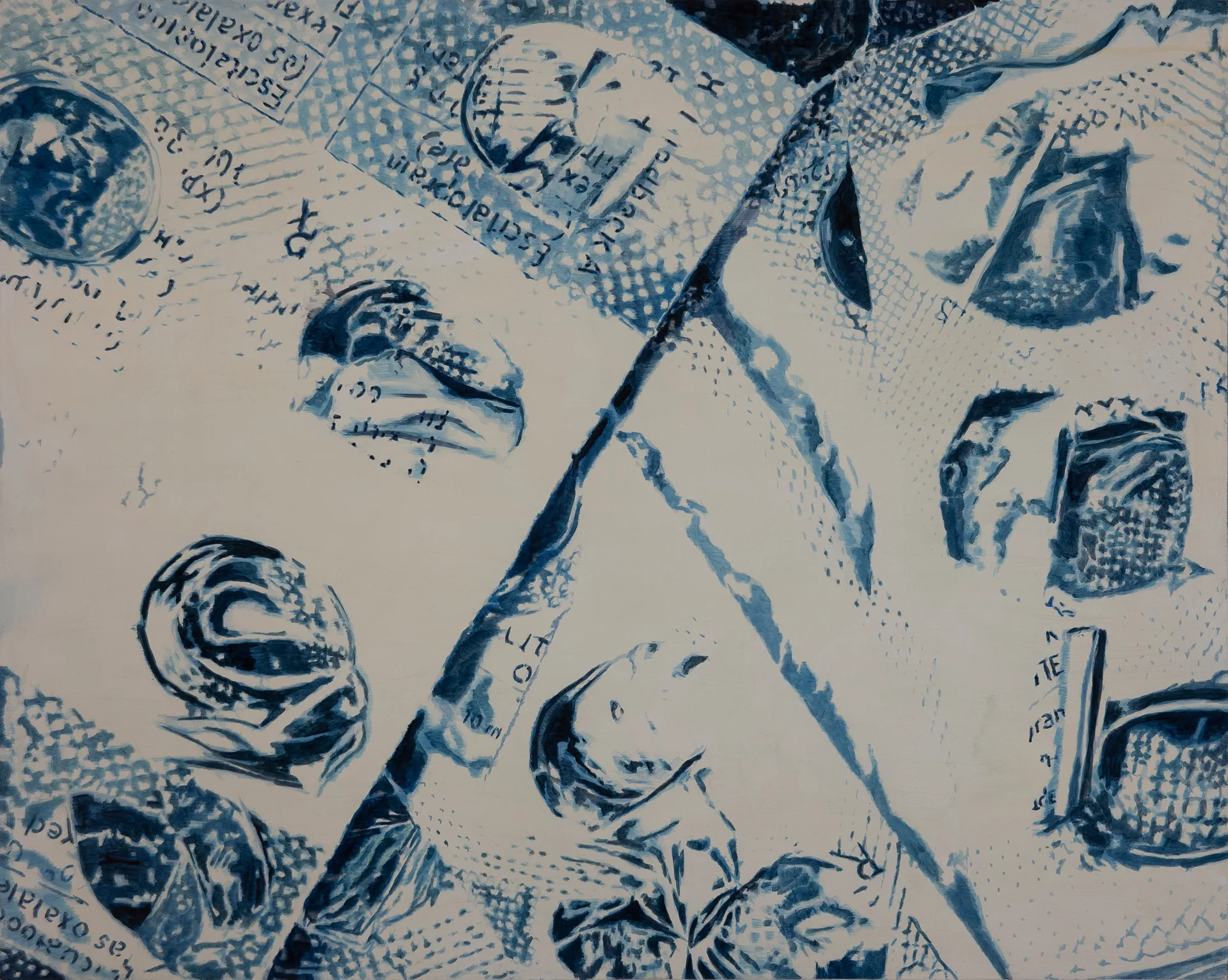
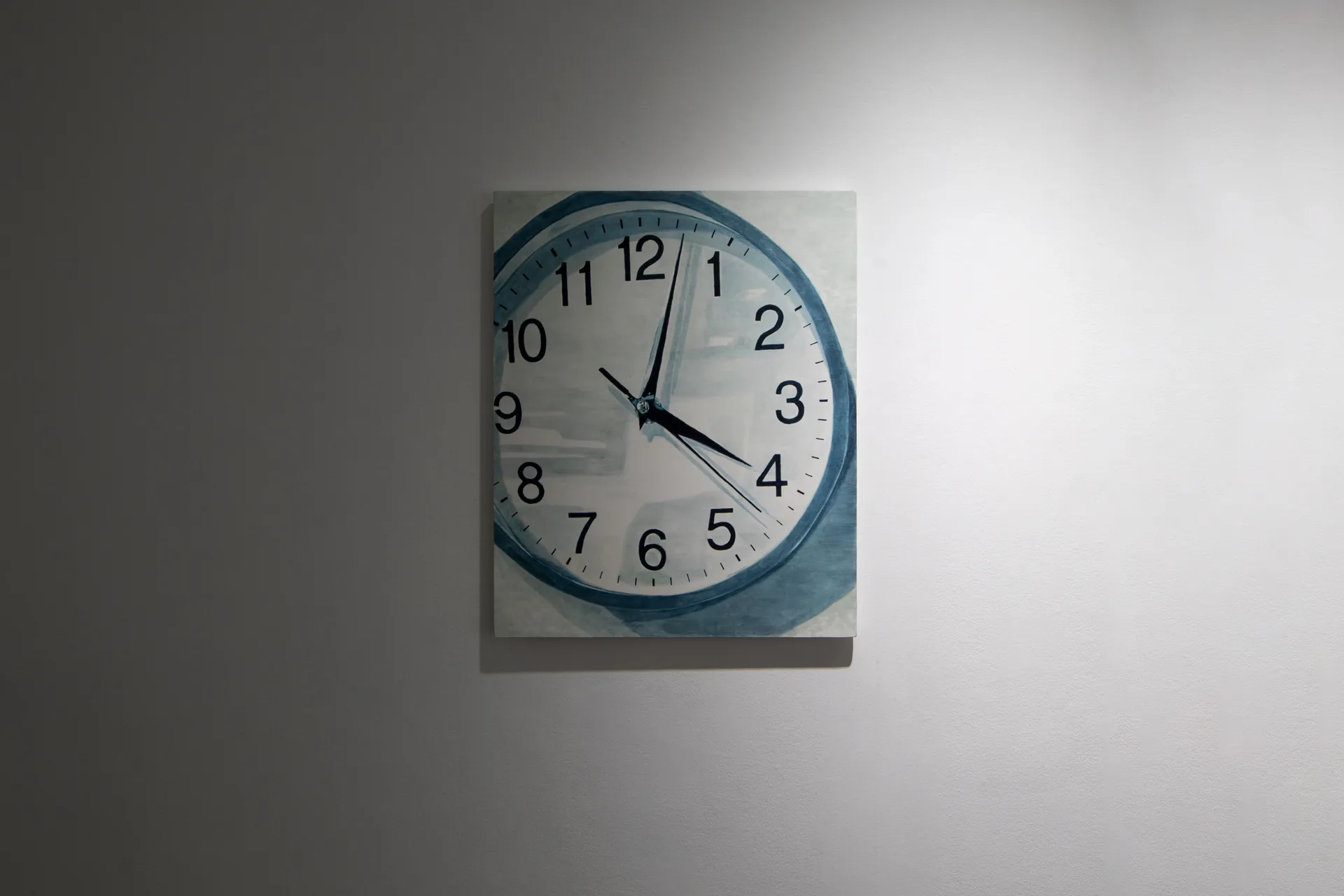
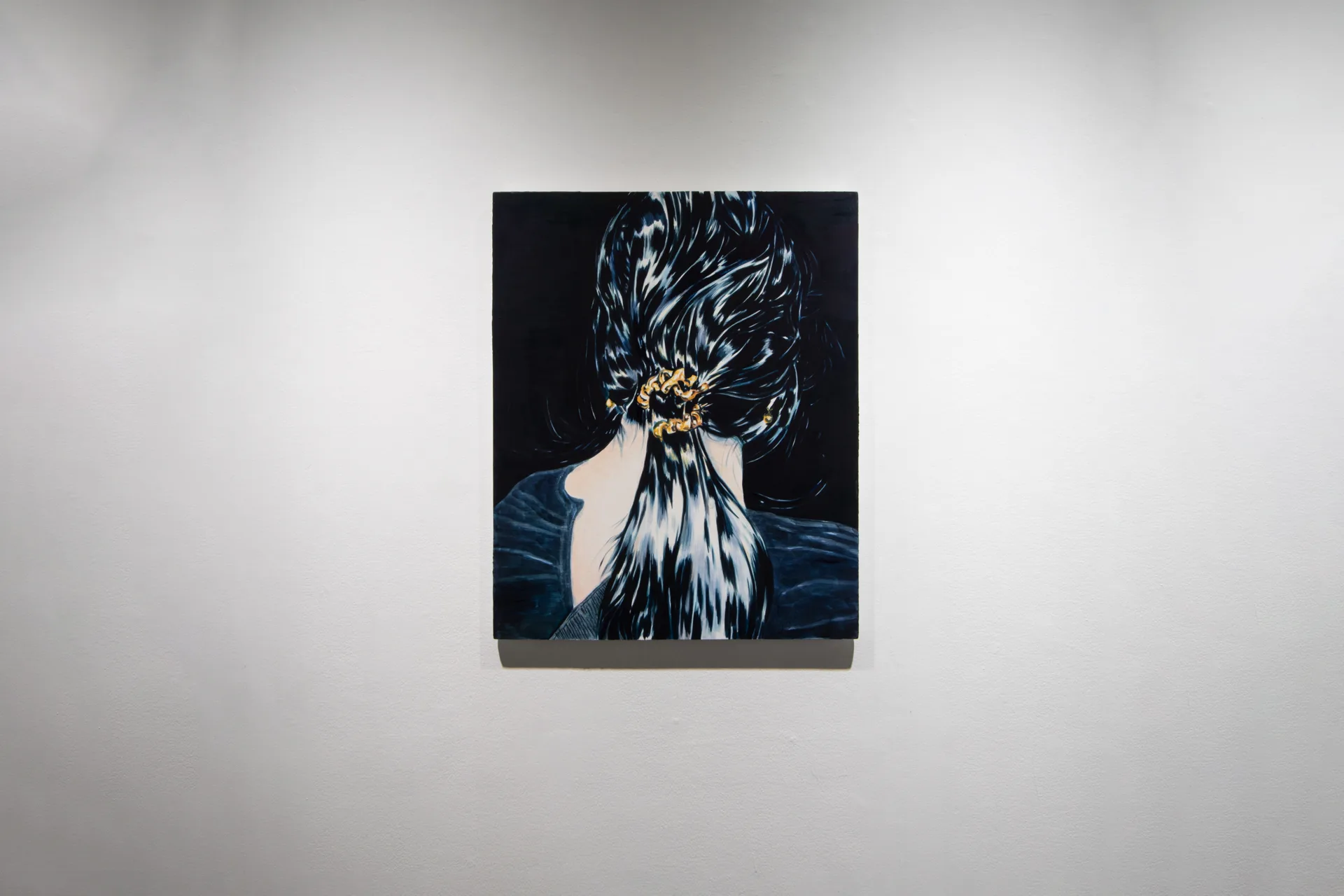
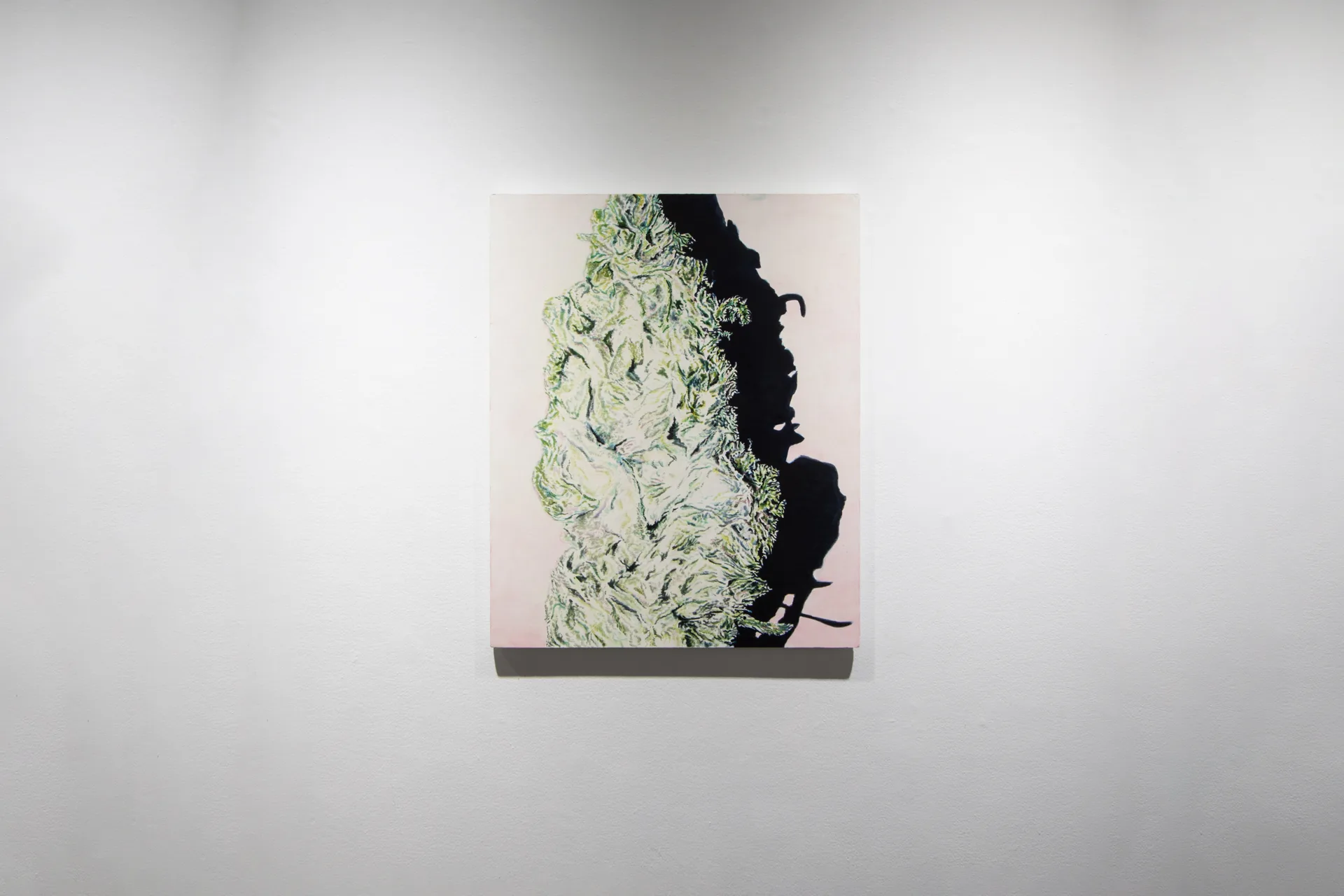
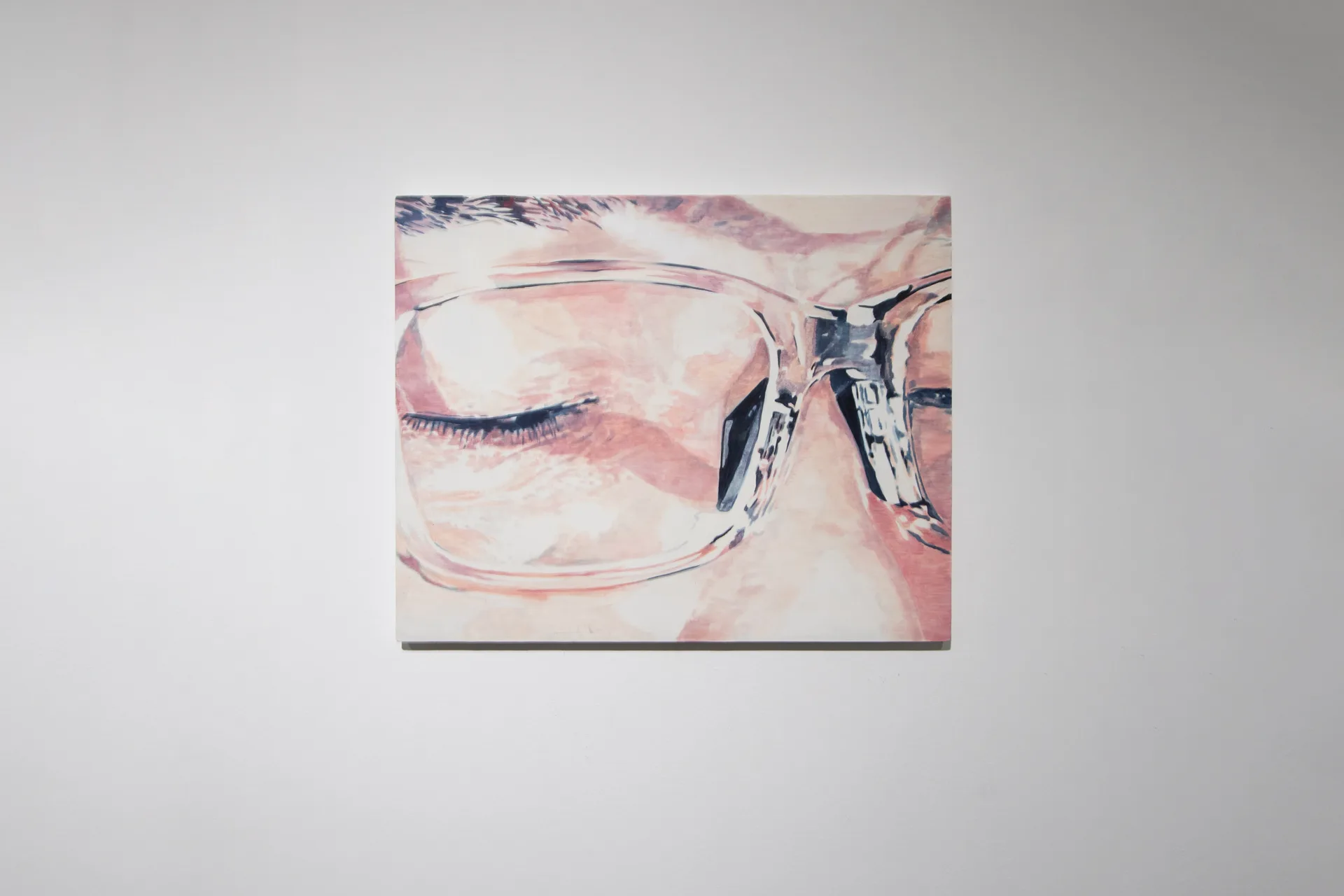
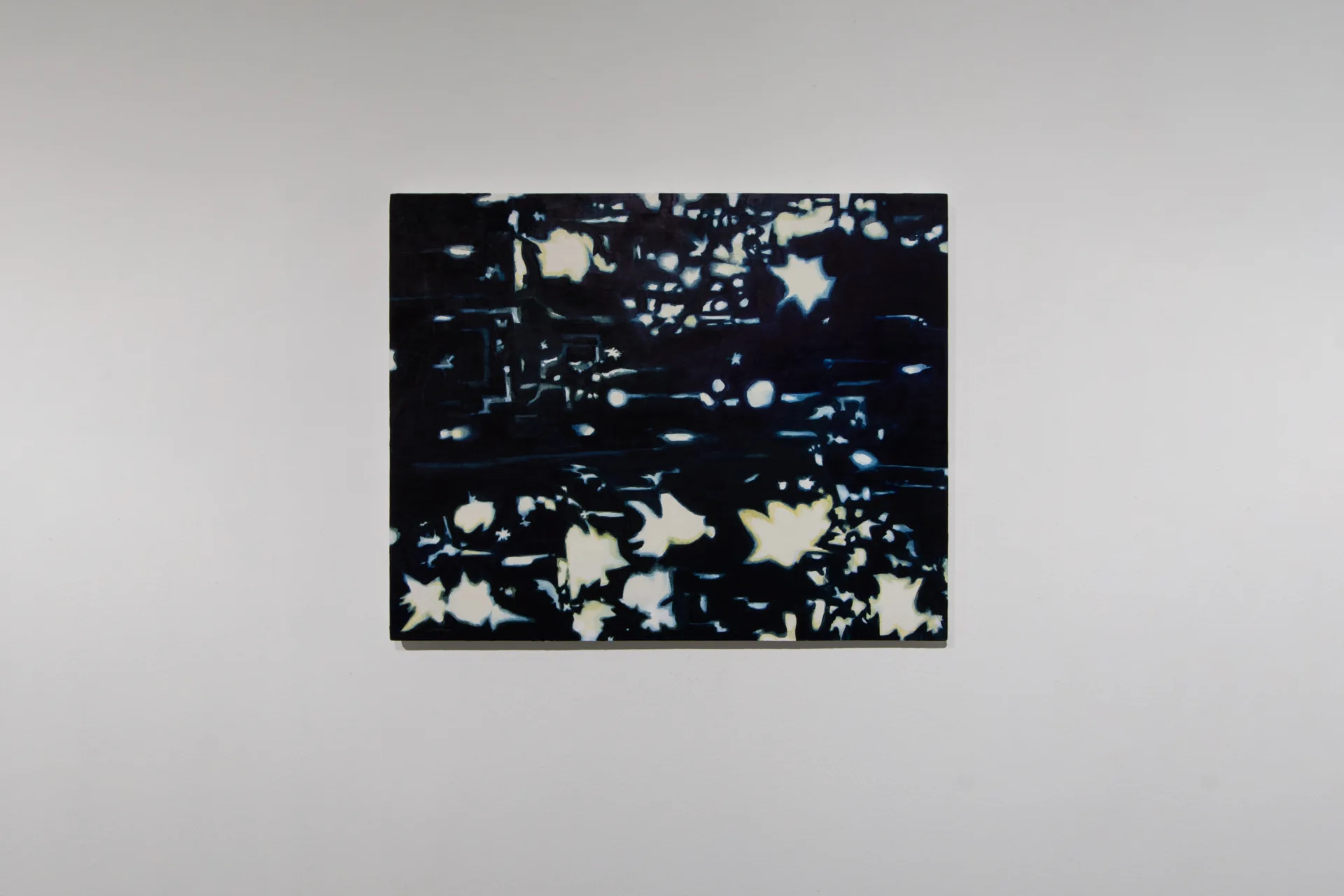
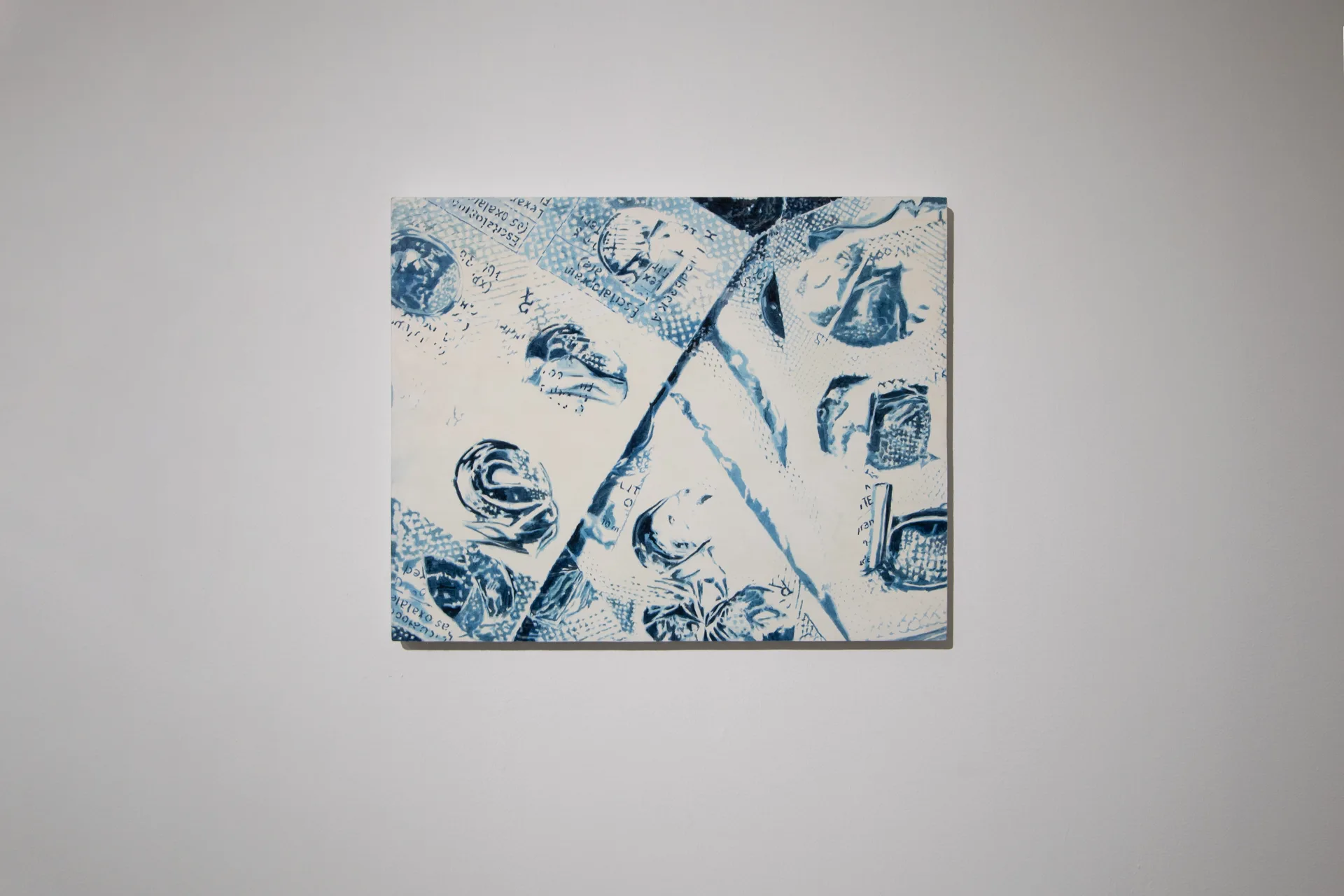
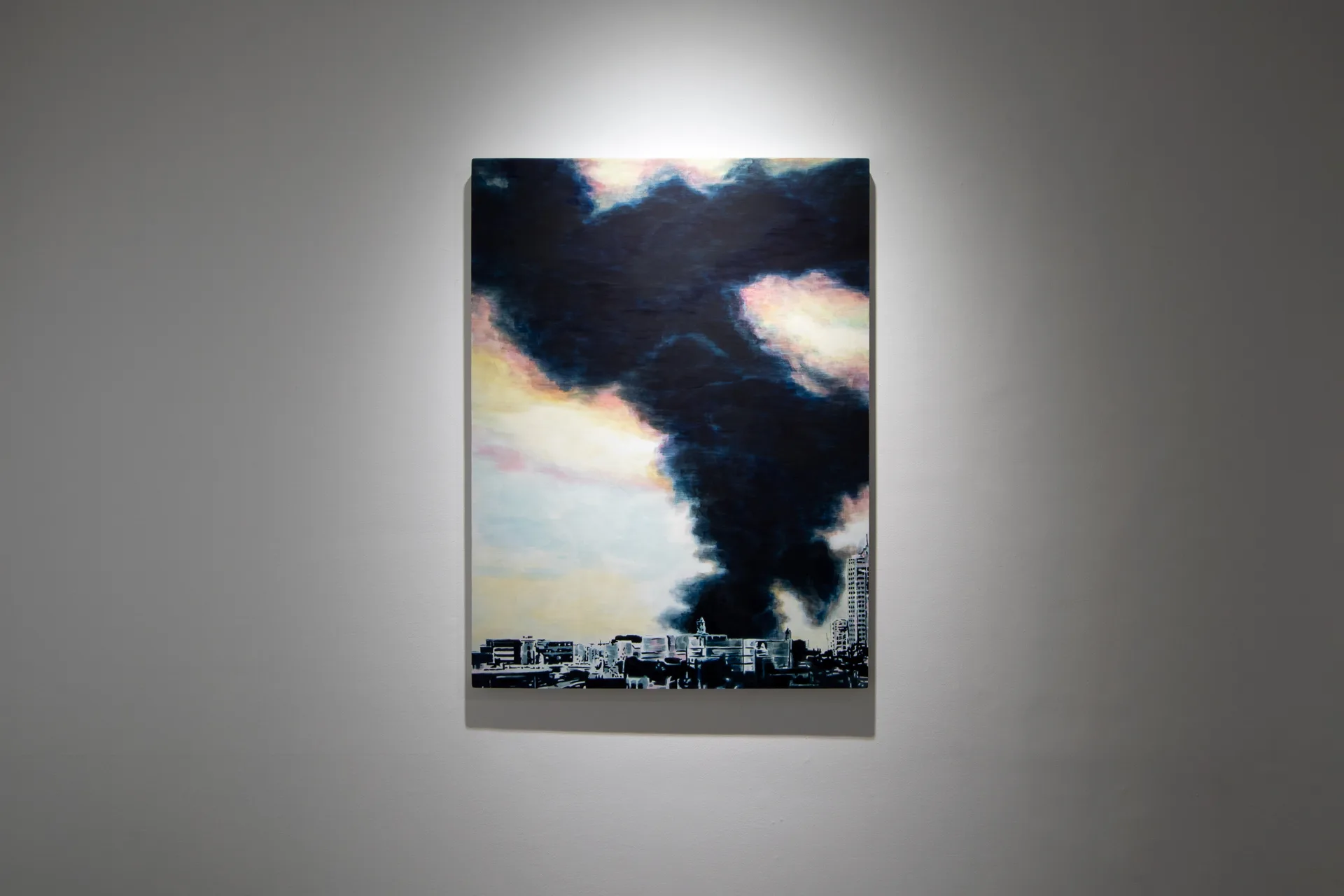
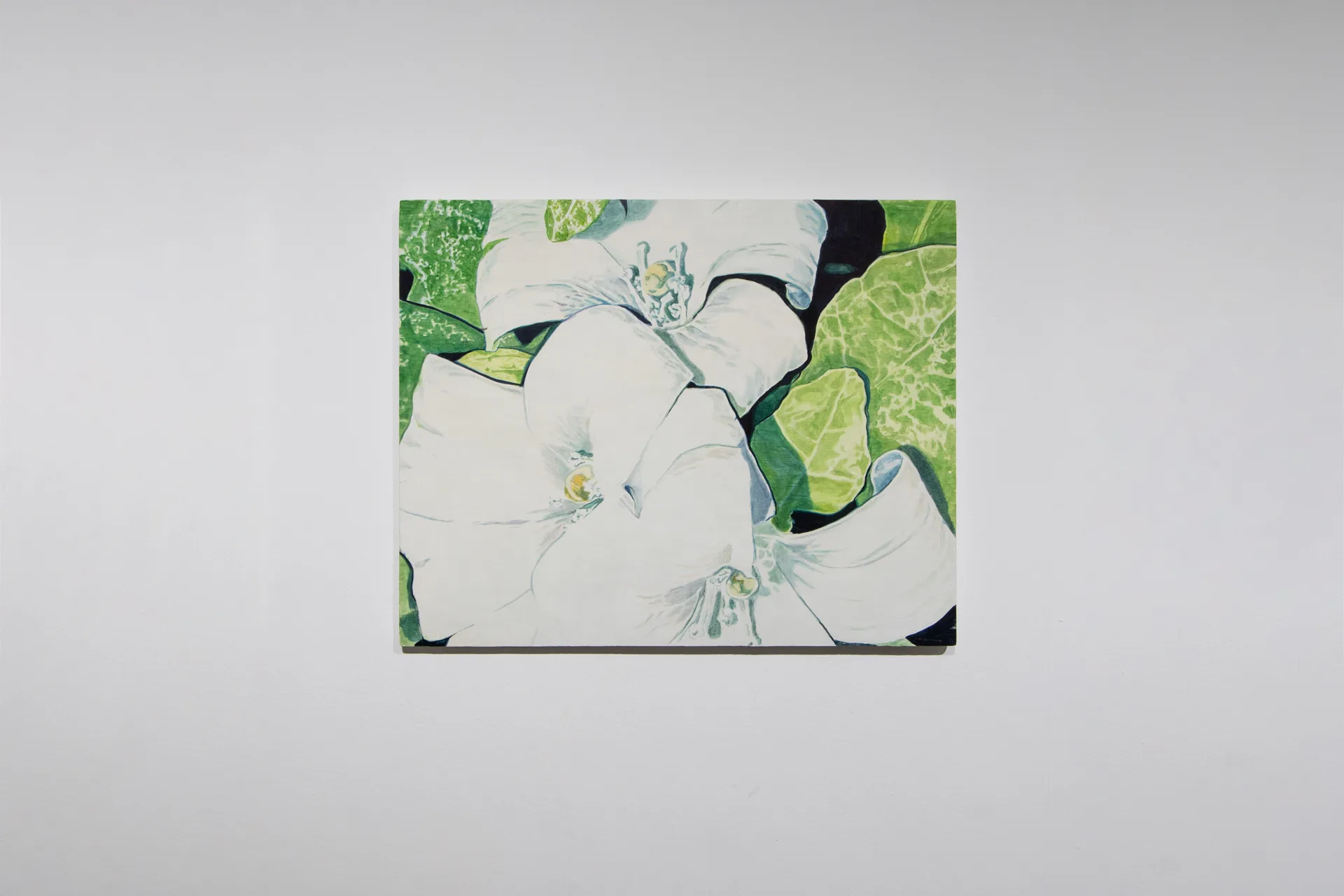
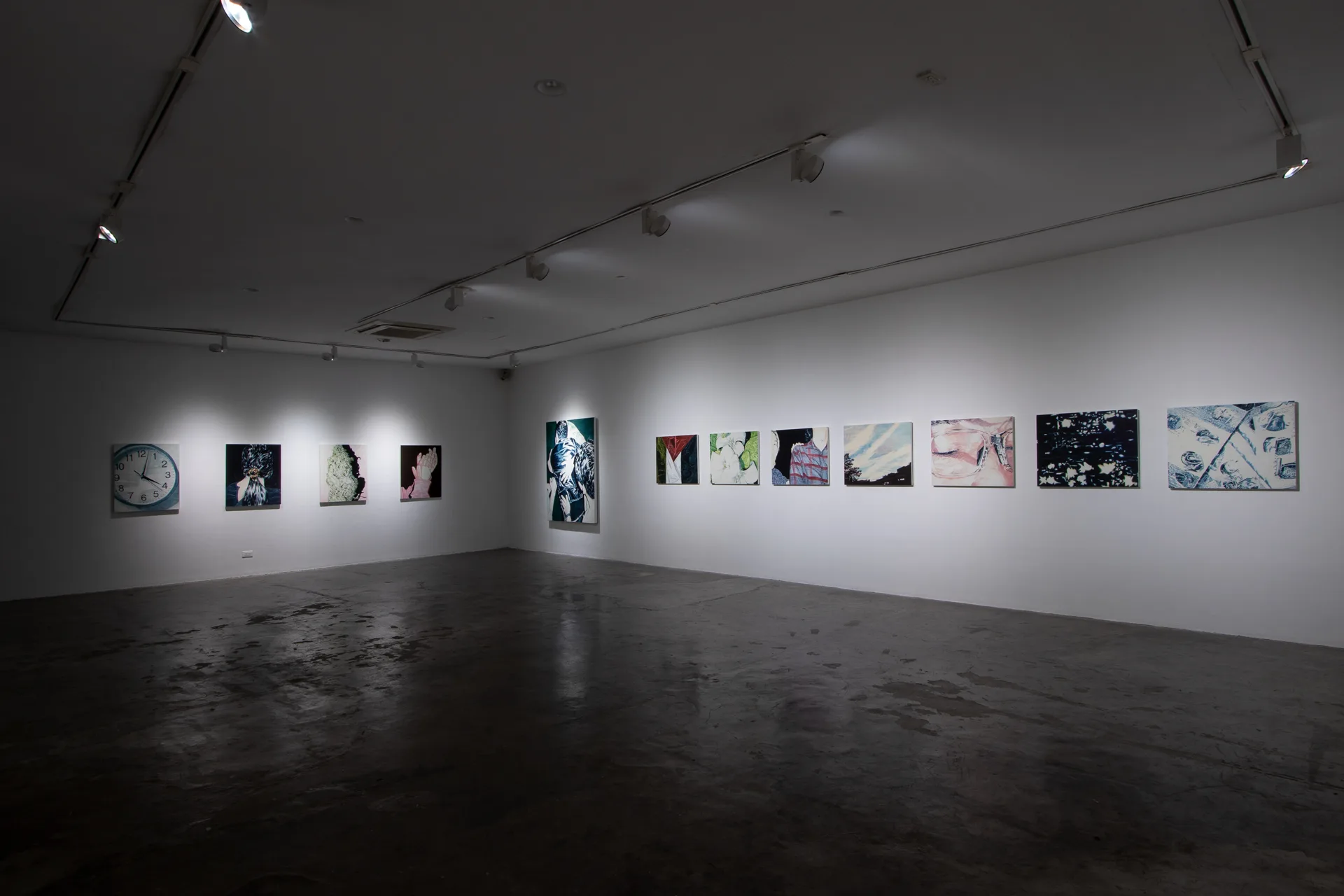
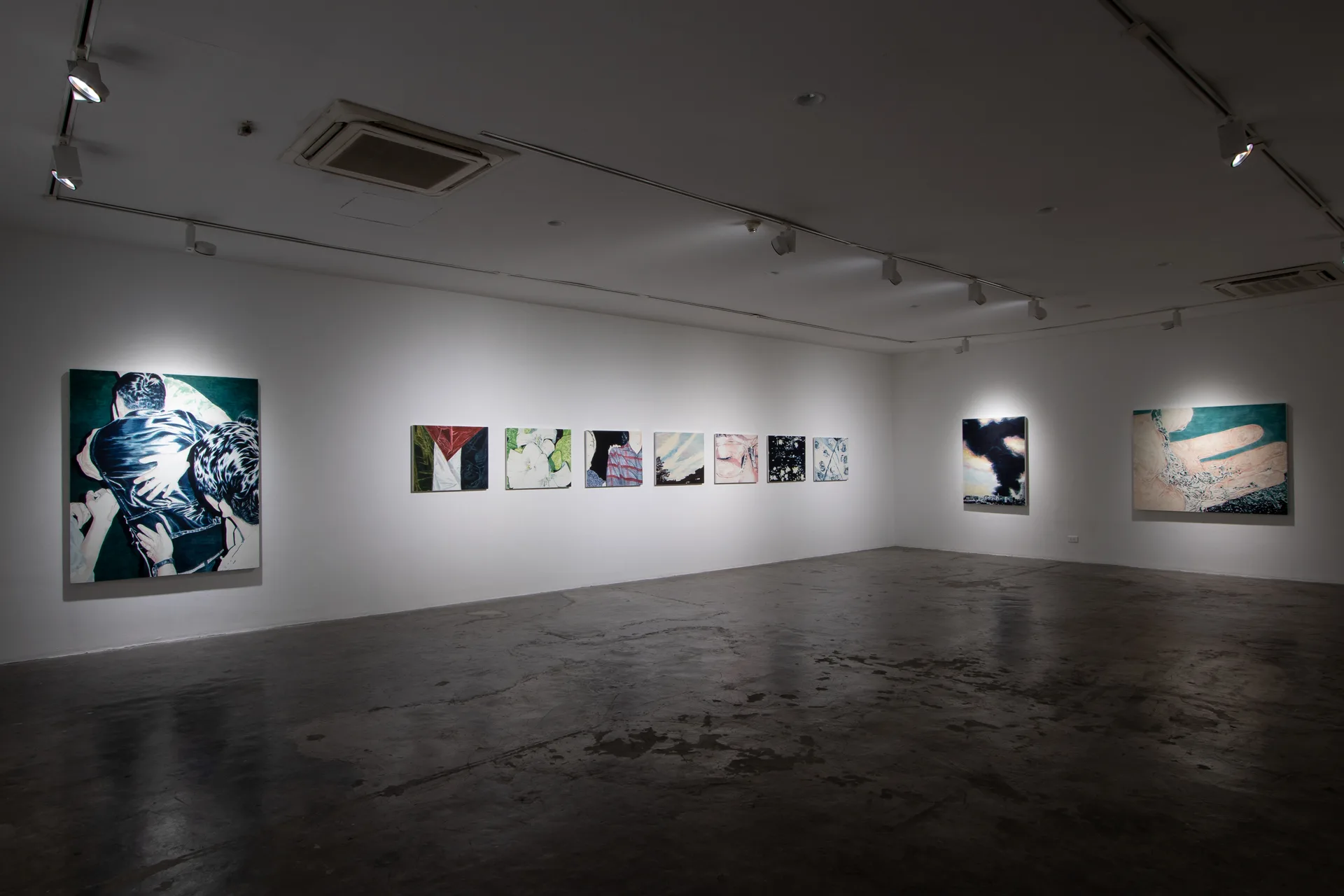
His new series of paintings is based on images he has photographed. The composition of these works unfolds through a three-fold process of photographing, digital post-processing, and painting. Within this sequence, the image undergoes two stages of digital translation, reduced to what Balisi deems essential to convey a particular viewpoint, marking a departure from his earlier use of found images. The subjects, cropped and emphasized (allusive to the composition found in comic panels), are foregrounded against a neutral background, depicting riveting scenarios.
In Salamander, Allan Balisi’s paintings serve as a form of self-revelation, a confession of his attitude toward existence. He offers viewers a perspective on how an image may be spatially constructed, almost akin to an Impressionist sensibility, while remaining connected to the reality it alludes to. Balisi is immersing himself in the complexities of the world, absorbing its energies and sourcing stimulus from his immediate environment, the people and communities with whom he shares space and time.
—James Tana

.webp)
About the Artist
About the Artists
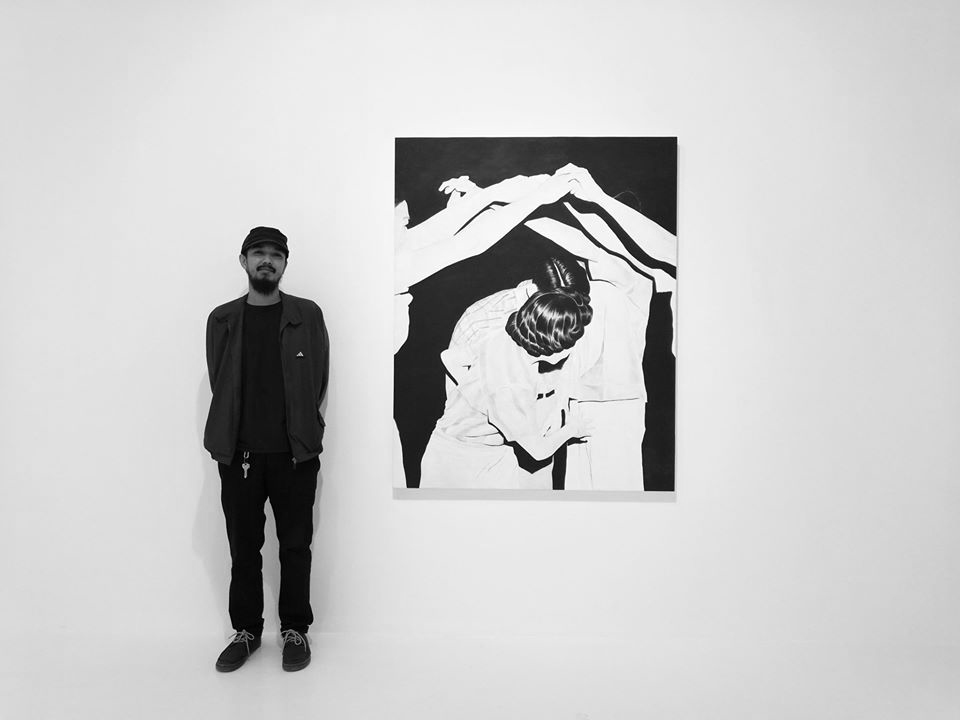
Allan Balisi (b. 1982, Isabela, Philippines; lives and works in Quezon City) is a visual artist who works across painting, drawing, print, and photography. The composition of his paintings is often based on cinematic and photographic imagery. However, Balisi’s rendering of his subjects departs from any photorealistic depiction or figuration. The construction of these images in his paintings reveals a keen sensitivity to graphic elements. These images are then recontextualized through the manner in which they are framed, emphasized within the picture plane, or through the dilution of colors, suggesting a certain emotion or underlying narrative, captured within a moment in time. Most recently, Balisi has begun using his own photographs as the reference for his paintings.
Balisi earned a degree in Painting from the Far Eastern University in Manila. His works have been exhibited at ILHAM Gallery, the Museum of Contemporary Art and Design (MCAD) in Manila, the Ateneo Art Gallery, the Vargas Museum, and the Cultural Center of the Philippines. He has held solo exhibitions at Blanc, West Gallery, Artinformal, and Silverlens. He is a recipient of the Thirteen Artists Award. Balisi has also self-published zines and produced punk music albums.
Related Exhibitions
About the Artists
About the Artist
Allan Balisi (b. 1982, Isabela, Philippines; lives and works in Quezon City) is a visual artist who works across painting, drawing, print, and photography. The composition of his paintings is often based on cinematic and photographic imagery. However, Balisi’s rendering of his subjects departs from any photorealistic depiction or figuration. The construction of these images in his paintings reveals a keen sensitivity to graphic elements. These images are then recontextualized through the manner in which they are framed, emphasized within the picture plane, or through the dilution of colors, suggesting a certain emotion or underlying narrative, captured within a moment in time. Most recently, Balisi has begun using his own photographs as the reference for his paintings.
Balisi earned a degree in Painting from the Far Eastern University in Manila. His works have been exhibited at ILHAM Gallery, the Museum of Contemporary Art and Design (MCAD) in Manila, the Ateneo Art Gallery, the Vargas Museum, and the Cultural Center of the Philippines. He has held solo exhibitions at Blanc, West Gallery, Artinformal, and Silverlens. He is a recipient of the Thirteen Artists Award. Balisi has also self-published zines and produced punk music albums.
Related Exhibitions

Share