
Jan Balquin | Renegade Garden
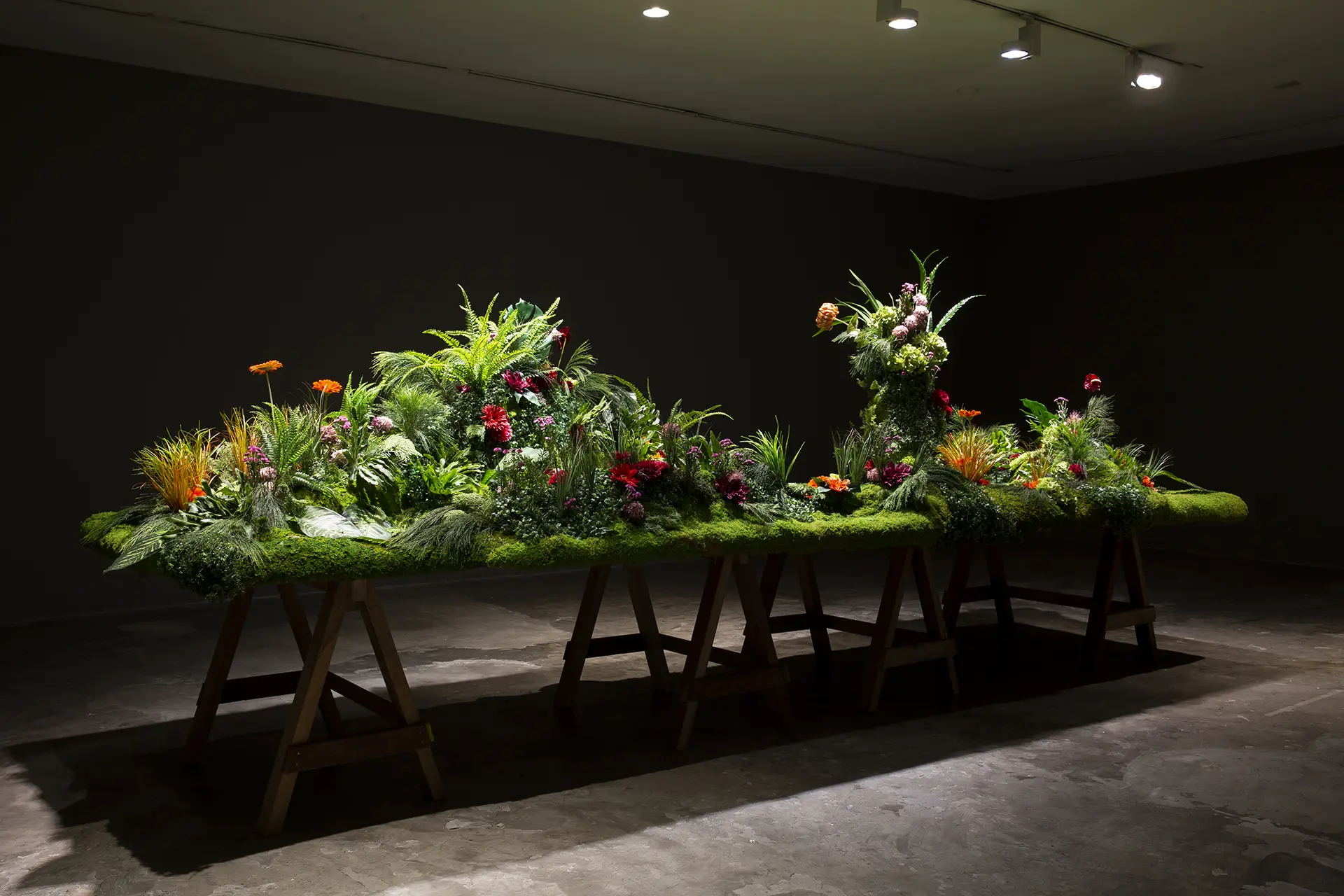
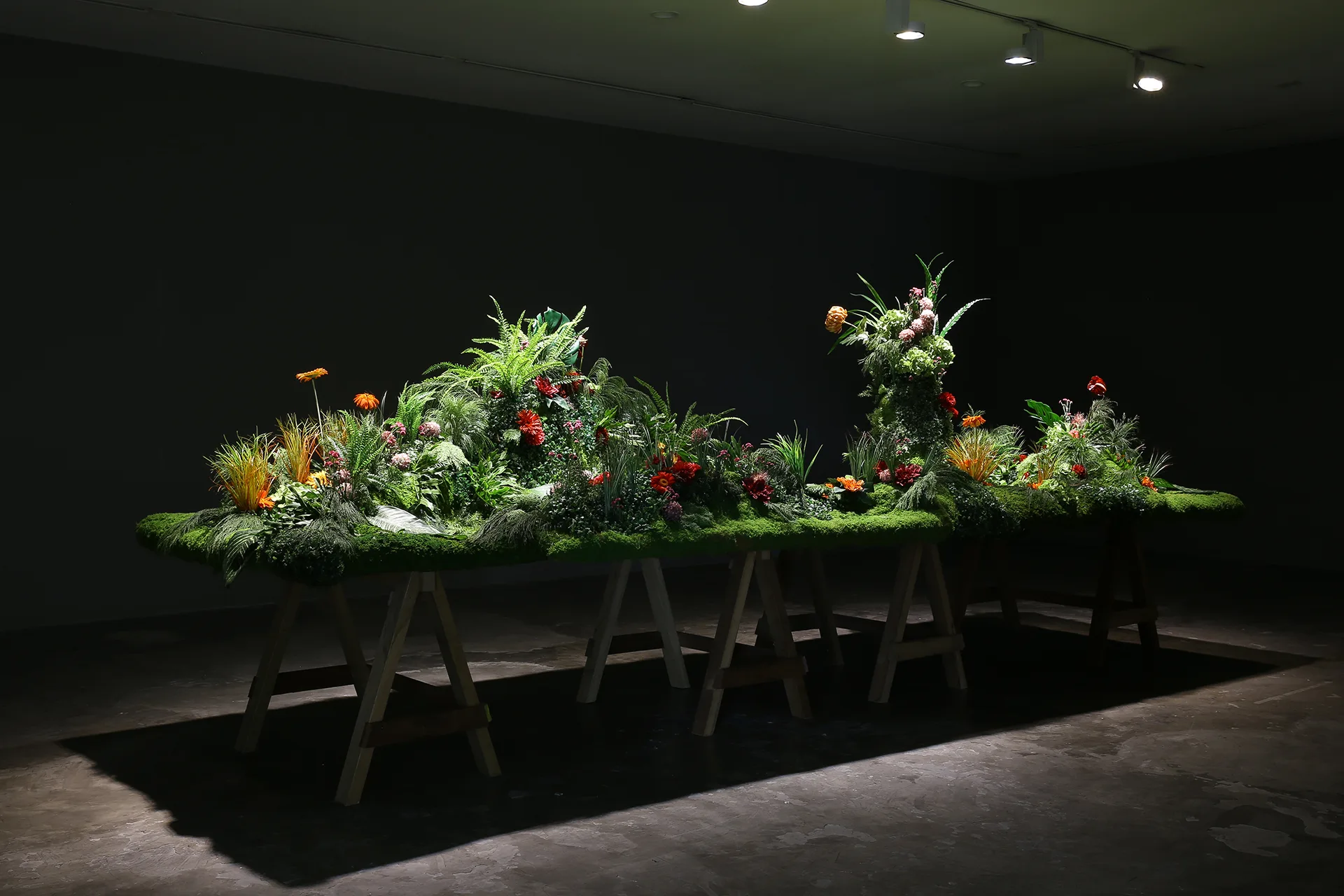
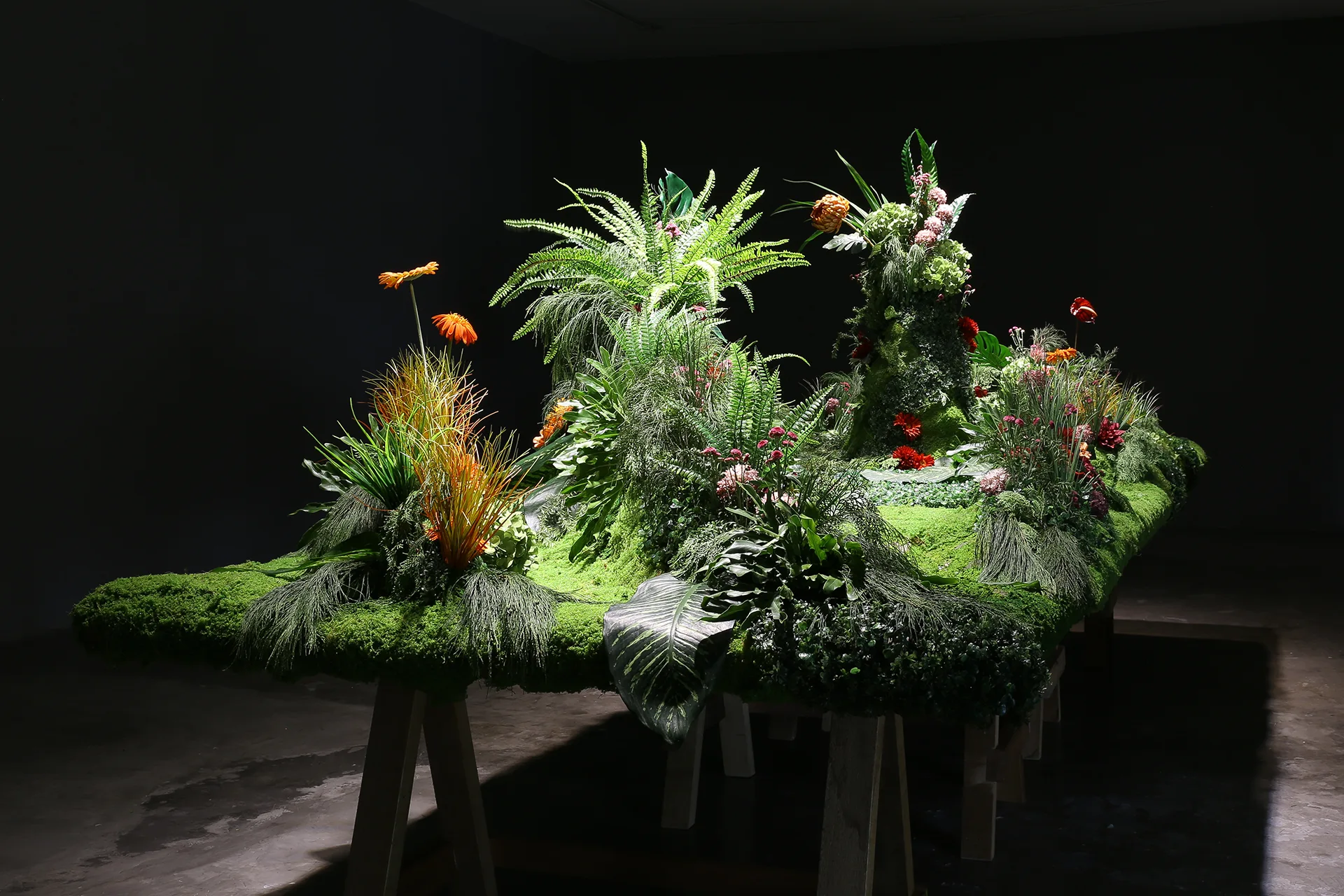
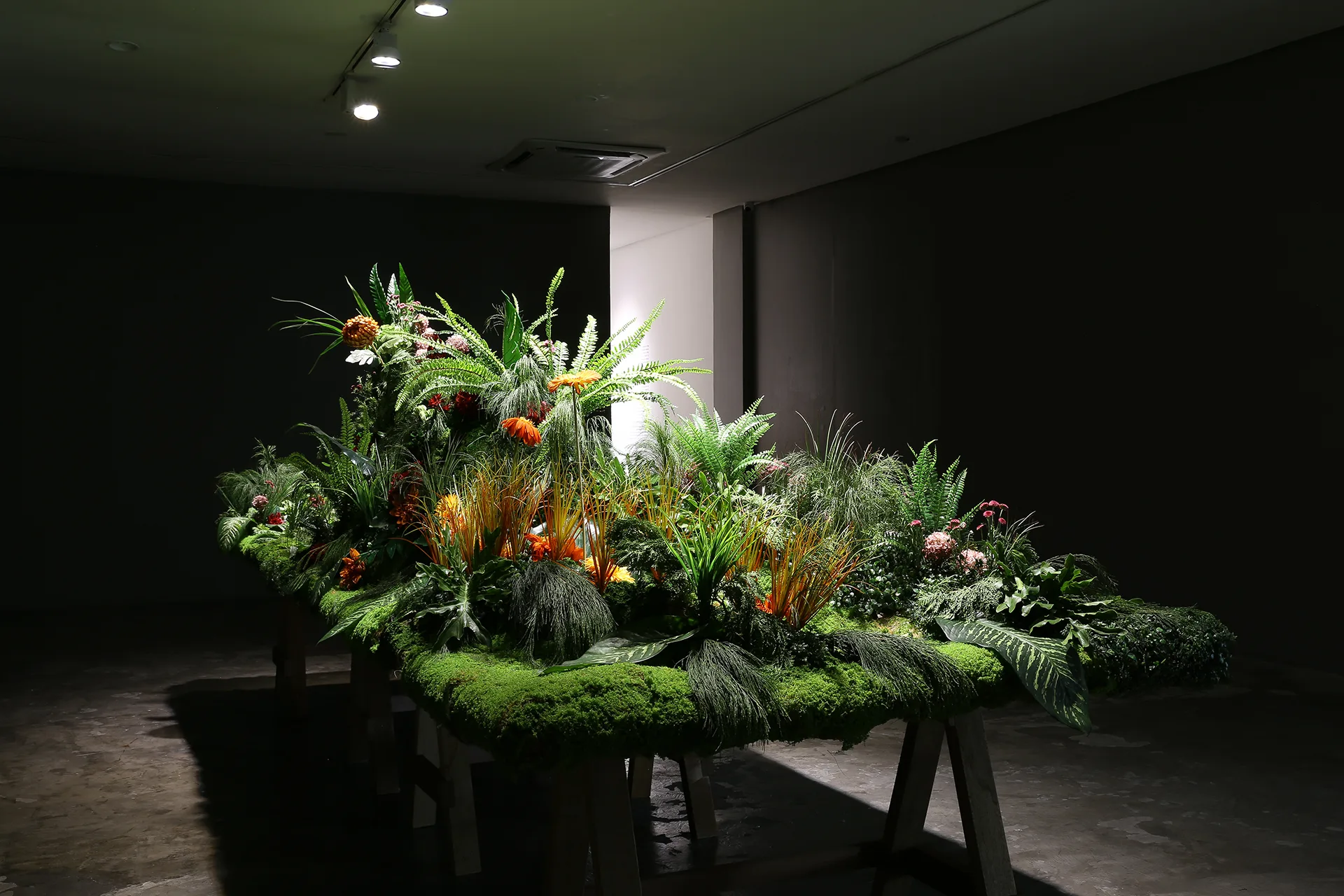
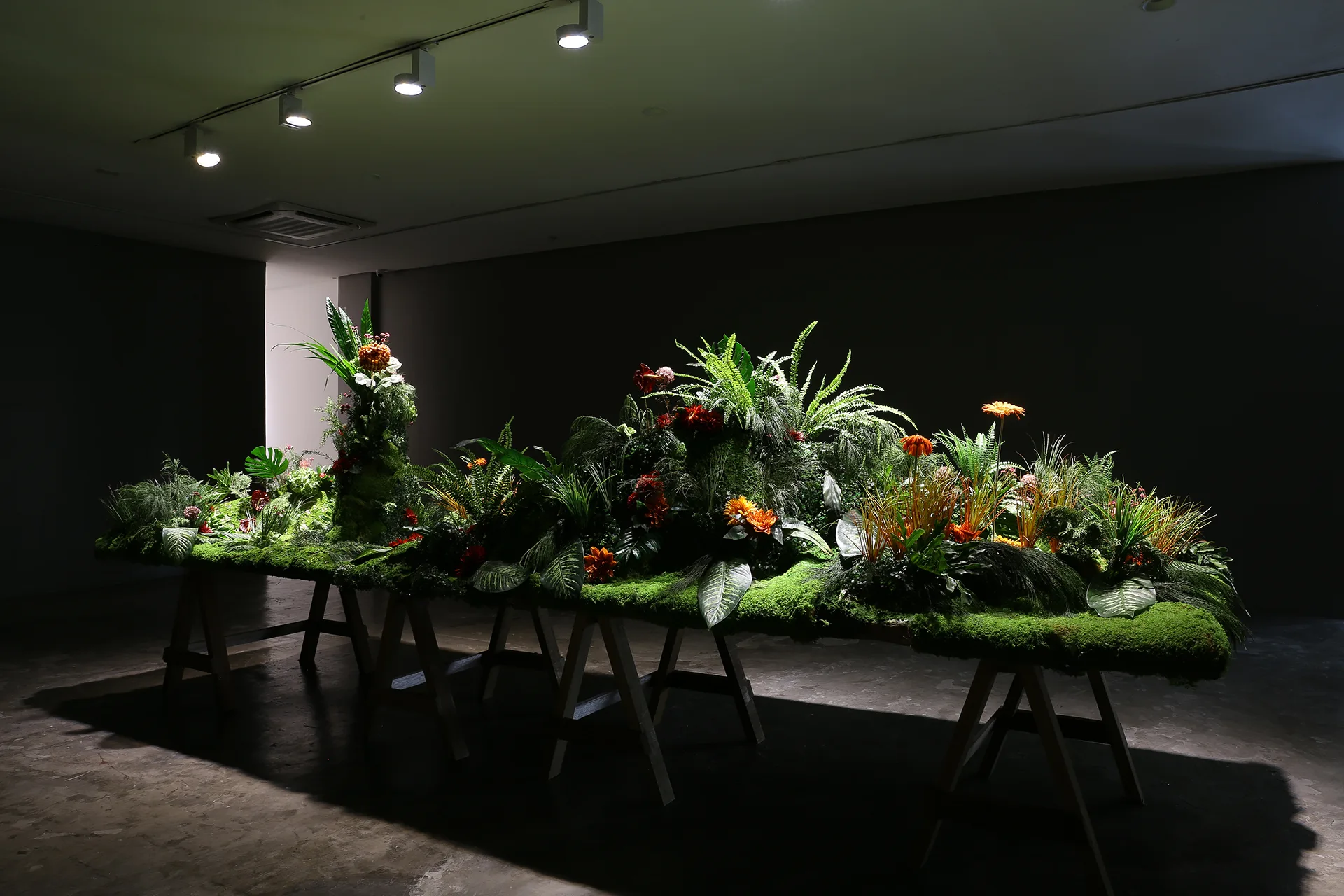
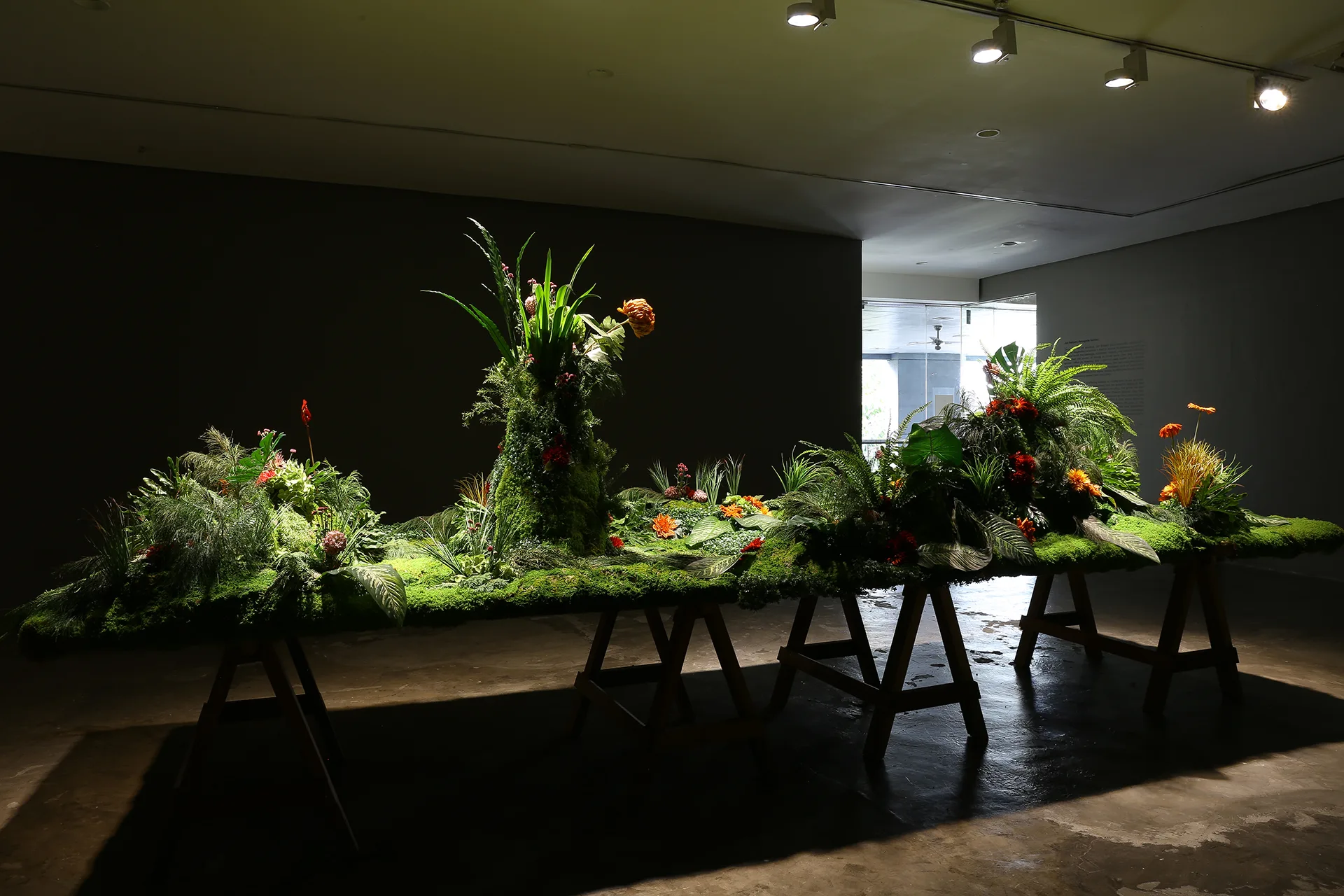
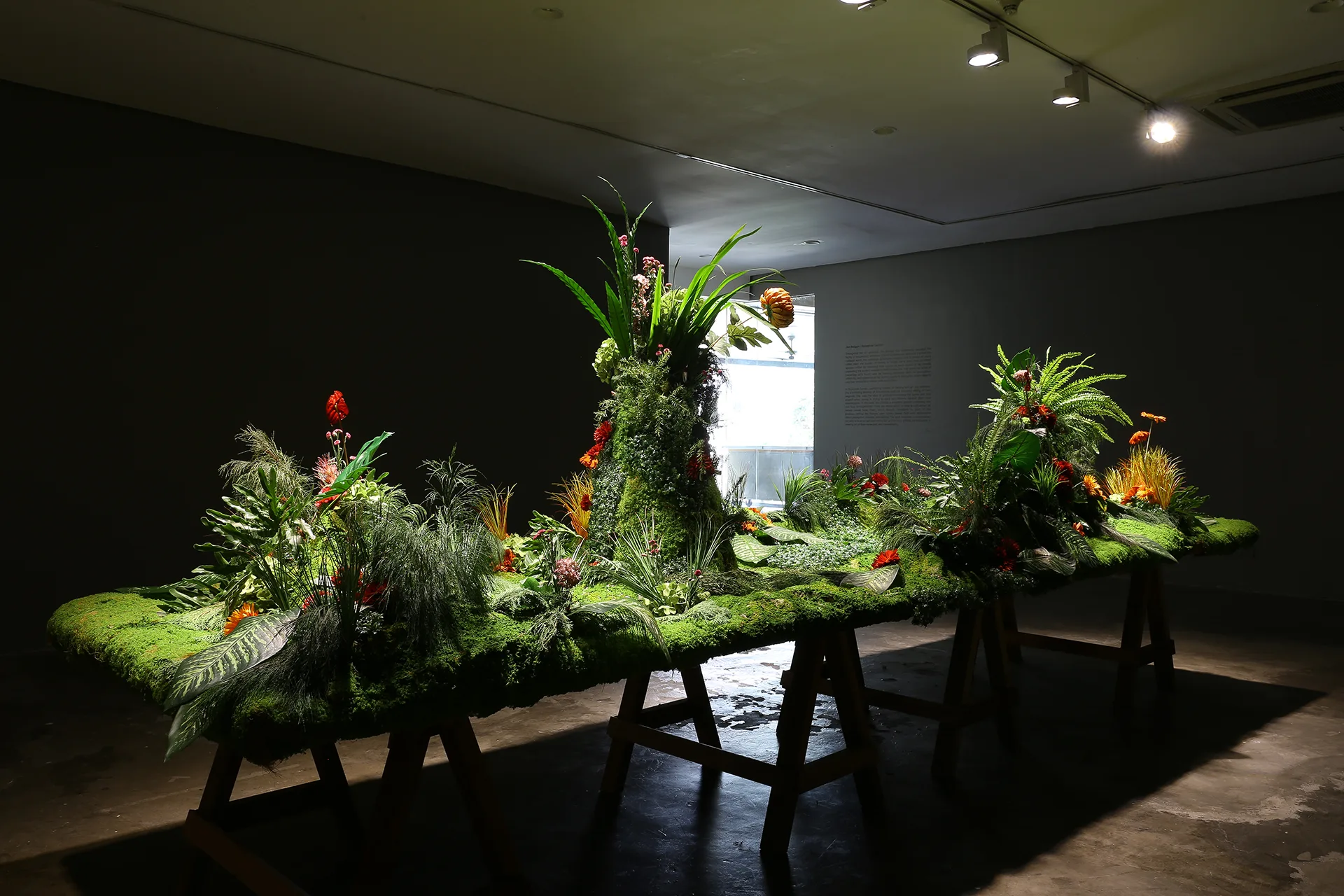
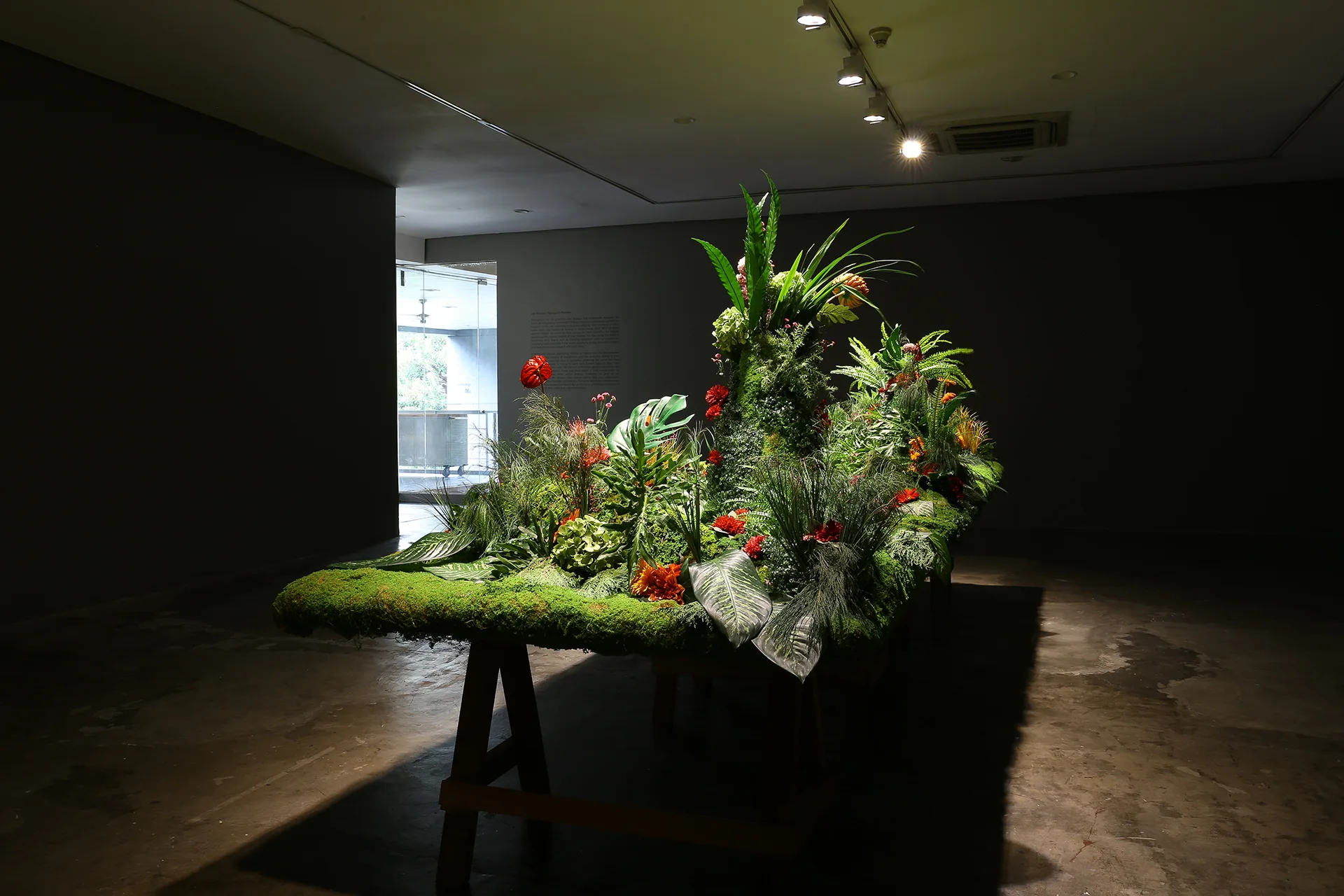
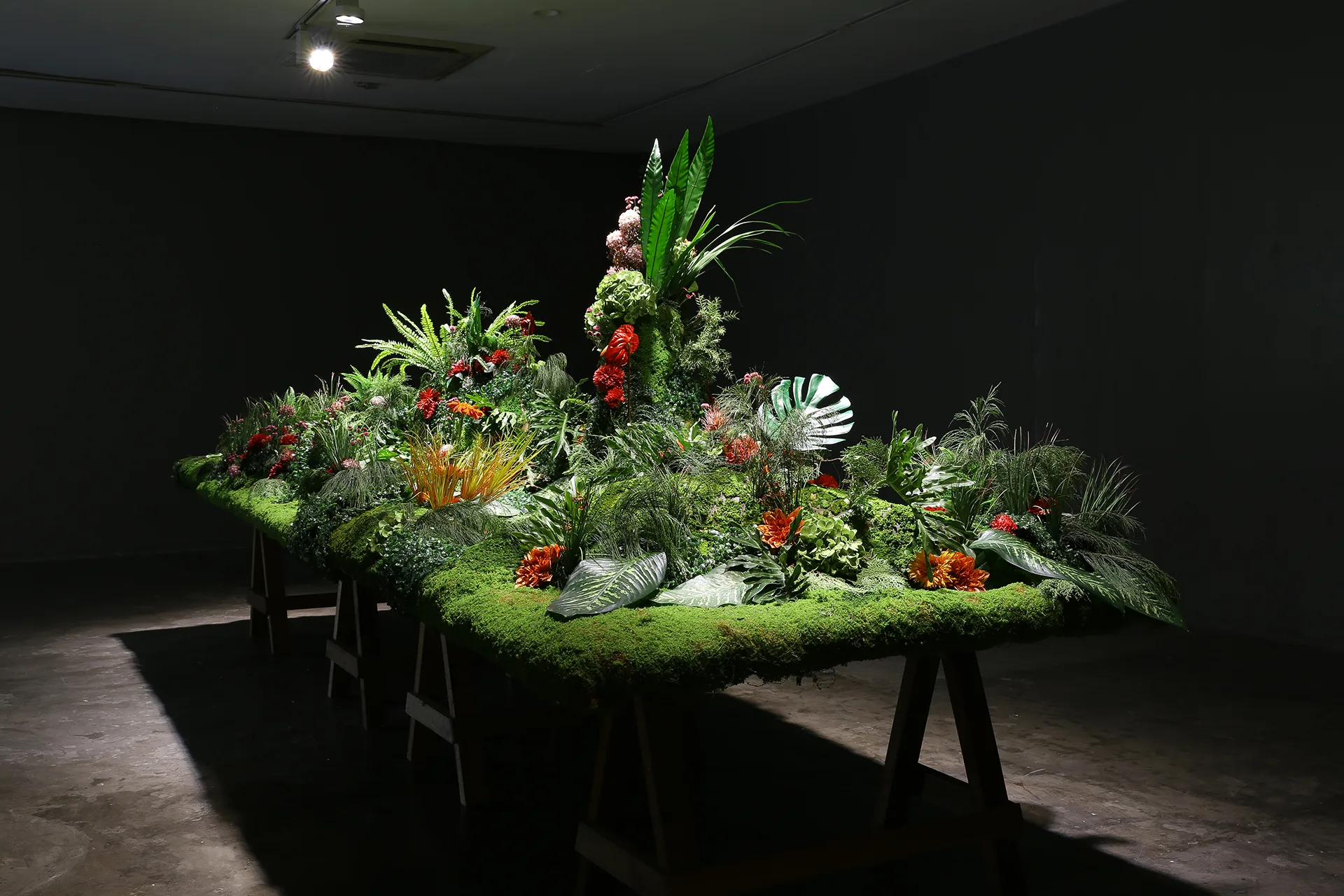
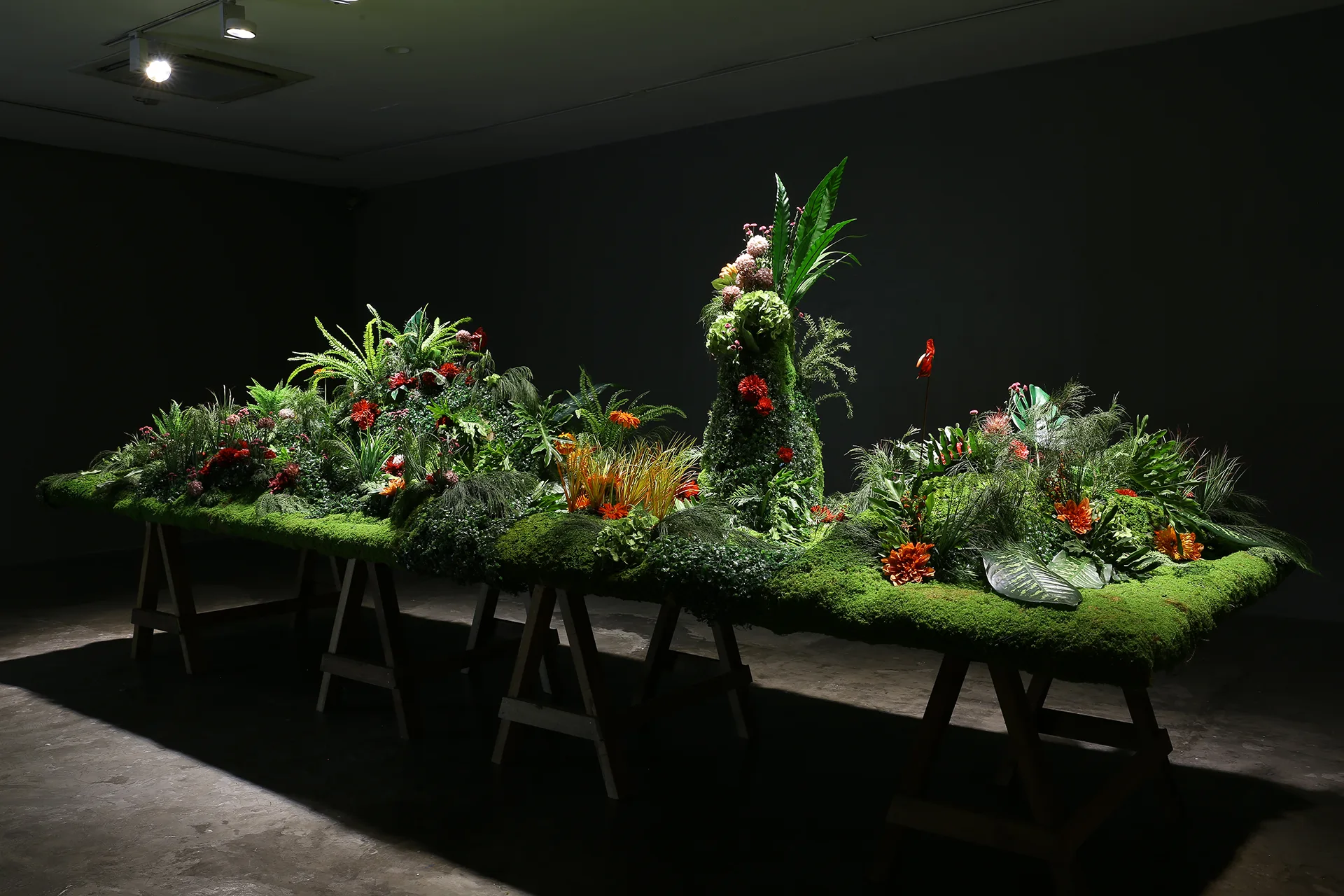
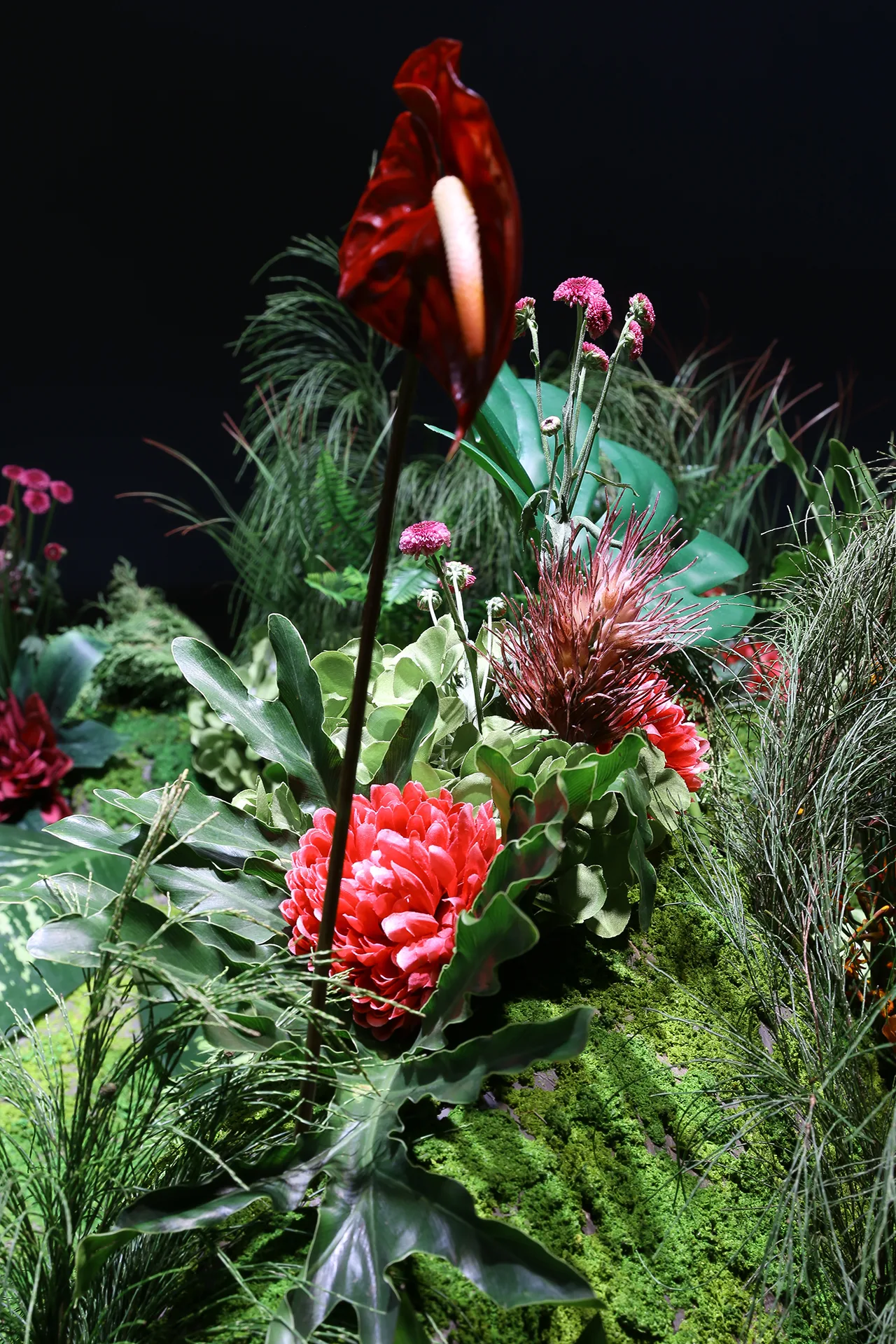
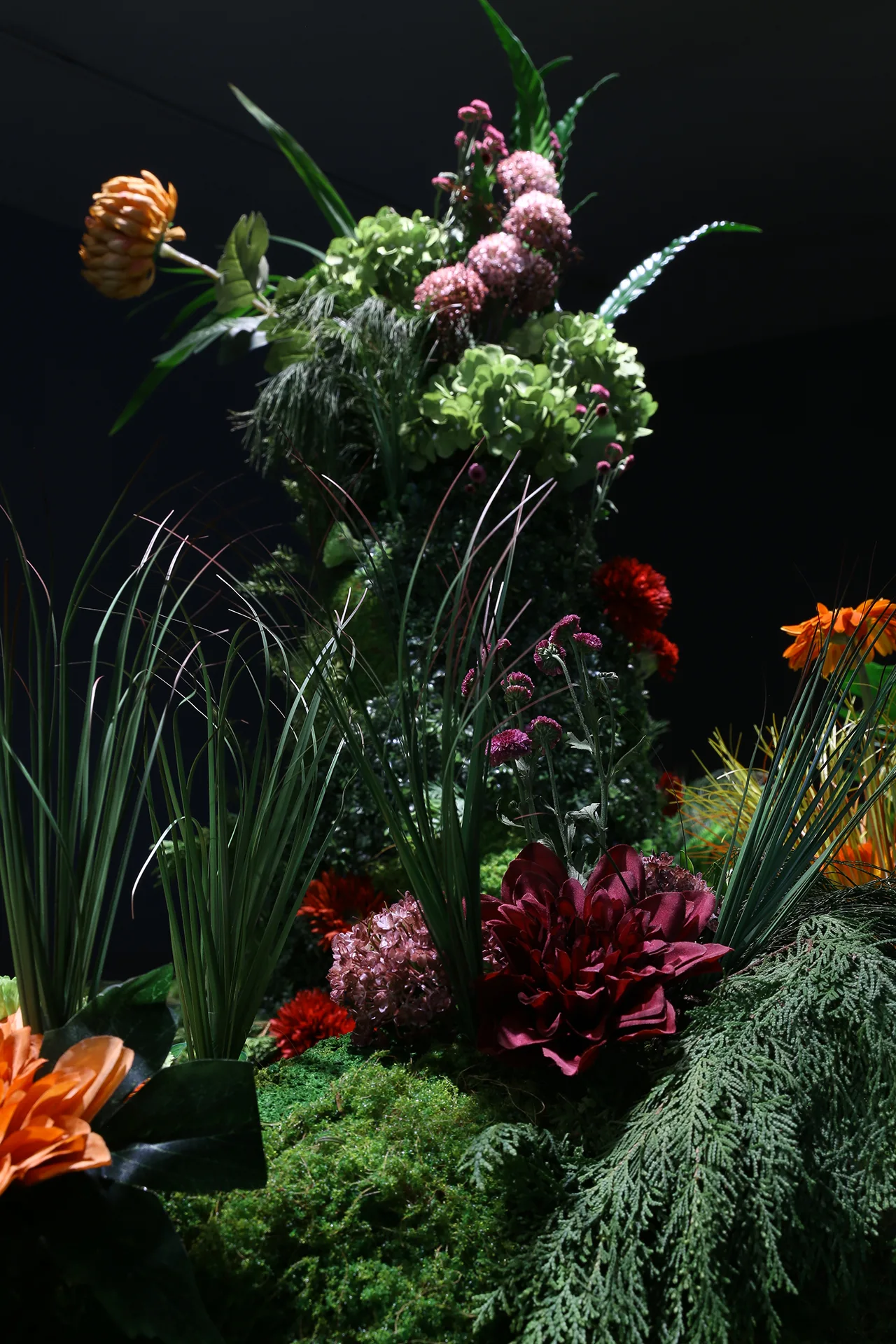
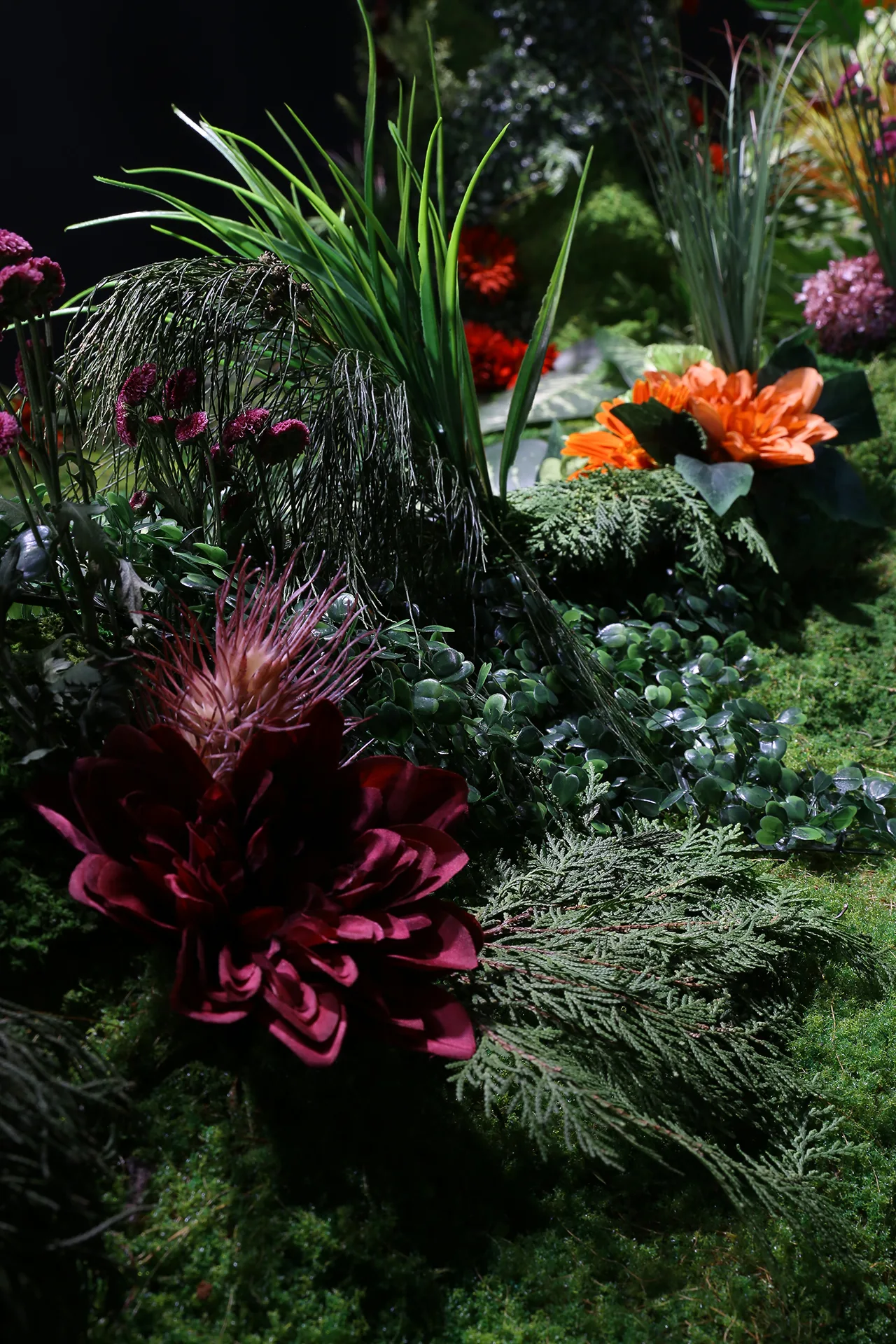
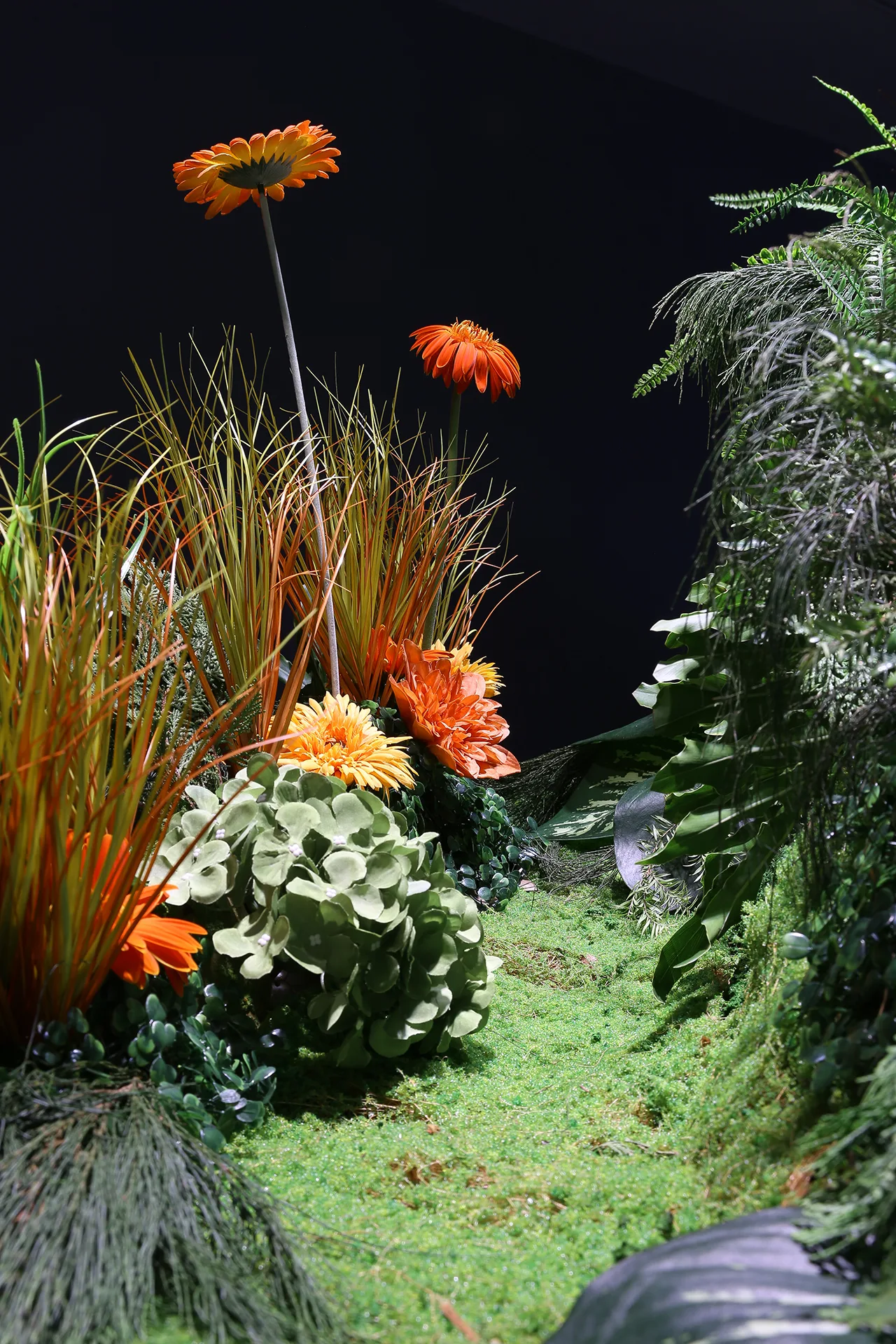
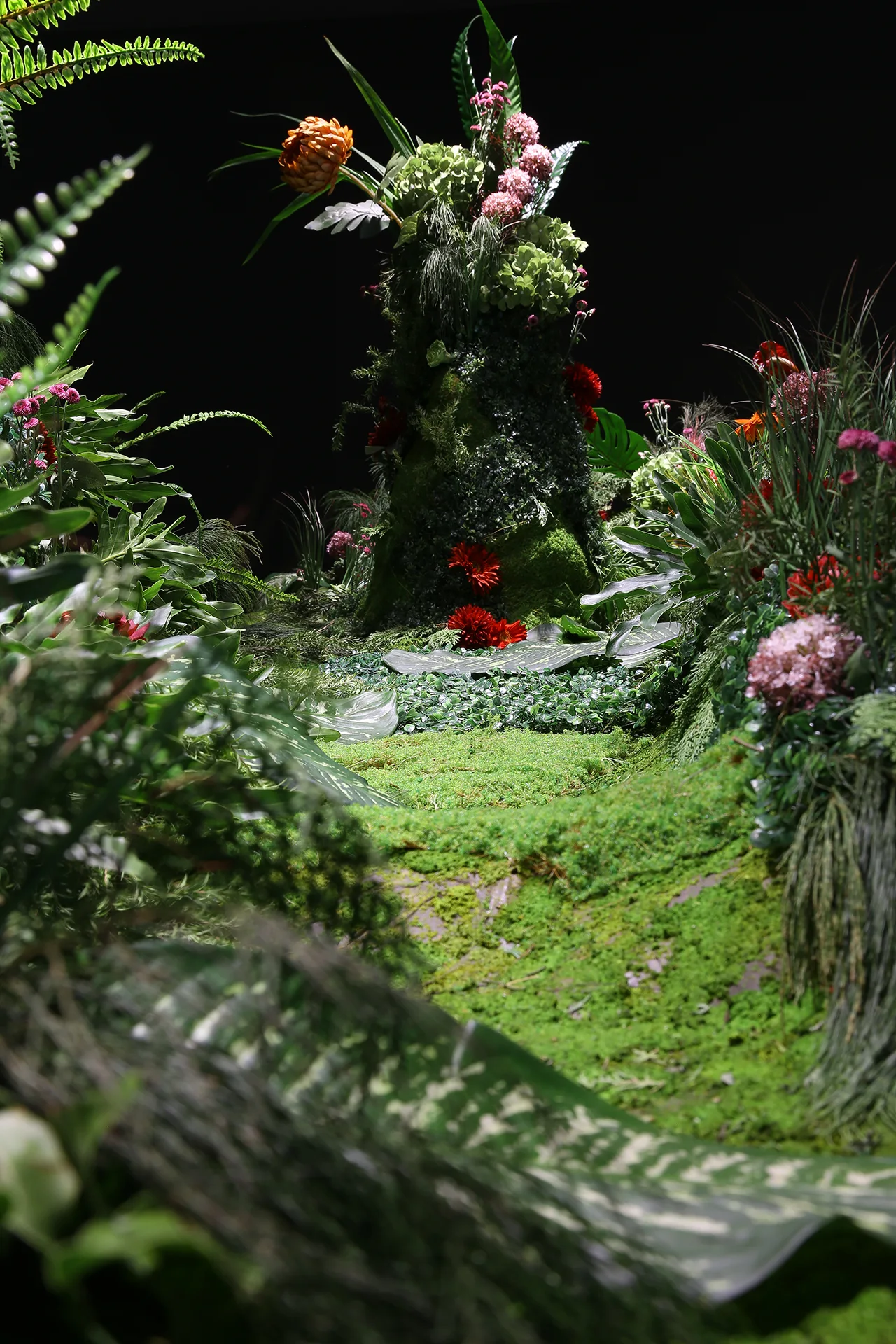
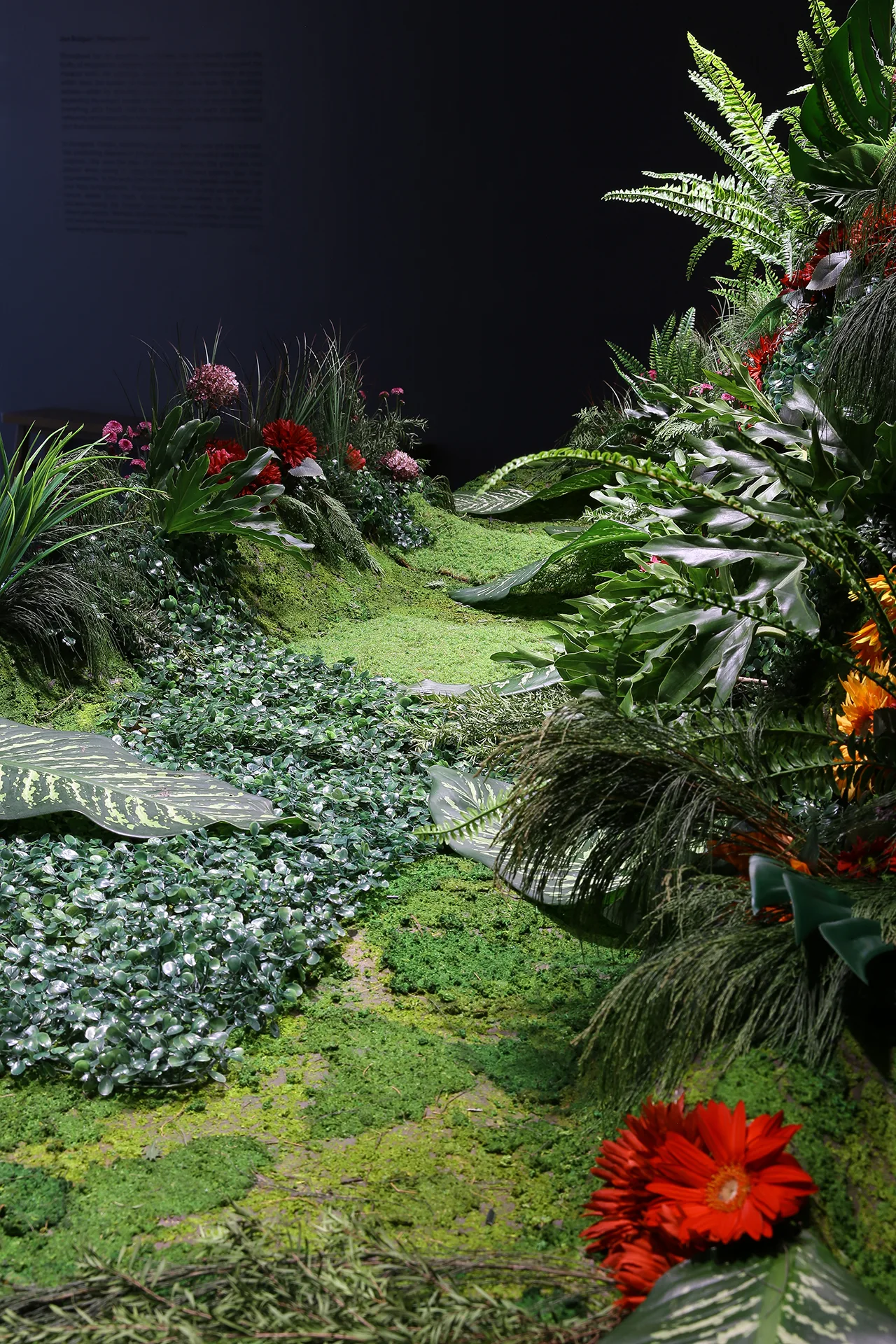
On a vast tabletop, a garden blooms. As it terraforms and grows across a faux landscape, we are reminded, once again, of all our misgivings about gardens—on how these sites, as lush and as vibrant as they appear to be, also served as backdrop for many contentious turns in ancient scriptures, parables, and fantasies. The artist, Jan Balquin, enters the same predicament, as both nurturer and whistleblower against the countless anomalies that have afflicted perception since the beginning, and how they have exponentially expanded to this day. Where does reality begin and end? And how does imagination eventually reveal itself as its distorted copy and artificial form? These are questions which she hopes the microcosm laid on a tablescape could answer.
Throughout her art practice, Balquin has continually exposed the frailty of imagination whenever it tried to impose its presence against the material world. Her paintings, sculptures, objects, and tableaus all carry within them the burden of having to break away from their confined spaces—either by revealing their nature as mere copies or by literally expanding the subject outside of their frames. She had made the habit of breaching art’s fourth wall by tackling concepts such as perception, reflexivity, and materiality in her works, usually by letting the actual objects and their simulations interact with each other.
She recalls how she became receptive to these simulations early on in life. Living near Divisoria, which is one of the largest flea markets in the city, she and her mother would frequent the place which impressed upon her the varying degrees of simulation as they walk and pass by: a fruit stand that sells real fruit; a vendor who sells plastic fruits for display; and into a general merchandise store that sells table cloths with fruit patterns. This would later on turn into a game she’d play with her mother whenever they enter hotels and office spaces, identifying which ones are fake, and which are real.
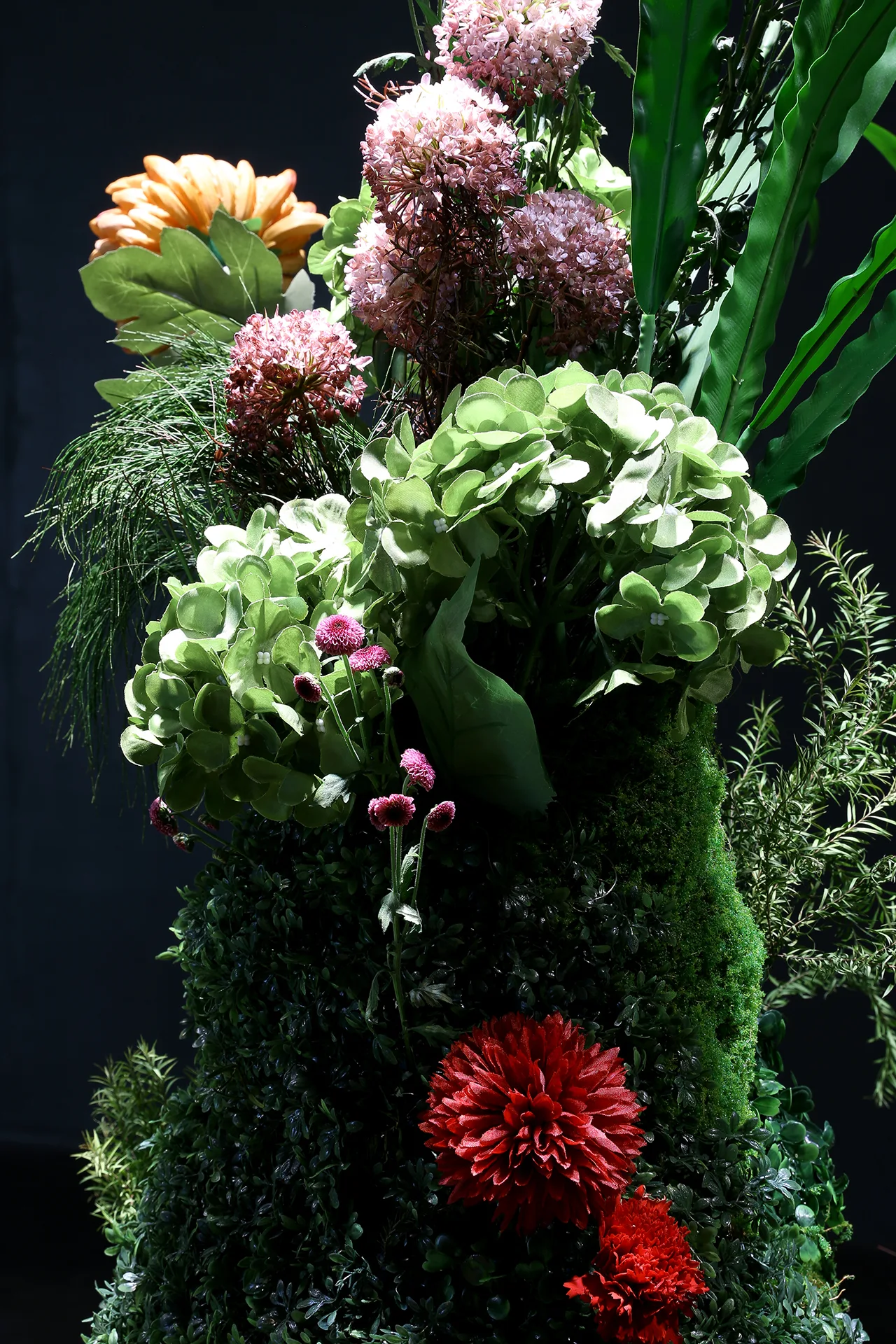
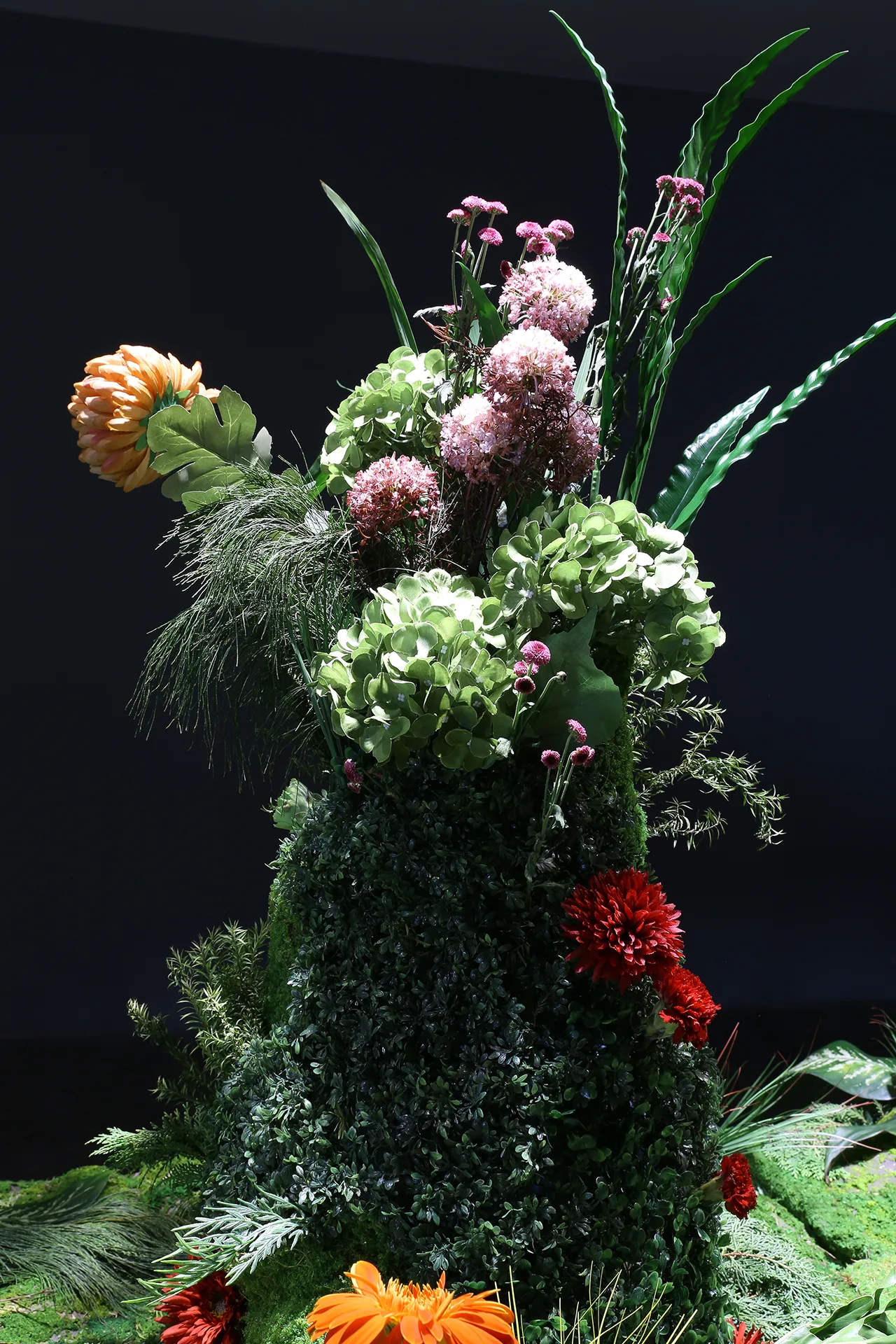
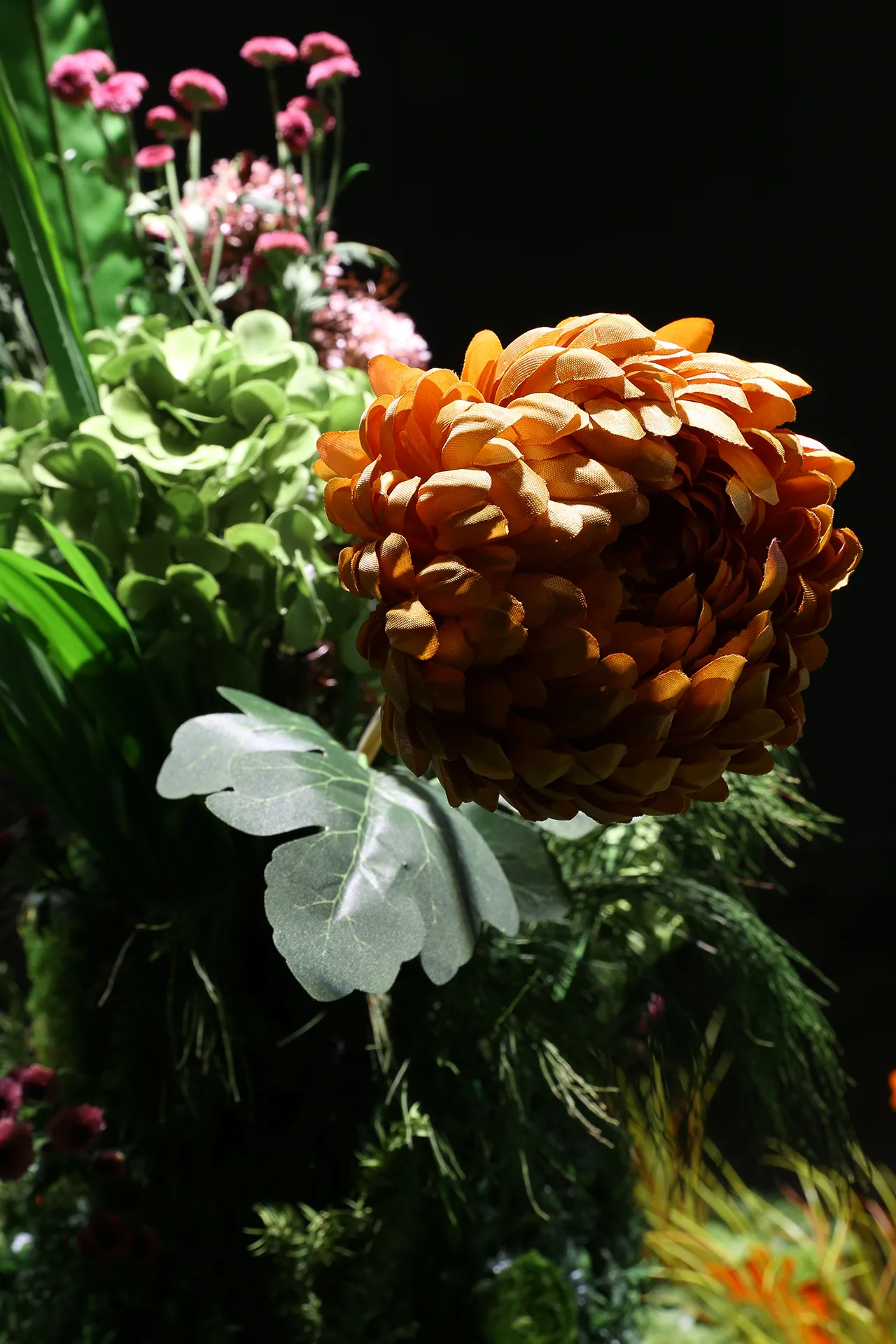
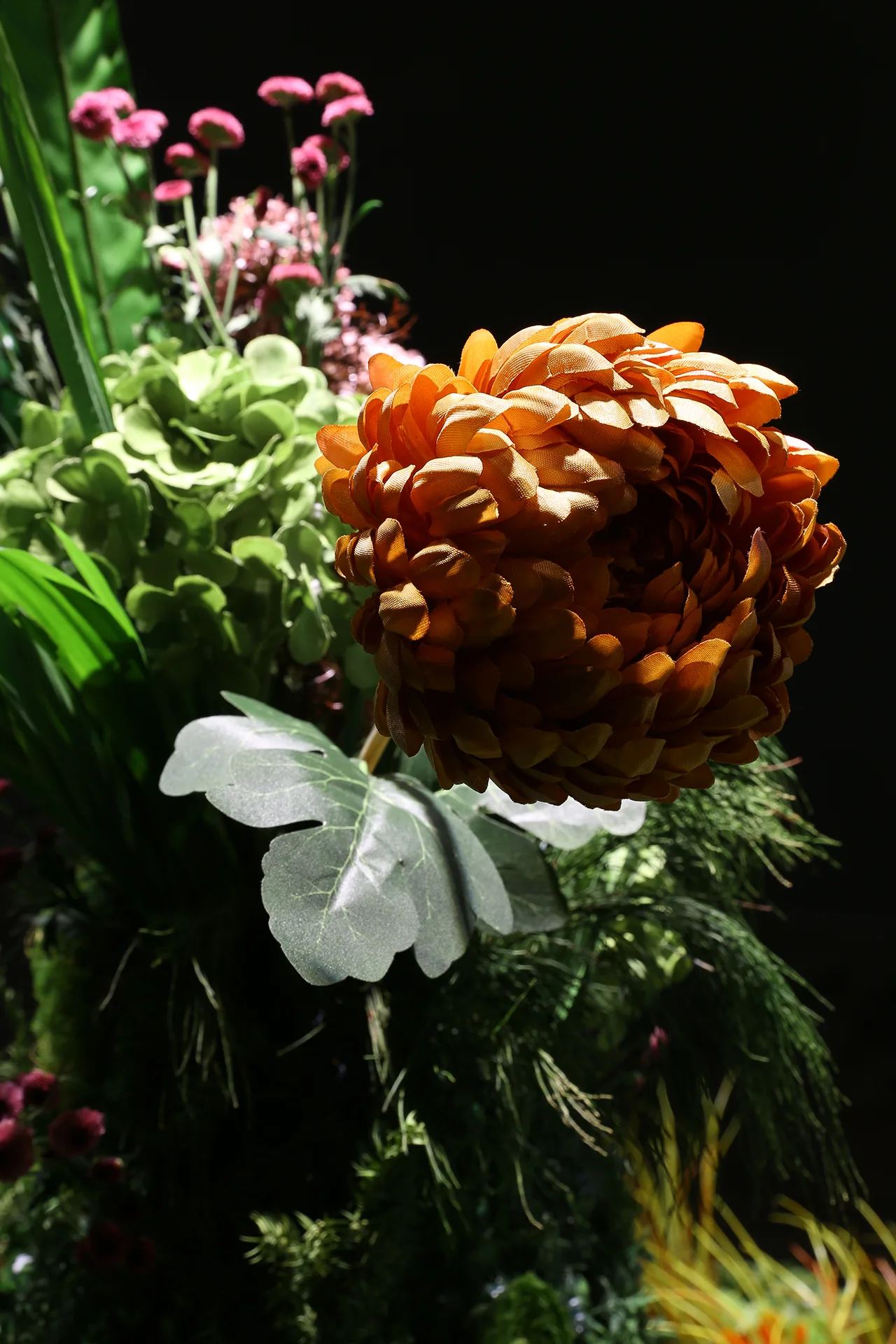
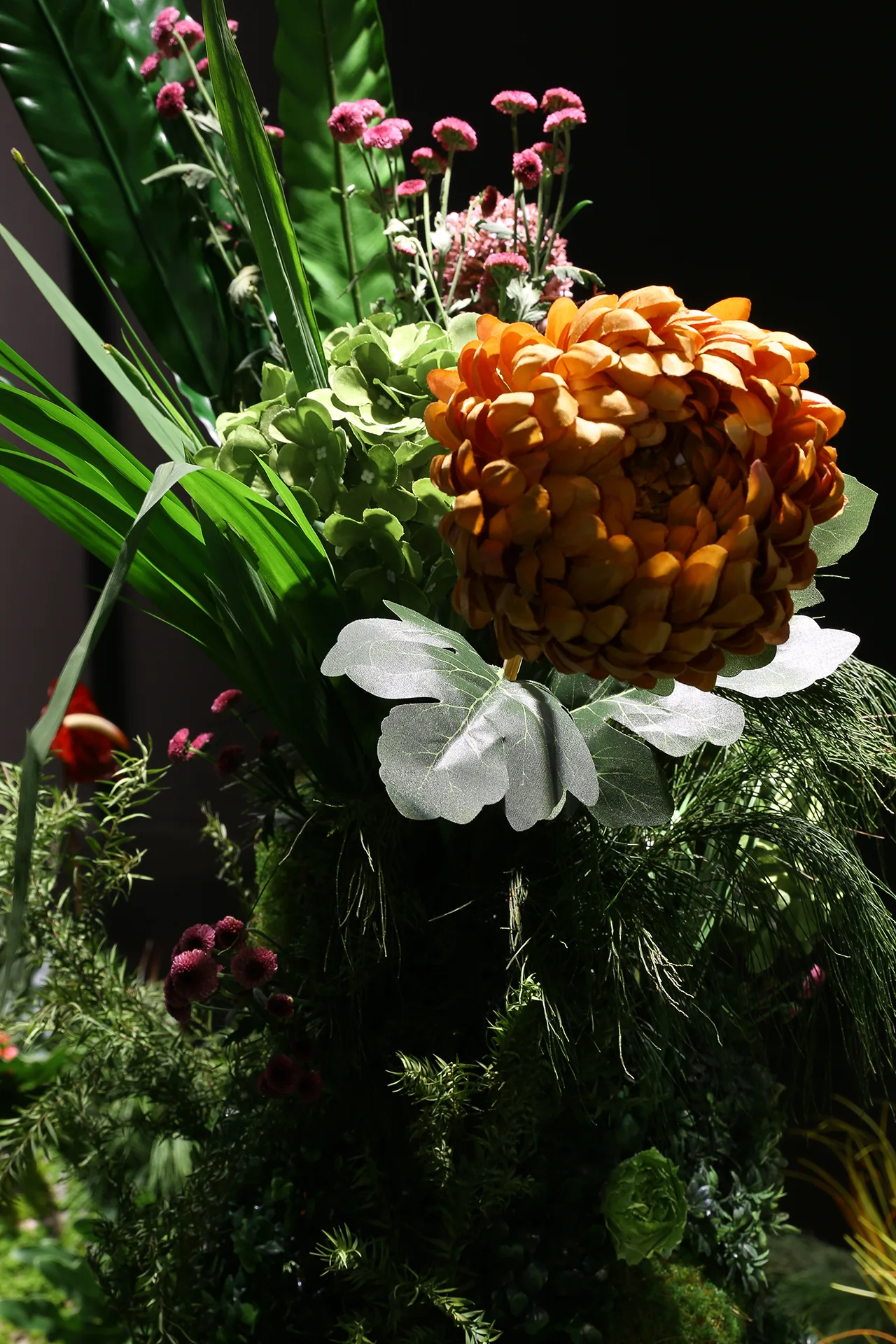
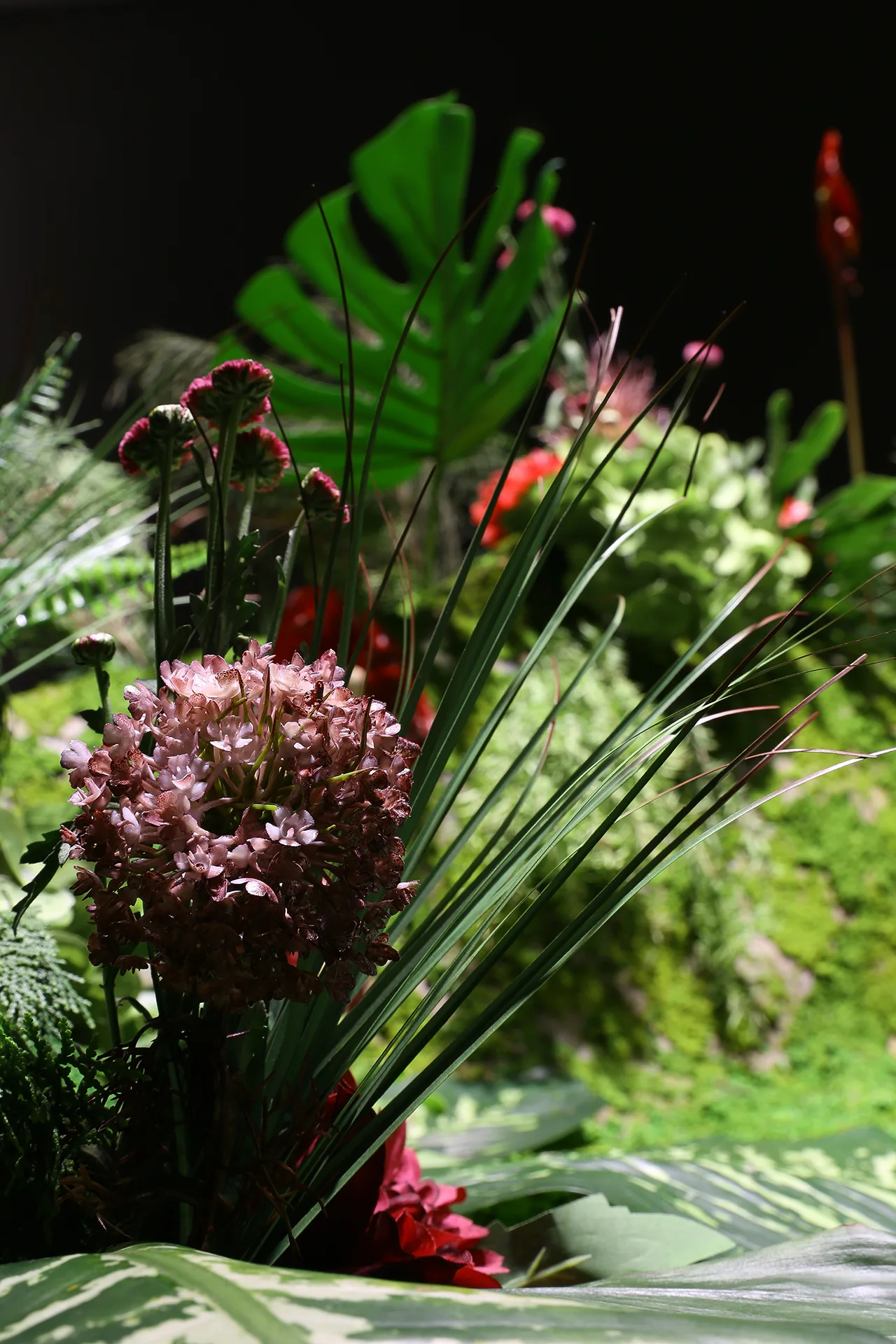
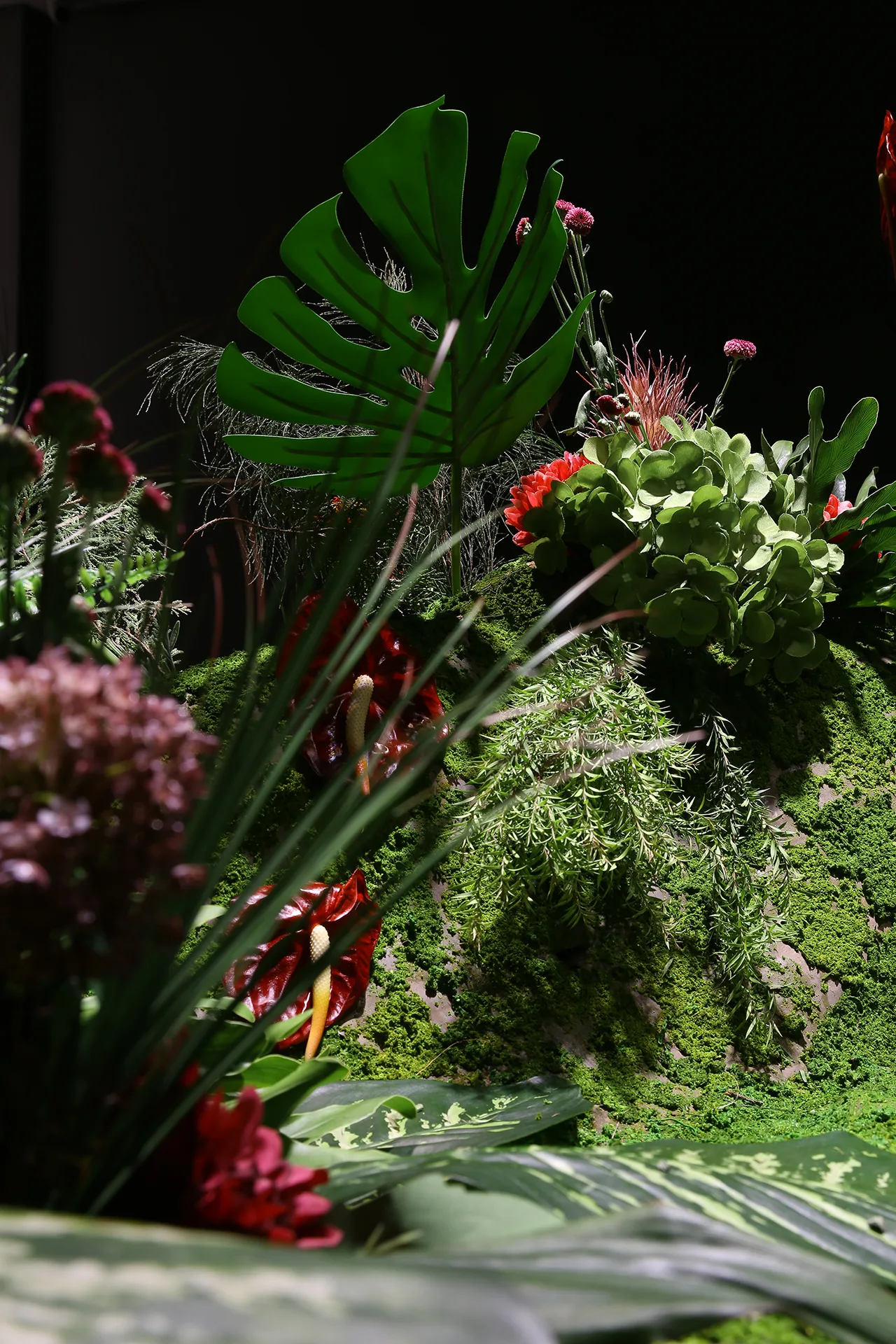
In the expansive world of objects and images, there will always be impostors, there will always be renegades, according to Balquin’s own assessment. And the artist, artisans, creators, are all who could become complicit in setting up conditions for these renegades to sprout. She uses the idea of gardens—revisiting the game she had played when young, to let the flowers’ own nature make their own statements about perception, likeness, and beauty. In this work, she creates a miniature garden combining real and fake flowers. There are those which in time would wither as nature would have them, and Balquin considers this occurrence as part and process of every art. There is value in this time-based schema for laying out an art work—and it is not just in the satisfaction anyone might find in revealing what is real or fake. It lies more in the idea that our perception of art is somehow limited to the images we see at face value. For Balquin, there is always something beyond that, there is always time and process involved. There is always discovery in every stage, and a work of art might never be finished until a process beyond anyone’s control is completed.
There are many great revelations that have occurred in gardens found in a multitude of texts, stories, fables, and images. There are those which revealed goodness, revealed sin; those which revealed paradise and those which revealed deception. In Renegade Garden, conflicting notions on beauty and art are revealed: the everlasting likeness of simulations, and the beautiful wilting of their originals. But the most important revelation through this work is one that reflects on itself—that revelation is slow and is something that perseveres.
/CLJ

About the Artist
About the Artists
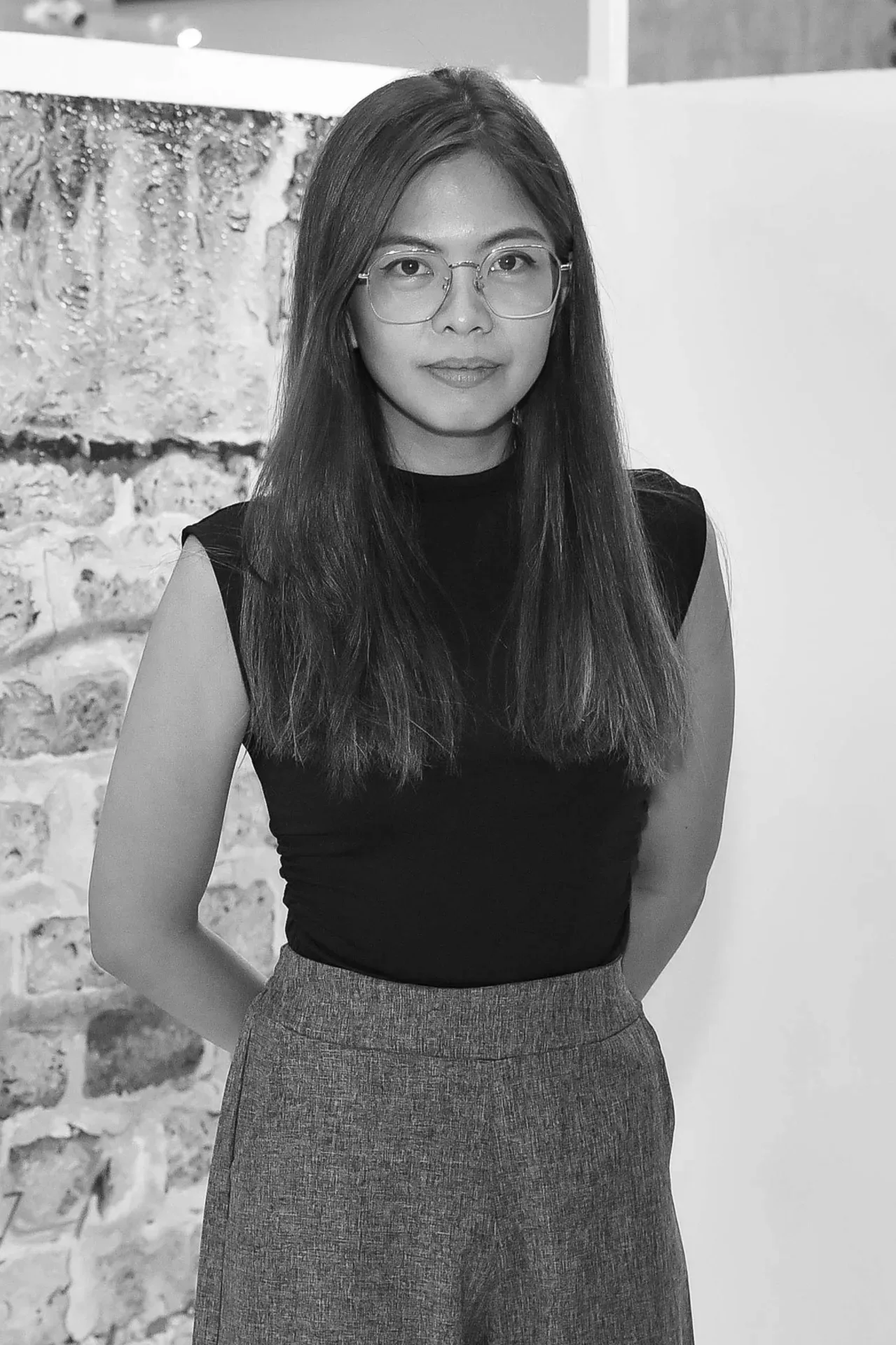
Dealing with concepts of value, materiality, and banality, Jan Balquin works across different media ranging from paintings to collage. Exploring conventional notions of material and subject matter vis-a-vis unconventional imagery and simulacra, her recent paintings expand into sculptural forms that interrogate the qualities of the blank canvas as an object.
An alumna of the Philippine High School for the Arts, Balquin (b.1989) graduated with a degree in Fine Arts from the University of the Philippines, Diliman, having received a grant to pursue her thesis.
Related Exhibitions

About the Artists
About the Artist
Dealing with concepts of value, materiality, and banality, Jan Balquin works across different media ranging from paintings to collage. Exploring conventional notions of material and subject matter vis-a-vis unconventional imagery and simulacra, her recent paintings expand into sculptural forms that interrogate the qualities of the blank canvas as an object.
An alumna of the Philippine High School for the Arts, Balquin (b.1989) graduated with a degree in Fine Arts from the University of the Philippines, Diliman, having received a grant to pursue her thesis.

Share