munininop
Various Artists
Randy Gawwi, Dehon Taguyungon and Gail Vicente
Randy Gawwi, Dehon Taguyungon and Gail Vicente
May 30 – June 28, 2026
Curated by
May 30 – June 28, 2026
munininop
Randy Gawwi, Dehon Taguyungon and Gail Vicente
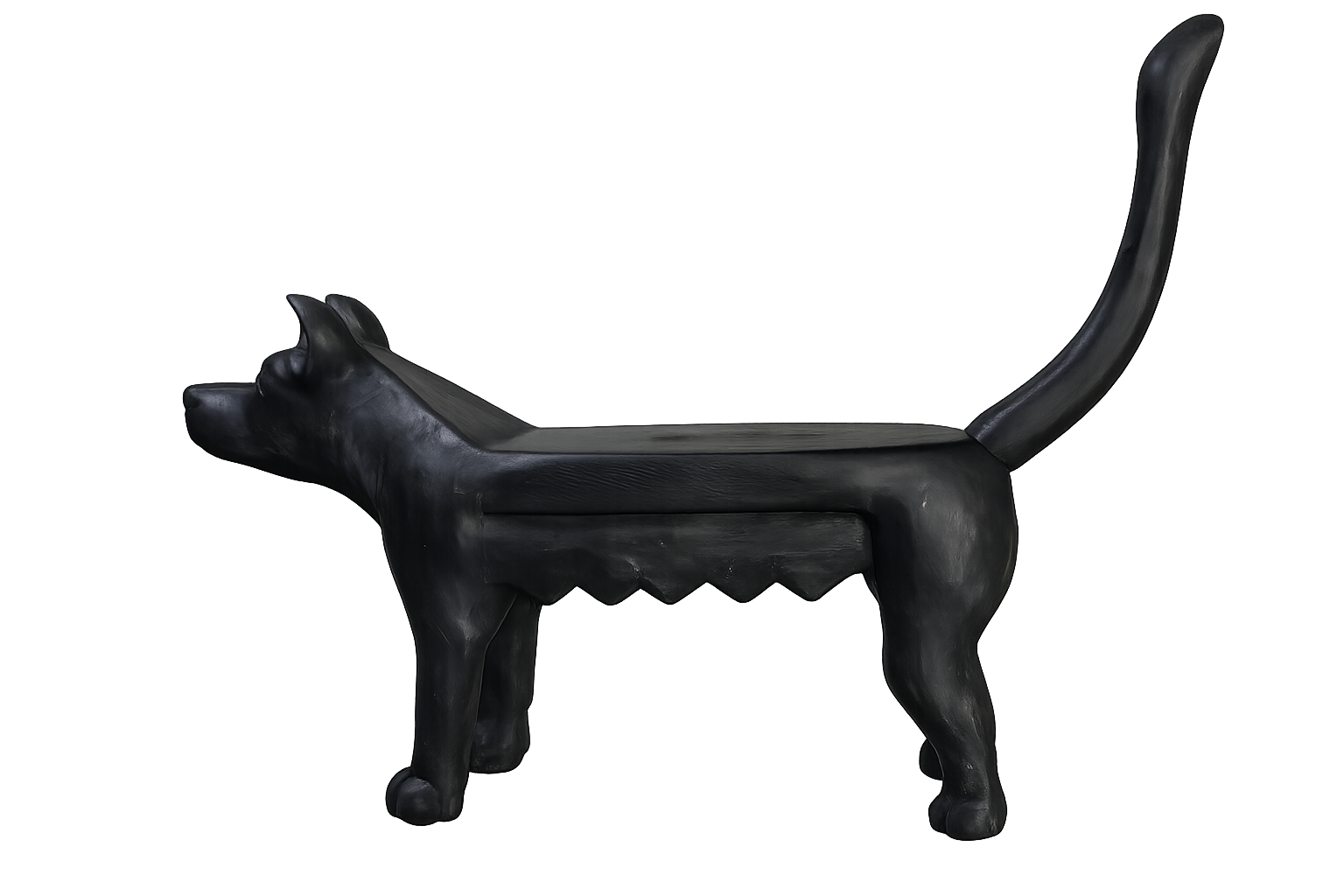
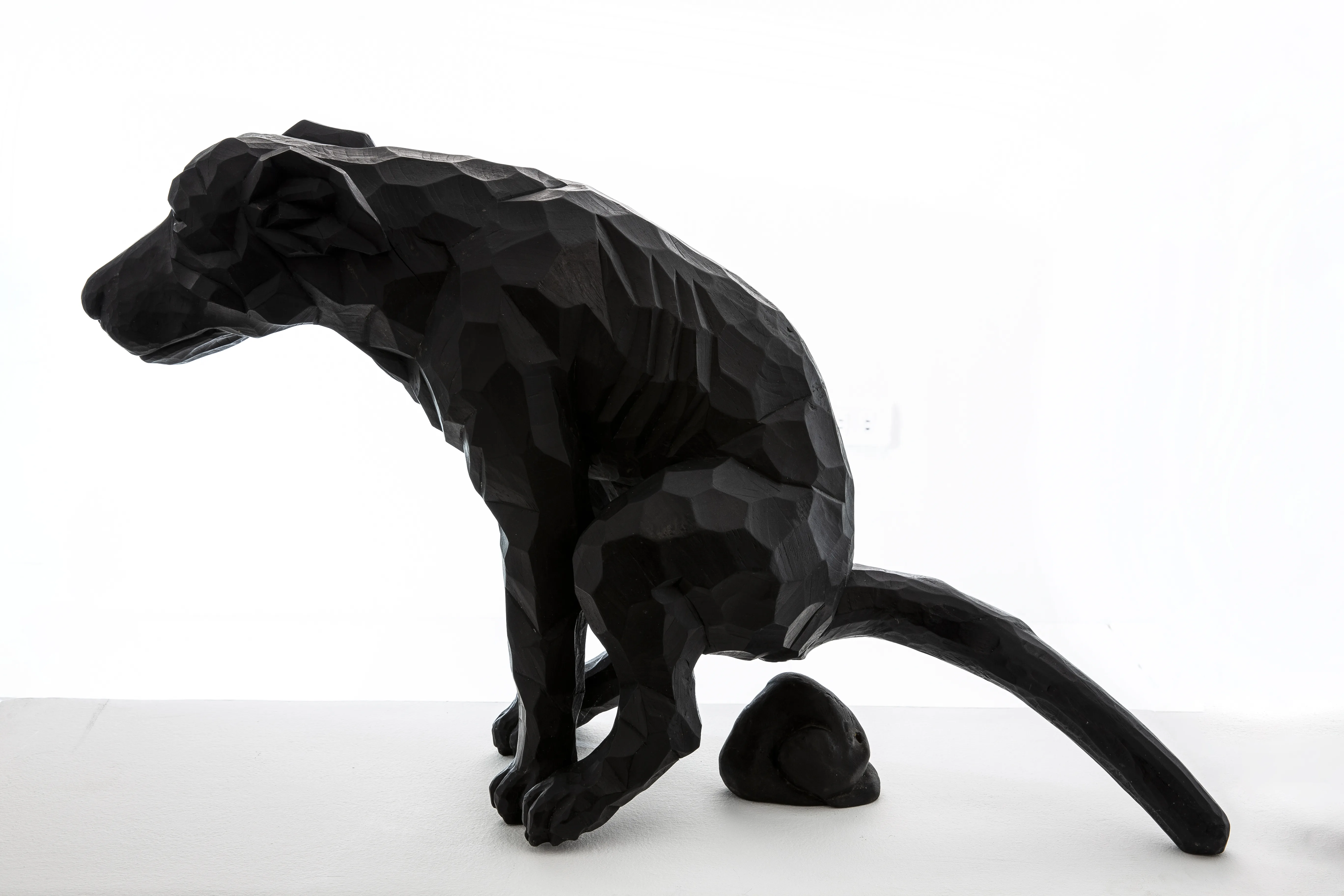
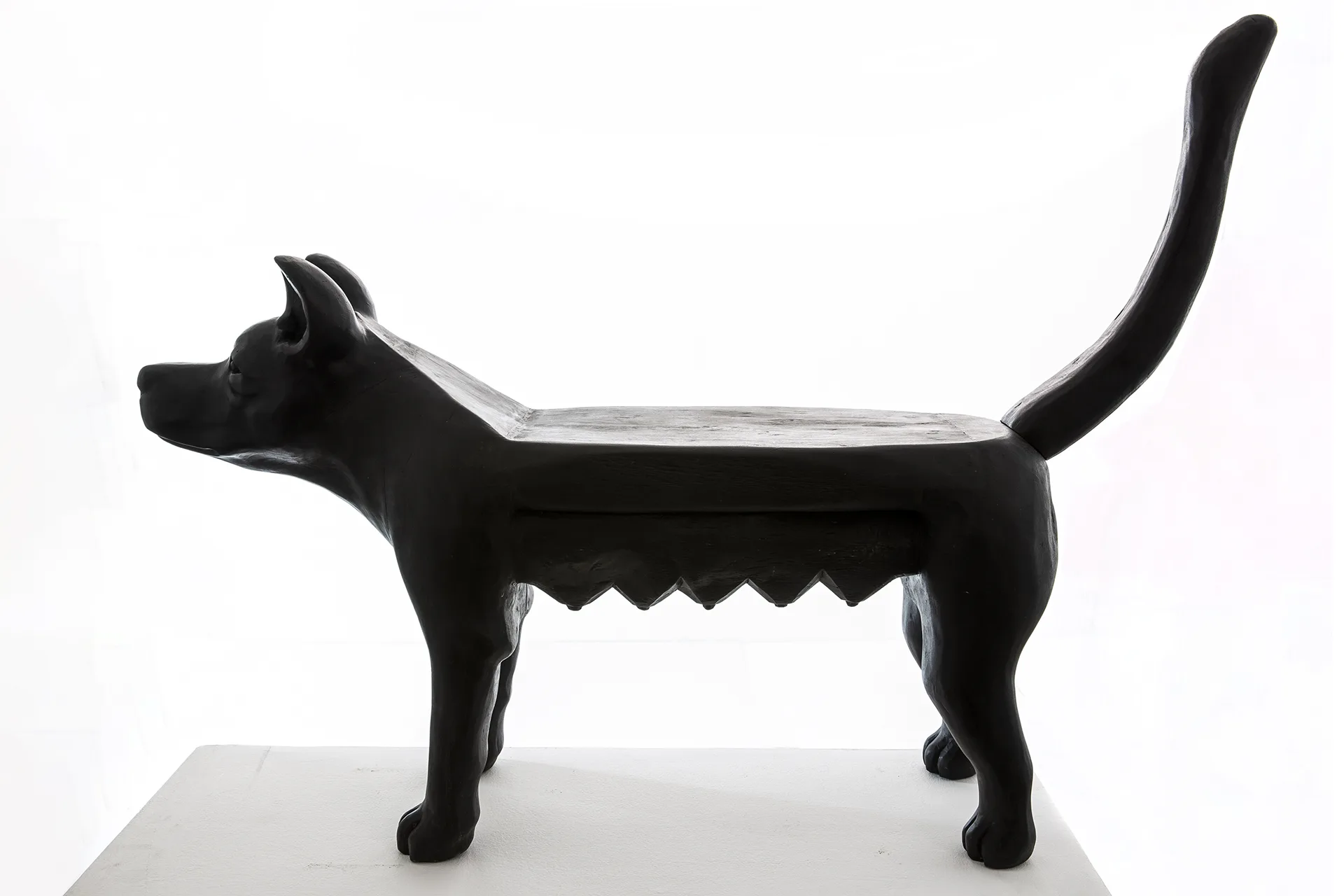
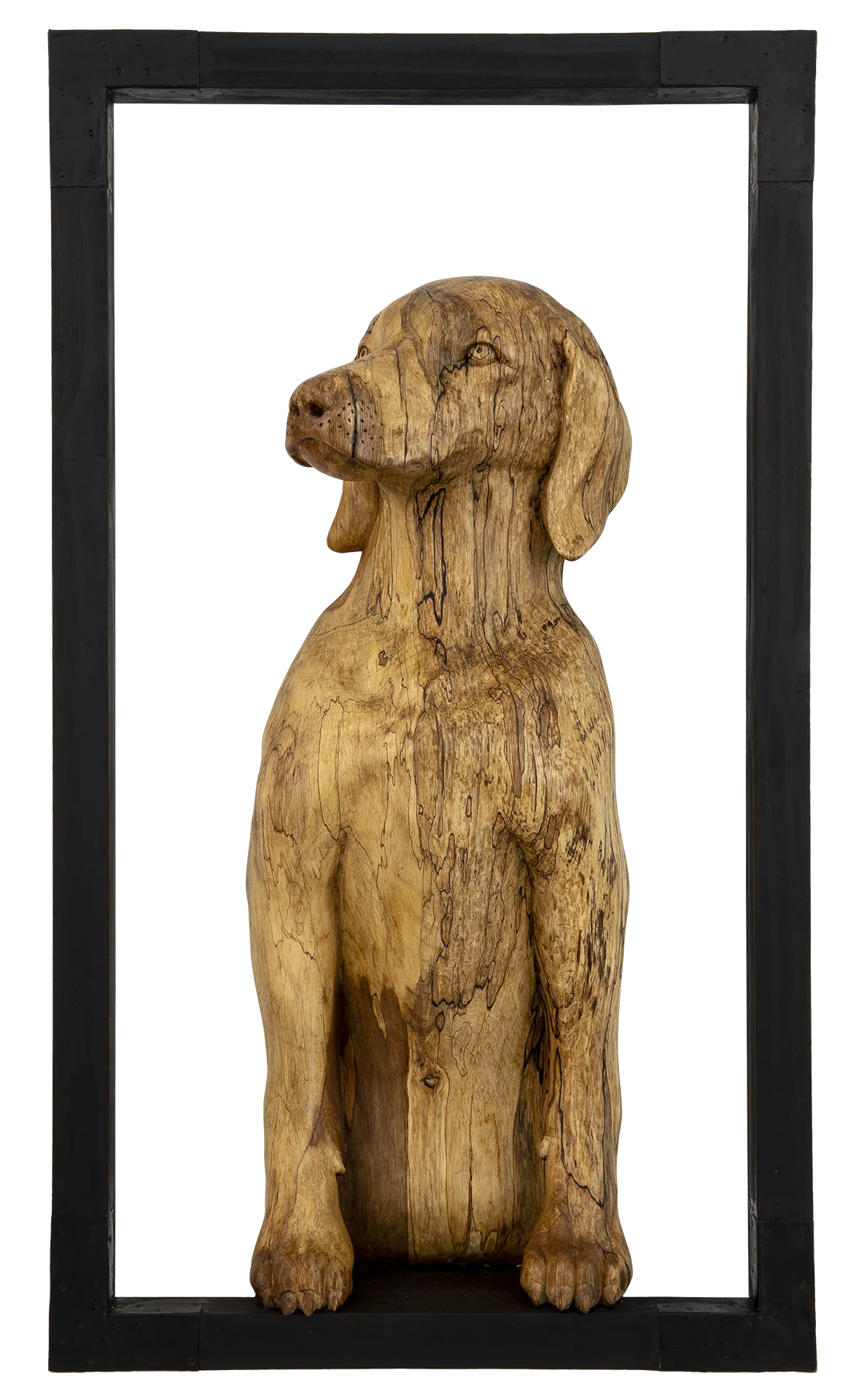
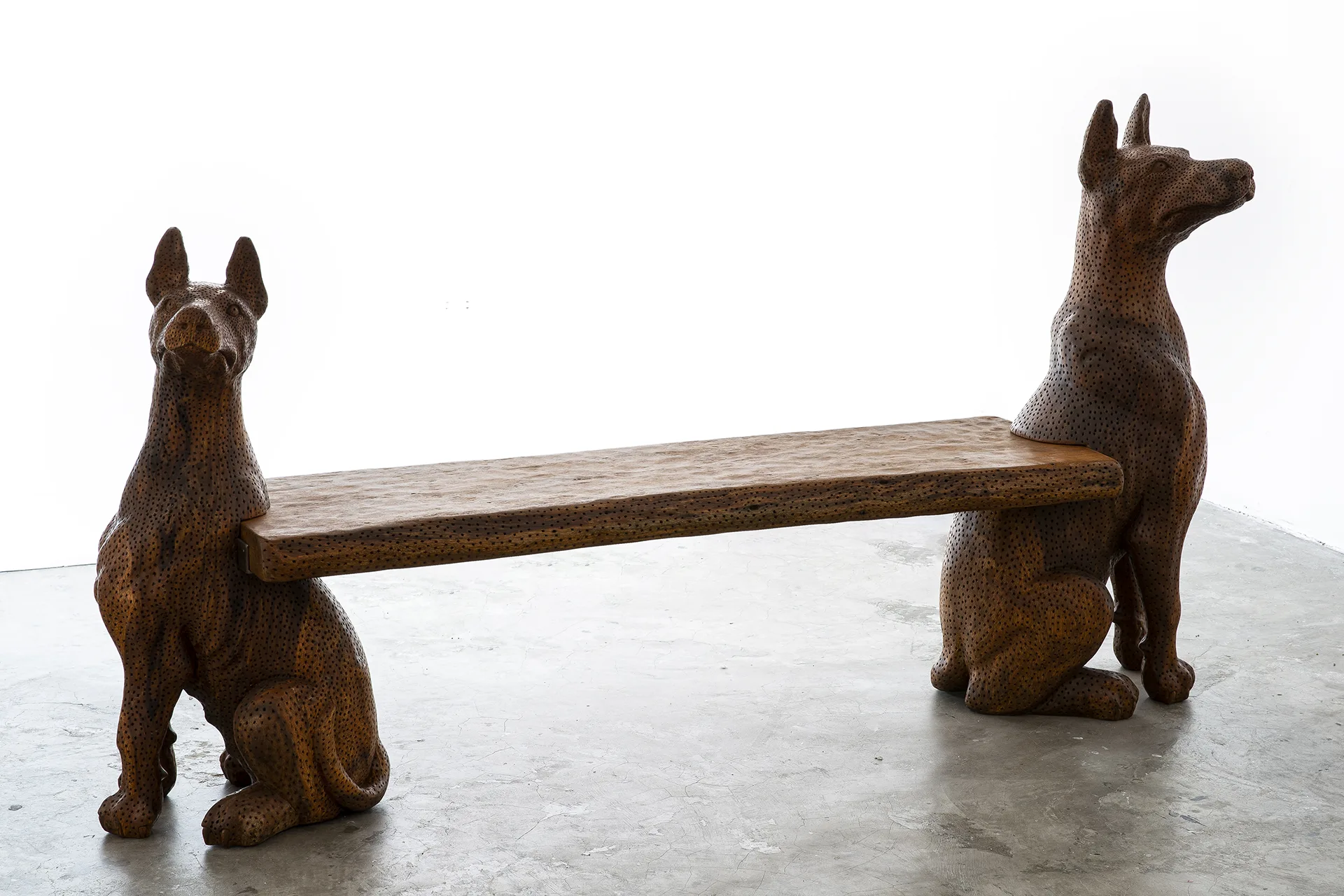
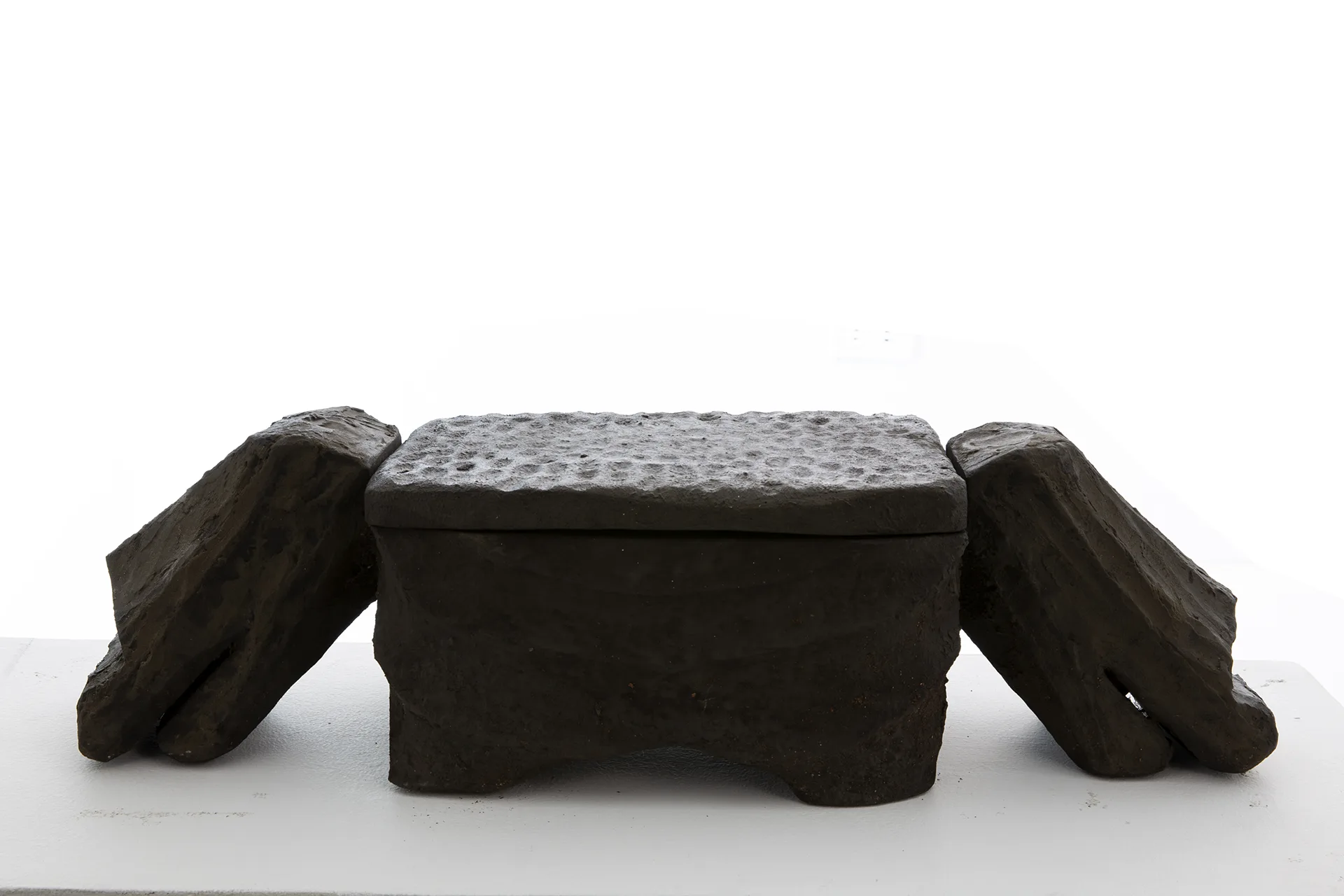
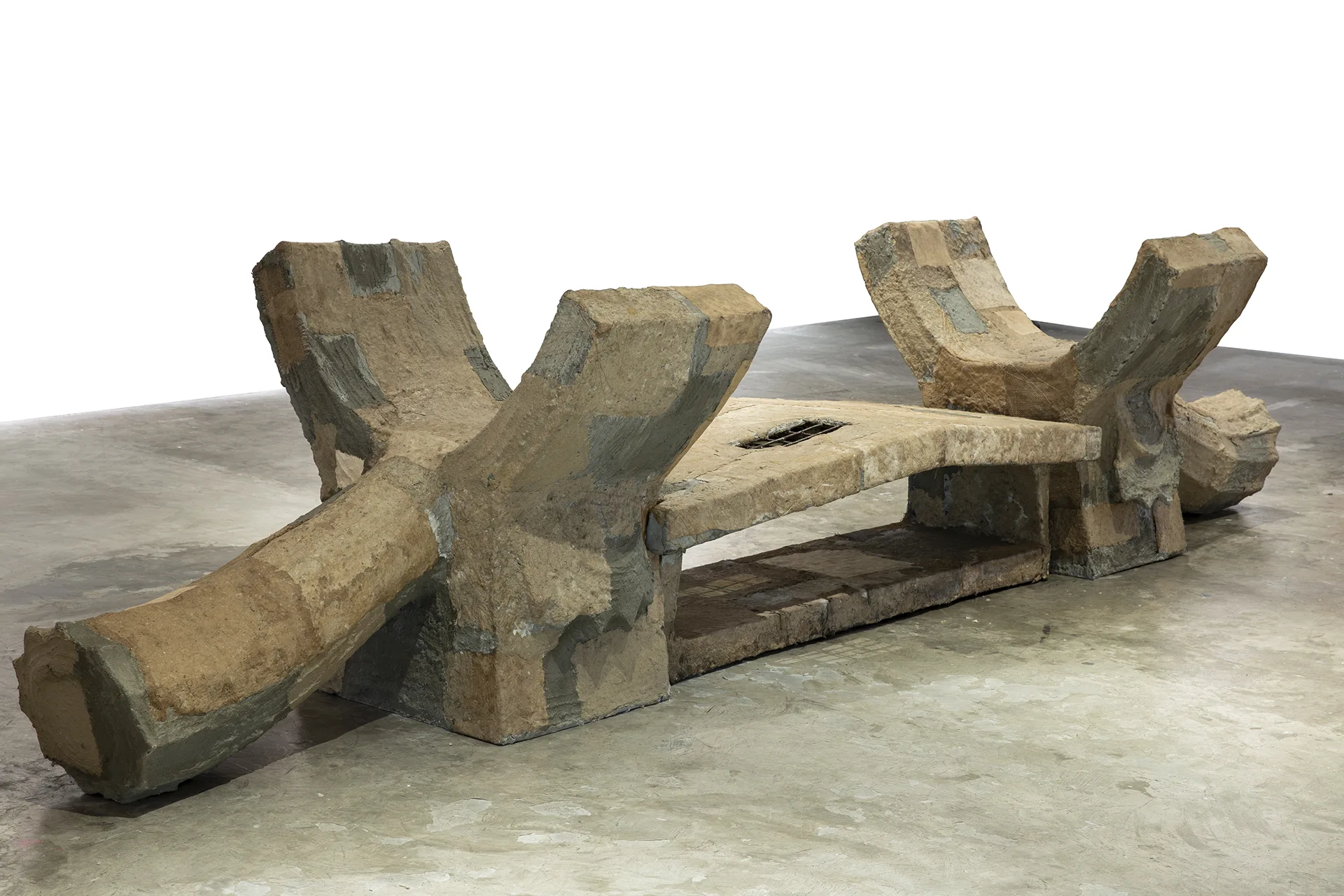
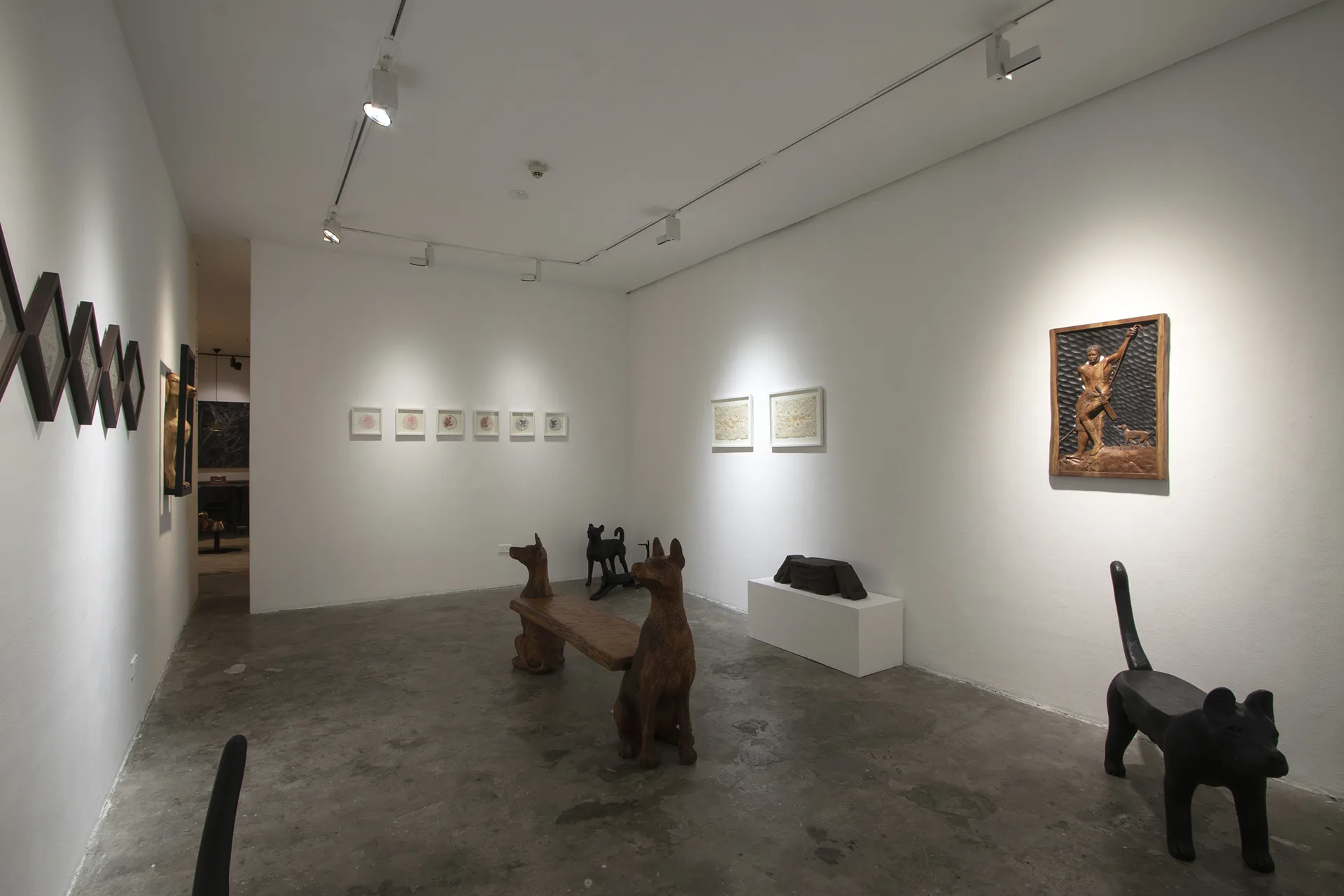
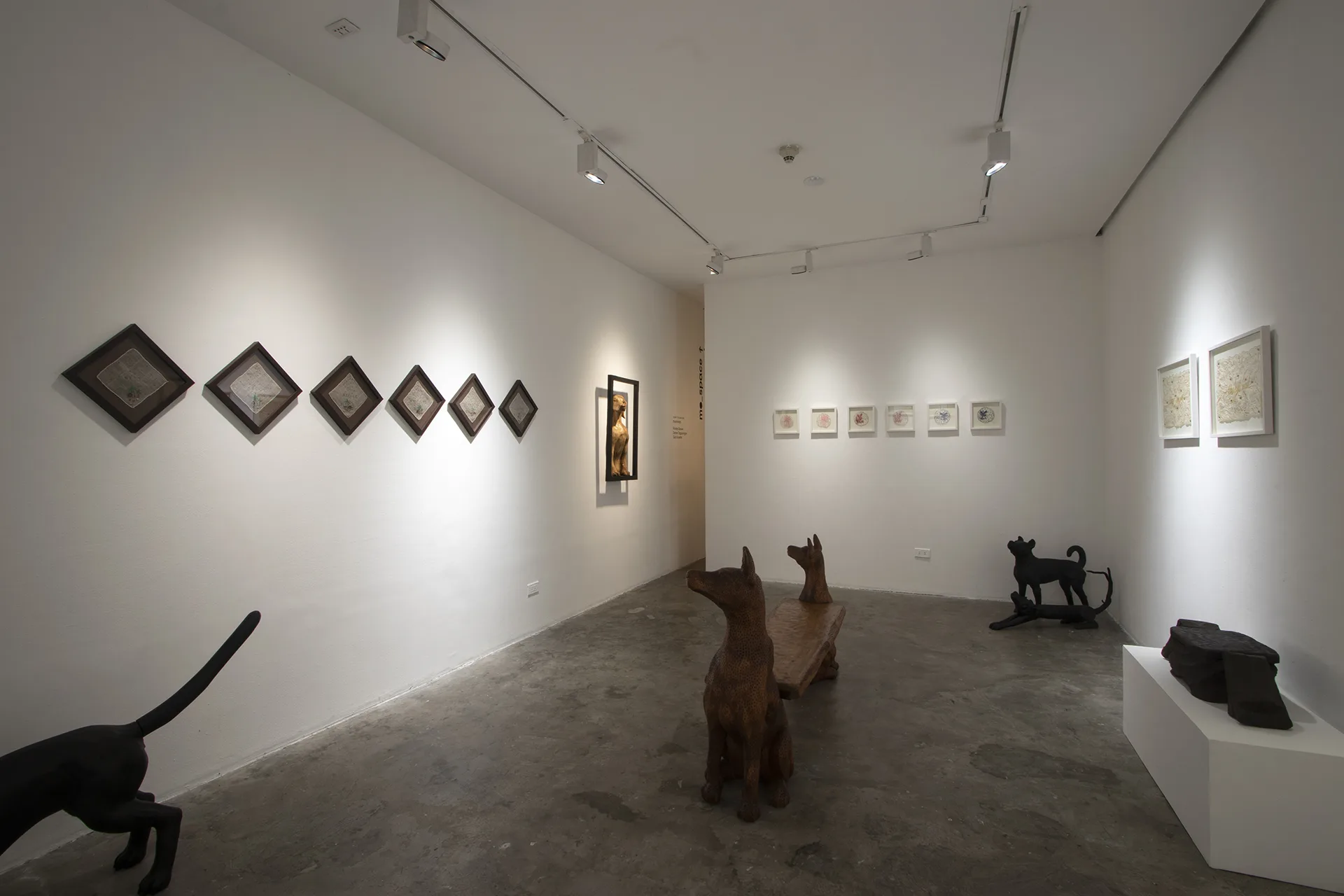
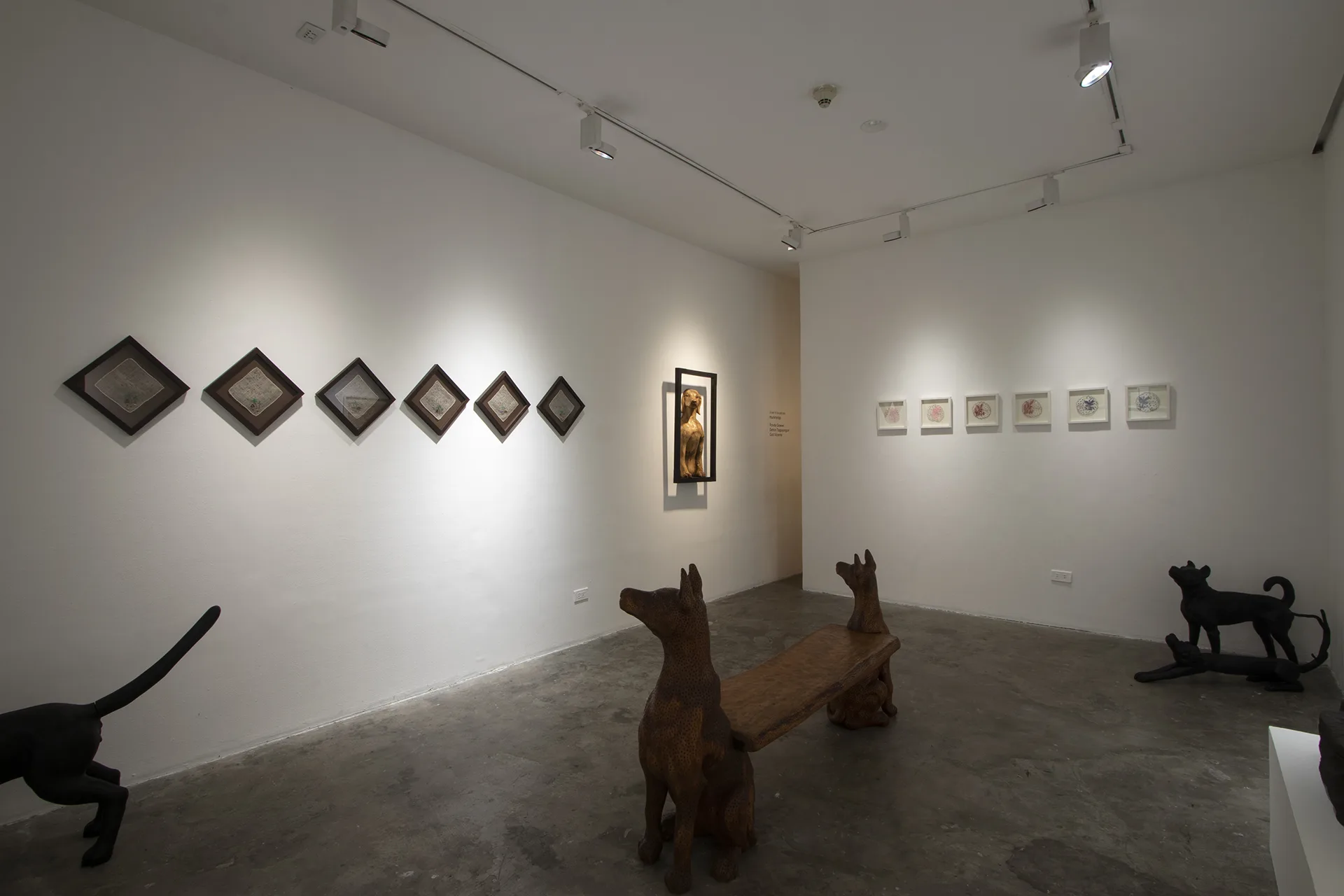
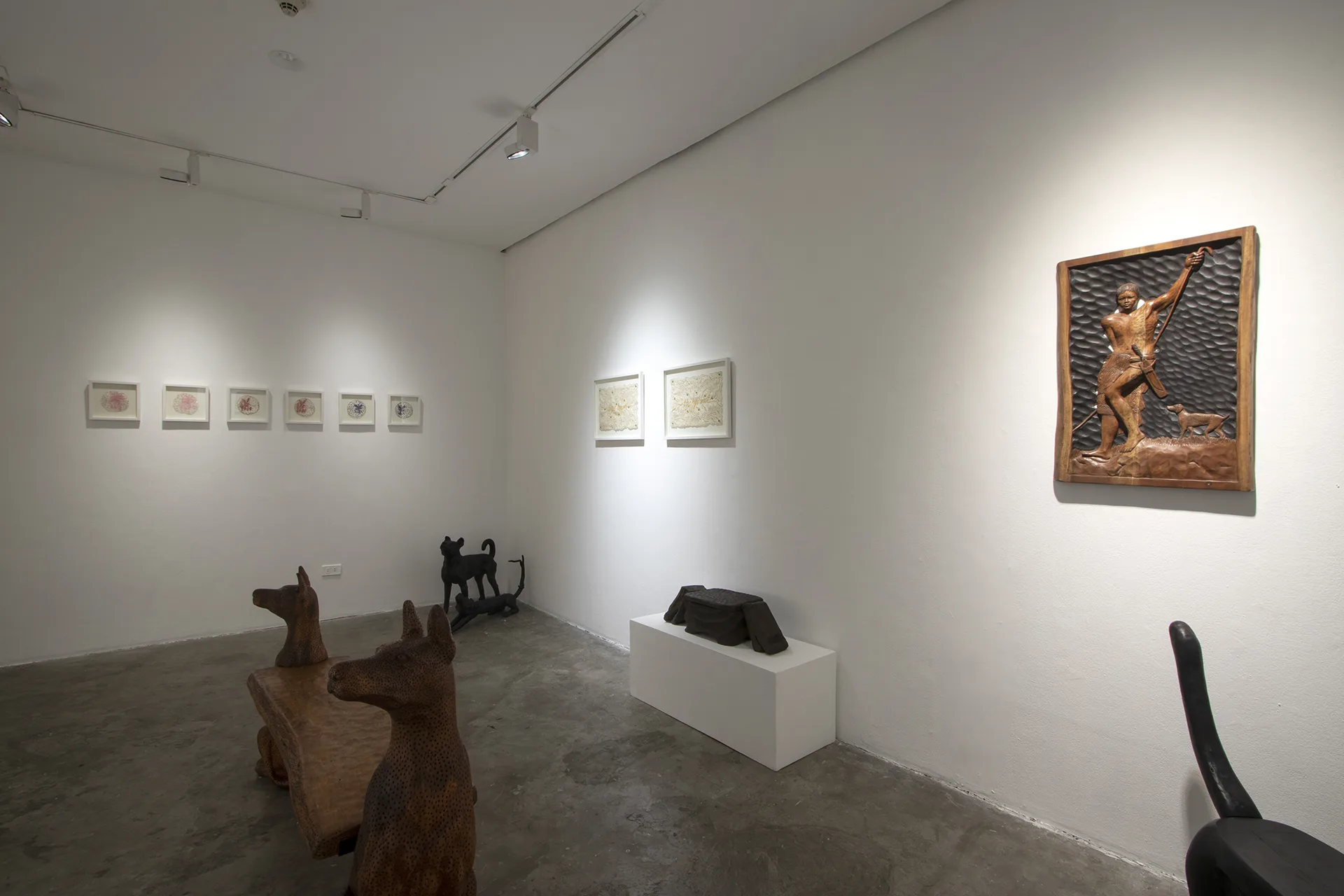
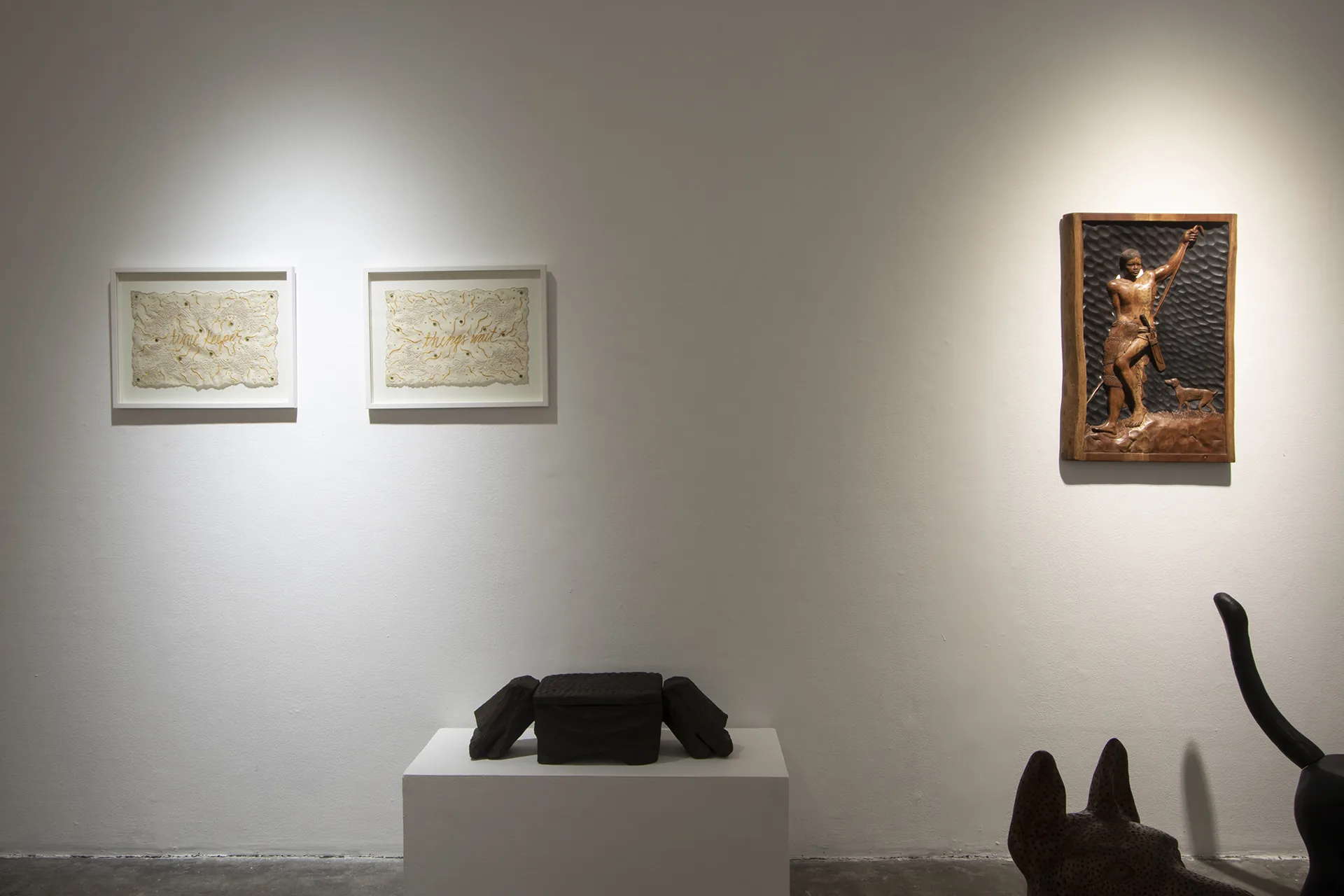
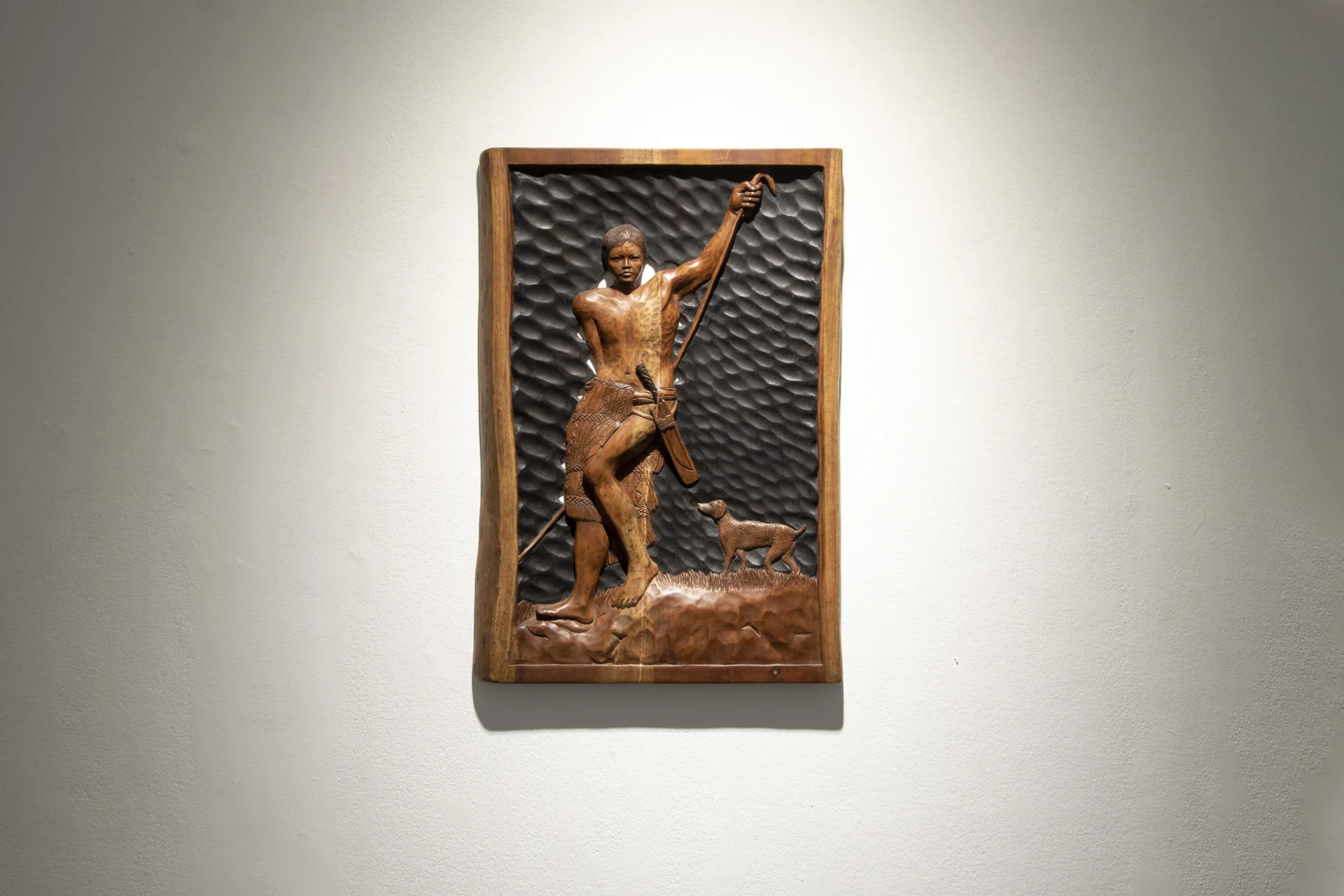
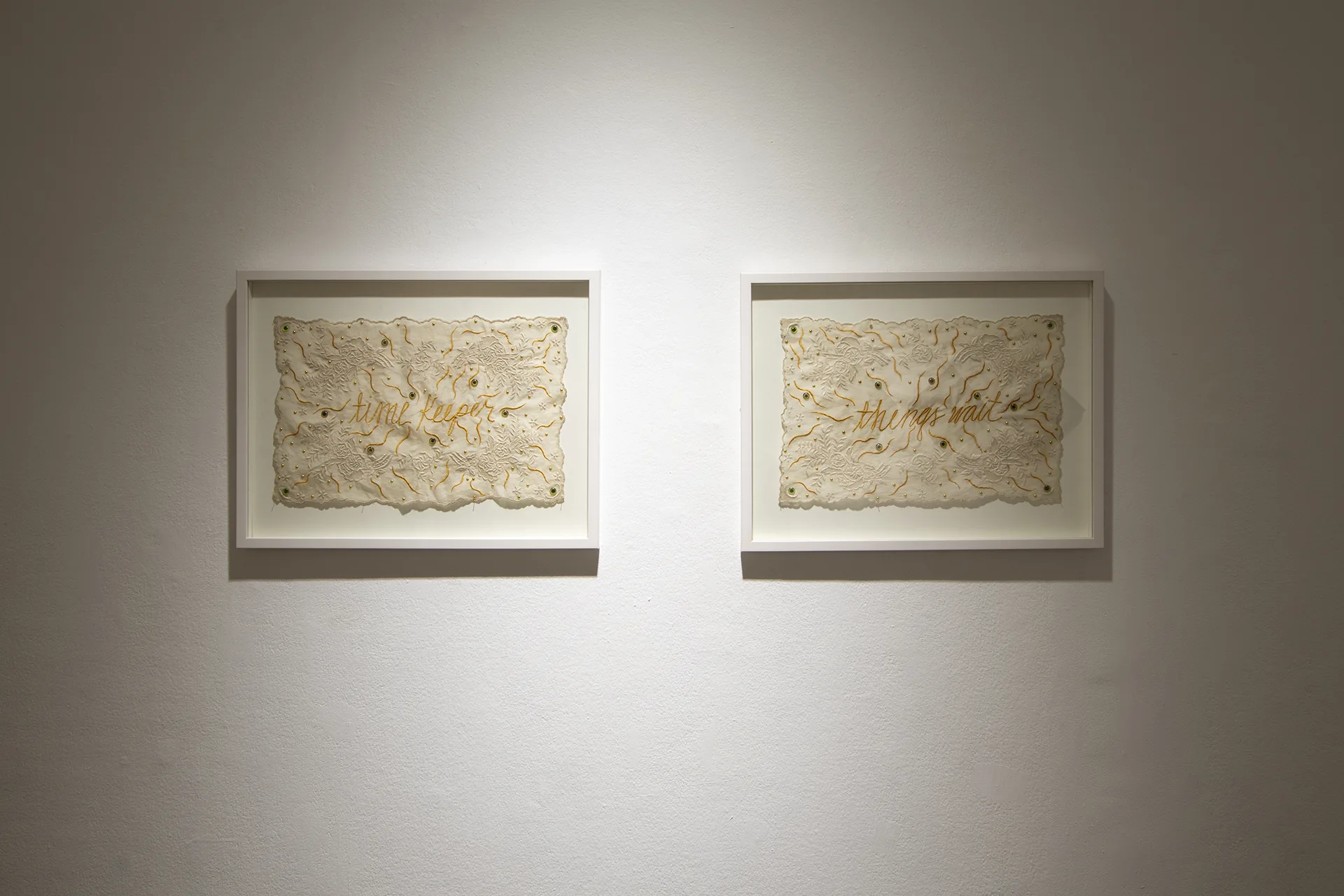
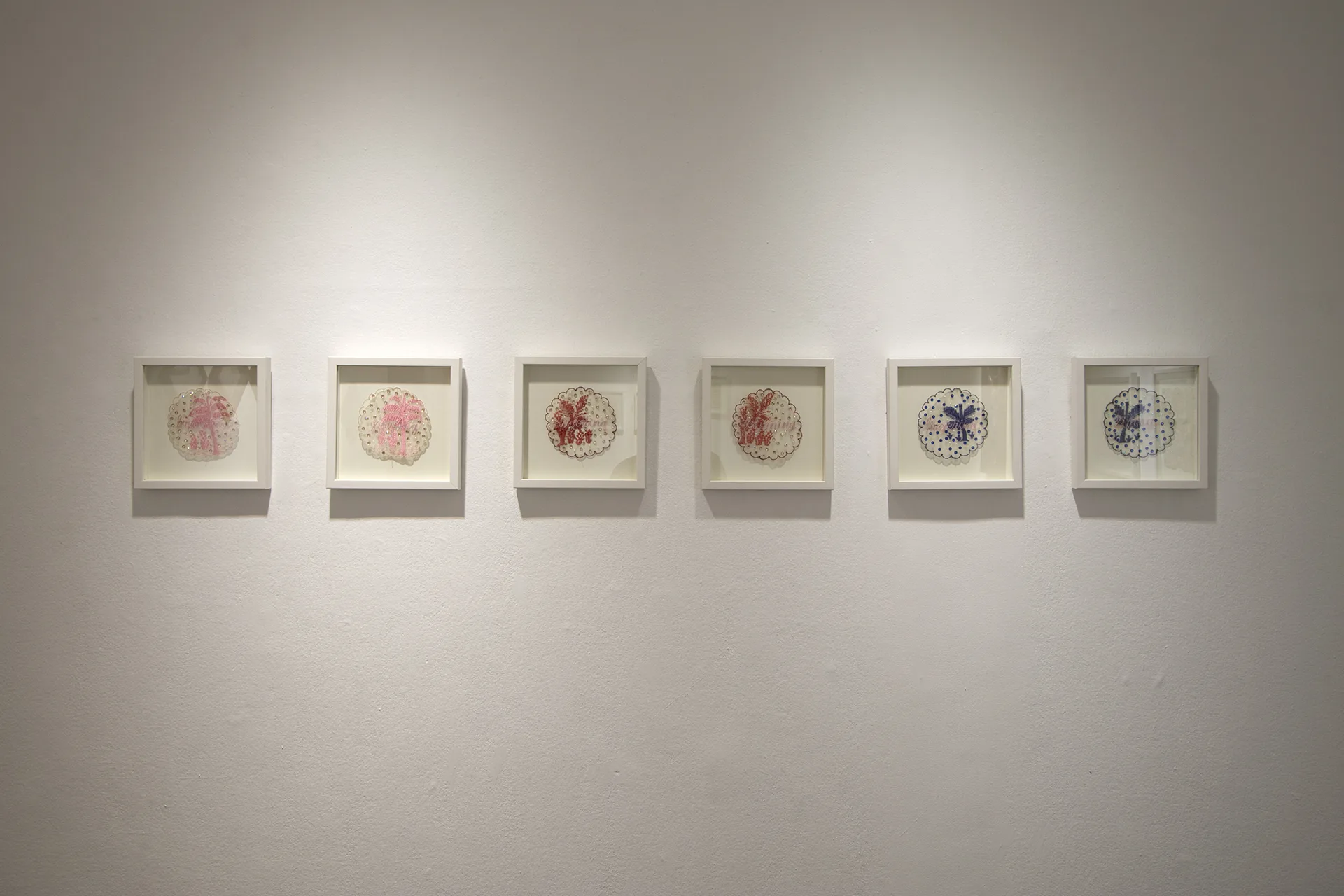
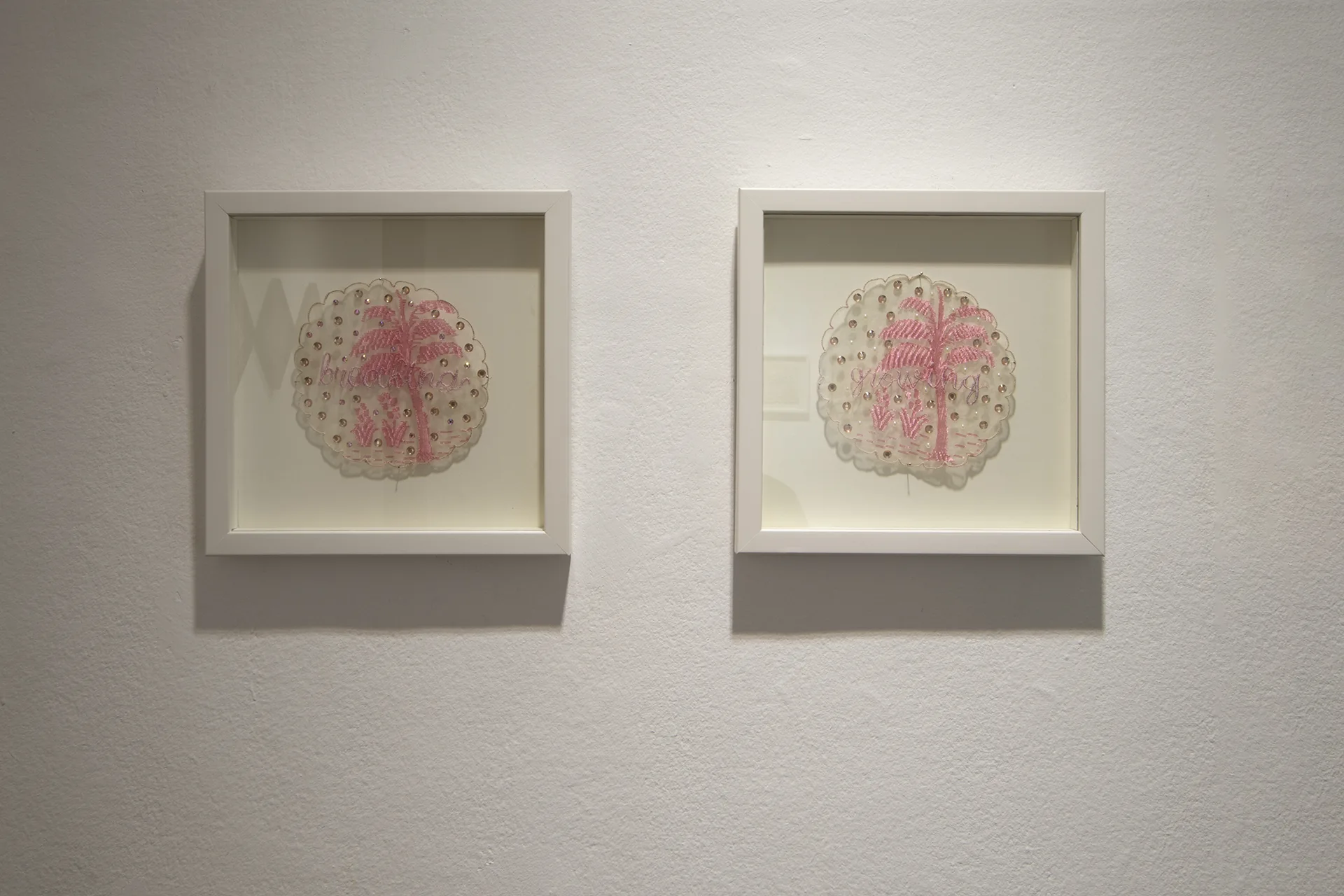
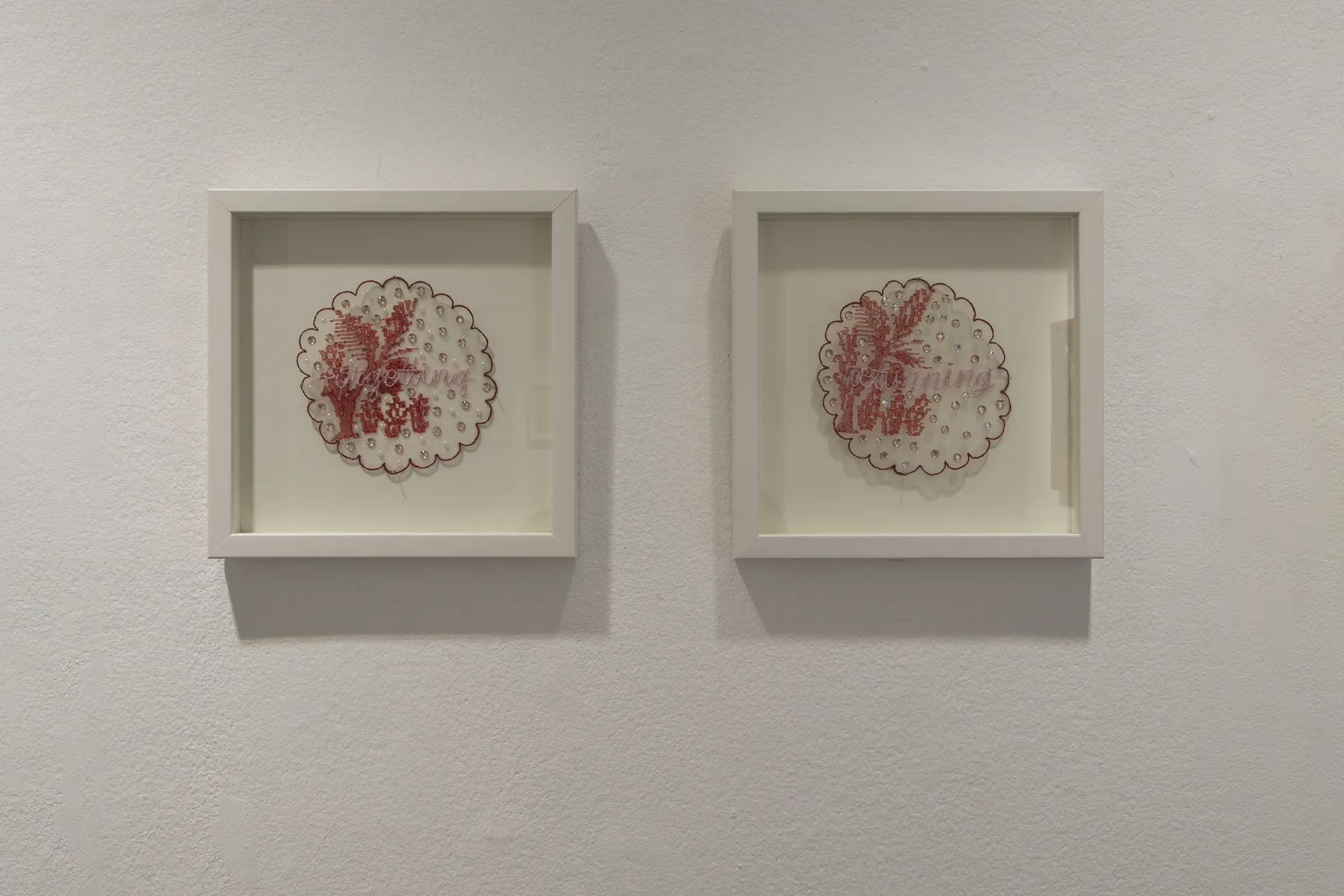
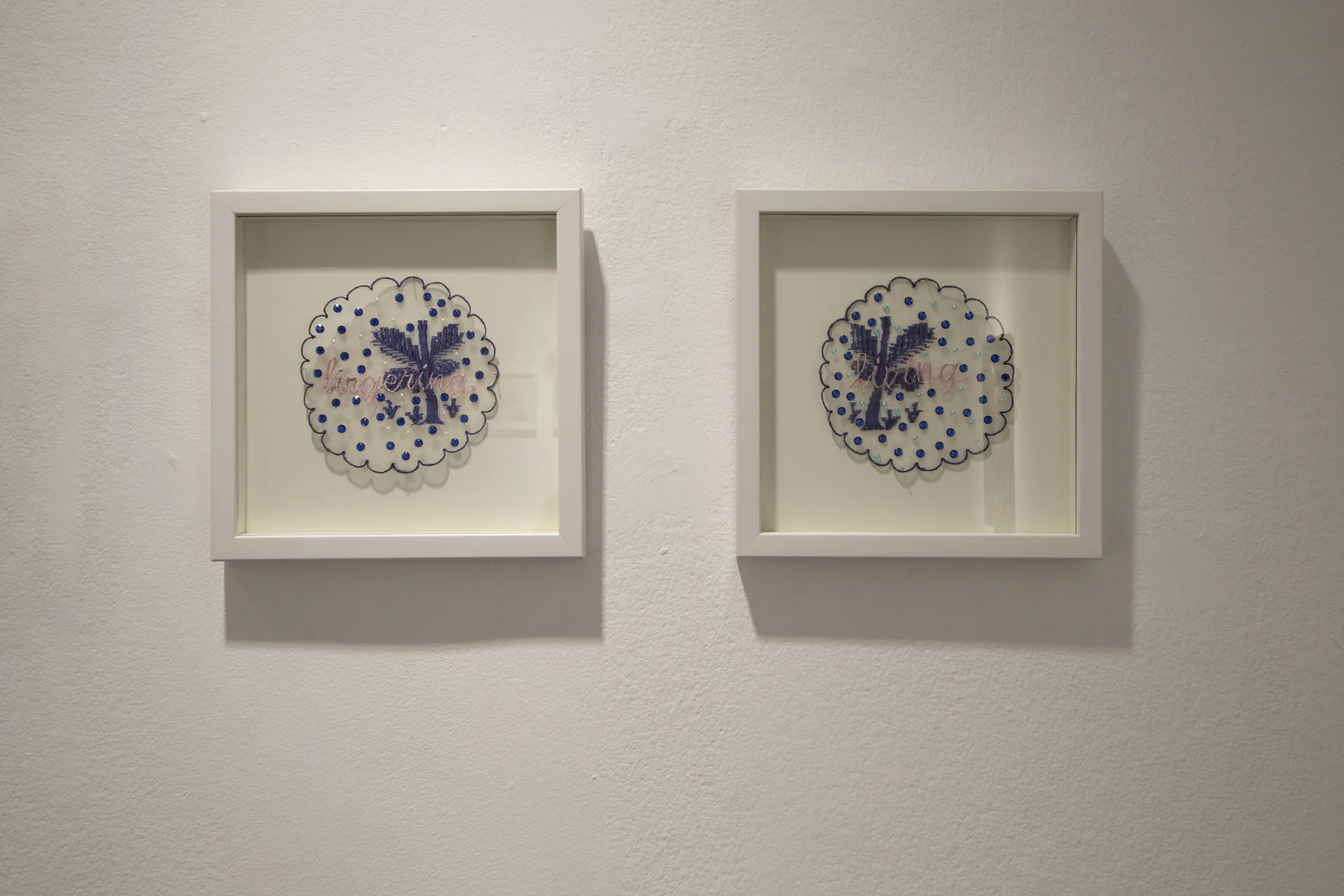
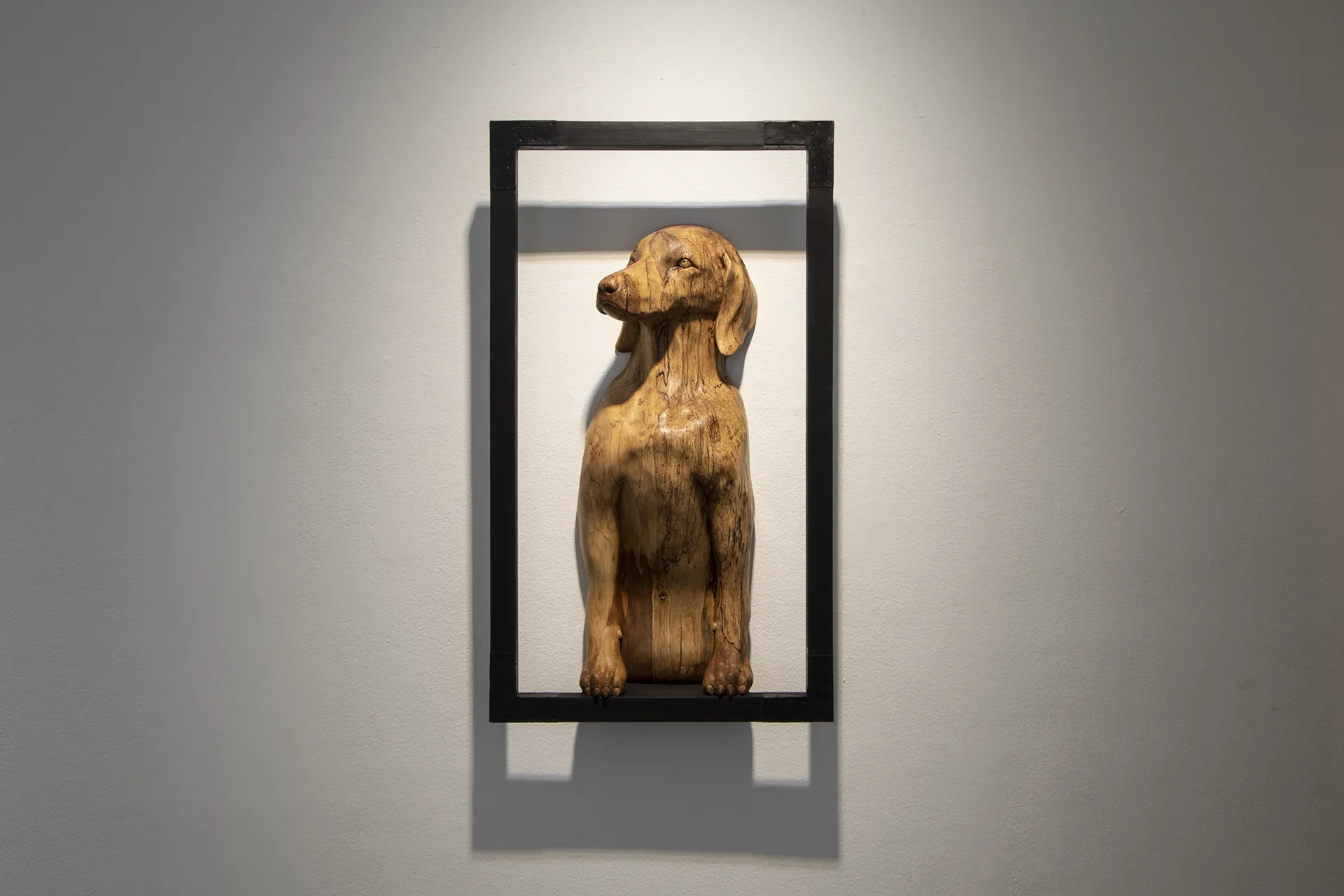
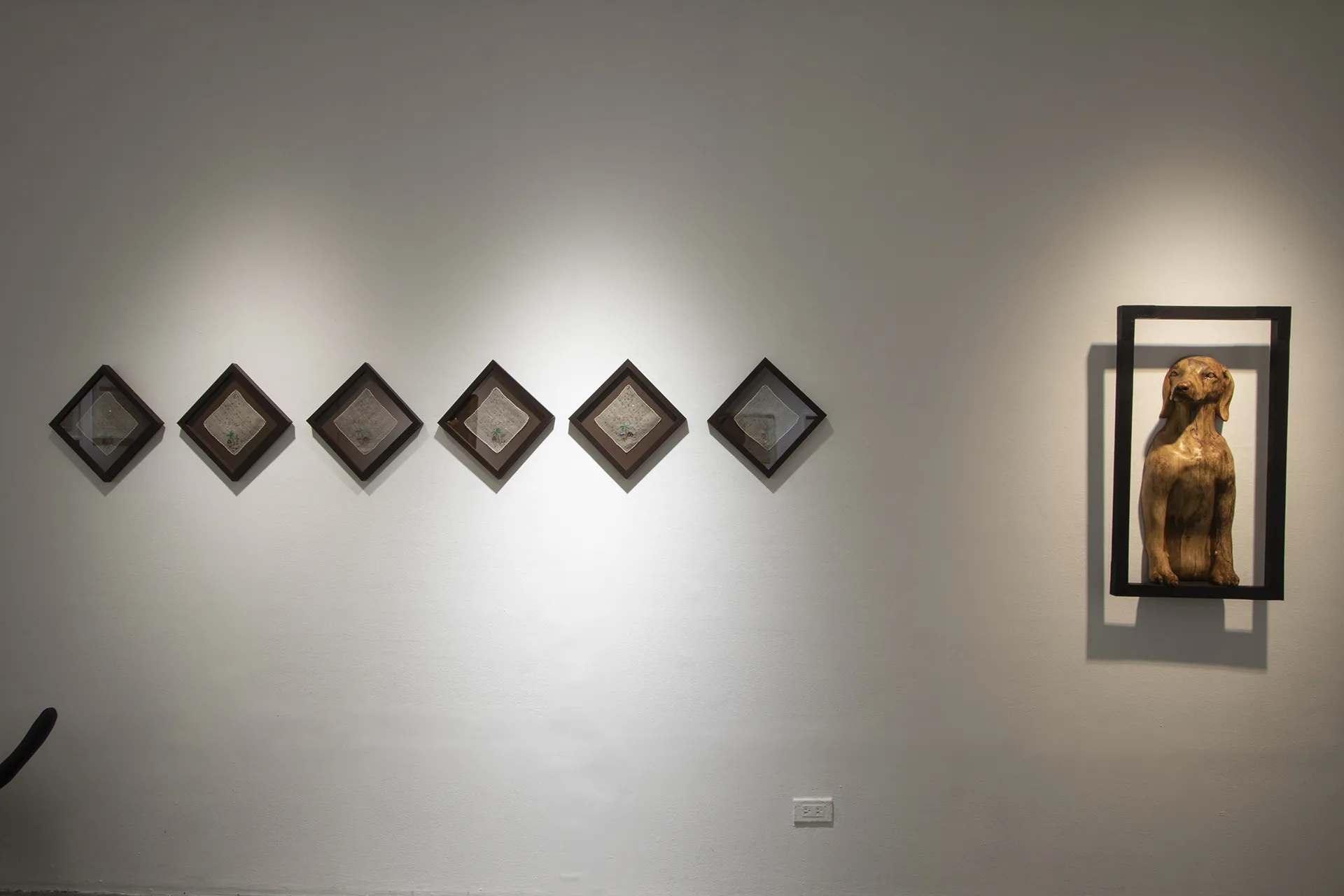
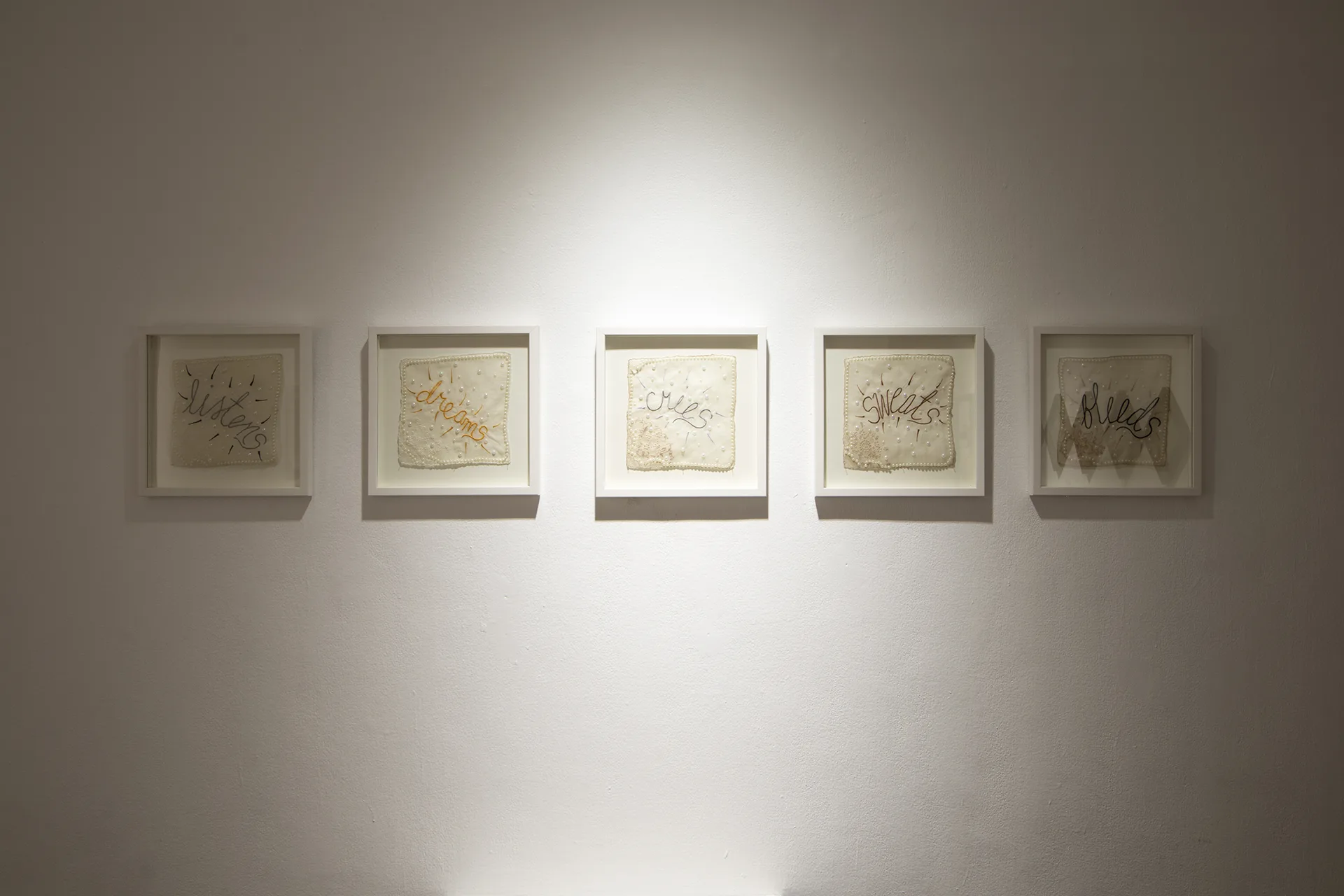
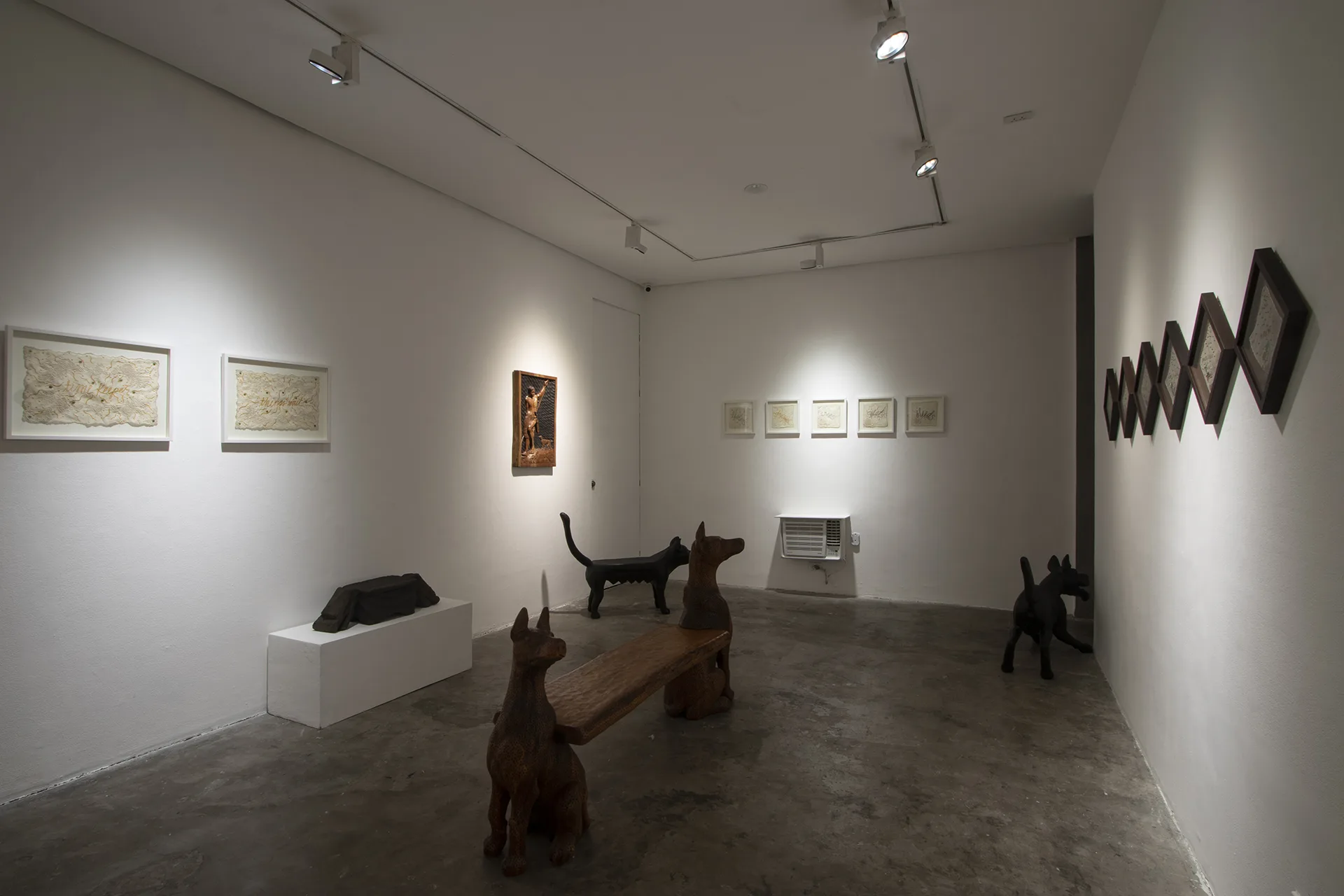
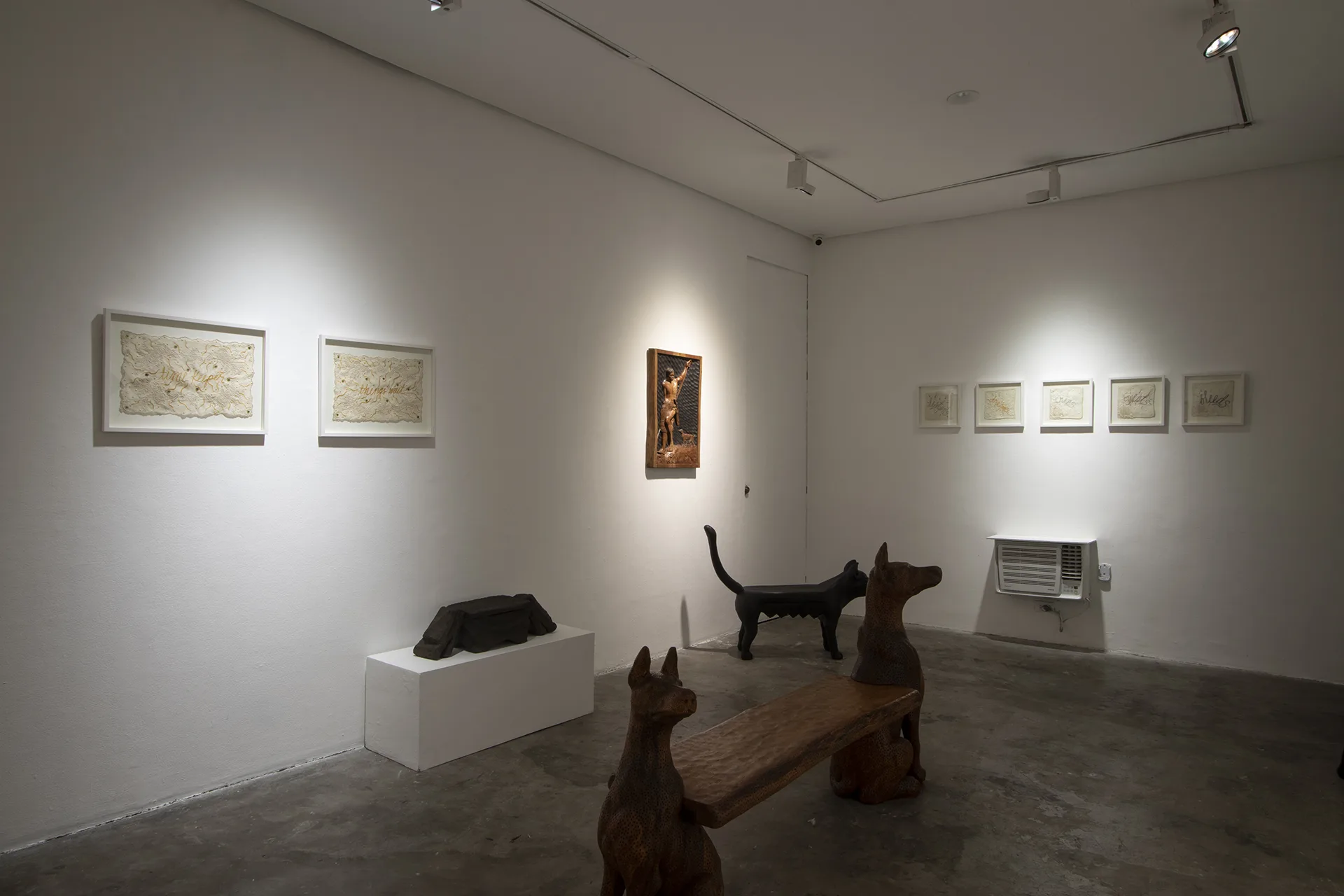
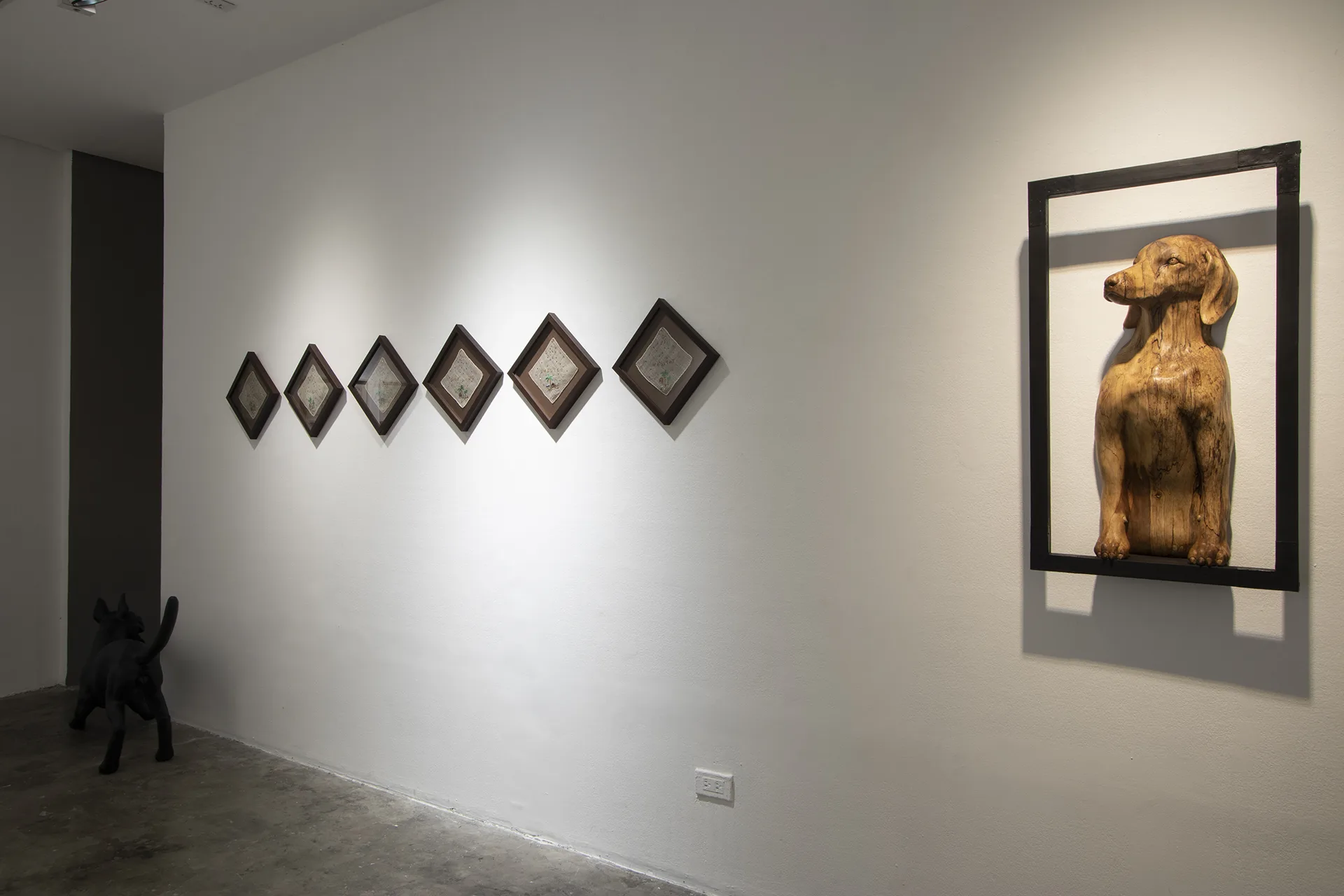
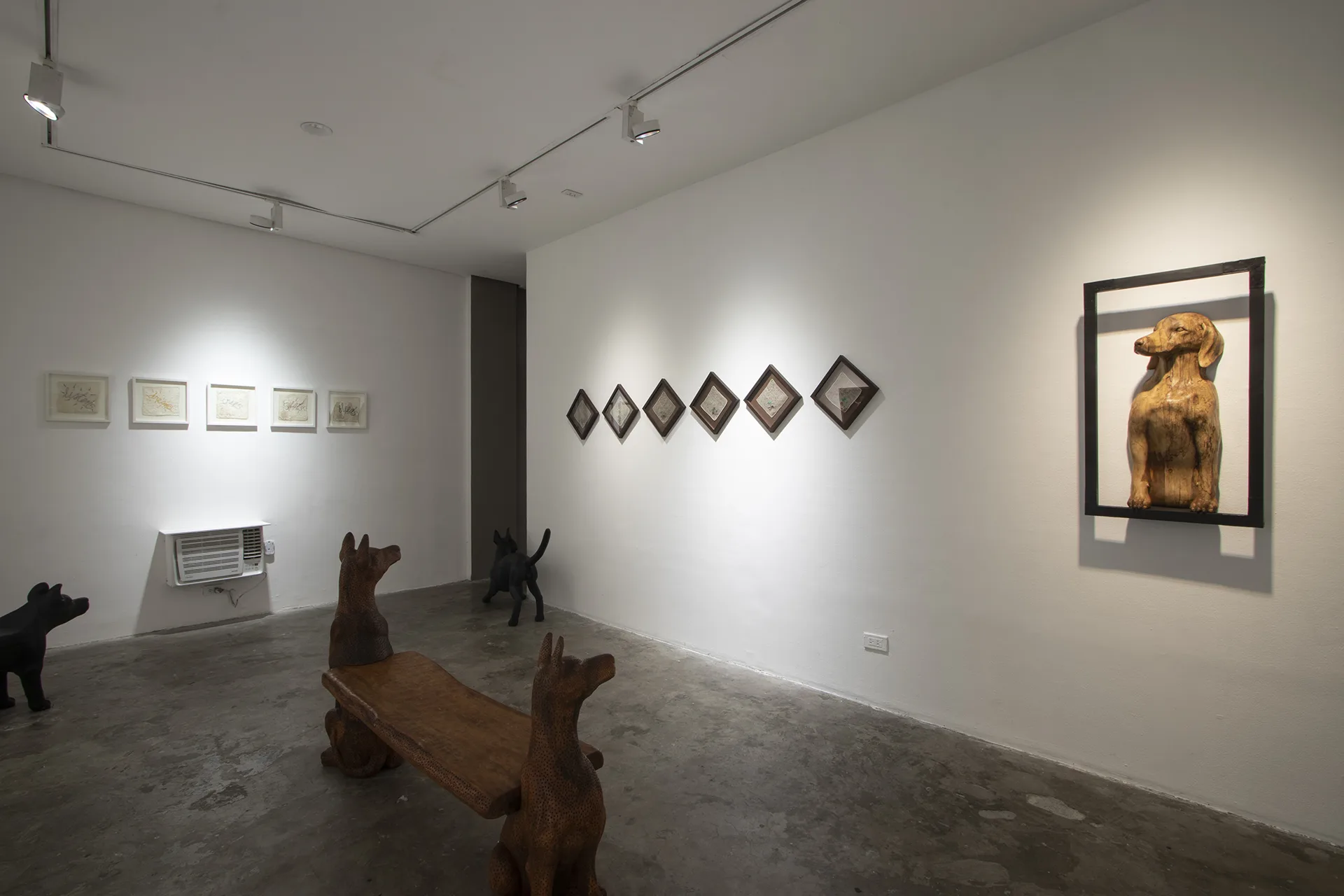
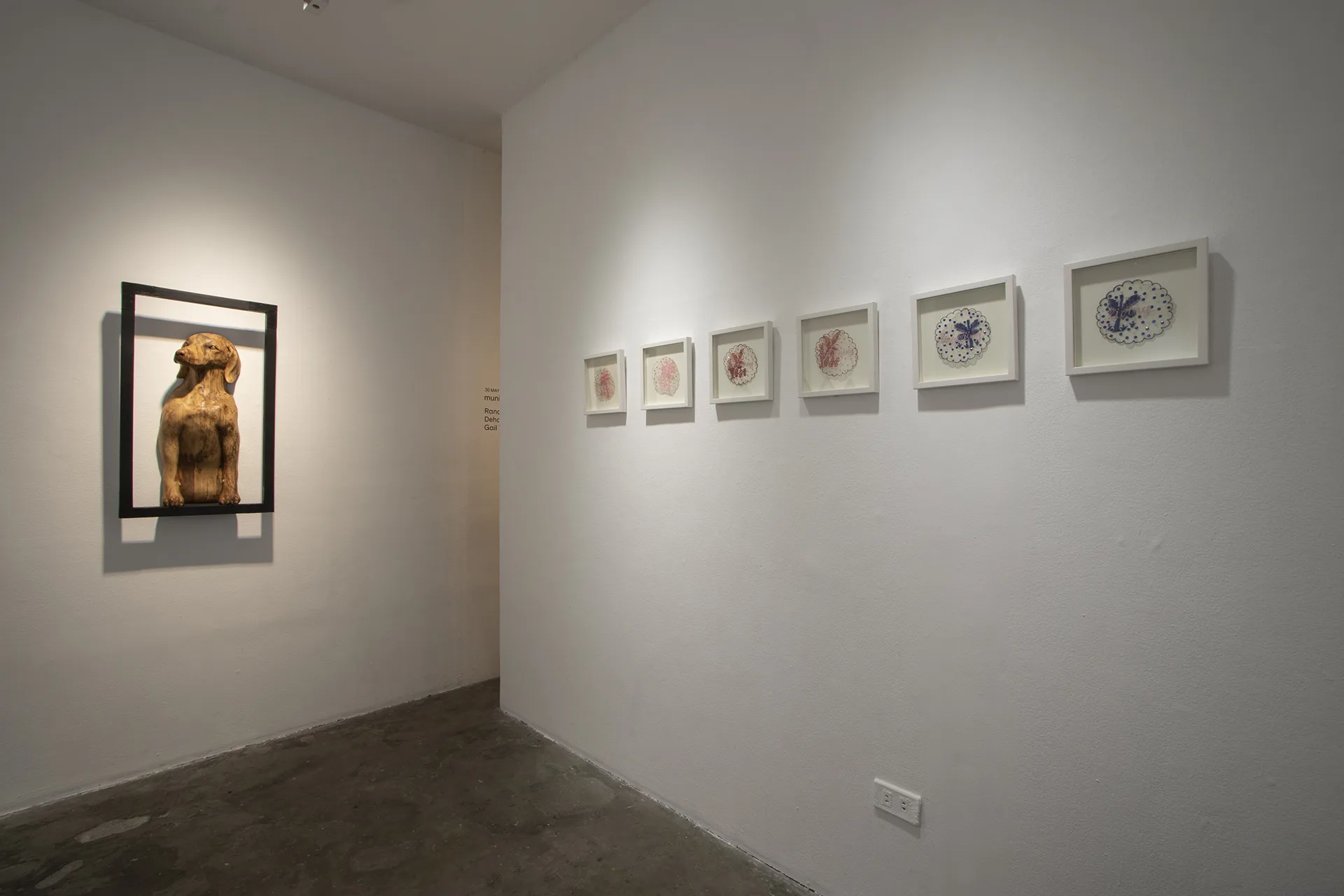
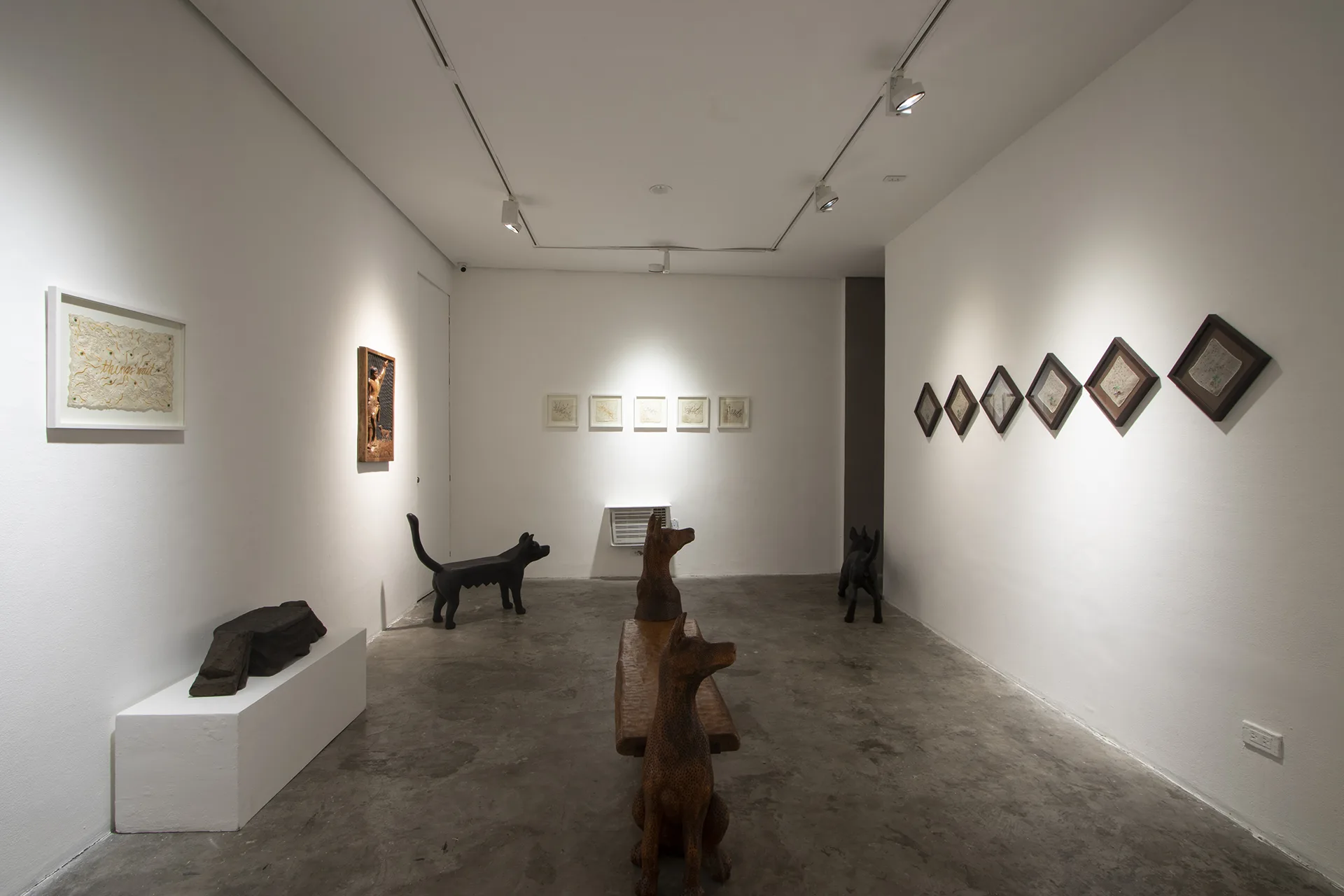
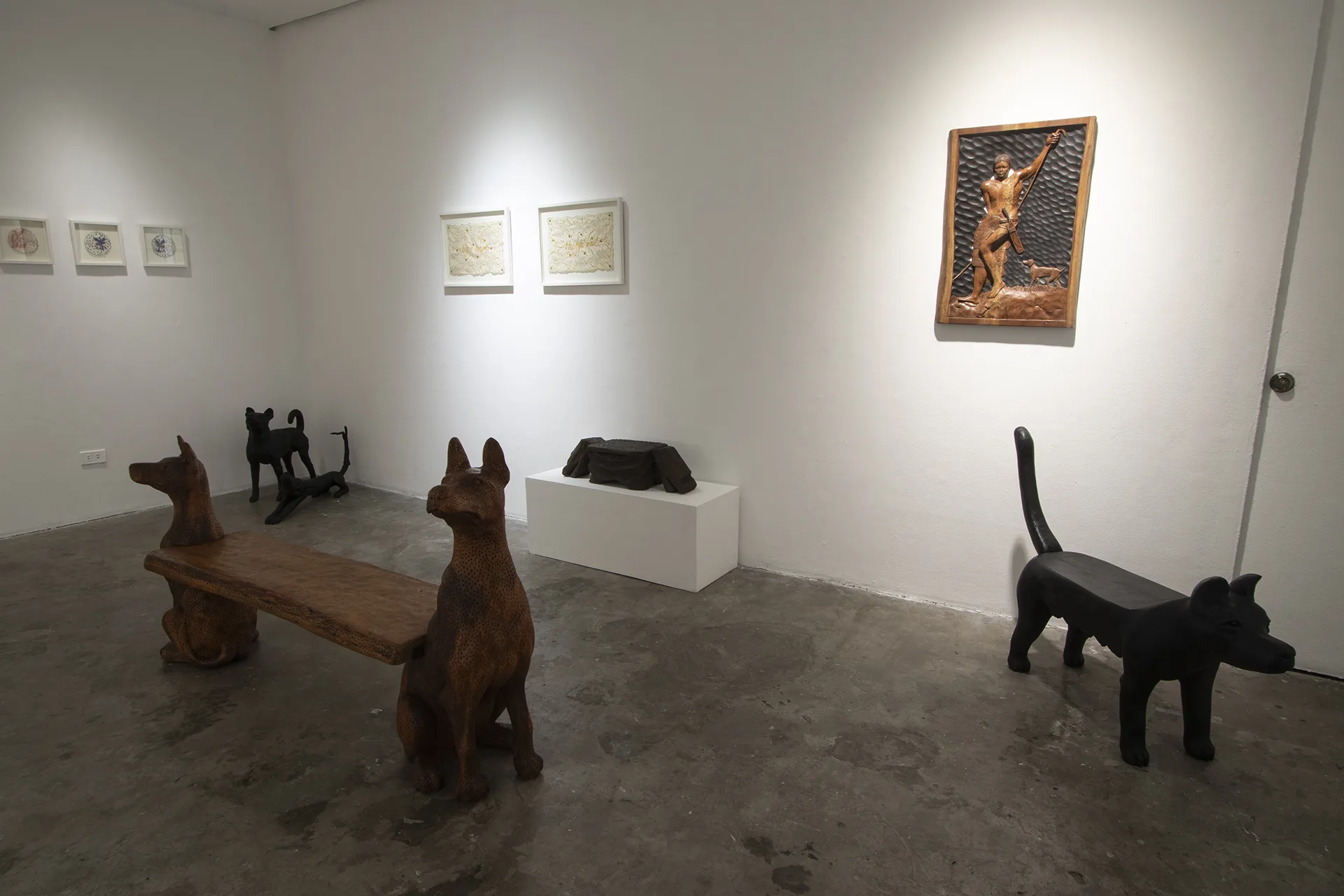
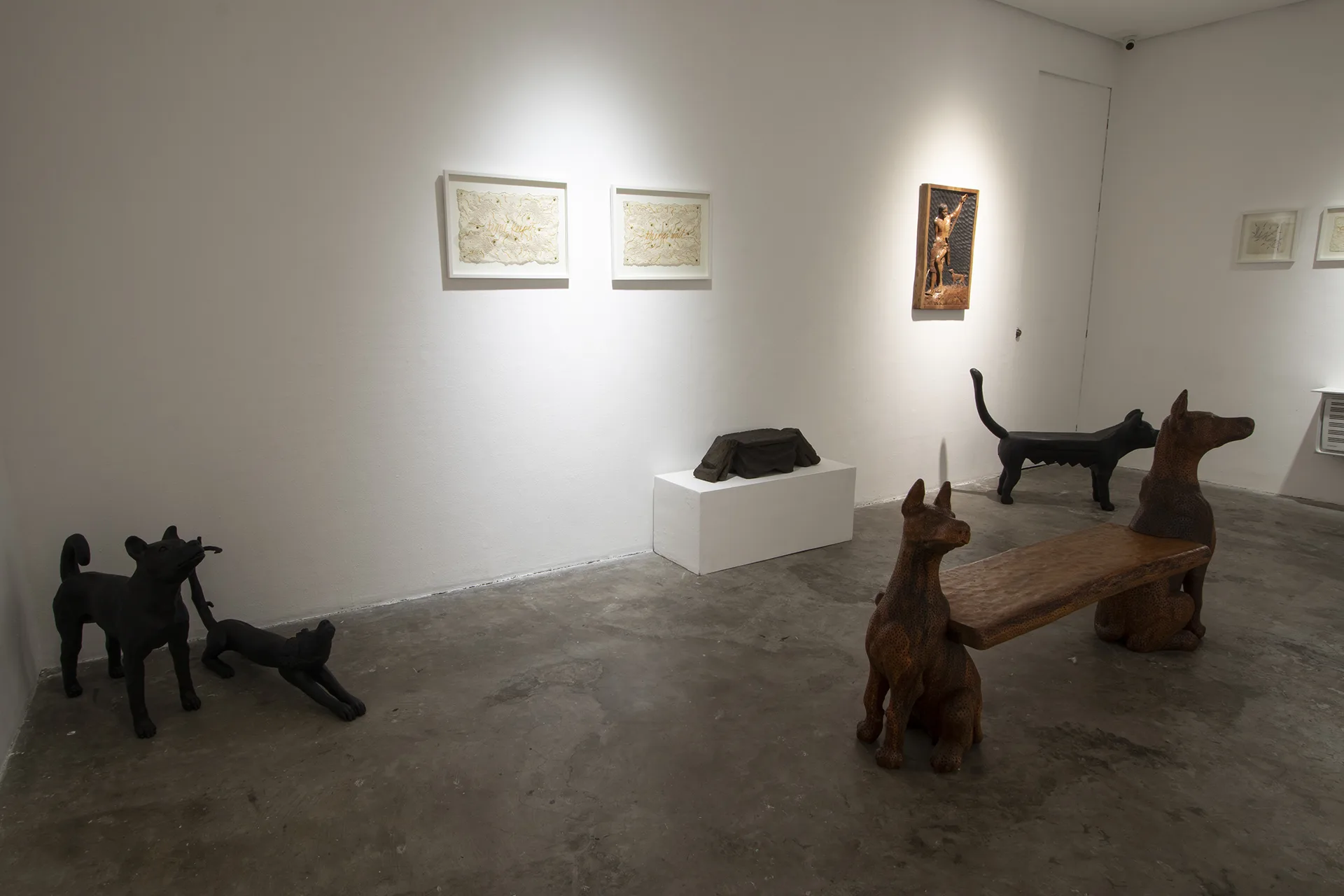
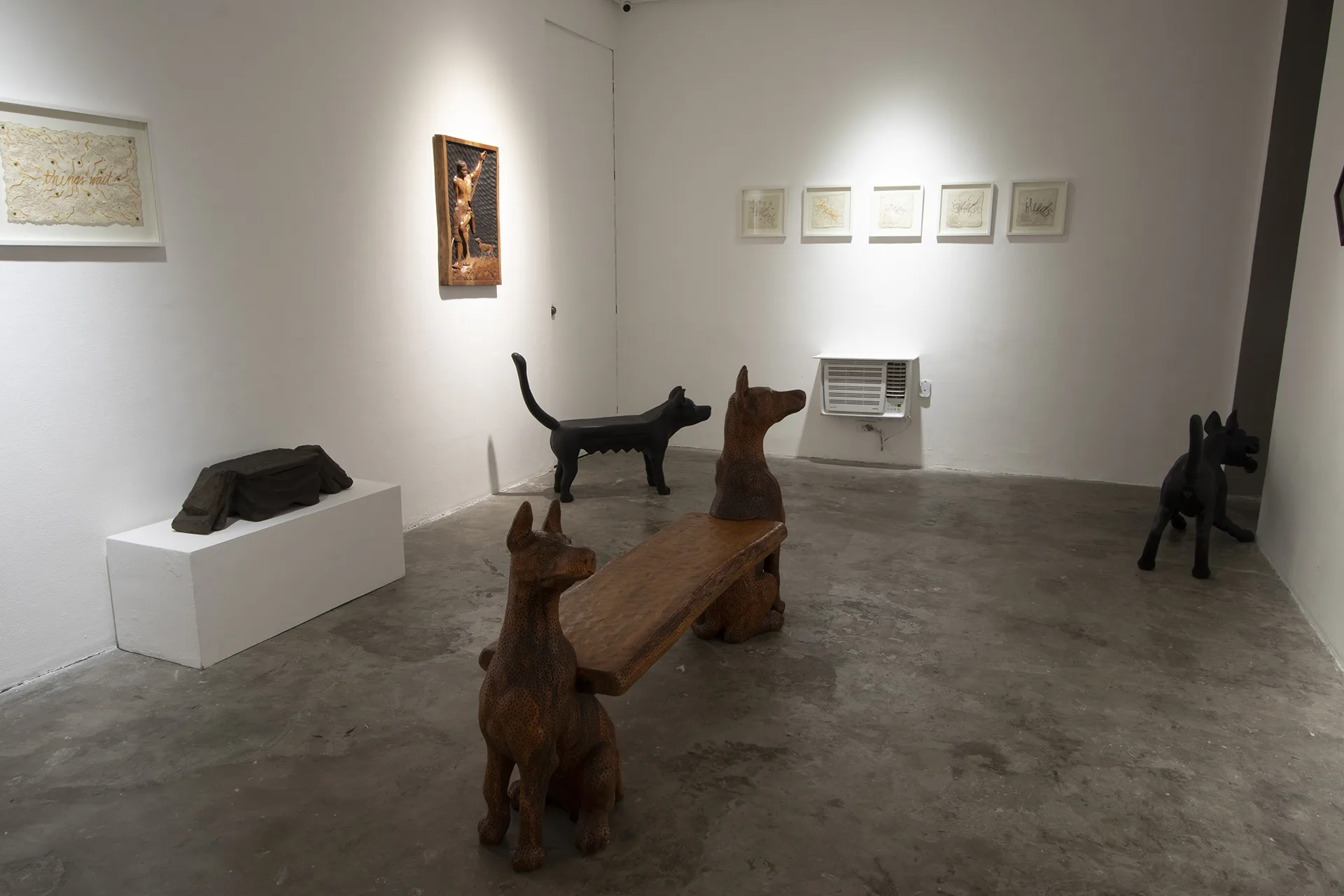
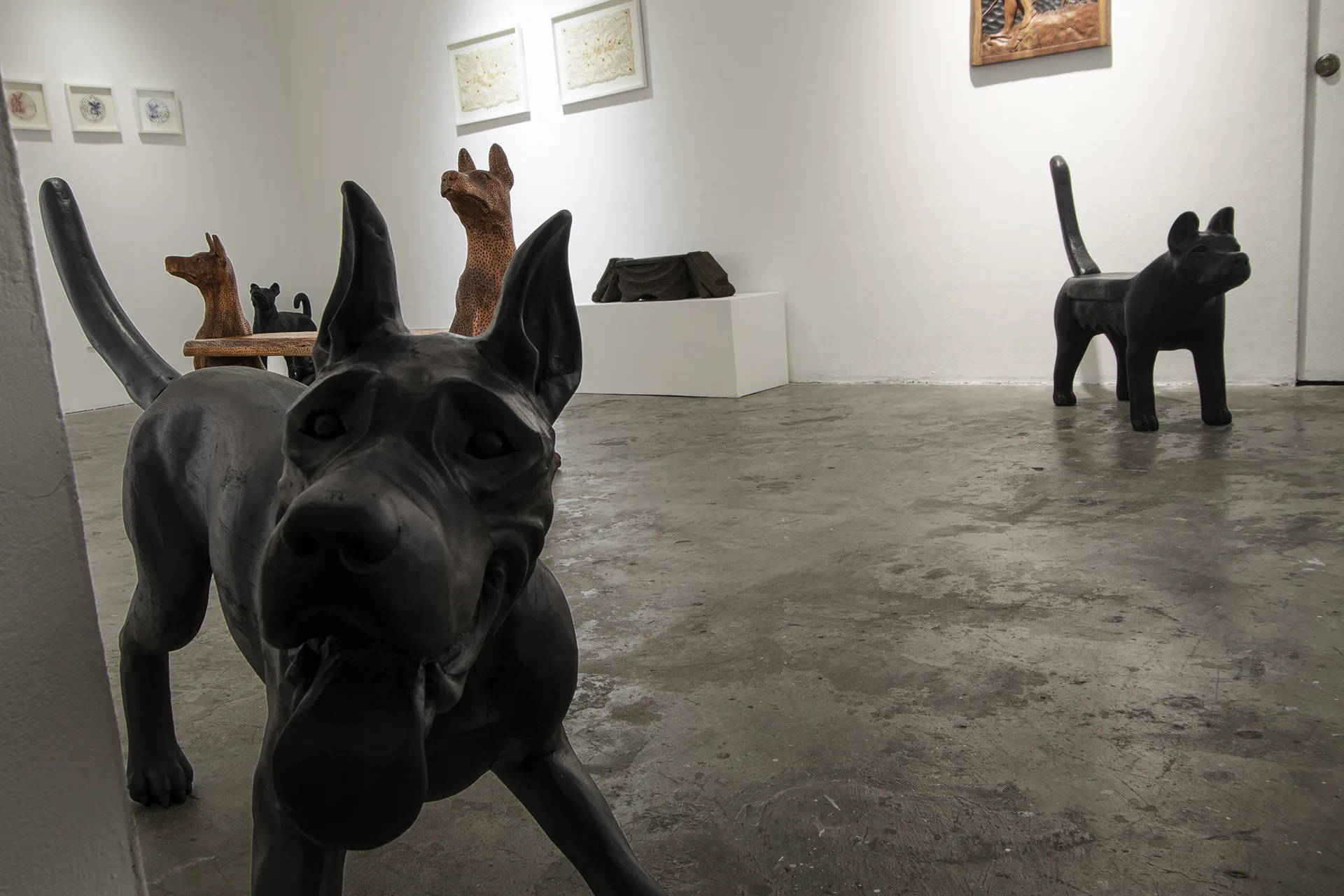
The post-pandemic building of a home disavows the anxieties of the contemporary in Gail Vicente, Dehon Taguyungon, and Randy Gawwi’s representation of the highland domestic. Things that make a home are reworked: embroidered ‘sanctuary’ words on pre-owned handkerchiefs, wood-carved dogs from a single tree, and an unorthodox hagabi made of egg tray pulp. These attend to the stamina of craft tradition and its continuance through the act of dreaming or munininop.
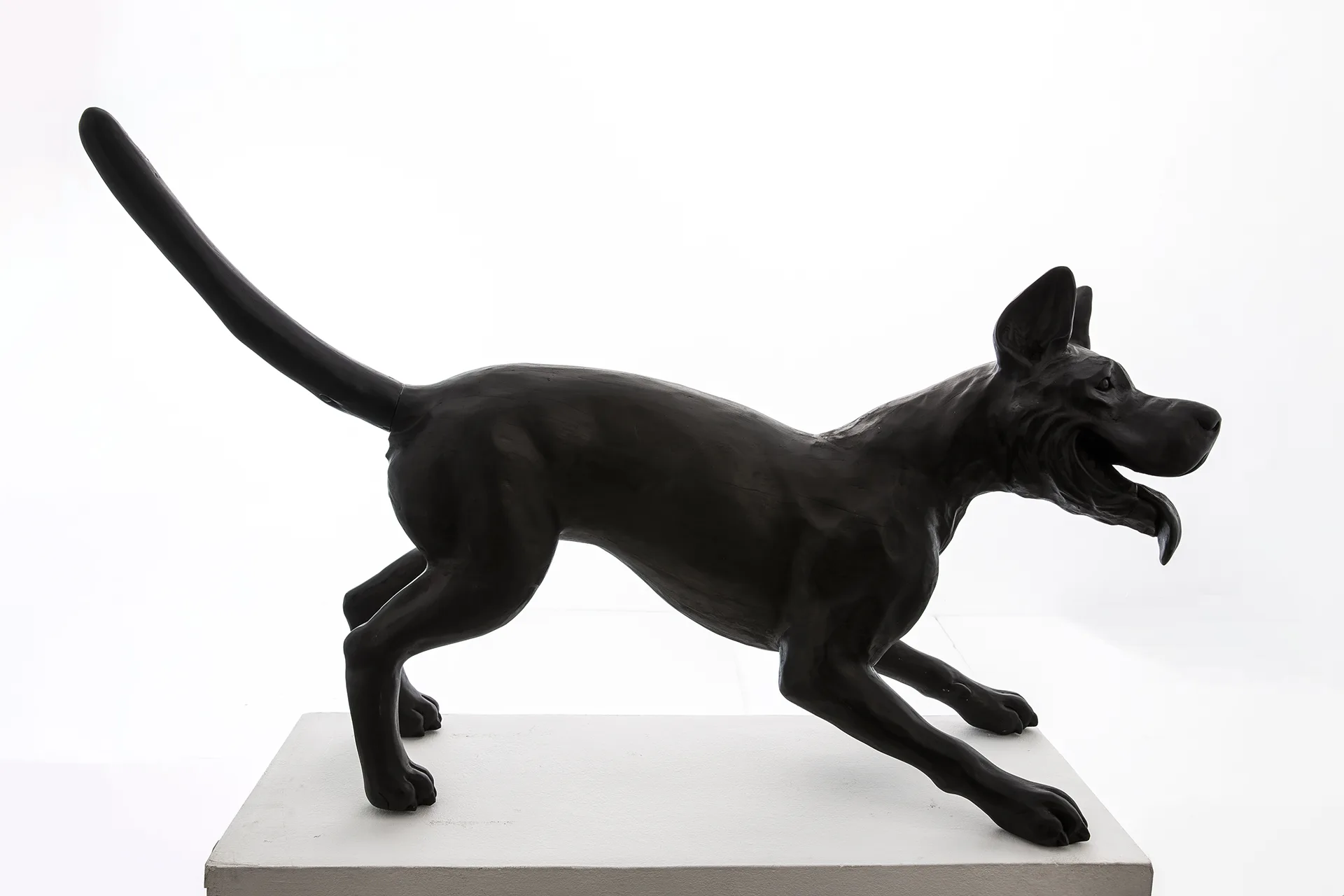
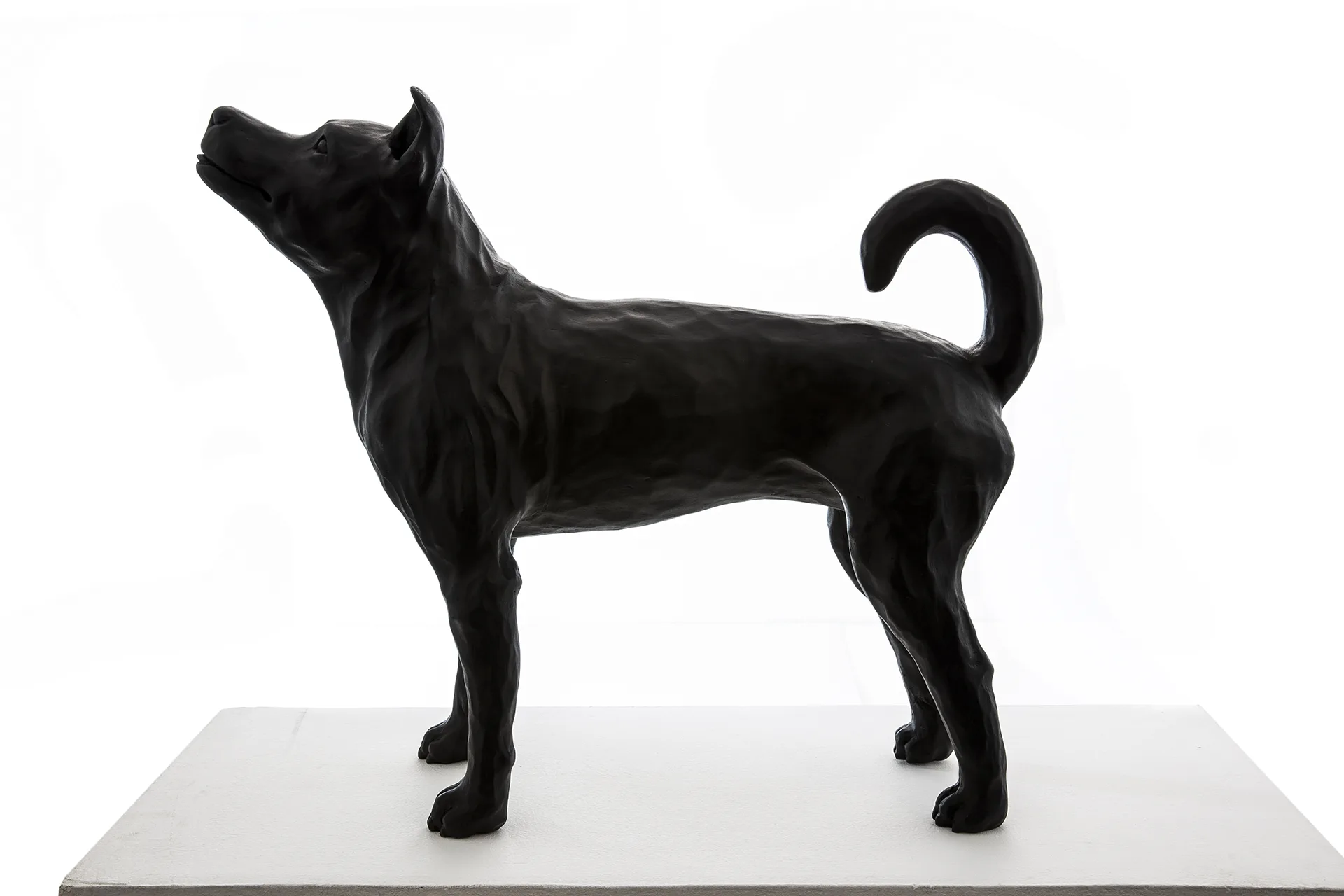
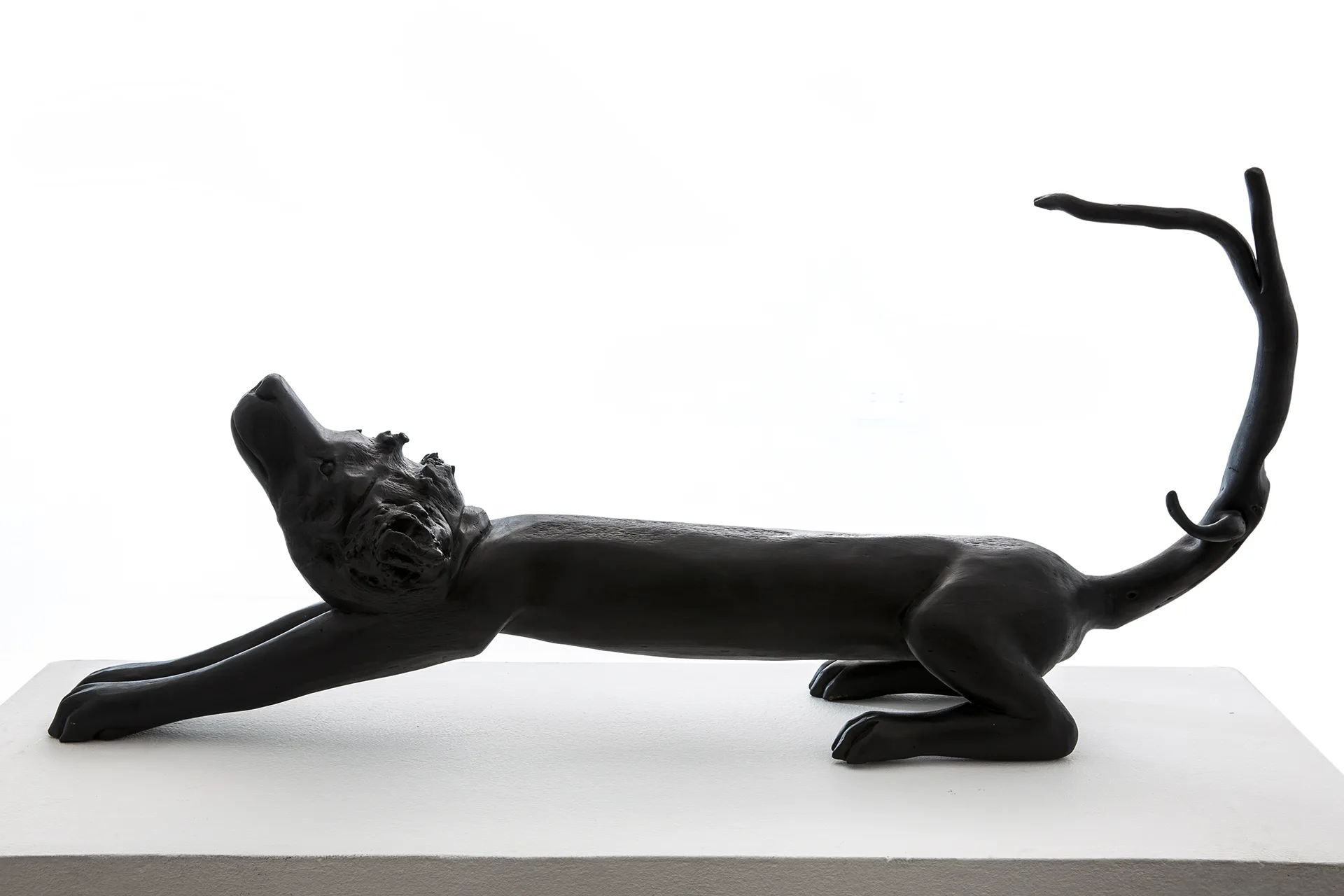
Since Gail Vicente and Dehon Taguyungon became partners, they built a home in Camp 7 in Baguio City after the pandemic. They have since had a child, Ugo, and a pet dog named Ali, who passed recently and is Taguyungon’s muse for his series of dog sculptures. Gawwi, a godparent to Ugo, built his home around the same time as Vicente and Taguyungon in Taloy, Tuba, Benguet, where he farms. Their homes double as studios where works are born of home and hearth, nurture and care, and the spiritual and the sacred.
While Gawwi and Taguyungon trace their domestic craft-making from their Ifugao cosmology, Vicente has habituated her practice to becoming a new mother. Her interventions with domestic objects, she says, are “where a disarray of daily life becomes a patterned cosmos of its own.” Making artwork in the home integrates itself into the natural constellation of activities in a home’s upkeep. In this domesticity, craft naturally incubates in the rote, mundane, and banal.
But such banality is reconsidered, or in more ways reconstituted as spiritual. Embroidering handkerchiefs that have had past lives becomes meditative daydreaming. Carving different postures of a pet dog from a single tree that fell in the yard becomes an inter-organismal ritual about space.
In the traditional crafting of a hagabi, or a long Ifugao wooden bench for rest and dreaming, the spiritual extends outside the nuclear home. A tree is chosen by a mumbaki or ritual specialist, carved by craftspeople on-site where the tree fell, and then brought into the family’s yard around an obligatory community feast. The assignment of sacredness to an object is a result of community ritual. But with a different kind of material, Gawwi reimagines his Ifugao hagabi by making it inside his home, with his friends, from something as banal as recycled paper pulp.
In Munininop, the domestic is a site of dreaming. The works presented here are molded from the everyday social and non-atomic relationships of objects and species. It resists the conditions of contemporary precariousness and anxiety by remembering the intimate act of collective dreaming.
—Rocky Acofo Cajigan
.webp)

.webp)
.webp)
.webp)
.webp)
.webp)
.webp)
.webp)
.webp)
.webp)
.webp)
.webp)
.webp)
.webp)
.webp)
About the Artist
About the Artists
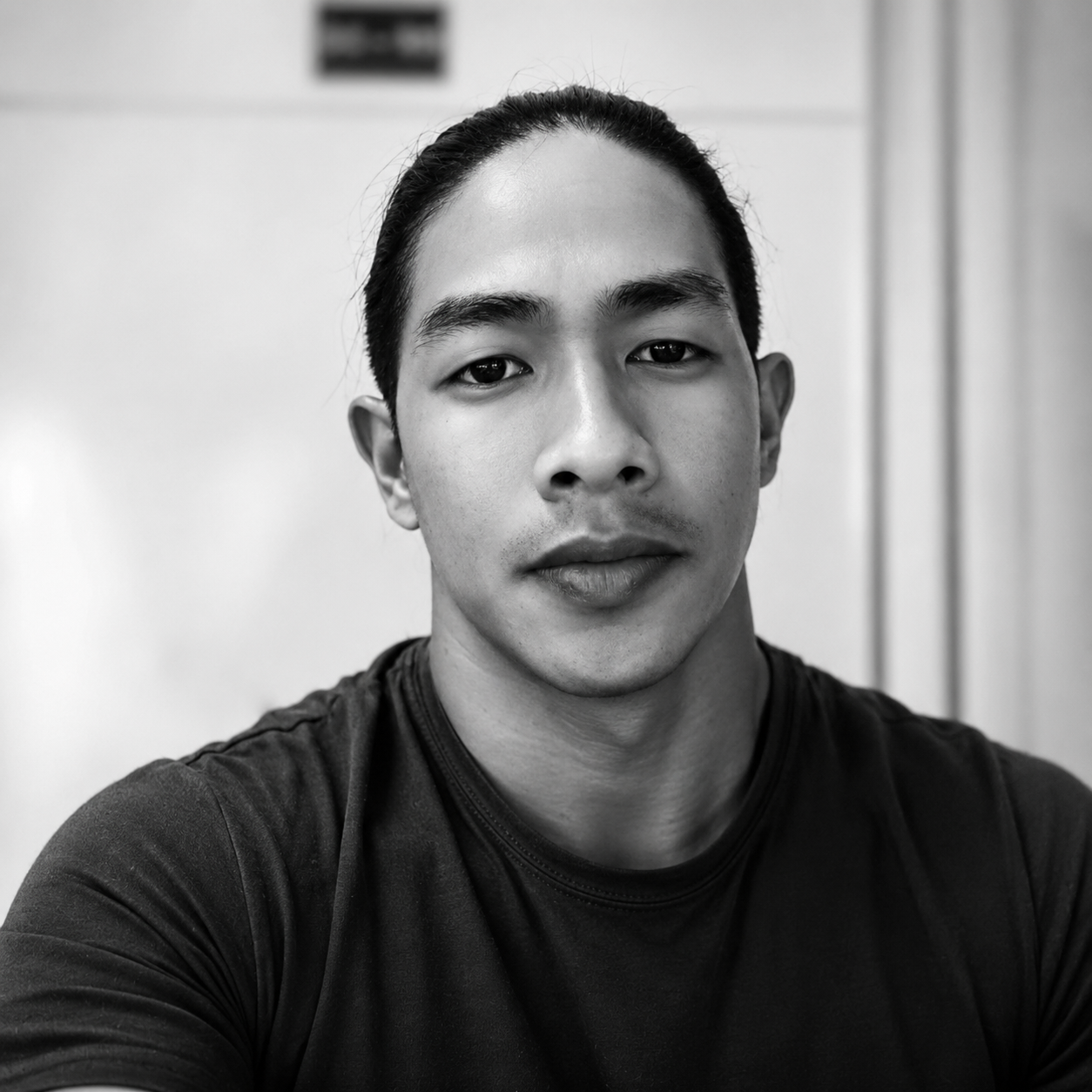
Randy Gawwi’s (b. 1983 in Banaue, Ifugao) massive installations mimic organic forms in nature. Even his process derives from following the natural bends and shapes of the wood, the bamboo, or the rattan he uses. He is also a painter, a builder, and a woodcarver. Working across different media, he prints and hand-paints T-shirts, designs and makes lamps, and carves and welds sculptures. His installations and mixed media paintings have been exhibited in galleries and site-specific spaces in different parts of the Philippines.
Randy Gawwi grew up with a woodcarver for a father. When he began his own art practice, he was mentored by Baguio artists like Rene Aquitania and Kidlat Tahimik. He took a break from art practice and worked overseas in building sites for a few years. He has since returned and continues to prolifically make work, beginning with interactive installations. He has exhibited in local art spaces and festivals including the Pamana Art Exhibition: In Celebration of the Indigenous Peoples Month (2016) and Last Order (2017) at the Victor Oteyza Community Art Space in Baguio City, the Entacool Baguio Creative Festival (2018, Baguio City), the Ibagiw Creative City Festival (2020, Baguio City), and the Sos-owa: A Prayer Ritual (2020, Sagada, Mountain Province). The latter participation includes restoration work on the Santiago Bose Mural at the Saint Mary’s School in Sagada, Mountain Province.
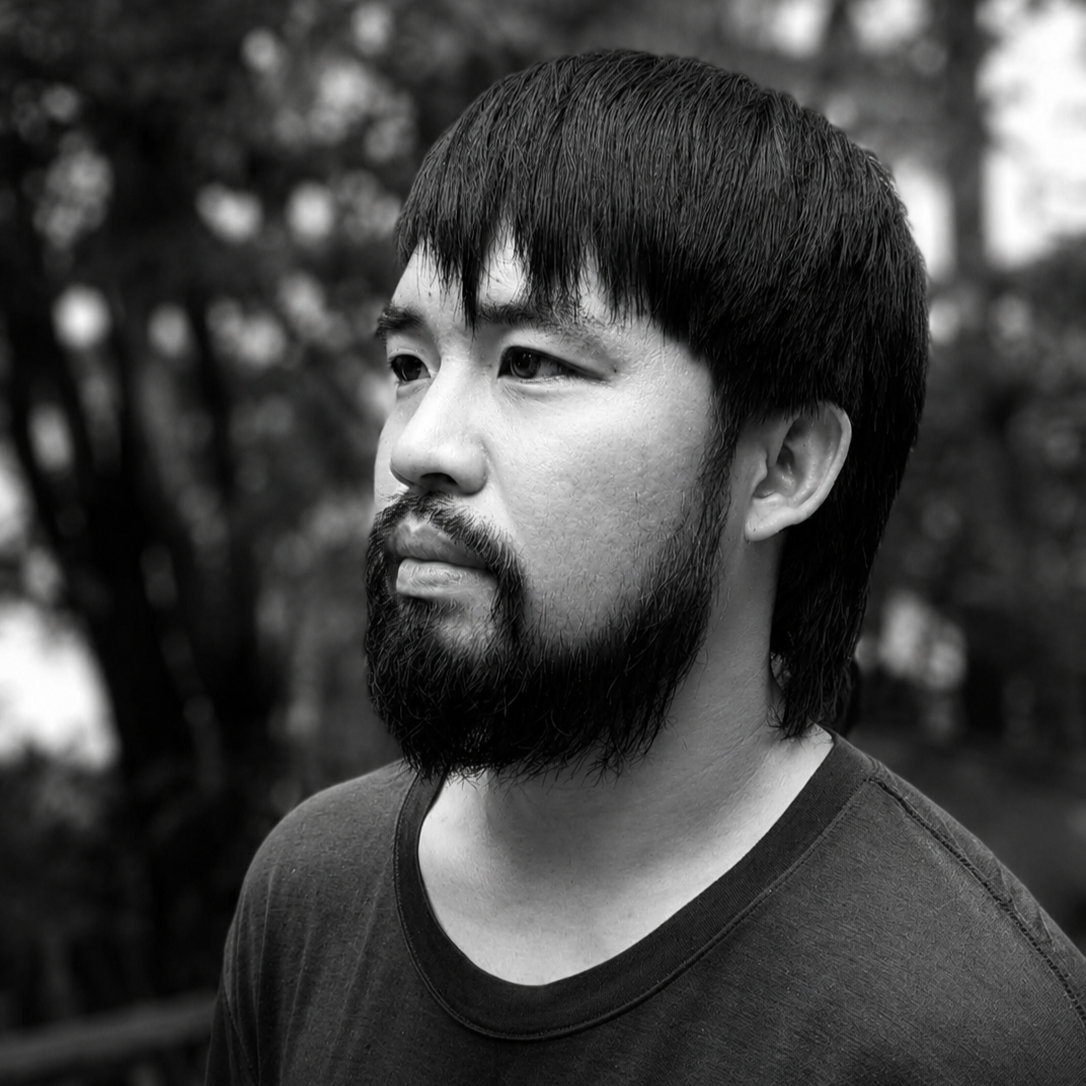
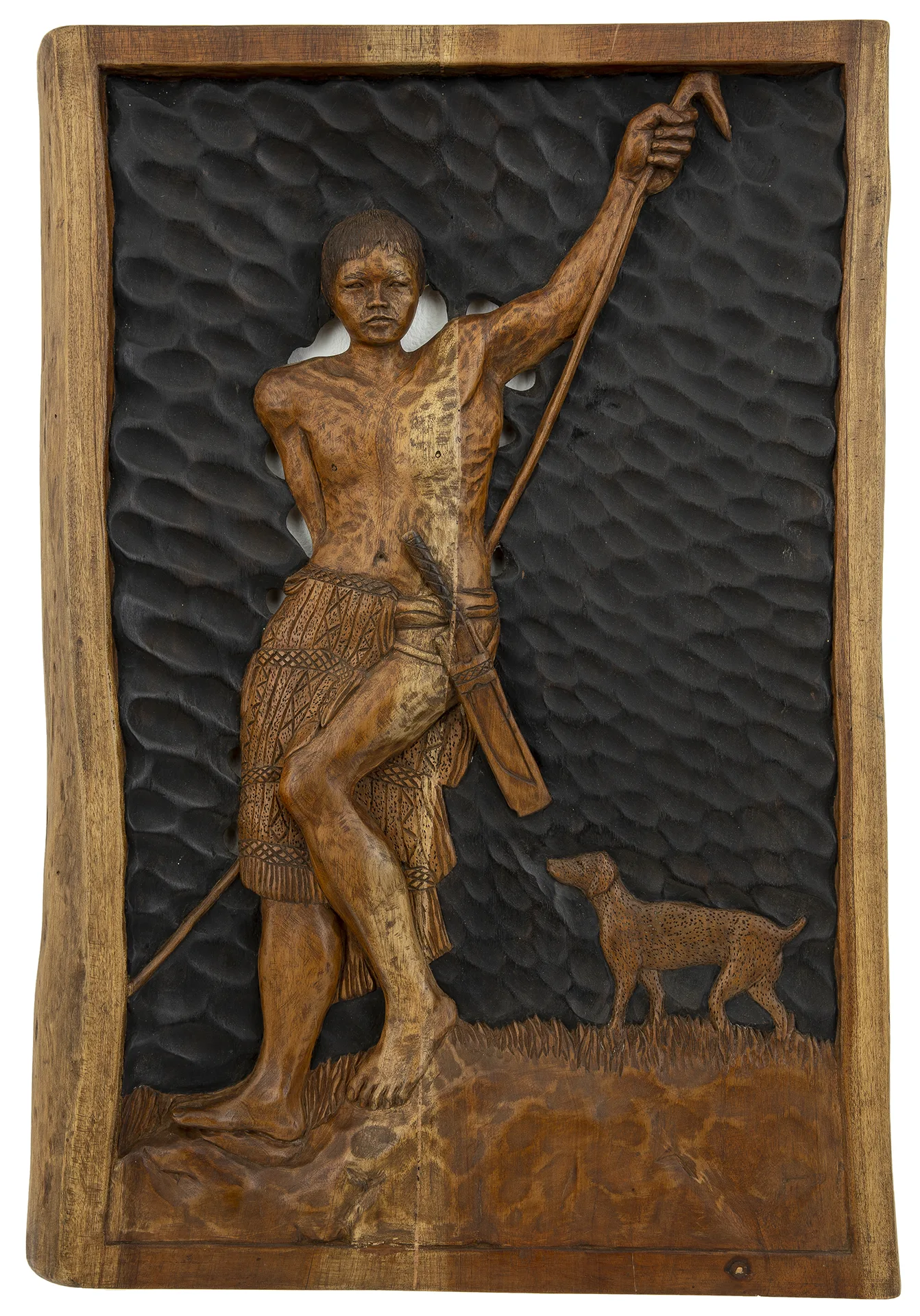
Dehon Taguyungon (b. 1989, Hungduan, Ifugao) says that his sculptures and relief works are dreamlike and autobiographical. He comes from an Ifugao community known for its woodcarvers, where at 16, he took up the chisel and mallet and studied the craft from his neighbors, carving figures sold as souvenirs. In 2011, he took up Fine Arts at the University of the Philippines-Baguio.
In the making of an object, he often begins an idea by studying the natural shape of a piece of found wood before incorporating a playful gesture. His imagery is as much a part of his personal history as it is of his community, interpreting creation stories, lores from his elders, and local mythology. But much of it is endeared with humor such as in his figure of a sleeping bulol (traditional human-like figures originally made to purge illness and for protection from ills) carved with a torso resembling a Ginebra gin bottle.

Gail Vicente (b. 1984, Quezon City) is an artist working in painting, assemblage, sculpture, embroidery and text. Her practice contemplates the essence of everyday objects within domestic and communal spaces. Through her intermedia approach, she reimagines the deeply layered histories of found objects, imbuing them with renewed meanings and values. After relocating to Baguio in 2020, she began exploring local materials and practices interwoven with the textures and rhythms of the mountainous landscape.
Her background in archiving and art conservation informs her broader practice as an artist, in which her works become objects of reinterpretation, reflecting her ongoing engagement with language, materiality and objecthood. From 2007 to 2009, Vicente served as a researcher for The Roberto Chabet Archive, a project dedicated to archiving the body of work of pioneering Filipino conceptual artist Roberto Chabet. For more than a decade, she worked as a conservator, collections manager, and archivist at the non-profit art organization King Kong Art Projects Unlimited. In 2019, Vicente was awarded a grant from the Asian Cultural Council to conduct research on art conservation and archiving in New York. She completed training in conservation, particularly in the mediums of paper and painting.
She co-founded artist-run initiatives, including Project 20 in Manila and the online platform for Cordillera-based artists, No Space
Related Exhibitions
About the Artists
About the Artist
Randy Gawwi’s (b. 1983 in Banaue, Ifugao) massive installations mimic organic forms in nature. Even his process derives from following the natural bends and shapes of the wood, the bamboo, or the rattan he uses. He is also a painter, a builder, and a woodcarver. Working across different media, he prints and hand-paints T-shirts, designs and makes lamps, and carves and welds sculptures. His installations and mixed media paintings have been exhibited in galleries and site-specific spaces in different parts of the Philippines.
Randy Gawwi grew up with a woodcarver for a father. When he began his own art practice, he was mentored by Baguio artists like Rene Aquitania and Kidlat Tahimik. He took a break from art practice and worked overseas in building sites for a few years. He has since returned and continues to prolifically make work, beginning with interactive installations. He has exhibited in local art spaces and festivals including the Pamana Art Exhibition: In Celebration of the Indigenous Peoples Month (2016) and Last Order (2017) at the Victor Oteyza Community Art Space in Baguio City, the Entacool Baguio Creative Festival (2018, Baguio City), the Ibagiw Creative City Festival (2020, Baguio City), and the Sos-owa: A Prayer Ritual (2020, Sagada, Mountain Province). The latter participation includes restoration work on the Santiago Bose Mural at the Saint Mary’s School in Sagada, Mountain Province.
Dehon Taguyungon (b. 1989, Hungduan, Ifugao) says that his sculptures and relief works are dreamlike and autobiographical. He comes from an Ifugao community known for its woodcarvers, where at 16, he took up the chisel and mallet and studied the craft from his neighbors, carving figures sold as souvenirs. In 2011, he took up Fine Arts at the University of the Philippines-Baguio.
In the making of an object, he often begins an idea by studying the natural shape of a piece of found wood before incorporating a playful gesture. His imagery is as much a part of his personal history as it is of his community, interpreting creation stories, lores from his elders, and local mythology. But much of it is endeared with humor such as in his figure of a sleeping bulol (traditional human-like figures originally made to purge illness and for protection from ills) carved with a torso resembling a Ginebra gin bottle.
Gail Vicente (b. 1984, Quezon City) is an artist working in painting, assemblage, sculpture, embroidery and text. Her practice contemplates the essence of everyday objects within domestic and communal spaces. Through her intermedia approach, she reimagines the deeply layered histories of found objects, imbuing them with renewed meanings and values. After relocating to Baguio in 2020, she began exploring local materials and practices interwoven with the textures and rhythms of the mountainous landscape.
Her background in archiving and art conservation informs her broader practice as an artist, in which her works become objects of reinterpretation, reflecting her ongoing engagement with language, materiality and objecthood. From 2007 to 2009, Vicente served as a researcher for The Roberto Chabet Archive, a project dedicated to archiving the body of work of pioneering Filipino conceptual artist Roberto Chabet. For more than a decade, she worked as a conservator, collections manager, and archivist at the non-profit art organization King Kong Art Projects Unlimited. In 2019, Vicente was awarded a grant from the Asian Cultural Council to conduct research on art conservation and archiving in New York. She completed training in conservation, particularly in the mediums of paper and painting.
She co-founded artist-run initiatives, including Project 20 in Manila and the online platform for Cordillera-based artists, No Space
Related Exhibitions

Share